



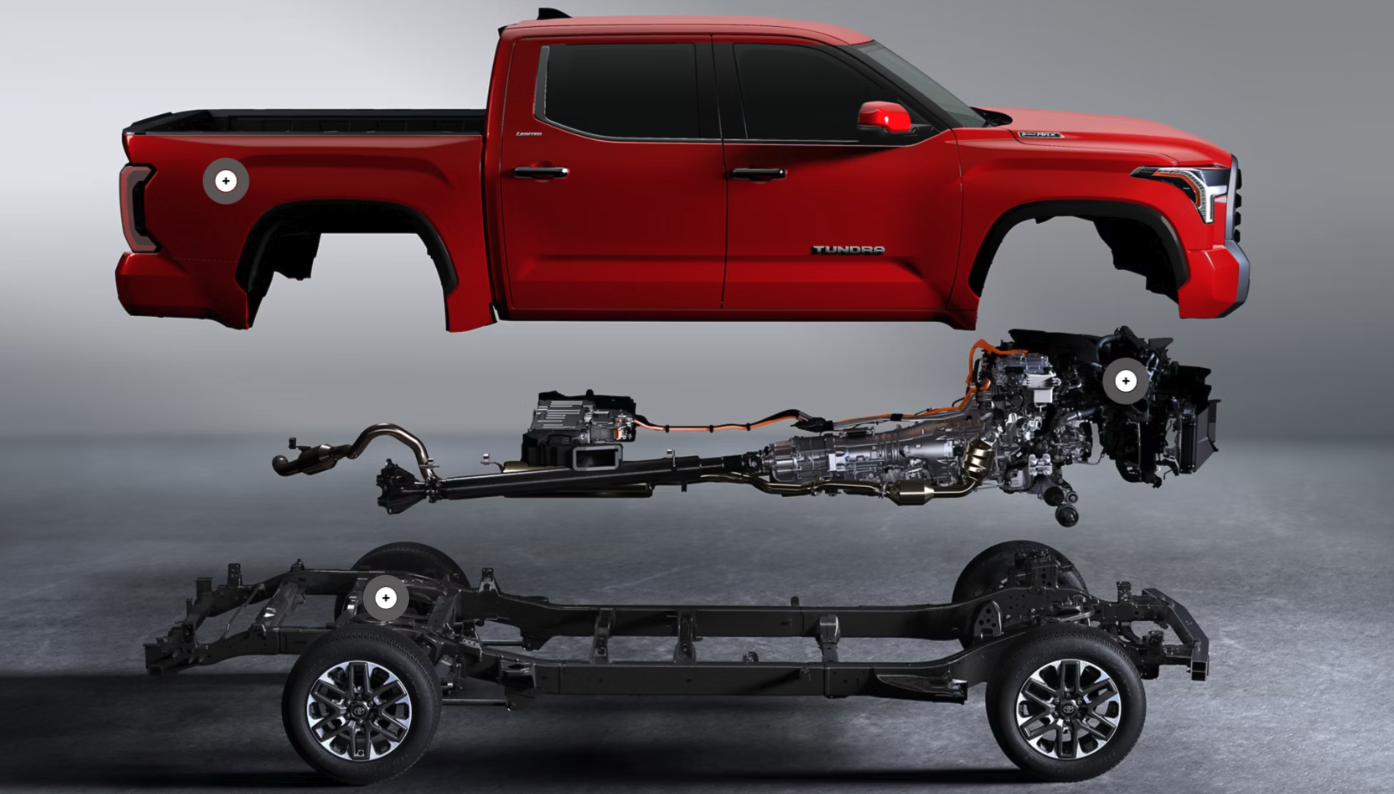
If you are choosing between the 2026 Toyota Tacoma and the 2026 Toyota Tundra, the short answer is simple. We recommend Tacoma for Durham-area buyers who want a more manageable truck for commuting, weekend trail use, and moderate towing without stepping into full-size ownership cost or footprint. We recommend Tundra for buyers who genuinely need more cab space, more torque, and more towing confidence for work, heavier recreational loads, or full-size truck life. At Mark Jacobson Toyota, that is the clearest split because these trucks are not trying to solve the same problem. Tacoma is the midsize answer. Tundra is the full-size answer.
The official 2026 facts make that easier to understand. Toyota says Tacoma offers a standard i-FORCE 2.4-liter turbo engine with up to 278 horsepower and 317 lb-ft of torque, or an available i-FORCE MAX hybrid powertrain with 326 horsepower and 465 lb-ft. Toyota also says Tacoma can tow up to 6,500 pounds in the right configuration. Tundra moves into a different category with a standard twin-turbo V6 making 389 horsepower and 479 lb-ft, or an available i-FORCE MAX hybrid powertrain delivering 437 net combined horsepower and 583 lb-ft of torque. Toyota also says Tundra can tow up to 12,000 pounds in the right setup.
In this guide, we compare size, daily usability, towing, bed and cabin logic, i-FORCE MAX value, off-road identity, and long-term ownership fit for Durham, Raleigh, Chapel Hill, Cary, and Apex buyers. We also explain when Tacoma is enough, when Tundra is worth stepping up to, and which truck fits commuters, trail users, contractors, and families best.
View 2026 Toyota Tacoma View 2026 Toyota TundraTable of Contents
- Size, Bed Utility, and Everyday Driveability
- Powertrains, Towing, and i-FORCE MAX Compared
- Off-Road, Work Capability, and Trim Differences That Matter
- Which Toyota Truck Matches Durham Commuters, Outdoor Drivers, and Work Buyers Best?
- When Tundra Is Worth the Step Up and When Tacoma Delivers Better Long-Term Value
- Key Takeaways
- 2026 Toyota Tacoma vs Tundra FAQ for Durham Drivers
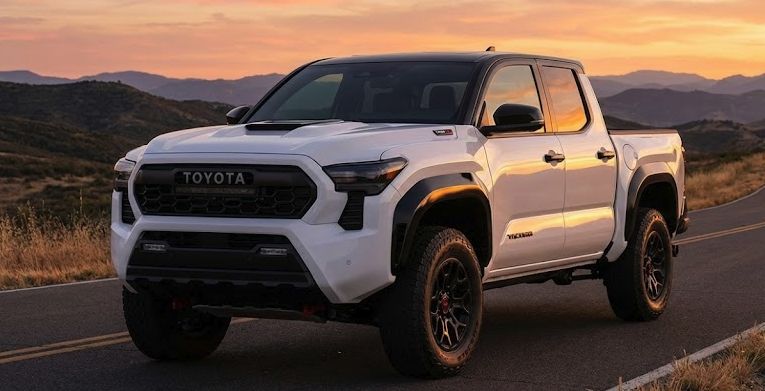
The 2026 Toyota Tacoma and 2026 Toyota Tundra are Toyota trucks built for different buyer priorities. Tacoma is the midsize choice for drivers who want off-road flexibility, easier daily use, and lower overall size. Tundra is the full-size choice for drivers who need more towing, more torque, and more truck overall.
Size, Bed Utility, and Everyday Driveability
The biggest real-world difference between Tacoma and Tundra is not power. It is how much truck you actually want to live with every day in Durham traffic, parking lots, driveways, and weekly errands.
Tacoma midsize packaging vs Tundra full-size footprint and who each really fits
Tacoma is the better fit for buyers who want the utility and image of a pickup without immediately stepping into full-size size. That matters more than many shoppers expect. A midsize truck is easier to place in older garages, easier to park in retail lots, and easier to drive through the mixed urban and suburban routes common around Durham and the Triangle. For a buyer who mostly wants a truck for personal use, weekend gear hauling, occasional towing, or trail access, Tacoma often feels like the more natural fit because it delivers the truck experience without making daily life feel bigger or heavier than it needs to be.
Tundra fits a different kind of life. It is the truck for buyers who want more cab room, more bed-and-cabin scale, and the presence and utility of a full-size pickup. For a Raleigh contractor, a Cary driver pulling heavier equipment, or a Chapel Hill family using the truck as a road-trip-capable tow vehicle, the larger footprint stops feeling like a drawback and starts feeling like the reason to buy the truck in the first place. That is the most important split to understand. Tacoma is not a smaller Tundra. It is the better daily-use truck when midsize packaging is enough.
| Daily-Use Factor | 2026 Toyota Tacoma | 2026 Toyota Tundra | Best Fit |
|---|---|---|---|
| Truck Class | Midsize pickup | Full-size pickup | Tacoma for lighter everyday use |
| Parking and Maneuverability | Easier to place in daily driving | Takes more room to live with | Tacoma for Durham commuting |
| Cabin Scale | Good for personal use and lighter family use | More cabin room and full-size feel | Tundra for buyers needing more passenger space |
| Road Presence | More compact and trail-friendly | Bigger and heavier-duty in character | Depends on whether you want midsize or full-size truck identity |
| Best Ownership Logic | Truck for people who still want easy daily life | Truck for people who truly need more truck | Different priorities, not a simple winner |
| Who It Fits | Commuters, outdoor buyers, lighter towing users | Work buyers, heavy tow users, full-size truck shoppers | Buyer routine decides |
Based on Toyota official website and Toyota USA Newsroom positioning for the 2026 Tacoma and 2026 Tundra.
View 2026 Toyota Tacoma View 2026 Toyota TundraBed length, cabin size, parking ease, and which truck is easier to live with in Durham
For many Triangle buyers, Tacoma is easier to live with because it gives enough bed utility for most personal-use truck routines while staying easier to park, easier to turn, and less tiring to maneuver every day. A Durham commuter who wants a pickup for bikes, home-improvement runs, trail weekends, or occasional small trailers usually does not need the scale of a Tundra. That is exactly where Tacoma feels right. It gives you the benefit of a truck bed and real 4WD-capable truck hardware without forcing you into full-size truck compromises during the workweek.
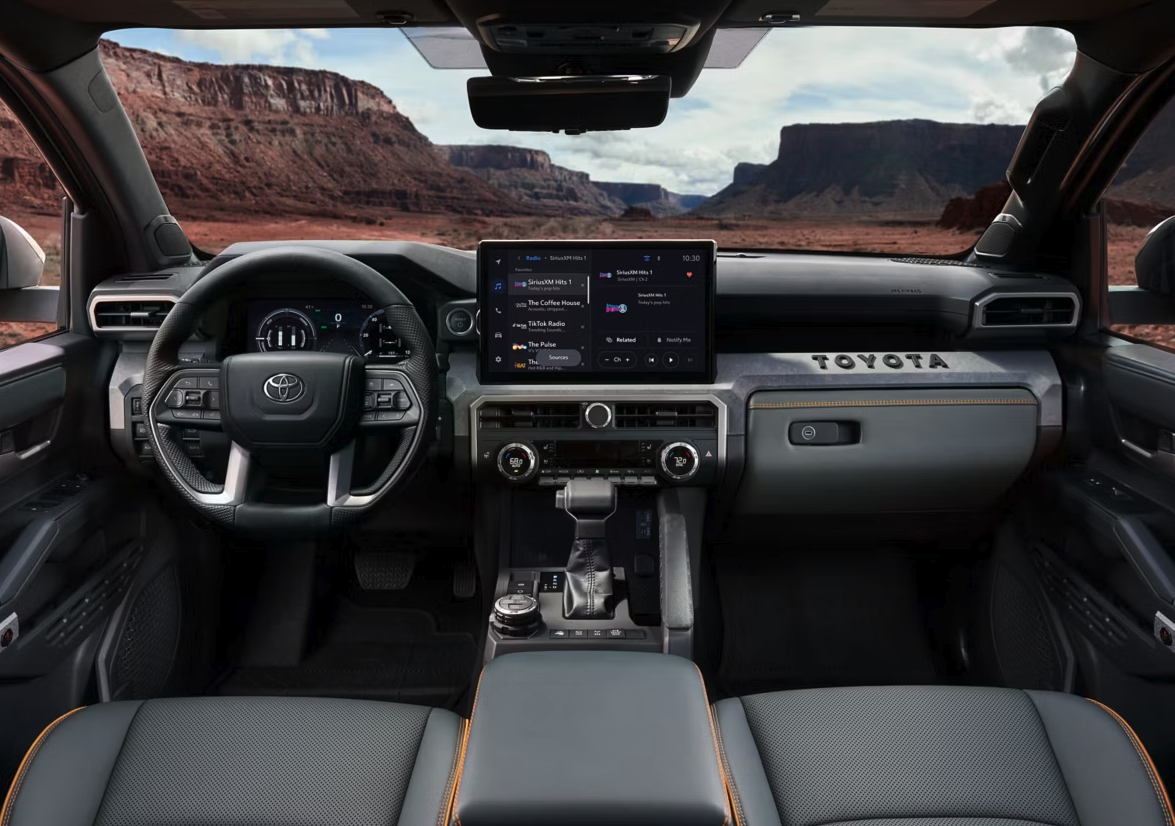
Tundra becomes easier to live with only when your routine actually rewards the added size. If you carry more people often, if the truck is also a road-trip family vehicle, or if the job really asks for a bigger cab and more full-size utility, then Tundra starts making more sense. The best way to frame the daily-use decision is simple: Tacoma is easier to own unless the reasons to own a bigger truck show up regularly enough to justify Tundra’s extra size.
When Tacoma is enough and when Tundra starts making more sense
Tacoma is enough for more buyers than they think. If your routine includes commuting, lighter towing, weekend adventure use, occasional work-truck duty, and a preference for easier maneuverability, Tacoma usually wins. We recommend it often for personal-use truck shoppers and for buyers who want the flexibility to go off-road or overland without committing to full-size truck ownership.
Tundra starts making more sense when the truck has to do more than one heavy job well. If you tow larger boats or trailers, regularly need more cabin room, or know that full-size truck strength will be used constantly, Tundra becomes easier to justify. That is where the price jump and size jump start paying you back instead of simply making the truck harder to live with.
- Choose Tacoma if you want a truck that still feels manageable every day.
- Choose Tundra if your routine truly needs full-size truck scale and strength.
- Choose Tacoma if you want off-road and adventure flexibility without overbuying size.
Powertrains, Towing, and i-FORCE MAX Compared
The powertrain story matters because both trucks offer i-FORCE MAX, but the way Toyota uses that hybrid performance in Tacoma and Tundra is very different.
Tacoma i-FORCE and i-FORCE MAX vs Tundra i-FORCE and i-FORCE MAX on horsepower, torque, MPG position, and towing
Tacoma gives buyers two strong powertrain paths. Toyota says the standard i-FORCE turbocharged 2.4-liter engine makes up to 278 horsepower and 317 lb-ft of torque, while the available i-FORCE MAX hybrid setup increases output to 326 horsepower and 465 lb-ft. Toyota’s 2026 Tacoma launch story also says i-FORCE MAX is rated at an EPA-estimated 23 MPG combined. That makes Tacoma i-FORCE MAX a very attractive answer for buyers who want stronger torque, better off-road and hauling feel, and improved everyday punch without moving out of the midsize-truck class.
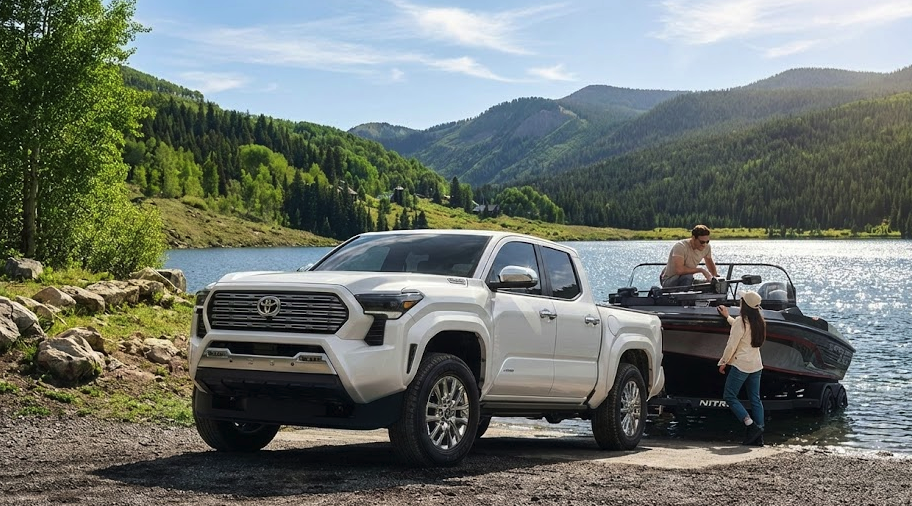
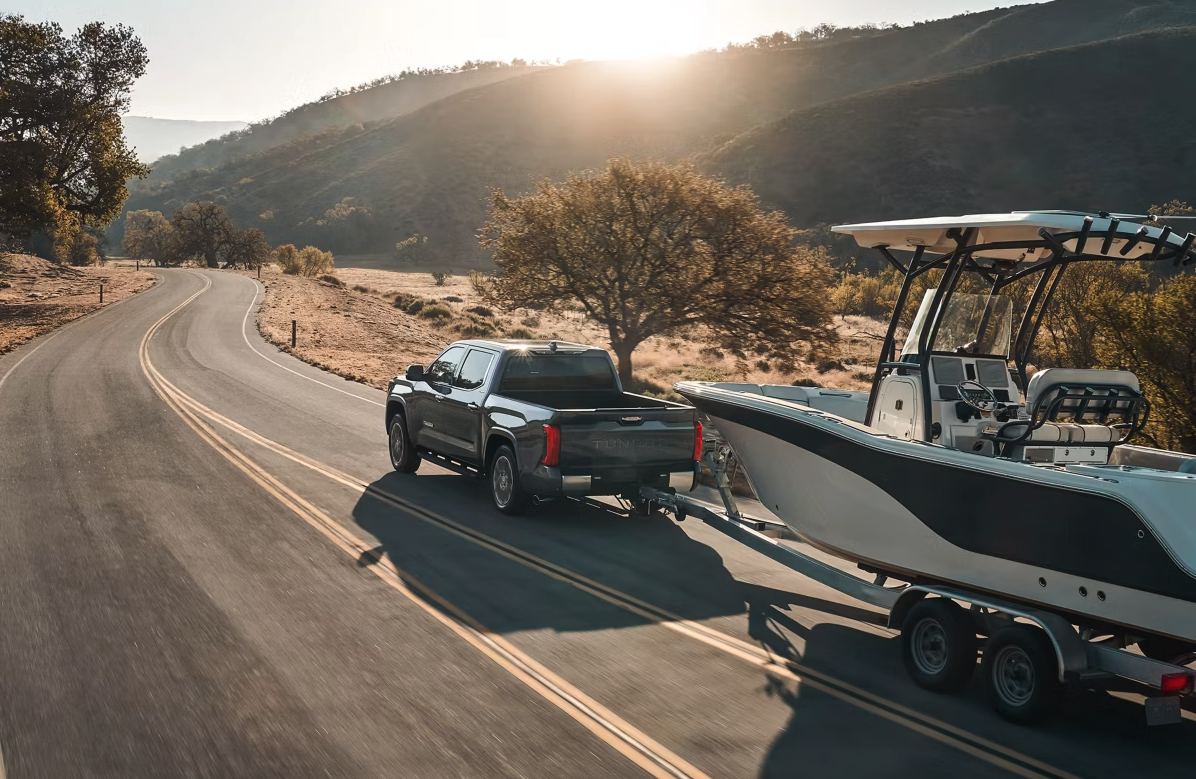
Tundra is on a different level. Toyota says the standard twin-turbo V6 makes 389 horsepower and 479 lb-ft, while the available i-FORCE MAX hybrid raises output to 437 net combined horsepower and 583 lb-ft of torque. Toyota also says Tundra can tow up to 12,000 pounds, which is in a different ownership category from Tacoma’s 6,500-pound maximum. This is why the comparison should not be reduced to horsepower alone. Tacoma is the better fit when midsize capability is enough. Tundra is the better fit when full-size capability is the reason you are shopping a truck in the first place.
| Powertrain and Capability Factor | 2026 Toyota Tacoma | 2026 Toyota Tundra | Best Fit |
|---|---|---|---|
| Standard Engine | i-FORCE up to 278 hp / 317 lb-ft | i-FORCE 389 hp / 479 lb-ft | Tundra for bigger baseline truck strength |
| Hybrid Option | i-FORCE MAX 326 hp / 465 lb-ft | i-FORCE MAX 437 hp / 583 lb-ft | Tundra for maximum power and torque |
| Towing Capacity | Up to 6,500 lbs | Up to 12,000 lbs | Tundra for heavier trailer and work use |
| Efficiency Position | i-FORCE MAX up to 23 MPG combined | Full-size truck MPG tradeoff for more capability | Tacoma for stronger day-to-day efficiency logic |
| Ownership Role | Midsize balance of strength and manageability | Full-size truck muscle and capacity | Depends on how much towing and torque you really need |
| Best Overall Fit | Personal-use and adventure truck buyers | Heavy tow, work, and big-truck buyers | Routine decides |
Based on Toyota official website and Toyota USA Newsroom. Towing and MPG vary by configuration.
View 2026 Toyota Tacoma View 2026 Toyota TundraThe verdict is direct. If you want i-FORCE MAX in a truck that still feels manageable and adventure-ready, Tacoma is the better answer. If you want i-FORCE MAX because you actually need full-size truck torque and towing, Tundra earns the step up. The key is not chasing the bigger numbers blindly. The key is deciding which numbers you will actually use.
Which 2026 Toyota truck is the smartest buy for your budget and routine?
For many Durham-area buyers, the smartest truck is Tacoma because it delivers the most balanced mix of capability, cost control, and daily-drive ease. We recommend Tacoma first for commuters, outdoor-focused buyers, and drivers who want one truck for everyday life plus weekend utility. Tacoma SR5, TRD Sport, and TRD Off-Road usually make the broadest value case, while i-FORCE MAX becomes easier to justify once you know you want more torque or one of the premium off-road-oriented trims.
- If you want the cleanest all-around value story, start with Tacoma.
- If you need real full-size towing and truck muscle, start with Tundra.
- If your truck will commute most days and adventure on weekends, Tacoma is usually the cleaner fit.
- If your truck will tow heavy, carry more passengers, or serve work duty often, Tundra is easier to justify.
What most buyers do not realize is that the smarter truck is often the one that feels like enough, not the one that feels biggest. Tacoma wins that argument for many people. Tundra wins it once the routine is big enough to need it.
If you are serious about choosing between Tacoma and Tundra, we recommend seeing both trucks side by side and talking honestly about your towing, cargo, and daily-driving needs. Our team can help you compare midsize versus full-size dimensions, explain how i-FORCE MAX changes each truck, and show you where the towing and trim differences matter most in real use. Drivers from Durham, Raleigh, Chapel Hill, Cary, and Apex can call us at 919-493-5599 or start online before visiting. We can also help you request a quote on the truck that best fits your work, weekend, and budget priorities.
Off-Road, Work Capability, and Trim Differences That Matter
Trim choice matters because Tacoma and Tundra do not only separate by size. They also separate by the type of truck personality Toyota lets you build.
Tacoma Trailhunter and TRD Pro vs Tundra TRD Pro and work-focused trims, trail tech, and Durham-area buyer fit
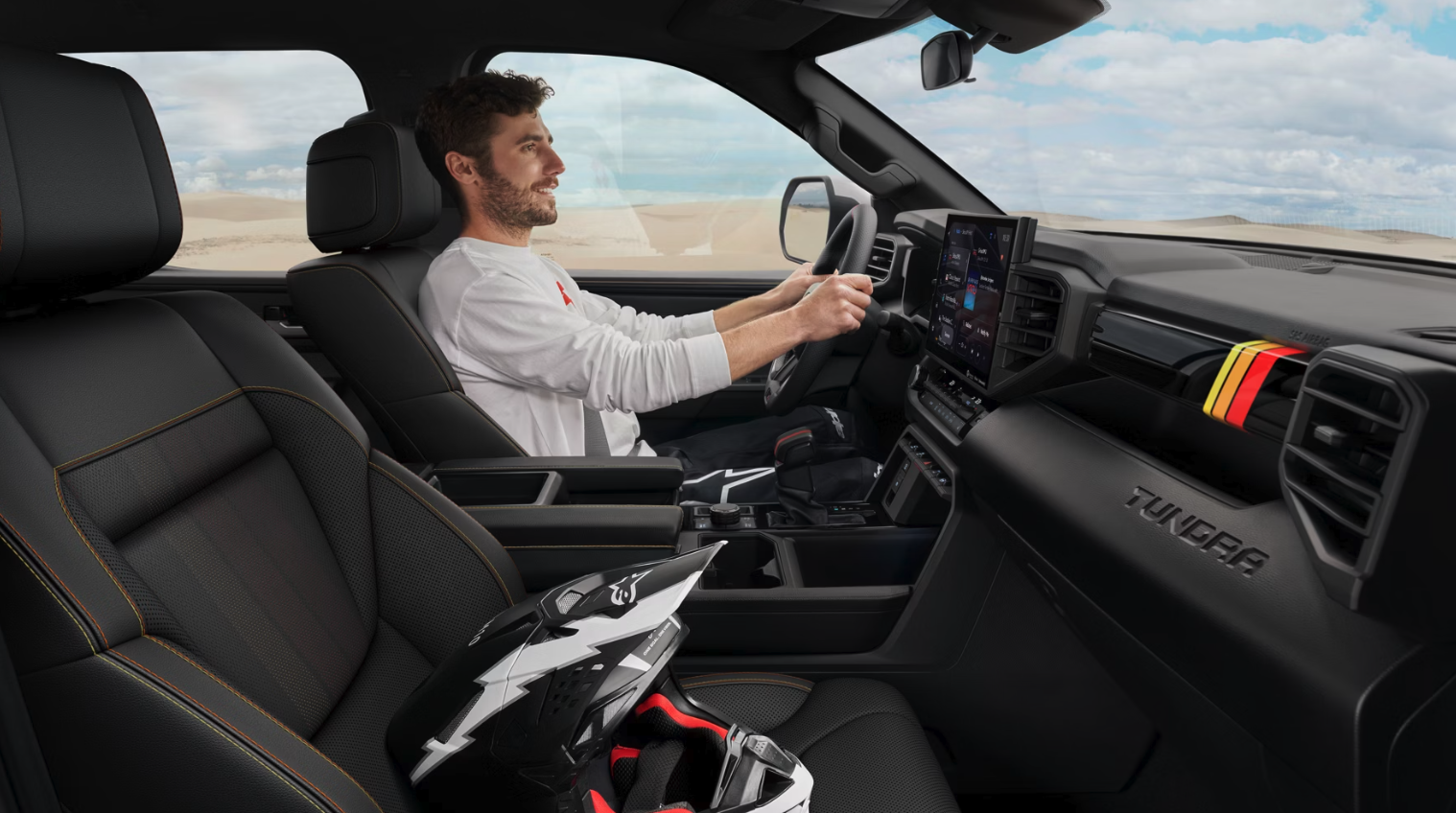
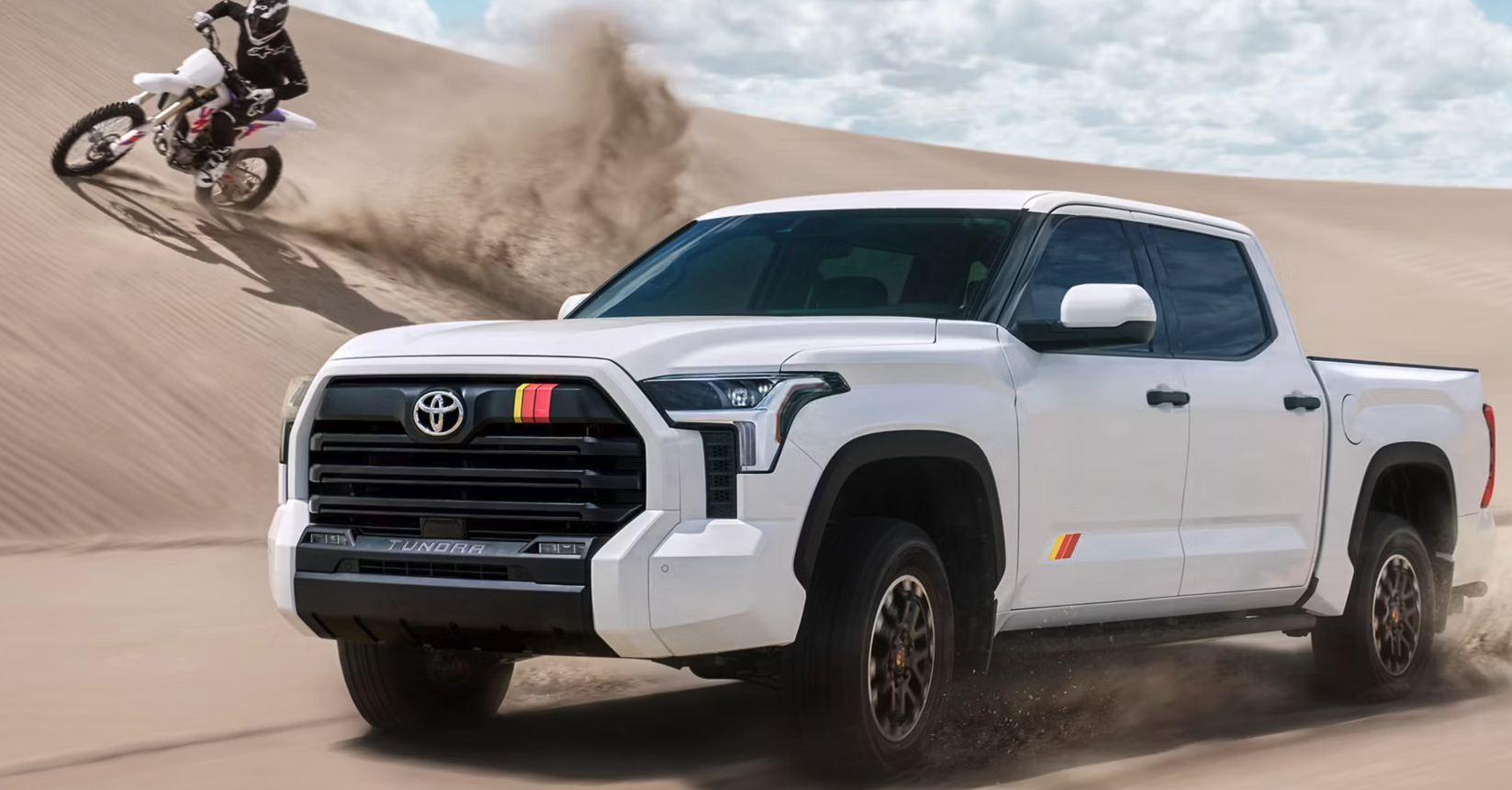
Tacoma is the easier truck to recommend for off-road and adventure buyers because Toyota builds the midsize platform around that identity extremely well. The Tacoma lineup supports trims like TRD Off-Road, Trailhunter, and TRD Pro, and Toyota’s 2026 materials continue to frame Tacoma as a truck with trail-conquering features and more specialized off-road personality. That matters for Cary or Chapel Hill buyers who want a truck for camping, trail access, backroad exploration, or overlanding-style weekends. Tacoma feels like the truck designed with that life in mind from the start.
Tundra can absolutely go off-road in TRD Pro form, but the bigger story for many buyers is work and full-size capability. Tundra is the easier recommendation for buyers who need a larger cabin, more towing headroom, and a truck that feels better suited to heavier work or long-distance towing. A Raleigh contractor or an Apex buyer towing regularly is usually better served by the Tundra lineup, especially when truck size is being used as a tool rather than just as a preference. That is the local fit difference. Tacoma wins when trail and everyday flexibility matter more. Tundra wins when work, towing, and full-size presence matter more.
| Buyer Profile | Primary Need | Recommended Truck | Why It Fits |
|---|---|---|---|
| Durham commuter with occasional truck needs | Easier parking and lower overall footprint | Tacoma SR5 or TRD Sport | Midsize size fits daily life better |
| Cary outdoor buyer | Trail capability and overlanding fit | Tacoma Trailhunter or TRD Pro | Stronger midsize off-road personality |
| RTP driver towing a boat or heavier trailer | More torque and towing confidence | Tundra Limited or i-FORCE MAX | Full-size towing headroom matters here |
| Raleigh contractor or work buyer | Bigger cab and heavier-duty utility | Tundra | Full-size truck scale is the cleaner answer |
| Chapel Hill buyer wanting one truck for daily life and weekend play | Balance, not overkill | Tacoma | Usually the better all-around personal-use truck |
| Apex buyer debating size step-up | Needs to know when extra cost is justified | Tundra only if towing, cabin size, or work demands are regular | Prevents overbuying full-size truck |
Based on Toyota official website, Toyota USA Newsroom, and Mark Jacobson Toyota model pages.
For Durham-area buyers, the best way to shop these trucks is to start with your real use case. If trail and lifestyle flexibility are at the top, Tacoma will usually surface fast. If towing, work, and cabin scale are at the top, Tundra will usually surface just as quickly. That is how Toyota has separated these trucks, and it is the cleanest way to compare them.
If you are comparing Tacoma and Tundra based on monthly payment, trade value, or whether the step up to a full-size truck is really worth it, we can help you work through that with real numbers. Our team can review your current vehicle through our trade tools, help you compare finance options, and show you where the differences in towing, trim, and overall truck size start to matter in real daily use. We serve Durham, Raleigh, Chapel Hill, Cary, and Apex drivers every day, and our Mark Says Yes! approach is built around helping people buy the Toyota truck that fits their actual routine. If you want to compare Tacoma and Tundra in one visit, call us at 919-493-5599 or stop by our showroom at 4516 Durham-Chapel Hill Blvd. We are here to make the truck decision easier and more practical.
Which Toyota Truck Matches Durham Commuters, Outdoor Drivers, and Work Buyers Best?
The smartest truck is the one that matches the way you actually live, not the one with the biggest spec headline.
We recommend Tacoma for most personal-use truck buyers because it covers the broadest range of lifestyles well. It works for commuting, camping, home projects, weekend adventures, and light-to-moderate towing without constantly reminding the driver that they bought a full-size pickup. That is why Tacoma fits so well for Durham commuters, Chapel Hill outdoor buyers, and drivers who want one truck for weekdays plus weekend play.
We recommend Tundra for buyers whose lifestyle or work really asks for more truck. If you tow heavier loads, need a bigger cab regularly, or use the truck as a serious work tool, then Tundra becomes the better answer quickly. For that kind of buyer, the extra size is not waste. It is the feature that keeps the truck from feeling underbuilt for the job.
For mixed personal use, Tacoma usually wins. For heavy towing, bigger-family truck use, or more serious work duty, Tundra usually earns the step up. That is the cleanest way to think about the comparison.
See Toyota Truck FeaturesWhen Tundra Is Worth the Step Up and When Tacoma Delivers Better Long-Term Value
Tundra is worth the step up when its extra truck capability solves real problems regularly. Tacoma delivers better long-term value when full-size strength would go underused.
We recommend thinking about value in three layers. First is purchase price. Second is fuel or day-to-day operating reality. Third is whether the truck’s extra size and capability are being used often enough to justify them. Tacoma often wins the cleaner total-cost case because it is easier to live with, easier to use daily, and still highly capable for many personal-use buyers. For a lot of households, that makes it the better long-term truck because it avoids overbuying size and towing capacity that never become part of the routine.
Tundra wins the long-term value argument when its full-size capability gets used consistently. If the truck will tow heavier trailers, carry more passengers more often, or serve work-truck duty with real regularity, then the bigger purchase can make more financial sense because it prevents compromise and under-capacity. In other words, Tacoma is the better value when less truck is enough. Tundra is the better value when buying less truck would force a second decision later.
We also remind buyers that ToyotaCare and our service team support help strengthen the ownership case for both trucks. The smartest truck is the one that still feels like the right tool after months of commuting, parking, loading, towing, and weekend use, not just the one that looked strongest on the first test drive.
- Choose Tacoma for the strongest all-around personal-use truck value case.
- Choose Tacoma i-FORCE MAX if you want more torque without moving to full-size.
- Choose Tundra only when full-size towing, cabin size, or work-truck needs are regular.
- Choose Tundra i-FORCE MAX when big torque and full-size capability are part of the reason you are shopping.
Key Takeaways
- Tacoma is the better fit for buyers who want a midsize truck with easier daily usability.
- Tundra is the better fit for buyers who truly need full-size towing, torque, and cabin scale.
- Tacoma i-FORCE MAX delivers 326 hp and 465 lb-ft, while Tundra i-FORCE MAX delivers 437 hp and 583 lb-ft.
- Tacoma tows up to 6,500 pounds, while Tundra can tow up to 12,000 pounds.
- For commuters and outdoor buyers, Tacoma is often the smarter long-term value.
- For heavy towing and work-truck use, Tundra is usually worth the step up.
2026 Toyota Tacoma vs Tundra FAQ for Durham Drivers
Should I buy the 2026 Tacoma or Tundra?
We recommend the 2026 Tacoma if you want a truck that is easier to drive and park every day, especially if your use includes commuting, weekend trails, home projects, and moderate towing. We recommend the 2026 Tundra if you need more cab room, more torque, and significantly more towing capability. For many Durham-area buyers, the right answer comes down to whether midsize capability is enough or whether full-size truck needs are already part of everyday life.
Is Tacoma or Tundra better for towing?
Tundra is better for towing because Toyota says it can tow up to 12,000 pounds in the right configuration, compared with up to 6,500 pounds for Tacoma. That puts Tundra in a different capability category for larger boats, trailers, and work-related hauling. Tacoma is still a strong tow vehicle for lighter needs, but Tundra is the better answer once the loads get meaningfully heavier.
Which Toyota truck is better for commuting in Durham?
For most Durham commuting situations, Tacoma is the better fit. Its midsize footprint makes it easier to park, easier to place in traffic, and easier to live with day to day. Tundra can still commute well, but it makes the most sense when the added size and capability are being used often enough to justify full-size truck ownership every day.
Is Tundra worth the extra size and price over Tacoma?
Tundra is worth the extra size and price when you regularly need more towing, more torque, more cabin room, or heavier-duty truck capability. If those needs are only occasional, Tacoma is often the smarter and easier truck to live with long term. The step up to Tundra is easiest to justify when the extra truck is solving a real recurring problem instead of just sounding better on paper.
We are here to help you choose the right Toyota truck at Mark Jacobson Toyota, 4516 Durham-Chapel Hill Blvd, Durham, NC 27707. Our team works with drivers from Durham, Raleigh, Chapel Hill, Cary, and Apex every day, and we know how often the right truck choice comes down to towing needs, daily-use size, off-road priorities, and long-term ownership value more than anything else. We can walk you through Tacoma and Tundra side by side, compare trims, review trade value and finance options, and help you test the truck that actually fits the way you drive. Our Mark Says Yes! approach is built around practical guidance and a shopping process that stays clear from start to finish. Call us at 919-493-5599, start online, or visit us in person so we can help you find the Toyota truck that makes sense for your life in the Triangle.
Connect with us


Recent Blog Entries
- 2026 Toyota Prius vs Prius Plug-in Hybrid: Which Saves You More in Durham?
- 2026 Toyota Sequoia: Power, Space, and Luxury for Durham Families
- 2026 Toyota Highlander vs Grand Highlander: Which Toyota SUV Fits Your Family?
- 2026 Toyota GR Corolla: Turbocharged Performance for Durham Drivers
- 2026 Toyota Grand Highlander Hybrid: The Family SUV Durham Parents Love