


Blog / Durham Toyota Service

How to Evaluate a Toyota Lease Offer in Durham, NC

2026 toyota rav4 exterior

Evaluating a Toyota lease offer in Durham comes down to five numbers: capitalized cost, residual value, money factor, lease term, and mileage allowance, plus a clear look at what fees are due at signing versus rolled into your monthly payment. At Mark Jacobson Toyota, we walk shoppers through these same five items every time we build a lease quote, because a low monthly payment can hide a high money factor or an unrealistic mileage limit just as easily as it can reflect a genuinely good deal. For a first-time lessee in Durham comparing offers from two dealerships, knowing what each number actually means is the difference between negotiating from strength and simply trusting the payment on the page.

A lease offer is not one number, it is a stack of smaller decisions: how much of the vehicle's price you are financing, what it is projected to be worth at lease-end, the rate you are charged on that difference, how long you commit to the term, and how many miles you are allowed to drive each year. Change any one of those inputs and the monthly payment moves, sometimes without changing whether the deal is actually good.

In this guide, we break down what makes up a lease payment, what to review before you sign, how mileage allowances should match your actual driving, the questions worth asking about any offer, and how to compare current Toyota lease opportunities here in Durham.

A Toyota lease offer is a financing structure in which a customer pays for the vehicle's projected depreciation over a set term rather than its full purchase price. It is designed to lower monthly payments compared to a traditional loan while limiting mileage and requiring the vehicle's return or purchase at lease-end. For drivers in Durham, Raleigh, Chapel Hill, Cary, and Apex, evaluating an offer means reviewing capitalized cost, residual value, money factor, term, mileage allowance, and fees together, not the payment alone.

What Makes Up a Toyota Lease Payment

A Toyota lease payment is built from five moving parts, capitalized cost, residual value, money factor, term, and mileage allowance, and changing any one of them changes the deal even if the monthly payment looks the same.

Capitalized Cost, Residual Value, Money Factor, and Lease Term

Capitalized cost is the negotiated price of the vehicle used to calculate your lease, similar to the purchase price in a traditional loan. Residual value is Toyota's projection of what the vehicle will be worth at the end of the lease term, and it is set by the manufacturer, not negotiated at the dealership. The gap between capitalized cost and residual value is the amount you are actually paying for over the lease, plus rent charges based on the money factor, which functions like an interest rate. Lease term is simply how many months the agreement runs, most commonly 24, 36, or 39 months on Toyota leases.

A Toyota lease payment is calculated from capitalized cost, residual value, money factor, and term, and Durham shoppers who understand these four inputs can spot a weak offer even when the advertised payment looks attractive. We recommend asking for the capitalized cost and residual value in writing before comparing any two lease offers, since a lower payment built on an inflated capitalized cost is not actually a better deal.

  • Ask for the capitalized cost in writing before comparing offers between dealerships.
  • Remember that residual value is set by Toyota Financial Services, not negotiated locally.
  • Treat the money factor as an interest rate, not a fee you can ignore.
  • Confirm the lease term matches how long you actually want to keep the vehicle.

For a Raleigh shopper comparing a 36-month lease quote against a 39-month quote on the same Camry trim, the lower monthly payment on the longer term does not necessarily mean the better deal, since more months of money factor charges can offset the smaller payment.

Read Our Lease vs Buy FAQ

How Money Factor Works Like an Interest Rate

Money factor is expressed as a small decimal, typically somewhere between 0.00100 and 0.00300 depending on credit, current promotions, and the model, and it functions the same way an interest rate does on a loan. Multiplying the money factor by 2,400 gives you a rough equivalent APR, which makes it easier to compare against a finance rate on the same vehicle. Because money factor is tied to credit approval and current manufacturer incentives, it can change between the time you first ask about a lease and the day you sign.

We recommend asking our finance team to show you the money factor separately from the payment, rather than accepting a bundled number, since a promotional money factor on one model may not carry over to a different trim or color you actually want.

How Lease Term Length Changes Your Payment

Shorter lease terms, like 24 months, generally carry higher monthly payments because the vehicle's depreciation is compressed into fewer months, but they also get you into a new lease sooner, which can matter if you want the latest Toyota Safety Sense updates or model-year changes. Longer terms, like 39 months, spread the same depreciation over more payments, lowering the monthly cost but extending your mileage commitment and the odds of paying for wear at lease-end.

For a Cary driver who trades vehicles every two to three years anyway, a shorter term can align naturally with that habit without changing much else about the deal. For a Durham family that prefers fewer transactions and does not mind driving the same vehicle a bit longer, a 39-month term on a lower-mileage lease often makes more sense.

What to Review Before Accepting a Lease Offer

Before accepting any Toyota lease offer, review it against a comparable finance offer and confirm every due-at-signing cost in writing, since the advertised payment rarely tells the whole story.

Lease vs finance comparison

Leasing and financing solve different problems, and the right structure depends on how long you plan to keep the vehicle and how many miles you drive. Leasing typically lowers the monthly payment and lets you drive a newer Toyota more often, but it comes with mileage limits and no equity at the end unless you buy the vehicle. Financing builds ownership and eventually eliminates the payment entirely, but usually carries a higher monthly cost while you are paying it off.

CriteriaLeasingFinancingBest For
Monthly PaymentTypically lowerTypically higherLeasing for lower monthly cost
Mileage LimitsYes, usually 10k-15k mi/yearNo limitFinancing for high-mileage drivers
Equity at EndNone unless you buy it outFull ownership once paid offFinancing for building equity
Wear and Tear RiskCharges possible at turn-inOnly matters at resaleFinancing for hard-use vehicles
Upfront CostsDue-at-signing fees applyDown payment optionalLeasing for lower upfront cash in some cases
Vehicle TurnoverEasy to change vehicles every few yearsRequires selling or tradingLeasing for frequent upgraders
Best ForDrivers who want lower payments and newer models oftenDrivers who want to build equity and drive high mileageMatches structure to driving habits

Based on standard Toyota Financial Services lease and finance structures; confirm current terms with our finance team.

We recommend leasing over financing when you drive fewer than 12,000 to 15,000 miles a year and prefer a lower payment on a newer Toyota every few years. We recommend financing over leasing when you drive high mileage, plan to keep the vehicle long term, or want to build equity toward a future trade or payoff.

Get Pre-Approved for Financing or Leasing

Due-at-Signing Costs, Taxes, Fees, and Monthly Payments

The monthly payment on a lease offer sheet only tells part of the story. Most Toyota leases include an acquisition fee charged by Toyota Financial Services, applicable state and local taxes, a first month's payment, and sometimes a security deposit or down payment, all due before you drive away. At lease-end, a disposition fee typically applies if you return the vehicle instead of buying it, and excess wear or mileage charges can apply if the vehicle falls outside normal guidelines.

Cost ItemWhen It's DueTypical Range
Acquisition FeeAt signingSet by Toyota Financial Services
First Month's PaymentAt signingEqual to one monthly payment
NC Sales TaxAt signing or spread monthlyVaries by lease structure
Security DepositAt signing (if required)Often waived with strong credit
Disposition FeeAt lease-end, if returning the vehicleSet by Toyota Financial Services
Excess Mileage FeeAt lease-end, if over the allowancePer-mile charge above your limit

Based on standard Toyota Financial Services lease terms; confirm exact figures with our finance team, since they can change with current promotions.

  • Ask for a full breakdown of due-at-signing costs before comparing monthly payments between offers.
  • Confirm whether NC sales tax is due upfront or spread across monthly payments.
  • Ask whether the acquisition fee is included in the capitalized cost or charged separately.
  • Ask about the disposition fee now, not at lease-end, so it is not a surprise.

For an Apex shopper comparing two offers with identical monthly payments, the one with lower due-at-signing costs is the better deal, all else being equal, since that cash difference is real money out of pocket on day one. We also recommend asking whether a down payment lowers your monthly payment meaningfully or simply reduces cash you would rather keep, since a large down payment on a lease does not build equity the way it would on a loan.

If you have a lease offer in hand, whether from us or another dealership, we would rather review it with you in person than have you guess which numbers matter. Our finance team at Mark Jacobson Toyota can break down the capitalized cost, money factor, and every due-at-signing fee on any offer sheet you bring in, and we can build a side-by-side comparison against financing the same vehicle. We also review current lease specials on RAV4, Camry, Corolla, and other popular models so you can see what is actually available right now rather than a generic advertised payment. Drivers from Durham, Raleigh, Chapel Hill, Cary, and Apex are welcome to call us at 919-493-5599 or stop by before signing anything. We want you to leave the conversation understanding every number on the page, not just the payment.

Visit Our Toyota Leasing Center

How Mileage Allowances Affect a Toyota Lease

The mileage allowance you choose changes both your monthly payment and your risk of excess-mileage charges at lease-end, so it should match your real annual driving, not a guess.

Choosing a Limit That Fits Durham and RTP Driving

Toyota leases typically offer 10,000, 12,000, or 15,000-mile annual allowances, and choosing the wrong one is one of the most common lease mistakes we see at our Durham showroom. A lower mileage allowance lowers your monthly payment because the vehicle is projected to depreciate less, but excess-mileage charges at lease-end, often 15 to 25 cents per mile, can erase that savings quickly if you underestimate your driving. A commute between Durham and Research Triangle Park, plus regular trips to Raleigh, Cary, or Apex, adds up faster than many first-time lessees expect.

Driving PatternRecommended AllowanceWhyBest For
Durham-only local driving10,000 mi/yearLowest payment for short, local tripsDrivers with minimal daily commute
Durham to RTP daily commute12,000 mi/yearCovers most weekday commuting patternsMost Triangle commuters
Durham to Raleigh or Cary commute15,000 mi/yearCovers longer daily commutes with bufferDrivers commuting outside Durham
Frequent weekend road trips15,000 mi/yearBuffer for Blue Ridge or coastal weekend tripsDrivers who travel often beyond the Triangle
Rideshare or delivery useFinancing instead of leasingHigh mileage typically exceeds any lease allowanceHigh-mileage commercial-style use
Best ForMatching allowance to actual annual mileage, not a guessAvoids excess-mileage charges at lease-endEvery Durham-area lessee

Based on standard Toyota Financial Services mileage tiers; confirm current per-mile overage rates with our finance team.

We recommend pulling your last few months of odometer readings before choosing a mileage tier, rather than estimating from memory, since most Durham-area drivers underestimate how often they actually drive to Raleigh, Cary, or Apex for work or errands.

See Current Lease Deals

If you are not sure which mileage allowance fits your driving, bring your last few odometer readings or your typical weekly routes and we will help you work through it in person at Mark Jacobson Toyota. Our team can compare 10,000, 12,000, and 15,000-mile allowances side by side on the same model so you can see the exact payment difference before you choose. We also keep an eye on Duke Offers, UNC Offers, and other regional programs that occasionally affect lease pricing for Triangle drivers. If you already have a lease ending soon, we can talk through your options for turning it in early, extending it, or moving into a new Toyota lease. Call us at 919-493-5599, review current lease specials on our website, or visit us at 4516 Durham-Chapel Hill Blvd so we can help you choose an allowance that actually fits your life.

See Your End-of-Lease Options

Questions to Ask About a Toyota Lease Offer

The questions you ask before signing a Toyota lease matter as much as the numbers on the offer sheet, especially around early termination, wear guidelines, and lease-end purchase options.

Early termination is one of the more expensive surprises in leasing. If your circumstances change and you need to end a lease early, most agreements require paying the difference between remaining payments and the vehicle's current value, which can be a meaningful amount partway through a term. We recommend asking directly what early termination would cost at six, twelve, and twenty-four months into the lease, since the answer varies by how much depreciation has already occurred. Some Toyota lease agreements also allow a transfer to another driver in certain states, though North Carolina leases do not always support this, so we recommend confirming that option specifically rather than assuming it exists.

Wear guidelines matter more than most first-time lessees expect. Toyota Financial Services allows for normal wear, but tears in upholstery, cracked windshields, or curb-damaged wheels can trigger charges at turn-in. For a Raleigh driver returning a lease for the first time, we recommend asking for a written copy of the wear-and-use guidelines rather than assuming "normal wear" matches your own definition. It also helps to schedule a pre-inspection through our service department a few months before turn-in, so any repairable issues can be addressed before Toyota's official inspection rather than after.

Finally, ask about the lease-end purchase option, sometimes called the buyout price, which is generally the residual value plus a purchase fee. For a Chapel Hill family that has grown attached to their leased RAV4 or Highlander, knowing this number in advance, not at the final month, makes the decision to buy or return the vehicle much easier to plan around financially. If the vehicle's market value has risen above the residual value, buying it out can sometimes be the better financial move compared with leasing a new model.

Compare Toyota Lease Opportunities in Durham

The best way to evaluate a Toyota lease offer is to compare it against a second offer on the same model, not against a general sense of what a payment "should" cost.

Lease pricing on models like the RAV4, Camry, Corolla, and Highlander changes with manufacturer incentives, regional promotions, and current inventory, which means the best deal this month may not be the best deal next month. We recommend asking for a written offer with capitalized cost, money factor, residual value, term, and mileage allowance clearly separated, then comparing that same structure against a second quote before deciding. It also helps to ask whether the offer reflects a specific in-stock vehicle or a general estimate, since pricing on a special-order unit can shift once it actually arrives.

  • Compare identical trims and mileage allowances between offers, not just the bottom-line payment.
  • Ask whether current incentives, like Duke Offers or UNC Offers, apply to your lease.
  • Confirm the offer's expiration date, since lease pricing on a given model can change monthly.
  • Ask whether a specific in-stock vehicle or a general estimate is behind the numbers you were quoted.

For a Durham household choosing between leasing a Camry for daily commuting and leasing a RAV4 for more cargo flexibility, we recommend comparing both on the same term and mileage allowance so the comparison reflects the vehicles themselves, not mismatched lease structures. That same approach works whether you are comparing two Toyota models against each other or comparing our offer against a quote from another dealership.

Browse Current RAV4 Lease Inventory

Key Takeaways

  • A Toyota lease payment is built from capitalized cost, residual value, money factor, and term.
  • Money factor functions like an interest rate; multiply it by 2,400 for a rough APR comparison.
  • We recommend matching your mileage allowance to actual driving, not a guess, to avoid overage fees.
  • Due-at-signing costs and disposition fees should be reviewed separately from the monthly payment.
  • Ask about early termination cost and wear guidelines before signing, not after.

Toyota Lease FAQ for Durham Shoppers

What is a good money factor on a Toyota lease?

A competitive money factor typically falls between about 0.00100 and 0.00200, depending on credit approval and current manufacturer incentives, though promotional rates on specific models can go lower. We recommend multiplying any quoted money factor by 2,400 to get a rough equivalent APR, which makes it easier to compare against a finance rate on the same Toyota. For a Durham shopper with strong credit, we recommend asking directly whether a lower promotional money factor is available on the trim you want, since it is not always advertised.

What fees are due at signing on a Toyota lease?

Most Toyota leases include an acquisition fee, applicable NC sales tax, the first month's payment, and sometimes a security deposit, all due before you drive away. We recommend asking for a full written breakdown of these costs before comparing offers, since two leases with identical monthly payments can have very different due-at-signing totals. For a Cary shopper comparing quotes from two dealerships, that upfront number often matters as much as the monthly payment.

How does mileage allowance affect a Toyota lease payment?

A lower mileage allowance, like 10,000 miles a year, generally lowers your monthly payment because the vehicle is projected to depreciate less over the term. A higher allowance, like 15,000 miles, raises the payment slightly but protects you from excess-mileage charges at lease-end. We recommend reviewing your actual annual mileage from a recent odometer reading before choosing, since a Durham to RTP commute alone can approach 12,000 miles a year for many drivers.

Can I end a Toyota lease early?

Yes, but early termination usually requires paying the difference between your remaining payments and the vehicle's current value, which can be costly partway through a term. We recommend asking about early termination costs at the time you sign, not after your circumstances change, so you know the real cost before it becomes relevant.

We are here to help you evaluate any Toyota lease offer at Mark Jacobson Toyota, 4516 Durham-Chapel Hill Blvd, Durham, NC 27707. Our finance team works with drivers across Durham, Raleigh, Chapel Hill, Cary, and Apex who want a clear breakdown of capitalized cost, money factor, mileage allowance, and fees before they sign anything. We can review an offer you already have, build a comparable finance quote, or walk you through current lease specials on RAV4, Camry, Corolla, and other popular Toyota models. As part of our Mark Says Yes! approach, we would rather explain every number than let a low advertised payment speak for itself. Call us at 919-493-5599, review current lease deals on our website, or visit our Durham showroom so we can help you lease with confidence.

Related Articles

Keep reading more Toyota buying guides, financing tips, and ownership advice from Mark Jacobson Toyota.

Buying Guide

Toyota Car Buying Checklist for Triangle College Graduates

If you are new to leasing or financing, this checklist walks through the basics before your first Toyota purchase.

Read More

Hybrid Guide

2026 Toyota Camry Hybrid MPG and Commute Guide for RTP Drivers

Thinking about leasing a Camry Hybrid for your commute? See real MPG expectations for Durham and RTP driving.

Read More

Family SUV Guide

2026 Toyota Highlander vs Grand Highlander: Which Toyota SUV Fits Your Family?

Deciding what to lease? Compare these two family SUVs before you settle on a model and trim.

Read More

Adventure SUV Guide

2026 Toyota Land Cruiser Hybrid: Mountain Trip and Adventure Guide for Durham Drivers

Considering leasing a Land Cruiser? See trims, hybrid ownership, and mileage needs for mountain and lake trips.
Read More

Posted in:

Related Posts

Toyota A/C Service & Repair Guide for Durham Summer Driving

2026 Toyota Camry Hybrid MPG and Commute Guide for RTP Drivers

The 2026 Toyota Camry Hybrid is a strong fit for RTP commuters because it combines an all-hybrid powertrain, up to 51 combined EPA-estimated MPG, comfortable midsize sedan space, Toyota Safety Sense 3.0, and available Electronic On-Demand All-Wheel Drive for Triangle rain. At Mark Jacobson Toyota, we recommend it for Durham professionals who want fewer fuel stops on I-40, a quieter daily commute, and sedan comfort without moving into an SUV. For a driver commuting from Durham to Research Triangle Park five days a week, Camry Hybrid efficiency can make every workday feel easier. The 2026 Camry is different from older Camry lineups because every trim now uses hybrid power. That matters for commuters because shoppers no longer need to choose between a gas Camry and a Camry Hybrid. Instead, the decision becomes which hybrid trim, drivetrain, and comfort level fits the route. LE gives the strongest efficiency focus, SE and Nightshade add sportier design, and XLE or XSE add more premium comfort for longer drive weeks. We built this guide for RTP professionals, Raleigh commuters, Chapel Hill faculty, Cary hybrid shoppers, and Apex drivers who want a practical sedan that can handle work traffic, weekend errands, and long-term service planning. You will see how MPG, AWD, safety technology, ToyotaCare, trim choice, and commute mileage should shape the way you choose your next Camry. View 2026 Camry Details Definition: The 2026 Toyota Camry Hybrid is a midsize sedan with an all-hybrid powertrain, strong fuel economy, and available all-wheel drive. It is designed for drivers who want daily comfort and efficient commuting. For drivers in Durham, RTP, Raleigh, Chapel Hill, Cary, and Apex, it supports long weekday routes and Triangle traffic. Table of Contents Why the 2026 Camry Hybrid Fits I-40 and RTP Commutes MPG, Fuel Stops, and Daily Driving Comfort Hybrid Power Delivery, Regenerative Braking, and Traffic Flow Sedan Size, Parking, Cabin Comfort, and Tech for Long Commute Weeks AWD Availability, Safety Tech, and Driver Assistance FWD vs Electronic On-Demand AWD Comparison LE, SE, Nightshade, XLE, and XSE Commuter Use Cases Ownership Support, ToyotaCare, and Service Planning Commute Mileage, Tire Rotations, Hybrid Maintenance, and Service Timing Ownership Cost Analysis: How RTP Commute Patterns Change Camry Hybrid Value Local Driving Insight: When AWD Makes Sense for Triangle Rain Key Takeaways 2026 Toyota Camry Hybrid RTP Commute FAQ Why the 2026 Camry Hybrid Fits I-40 and RTP Commutes The 2026 Camry Hybrid fits RTP commuting because it turns every trim into a fuel-efficient sedan with daily comfort, useful power, and Toyota safety technology for long workweeks. MPG, Fuel Stops, and Daily Driving Comfort The biggest commuter advantage is fuel economy. Toyota lists the 2026 Camry with an all-hybrid powertrain and up to 51 combined EPA-estimated MPG, while FuelEconomy.gov lists 2026 Camry HEV configurations across front-wheel-drive and all-wheel-drive variants. That matters for RTP drivers because a weekly I-40 commute can quickly turn fuel stops into part of the work routine. The 2026 Toyota Camry Hybrid delivers up to 51 combined EPA-estimated MPG, which makes it one of the strongest midsize sedan choices for RTP commuting. We recommend the Camry Hybrid LE for Durham professionals who want the highest efficiency focus and a calm daily drive. For shoppers who want more design personality while keeping hybrid efficiency, we recommend comparing SE and Nightshade next. For a Durham professional driving to Research Triangle Park five days a week, fewer fuel stops are only one part of the value. The Camry also gives a lower seating position than most SUVs, smooth hybrid power delivery, and a cabin that feels right for longer workweeks. That mix is why many commuters still prefer a midsize sedan over a compact crossover. If your top priority is MPG, we recommend starting with Camry Hybrid LE. If you want sportier styling without giving up hybrid efficiency, we recommend Camry Hybrid SE or Nightshade. If you spend longer stretches on I-40, we recommend comparing XLE and XSE for added comfort features. If Triangle rain affects your confidence, we recommend checking available Electronic On-Demand AWD. Commute Factor 2026 Toyota Camry Hybrid Benefit Why It Matters for RTP Drivers Best For Fuel economy Up to 51 combined EPA-estimated MPG Helps reduce fuel-stop frequency during weekly commuting Durham to RTP professionals Powertrain All-hybrid lineup Every trim gives hybrid efficiency without a separate powertrain decision Shoppers who want a simple Camry choice Available power Up to 232 net combined hp with available AWD Supports confident merging and passing on I-40 Commuters who want efficiency and response Drivetrain choice FWD or available Electronic On-Demand AWD Lets drivers choose lower-complexity efficiency or added traction confidence Triangle rain and suburban routes Safety technology Toyota Safety Sense 3.0 Supports driver assistance during heavy commute traffic RTP and Raleigh commuters Ideal Use Case Efficient midsize hybrid sedan Balances comfort, MPG, and daily usability Drivers with repeated weekday routes Based on Toyota official website. Compare Available Camry Models Hybrid Power Delivery, Regenerative Braking, and Traffic Flow Hybrid driving feels especially useful in traffic because the system can blend gas and electric power smoothly while the vehicle moves through changing speeds. For Raleigh commuters who spend part of the morning in I-40 congestion, the Camry Hybrid powertrain supports a calmer driving feel than a traditional gas-only sedan. It is not just about the MPG number. It is also about how the vehicle manages low-speed movement, starts, stops, and acceleration. Regenerative braking is another reason the Camry Hybrid feels natural in commute traffic. The system helps recover energy during deceleration, which pairs well with daily stop-and-go patterns around RTP, NC-147, and downtown Durham. Our sales team explains this during test drives because many shoppers feel the difference before they know the technical reason behind it. For a Raleigh commuter who wants smoother behavior in traffic without switching to a plug-in vehicle, we recommend the Camry Hybrid because there is no charging routine. You drive, refuel, and let the hybrid system manage the power flow automatically. That simplicity is one of the strongest commuter advantages. Sedan Size, Parking, Cabin Comfort, and Tech for Long Commute Weeks The Camry Hybrid also works well because it gives commuters midsize comfort without the bulk of a larger SUV. A Chapel Hill faculty member driving US-15/501 and parking near campus may value the Camry’s lower profile, five-passenger cabin, and available technology because the car feels easy to place and comfortable enough for long weeks. For many Triangle drivers, that balance is more useful than maximum cargo height. Available features such as a 12.3-inch digital gauge cluster, available Head-Up Display, and Toyota Audio Multimedia can make repeated routes feel more organized. These features matter most for drivers who spend enough time in the car to notice small comfort and information-display differences every day. We recommend XLE or XSE for shoppers who want a more premium commute experience. What we see here in Durham is that Camry Hybrid shoppers often compare it with Corolla Hybrid, Prius, RAV4 Hybrid, and Crown. Camry sits in the middle as the commuter sedan with more room than compact options, easier daily handling than many SUVs, and a familiar midsize feel that works for both workdays and weekend errands. AWD Availability, Safety Tech, and Driver Assistance Available Electronic On-Demand AWD is most useful for Camry Hybrid drivers who want extra traction confidence in Triangle rain without moving away from sedan efficiency. FWD vs Electronic On-Demand AWD Comparison The Camry Hybrid decision often starts with front-wheel drive versus available Electronic On-Demand All-Wheel Drive. FWD gives the cleanest efficiency-focused setup for drivers who want maximum MPG and a simpler ownership path. AWD adds traction confidence by using an electric motor to help power the rear wheels when conditions call for it. We recommend FWD for commuters who drive mostly predictable paved routes and want the highest efficiency focus. We recommend available AWD for Cary and Apex drivers who deal with wet neighborhood roads, early-morning Triangle rain, or hilly routes where added traction confidence feels worthwhile. The decision is not about one drivetrain being better for everyone. It is about matching the drivetrain to the commute. Comparison Point Camry Hybrid FWD Camry Hybrid Electronic On-Demand AWD Best For Primary advantage Highest efficiency focus Added traction confidence Choose based on route and weather confidence MPG priority Best fit when MPG is the top goal Still efficient, with some MPG tradeoff by trim FWD for fuel-focused RTP commuters Rain confidence Good for normal paved commuting Stronger fit for wet roads and traction concerns AWD for Triangle rain and suburban hills Power feel Up to 225 net combined hp Up to 232 net combined hp AWD for shoppers wanting the stronger configuration Ownership simplicity Simpler drivetrain choice More hardware and added traction capability FWD for straightforward commuter value Ideal Use Case Durham to RTP daily commuter focused on MPG Cary or Apex driver wanting wet-road confidence Match drivetrain to daily roads and budget Based on Toyota official website. The best drivetrain for a 2026 Toyota Camry Hybrid depends on how much you value efficiency versus traction confidence. We recommend FWD for RTP commuters who want the strongest MPG focus and mostly drive predictable routes. We recommend Electronic On-Demand AWD for Triangle drivers who want added confidence during rain, especially if they regularly drive through Cary, Apex, Chapel Hill hills, or early-morning wet roads. Ask About Camry AWD LE, SE, Nightshade, XLE, and XSE Commuter Use Cases Trim choice should follow the way the car will be used every week. Our customers who drive the Camry Hybrid for commuting often ask whether they should prioritize MPG, style, comfort, or tech. We recommend starting with your route, then matching the trim to what you will notice most often. If you are a Durham RTP professional driving I-40 daily, we recommend Camry Hybrid LE because it places efficiency and value first. If you are an Apex driver who wants a sportier look without losing hybrid commuting logic, we recommend Camry Hybrid SE or Nightshade because the design feels more expressive while staying practical. If you are a Chapel Hill faculty member spending long weeks between campus, Durham, and Raleigh, we recommend XLE because comfort and available tech become more noticeable over time. If you are a Cary shopper who wants sportier styling and available premium features, we recommend XSE because it gives the Camry a more upscale and energetic personality. For most RTP commuters, the Camry Hybrid LE or SE is the strongest starting point because those trims keep the value and efficiency story clear. For drivers who spend more time in the cabin or want a more refined daily feel, XLE and XSE are worth comparing. Nightshade fits shoppers who want a distinctive look without turning the Camry decision into a luxury-sedan purchase. Visit Us to Compare Camry Hybrid Trims If you are comparing Camry Hybrid trims, we recommend visiting our Durham showroom so we can help you test drive the configurations that match your commute instead of choosing from specs alone. Our team can walk you through LE, SE, Nightshade, XLE, and XSE, then help you compare FWD and available Electronic On-Demand AWD based on your route, parking, and comfort priorities. We can also help you review current vehicle availability through https://www.markjacobsontoyota.com/searchnew.aspx and talk through payment options before you decide. If you commute to RTP, Raleigh, Chapel Hill, Cary, or Apex, we can help you connect each trim to the way you actually drive every week. Call us at 919-493-5599 or visit us on Durham-Chapel Hill Blvd so we can help you choose the Camry Hybrid that fits your routine. Schedule a Camry Test Drive Ownership Support, ToyotaCare, and Service Planning RTP commuters should think about Camry Hybrid ownership as a weekly-mileage plan that includes ToyotaCare, tire rotations, inspections, and service timing. Commute Mileage, Tire Rotations, Hybrid Maintenance, and Service Timing An RTP commute can add miles quickly. A driver going from Durham to Research Triangle Park five days a week may not feel the mileage day by day, but the service schedule arrives faster than it does for a weekend-only vehicle. That is why we recommend thinking about the Camry Hybrid as both a fuel-saver and a vehicle that deserves consistent maintenance planning. ToyotaCare gives new Toyota owners a strong starting point because it includes scheduled maintenance for a set time and mileage period, plus roadside assistance. For a high-mileage RTP commuter, that support is useful because tire rotations, inspections, and scheduled service can be planned around work routines instead of handled only when something feels wrong. Our service team helps Camry Hybrid owners keep that schedule clear. For Durham and Raleigh drivers, service planning should also account for Triangle rain, potholes, I-40 construction zones, and heavy stop-and-go traffic. Tires, brakes, alignment, wiper blades, filters, and hybrid-system confidence all matter when the same route repeats every week. We recommend scheduling early when warning lights appear, ride feel changes, or tire wear starts to look uneven. Local Driver Profile Commute or Ownership Need Recommended Camry Hybrid Support Ideal Use Case Durham RTP commuter High weekly mileage and fuel savings Camry Hybrid LE or SE plus ToyotaCare planning Efficient daily work route Raleigh commuter Stop-and-go traffic comfort Hybrid powertrain, Toyota Safety Sense 3.0, scheduled inspections Traffic-heavy weekday driving Chapel Hill faculty member Longer routes and campus parking Camry Hybrid XLE or XSE with comfort and tech features Premium-feeling commuter sedan Cary hybrid shopper Wet-road confidence and suburban routes Available Electronic On-Demand AWD Rainy Triangle mornings Apex road-trip driver Commute plus weekend travel Camry Hybrid SE, XLE, or XSE with service planning One sedan for workweeks and weekend miles Ideal Use Case Repeated weekly mileage Hybrid efficiency plus consistent Toyota service Drivers who want predictable ownership Based on Toyota official website. For RTP commuters, the best Camry Hybrid ownership plan is to pair high MPG with consistent service timing. We recommend using ToyotaCare, tire rotations, multi-point inspections, and filter checks to keep the car ready for weekly mileage. That approach is especially useful for drivers who rely on one vehicle for work, errands, and weekend travel around the Triangle. Schedule Camry Service Plan Camry Hybrid Ownership With Our Team If you already own a Camry Hybrid or are planning to buy one, we recommend building your service plan with our team from the start. Our service center can help you schedule maintenance through https://www.markjacobsontoyota.com/schedule-service.html, review ToyotaCare timing, and keep tire rotations, inspections, filters, and hybrid-related service questions organized around your commute. We also help shoppers compare Camry Hybrid with Corolla Hybrid, Prius, RAV4 Hybrid, and Crown if they are still deciding which Toyota fits their daily mileage best. Our Mark Says Yes! approach is built around practical guidance for Durham, Raleigh, Chapel Hill, Cary, and Apex drivers. Call us at 919-493-5599, visit our service center, or talk with our sales team so we can help you plan both the purchase and the ownership routine. Get Pre-Approved for Camry Ownership Cost Analysis: How RTP Commute Patterns Change Camry Hybrid Value Camry Hybrid value becomes stronger when a driver repeats the same commute often enough for fuel savings, comfort, and service planning to matter every week. A short test drive can show how the Camry Hybrid feels, but the real value appears during repeated weekday routes. An RTP professional who drives from Durham to work five days a week may care about fuel cost, seat comfort, tire wear, cabin quietness, and service timing more than a driver who only takes short weekend trips. That is why we recommend evaluating Camry Hybrid ownership by weekly mileage, not only by monthly payment. The Camry Hybrid is also useful because it does not ask drivers to add charging to their schedule. Compared with Prius Plug-in Hybrid or other plug-in options, Camry Hybrid keeps the ownership routine simple. You refuel with regular gasoline, follow Toyota service timing, and let the hybrid system manage efficiency automatically. For a high-mileage RTP commuter, we recommend comparing Camry Hybrid LE, SE, and XLE first because each trim solves a different cost question. LE makes the strongest efficiency case. SE adds a sportier daily feel. XLE adds comfort that can matter more when the car becomes your weekday office between meetings, errands, and family responsibilities. Local Driving Insight: When AWD Makes Sense for Triangle Rain AWD makes the most sense for Camry Hybrid drivers who value wet-road confidence more than the absolute highest MPG configuration. Not every Triangle driver needs AWD, but some shoppers will appreciate the added confidence. Cary and Apex drivers who leave early on wet suburban roads may find available Electronic On-Demand AWD reassuring. Chapel Hill drivers who deal with hills, curves, and rainy mornings may also prefer the added traction support. We recommend thinking of AWD as a confidence feature rather than a requirement. FWD is still the right choice for many Durham to RTP commuters because it keeps the efficiency story clean. AWD becomes more attractive when weather, road slope, neighborhood routes, or personal comfort make traction support worth the MPG tradeoff. If your route is mostly I-40 and paved main roads, we recommend starting with FWD for efficiency. If your neighborhood roads get slick during summer rain, we recommend comparing AWD during a test drive. If you drive between Chapel Hill and Durham during early mornings, we recommend considering AWD for added confidence. If your top priority is the strongest MPG number, we recommend keeping FWD high on the list. For most RTP commuters, FWD is the clean commuter value. For Triangle drivers who place confidence in rain above maximum MPG, available AWD is worth a closer look. Key Takeaways The 2026 Camry uses an all-hybrid powertrain across the lineup. Camry offers up to 51 combined EPA-estimated MPG for efficiency-focused commuters. Available Electronic On-Demand AWD adds confidence for Triangle rain and wet roads. LE is the cleanest commuter value, while XLE and XSE add more comfort and tech. RTP commuters should pair hybrid efficiency with ToyotaCare and consistent service timing. 2026 Toyota Camry Hybrid RTP Commute FAQ Is the 2026 Toyota Camry Hybrid good for RTP commuting? The 2026 Toyota Camry Hybrid is a strong fit for RTP commuting because every trim uses hybrid power and Toyota lists up to 51 combined EPA-estimated MPG. We recommend it for Durham professionals who want fewer fuel stops, midsize comfort, Toyota Safety Sense 3.0, and a simple no-charging ownership routine. For a driver using I-40 every weekday, the Camry Hybrid gives the right mix of efficiency, comfort, and familiar sedan handling. What MPG does the 2026 Toyota Camry Hybrid get? Toyota lists the 2026 Camry with up to 51 combined EPA-estimated MPG, depending on trim and drivetrain. FuelEconomy.gov also lists multiple 2026 Camry HEV front-wheel-drive and all-wheel-drive configurations, so the exact rating depends on the model selected. We recommend starting with LE if the highest MPG figure is your top priority. If you want sportier design or more comfort, SE, Nightshade, XLE, and XSE may be worth the MPG tradeoff. Should I choose FWD or AWD for a Camry Hybrid in Durham? We recommend FWD for most Durham to RTP commuters who want the strongest efficiency focus and mostly drive paved main routes. We recommend available Electronic On-Demand AWD for drivers who want extra traction confidence during Triangle rain, early-morning commutes, or wet neighborhood roads in Cary, Apex, or Chapel Hill. The right choice depends on whether you value maximum MPG or added weather confidence more in your daily routine. Which Camry Hybrid trim is best for commuters? We recommend Camry Hybrid LE for commuters who want the clearest fuel-efficiency value. We recommend SE or Nightshade for drivers who want sportier styling while keeping hybrid practicality. We recommend XLE for commuters who want a more comfort-focused cabin, and XSE for shoppers who want a more expressive premium feel. For RTP drivers, the best trim is the one that matches weekly mileage, comfort needs, and budget. Related Articles Keep reading more Toyota hybrid guides, commute advice, and ownership tips from our Durham team. Hybrid Guide 2026 Toyota Prius vs Prius Plug-in Hybrid: Which Saves You More in Durham? Compare Toyota hybrid and plug-in hybrid choices for charging access, MPG, commuter routine, and ownership fit. Read More SUV Comparison 2026 Toyota Highlander vs Grand Highlander: Which Toyota SUV Fits Your Family? See how Toyota three-row SUVs compare for passenger space, cargo room, MPG, towing, and Triangle family routines. Read More Service Guide Toyota A/C Service & Repair Guide for Durham Summer Driving Understand weak cooling, odors, airflow concerns, cabin filter checks, and summer service timing for Toyota owners. Read More

Comprehensive Winter Readiness: Battery and Tire Essentials for Durham Toyota Drivers

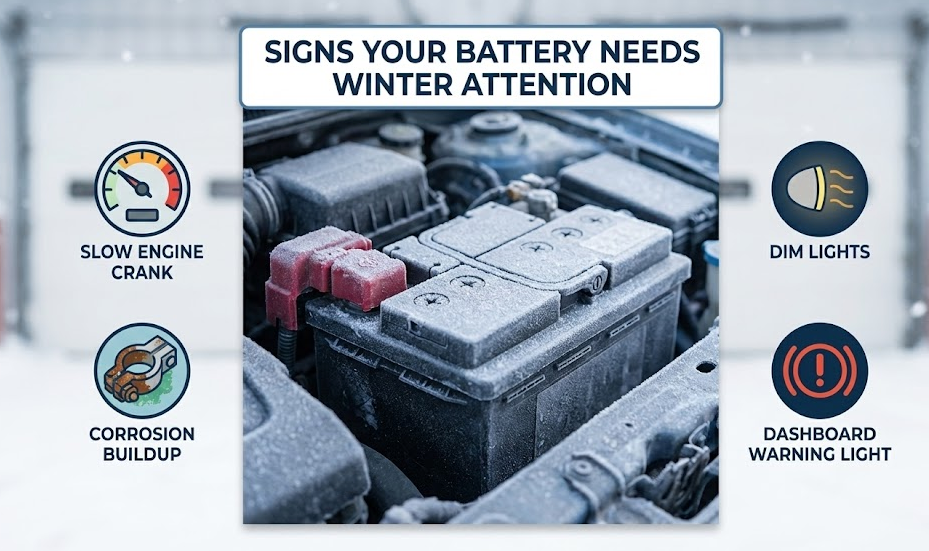
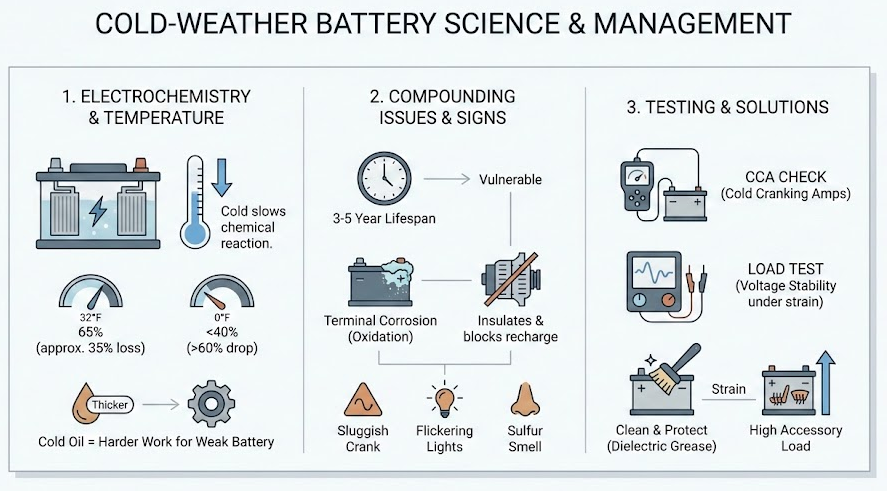
While Durham may not experience the arctic blizzards of the north, our winters bring their own set of challenges for vehicle owners. The fluctuating temperatures, freezing rain, and frosty mornings on Chapel Hill Blvd can take a significant toll on your Toyota’s health. The two components most susceptible to these seasonal shifts are your vehicle’s battery and tires. A sudden drop in temperature can turn a weak battery into a dead one overnight, and cold air can drastically affect tire pressure and traction. Protecting your investment and ensuring your safety starts with proactive maintenance. In this article, we cover the essential battery and tire checks every Durham driver should perform this January to ensure total reliability on the road. The Science of Cold-Weather Battery Degradation and Power Management The reason your Toyota might struggle to roar to life on a frosty January morning in Durham is rooted in the complex electrochemistry of the lead-acid battery. Inside your 12-volt battery, a chemical reaction between lead plates and an electrolyte solution produces the electrical energy required to engage the starter motor. However, as ambient temperatures drop toward the freezing point, these chemical reactions naturally decelerate. Scientific data indicates that at 32°F, a standard automotive battery loses approximately 35% of its cranking power, and if the temperature drops to 0°F, that efficiency can plummet by over 60%. Compounding this issue is the fact that cold engine oil becomes thicker and more viscous, meaning the battery must actually work harder to turn the engine over precisely when it is at its weakest. If your battery is reaching the end of its typical three-to-five-year lifespan, this reduction in capacity becomes the primary cause of roadside breakdowns. Beyond the internal chemistry, winter air in North Carolina is often humid, which can accelerate the accumulation of oxidation on battery terminals. This oxidation acts as an insulator, creating electrical resistance that prevents the alternator from effectively recharging the battery during your commute. Drivers should be vigilant for warning signs such as a "sluggish" engine crank, flickering dashboard lights during startup, or a strange sulfur-like smell under the hood. Ignoring these symptoms in milder weather might be a manageable risk, but the harsh reality of a Durham winter exposes these vulnerabilities without mercy. By understanding that your battery is a living chemical component, you can appreciate why a seasonal health check is not just a suggestion but a necessity for modern vehicle reliability. At Mark Jacobson Toyota, we utilize advanced diagnostic equipment to measure the "Cold Cranking Amps" (CCA) currently available in your unit, providing a clear picture of whether your battery will survive the next cold snap or if a replacement is the only way to ensure you aren't stranded. Understanding Terminal Corrosion and Voltage Stability Under Load Corrosion is the silent enemy of battery longevity, appearing as a crusty white or bluish-green powder around the metal terminals. This substance is a byproduct of hydrogen gas being released from the battery acid, which then reacts with the metal of the terminals. Even a small amount of buildup can significantly impede the flow of electricity, making it nearly impossible for the battery to deliver the high amperage required for a cold start. Furthermore, voltage stability is often compromised during the winter months because drivers tend to use more high-draw accessories simultaneously, such as heated seats, window defrosters, and powerful heater fans. This increased electrical load places a massive strain on an already struggling battery. A professional load test is the only definitive way to measure health; it involves applying a controlled electrical draw to the battery to see how well it maintains its voltage over time. If the voltage drops too low during this simulation, it indicates that the internal plates are likely sulfated or damaged. Cleaning the terminals with a specialized neutralizing solution and applying a protective dielectric grease can prevent future buildup, ensuring that every bit of power generated by the alternator successfully reaches the battery and the starter motor throughout the season. Maximizing Tire Performance and Safety on Slick North Carolina Roadways Tires represent the only physical point of contact between your Toyota and the pavement, making them the most critical safety feature of your vehicle during inclement weather. In Durham, the winter climate is characterized by rapid temperature swings, which directly impact the physics of tire inflation. For every 10-degree Fahrenheit drop in temperature, your tires will lose approximately one pound per square inch (PSI) of pressure. While a 1-to-2 PSI drop might seem negligible, a sudden cold front can leave your tires significantly underinflated, which increases the tire's "footprint" in a way that generates excessive heat and compromises structural integrity. Underinflated tires also suffer from reduced lateral stability, meaning your car may feel "mushy" or unresponsive when navigating the sharp curves of NC-147 or turning onto the Durham Freeway. Furthermore, tread depth is the deciding factor in whether your vehicle can successfully channel away water and slush to maintain a grip on the asphalt. Without sufficient tread, a phenomenon known as hydroplaning occurs, where a thin layer of water builds up between the tire and the road, effectively turning your vehicle into a sled. In North Carolina, where freezing rain often creates a deceptive layer of "black ice," having tires with deep, healthy grooves is the difference between stopping safely and sliding into an intersection. Beyond just pressure and tread, the rubber compound itself reacts to the cold; standard all-season tires begin to harden as temperatures dip below 45°F, which reduces their ability to "grip" the road surface. Regular rotations are also paramount during this time of year. Because the front tires of most Toyota vehicles handle the majority of braking and steering forces, they wear at a much faster rate than the rears. By rotating your tires every 5,000 miles, you ensure that the tread wears evenly across all four corners, providing balanced handling and maximizing the return on your investment. Checking your tires once a month with a reliable gauge and not just relying on the dashboard warning light is a fundamental habit for any safety-conscious driver in the Durham-Chapel Hill area. The Dynamics of Traction and the Critical Role of Proper PSI Maintenance The Tire Pressure Monitoring System (TPMS) is a vital tool, but it is often misunderstood by drivers during the winter months. Many motorists notice their TPMS light illuminates in the morning only to disappear after twenty minutes of driving. This occurs because the friction of driving generates heat, which causes the air inside the tire to expand and the pressure to rise back above the warning threshold. However, relying on this "warm-up" expansion is dangerous, as the tire remains dangerously underinflated during those initial, most critical minutes of your trip. Proper inflation ensures that the tire’s tread pattern makes optimal contact with the road, distributing the vehicle’s weight evenly and allowing the sipes (the small slits in the tread blocks) to open and close correctly to bite into the snow or slush. Maintaining the manufacturer-recommended PSI which can be found on the placard inside the driver's door jamb is also essential for fuel efficiency. Underinflated tires create more rolling resistance, forcing your engine to work harder and consume more gasoline. By keeping your tires at the correct pressure, you are not only ensuring your safety on potentially icy roads but also protecting your wallet from the increased fuel costs associated with winter driving conditions in the Triangle. Why Professional Winter Inspections Outperform DIY Maintenance While many vehicle owners feel confident checking their oil or topping off fluids, the complexity of modern Toyota engineering means that professional intervention is often necessary to ensure total winter readiness. Visiting a certified service center like Mark Jacobson Toyota on Durham-Chapel Hill Blvd provides access to specialized diagnostic tools that the average consumer simply does not have in their garage. For example, a certified technician doesn't just look at your tires; they perform a comprehensive multi-point inspection that includes an evaluation of the brake system, suspension components, and the vehicle's alignment. In Durham, the winter season often leads to the formation of aggressive potholes caused by the freeze-thaw cycle of water trapped beneath the asphalt. Hitting a single pothole can knock your wheels out of alignment, causing your tires to point in slightly different directions. This "fight" between the wheels leads to rapid, uneven tread wear and can significantly reduce your traction on slick surfaces. A professional alignment check ensures that your vehicle travels straight and true, which is essential when you are trying to maintain control on a bridge or overpass covered in frost. Additionally, using Genuine Toyota Parts is a critical factor in vehicle longevity. Toyota-certified batteries are specifically designed to meet the high-amperage requirements of your specific engine, and Genuine Toyota tires are selected for their compatibility with your vehicle’s weight and suspension tuning. Choosing an OEM (Original Equipment Manufacturer) part ensures that the component fits perfectly and performs exactly as the engineers intended. Furthermore, a professional inspection includes a check of the cooling system; "antifreeze" isn't just for cooling the engine in summer, it prevents the engine block from cracking in freezing temperatures. A technician will test the concentration of your coolant to ensure it has the proper freezing point protection, a task that requires a refractometer for an accurate reading. Investing in a professional "winter prep" service is a proactive strategy that saves money by preventing the expensive secondary damage that often follows a neglected minor issue. Precision Wheel Alignment and Its Impact on Winter Road Adhesion Wheel alignment is perhaps the most overlooked aspect of winter safety, yet it plays a massive role in how your car interacts with slippery roads. When your wheels are out of alignment, the tires do not sit flat against the pavement, reducing the surface area available for grip. This lack of contact is particularly dangerous when trying to accelerate on a wet incline or when performing an emergency braking maneuver. Furthermore, misalignment creates "drag," which can cause the vehicle to pull toward the shoulder or the median, forcing the driver to constantly correct the steering. During the winter, this constant correction can lead to driver fatigue and increases the risk of a skid. By ensuring your alignment is within factory specifications, you are ensuring that all four tires are working in perfect harmony to provide the maximum possible traction. This alignment process involves adjusting the camber, caster, and toe of the wheels measurements so precise they require computerized laser systems to calibrate. At Mark Jacobson Toyota, we prioritize this service during the winter months because we know that a well-aligned vehicle is a safer vehicle, providing the predictable handling necessary for navigating the unpredictable winter weather of Durham. Advanced Preparedness: Visibility, Fluids, and Emergency Protocols Beyond the primary systems of batteries and tires, a holistic approach to winter driving involves managing visibility and preparing for the unexpected. In Durham, morning frosts and freezing rain are common, making your windshield wipers and washer fluid your first line of defense. Standard wiper blades are made of a rubber compound that can become brittle and stiff in cold temperatures, leading to streaking and "chatter" across the glass. Winter-specific wiper blades often feature a protective rubber boot that prevents ice buildup in the hinges, ensuring the blade remains flexible and maintains constant contact with the windshield. Equally important is the type of washer fluid you use; many "all-season" fluids will freeze solid in the reservoir or, worse, freeze instantly upon hitting a cold windshield, effectively blinding the driver. Winter-rated fluids contain a higher concentration of alcohol to lower the freezing point, allowing you to clear frost and road salt effectively even in sub-freezing conditions. Visibility also extends to your vehicle's lighting; winter days are shorter and often gloomier, so ensuring your headlights are clear of oxidation and that all bulbs are functioning is paramount. Furthermore, your braking system requires specific attention during the winter. Cold temperatures can affect the viscosity of brake fluid, and moisture can lead to surface rust on the rotors, which may cause a "pulsing" sensation or reduced stopping power. Finally, every Durham driver should carry a winter emergency kit. Despite our best efforts, accidents and mechanical failures can happen. A well-stocked kit should include high-quality jumper cables or a portable jump starter, a heavy blanket, a flashlight with extra batteries, and basic non-perishable snacks. Having these items on hand provides peace of mind and essential safety if you are forced to wait for a tow truck on the side of a cold highway. By addressing these secondary systems, you transform your Toyota from a fair-weather commuter into a robust, winter-ready machine capable of handling whatever the North Carolina climate throws your way. Optimizing Visibility Through Winter-Grade Chemical Solutions and Hardware Maintaining visibility is not just about wiping away water; it is about chemically managing the ice and grime that accumulate on your glass. Winter-grade washer fluids are specifically formulated with de-icing agents that help melt thin layers of frost on contact, saving you time during those cold morning departures. Moreover, the salt and brine used by NCDOT to treat roads like I-40 can leave a stubborn, white film on your windshield that standard water or weak cleaning solutions cannot dissolve. High-quality winter fluids contain surfactants designed to break down these mineral deposits, ensuring a streak-free view. On the hardware side, inspecting the "squeegee" edge of your wiper blades is vital; even a tiny nick in the rubber can leave a wide streak of water directly in your line of sight. Replacing these blades at the start of the season is a low-cost investment that significantly reduces the mental strain of driving in poor weather. By combining the right chemical solutions with fresh hardware, you ensure that your view of the road remains unobstructed, allowing you to spot hazards and react to the movements of other drivers with confidence. The Impact of Winter Weather on Toyota Hybrid Battery Systems For owners of Toyota hybrids like the Prius or RAV4 Hybrid, the winter months require a slightly different understanding of battery health. While the high-voltage traction battery is designed to handle a wide range of temperatures, the 12V auxiliary battery which powers the computer systems that "wake up" the hybrid drivetrain is just as susceptible to the cold as a traditional car battery. If this small 12V battery fails, your hybrid will not start, even if the large traction battery is fully charged. Furthermore, cold temperatures can temporarily reduce the efficiency of the hybrid system, as the gasoline engine may need to run more frequently to generate heat for the cabin and to bring the battery up to its optimal operating temperature. Understanding this shift in behavior can help hybrid owners manage their expectations regarding fuel economy during the winter while emphasizing the importance of keeping that 12V auxiliary battery in peak condition. Hydroplaning Prevention and Wet-Weather Driving Techniques In the South, our "winter" weather is more often a cold, heavy rain than a light snow, which makes the risk of hydroplaning a constant threat for Durham commuters. To prevent this dangerous loss of control, drivers should avoid using cruise control on wet roads, as the system may attempt to accelerate if it detects a loss of traction, worsening a skid. Instead, maintain a steady foot on the accelerator and increase your following distance significantly. If you do feel the steering become "light" or the vehicle begin to slide, the best course of action is to stay calm, ease off the gas, and steer straight until the tires regain contact with the pavement. Ensuring your tires have at least 4/32" of tread depth is the most effective mechanical way to prevent this, as it allows the tire to "pump" water out from under the tread blocks at a high rate. The Strategic Advantage of Early Season Proactive Maintenance Timing your service visit is just as important as the service itself. Many drivers wait until the first major freeze or the first notification of a "dead battery" before seeking help, which often leads to long wait times at service centers and the added stress of an unexpected breakdown. By scheduling your winter inspection in late December or very early January, you beat the "winter rush" and can address minor issues before they escalate into expensive repairs. For example, catching a small tear in a CV boot or a minor coolant leak during a routine check can prevent a catastrophic failure when you are miles away from home during a holiday trip. Being proactive is not just about vehicle health; it is about protecting your schedule, your budget, and your family's safety by ensuring that your Toyota is always ready for the road ahead. Visit Mark Jacobson Toyota for Your Professional Winter Inspection We invite you to schedule your winter service appointment at Mark Jacobson Toyota today and experience the peace of mind that comes with expert care. Don't wait for the first freeze of the year to find out your battery is weak or your tires are unsuited for the road. Our team of Toyota-certified technicians is ready to provide a thorough inspection, check your tire pressure and tread depth, and ensure all your vital fluids are topped off for the cold months ahead. We are conveniently located at 4516 Durham-Chapel Hill Blvd in Durham, NC, and we offer a comfortable waiting area with premium amenities while we get your vehicle winter-ready. Visit our website to book your appointment online or give us a call today. Let us help you drive with confidence and safety throughout the entire winter season.

signs-your-toyota-battery-needs-winter-attention

Get Your Toyota Winter-Ready: Battery and Tire Service Essentials for Cold Weather

Cold and wet weather can sneak up quickly in North Carolina, and even if Durham does not see heavy snow every year, cooler temperatures and winter storms can still take a toll on your Toyota. Planning Toyota winter service in Durham helps protect your vehicle’s battery, tires, fluids, and heating system so you and your passengers stay safe and comfortable. Mark Jacobson Toyota offers a service department staffed with trained technicians who understand how local conditions affect your vehicle and who can recommend maintenance that fits your driving patterns. By taking care of a few key items before the season is in full swing, you reduce the likelihood of inconvenient breakdowns, slow cranking starts, or loss of traction on wet and icy roads. This guide walks through winter service priorities and explains how to use dealership resources, including online scheduling and seasonal offers, to keep your Toyota ready for anything the colder months bring. Battery Checks and Electrical Health for Cold Mornings Your Toyota’s battery works harder in cooler weather, which makes it one of the most important components to include in your winter service checklist. As temperatures drop, a battery’s ability to deliver power decreases, and if the battery is already older or weakened, this can lead to slow cranking or a no start situation on a chilly Durham morning. During a winter visit, technicians at Mark Jacobson Toyota can test your battery’s condition with specialized equipment that measures its ability to hold a charge and deliver power under load. They will also inspect battery terminals and cables for corrosion or loose connections, since buildup on the posts or frayed wiring can further reduce performance. If testing shows that your battery is nearing the end of its useful life, replacing it before the coldest weather arrives is usually more convenient than waiting until it fails unexpectedly in your driveway or at work. Winter service can also include checking the charging system, including the alternator and related components, to ensure your battery is being replenished properly during normal driving. For vehicles with advanced electronics, hybrid systems, or frequent short trips that may not fully recharge the battery, this preventative attention is especially valuable. Signs Your Battery Needs Winter Attention You do not need to be a technician to spot early signs that your battery may need attention before or during winter. One of the most common clues is an engine that turns over more slowly than usual when you start the vehicle, especially first thing in the morning after the car has sat overnight in colder air. You might also notice that interior or exterior lights seem dimmer than usual when the engine is off, or that power windows and other accessories operate more slowly. Many modern vehicles illuminate a battery or charging system warning light on the dashboard if the system detects a problem, and this should never be ignored during winter months. Unusual electrical behavior, such as intermittent radio resets or flickering displays, can be another hint that there is an underlying issue. If you experience any of these symptoms, scheduling a battery check as part of your Toyota winter service visit in Durham can help identify the problem early and prevent the frustration of being stranded at an inconvenient time. Tires, Brakes, and Traction in Winter Conditions Tires and brakes play a major role in keeping you confident on slick or cold roads, so they deserve careful attention when you plan Toyota winter service Durham appointments. As temperatures fall, tire pressure naturally drops, which can affect handling, braking distances, and even fuel efficiency if pressures are not corrected. During a winter checkup at Mark Jacobson Toyota, technicians can inspect tread depth to ensure your tires still have enough grip to channel water away and maintain traction on wet roads or light snow, and they can look for uneven wear patterns that might indicate an alignment or suspension issue. They will also verify that tire pressures are set appropriately for the current season, using the manufacturer’s recommended values as a guide. Brakes should be inspected at the same time, since worn pads or uneven rotors can increase stopping distances just when you need the most control on damp or icy surfaces. For some drivers, especially those who travel frequently to areas with more severe winter weather, discussing options for more aggressive all season tires or even dedicated winter tires can be worthwhile. Having your tires and brakes checked before winter is in full swing provides peace of mind and helps your vehicle respond predictably when road conditions change quickly. Simple Tire and Brake Habits for Safer Winter Drives In addition to professional inspections, a few simple habits can help you get the most from your tires and brakes during winter driving around Durham. Make it a habit to visually check your tires every few weeks, looking for low spots, foreign objects, or obvious damage that could lead to a flat or blowout. If your vehicle has a tire pressure monitoring system, take warnings seriously and have the pressures adjusted or checked rather than assuming the light can wait. When driving in cold or wet conditions, leave extra space between you and the vehicle ahead, since even healthy tires and brakes need more room to bring your car to a smooth stop on slick pavement. Avoid hard, sudden braking whenever possible, and instead slow gradually as you approach intersections or stop signs, which reduces strain on your braking system. Finally, listen for unusual noises such as squealing, grinding, or pulsing sensations through the brake pedal, and schedule a service visit promptly if you notice changes, since early attention can often prevent more expensive repairs later. Fluids, Heating System, and Winter Service Offers Fluids are the lifeblood of your Toyota, and several deserve special attention as part of winter service in Durham. Engine coolant, often referred to as antifreeze, needs to be at the correct strength and level to protect your engine from temperature extremes and to support efficient cabin heating. During a winter inspection, Mark Jacobson Toyota technicians can check coolant condition, top it up as needed, and inspect hoses for signs of aging, swelling, or leaks that could worsen in colder weather. Engine oil should be at the proper level and changed at the intervals recommended in your owner’s manual, since fresh oil helps the engine turn over more easily and reduces wear during cold starts. Other fluids, such as brake fluid, power steering fluid on vehicles that use it, and windshield washer fluid rated for low temperatures, may also be inspected and adjusted. The heating and defroster systems are just as important from a comfort and safety standpoint, since clear windows and a warm cabin make winter commuting far more pleasant. Technicians can verify that the blower fan, heater core, and defroster outlets are working properly and that cabin air filters are not overly clogged, which could restrict airflow. Throughout the winter season, the dealership may also offer service coupons or bundled maintenance specials that help you save on these important services while taking care of several items in a single visit. Making the Most of Winter Service Scheduling and Coupons Planning ahead is the easiest way to make winter service feel manageable rather than rushed. Many drivers in Durham wait until the first real cold snap or storm before calling for an appointment, which can create a spike in demand and longer wait times. By scheduling your Toyota winter service visit a bit earlier in the season, you can often choose appointment times that better match your work or family schedule. Using the online scheduling tools from Mark Jacobson Toyota lets you pick services, note concerns you want the technician to address, and confirm your appointment without needing to call during business hours. It is also smart to check for seasonal coupons or bundled service offers on the dealership website, since these specials can reduce the total cost when you combine several maintenance items into one visit. Keeping a simple log of the services completed and when they were performed gives you an easy reference for future planning and helps you stay in rhythm with Toyota’s recommended maintenance intervals. Winter service is not only about surviving extreme conditions, it is also about keeping your Toyota feeling refined and enjoyable to drive during everyday errands and commutes. Simple steps such as replacing worn wiper blades, checking exterior lighting, and cleaning the inside of your windows can dramatically improve visibility on dark mornings and rainy evenings. Cleaning road salt or grime from your vehicle’s exterior and underbody when conditions allow can help protect paint and metal surfaces, especially if you frequently travel on treated roads. Taking a few minutes to clear leaves and debris from the base of the windshield and other drainage areas can prevent moisture from collecting where it should not. These small efforts complement professional service work and help your Toyota look and feel its best even when the weather is at its worst. Durham drivers also benefit from the expertise of factory trained technicians who see a wide range of Toyota models and conditions every day. When you bring your vehicle to Mark Jacobson Toyota for winter service, the team can draw on experience with common patterns, such as how certain models respond to local temperature swings or which components tend to wear more quickly in this climate. They can advise you on whether your current maintenance schedule is appropriate for your mileage and driving style, and they can help prioritize any recommended repairs based on safety and urgency. This personalized guidance can be especially helpful if you have recently moved to the area or are caring for an older Toyota that has seen many seasons. By partnering with a service department that understands your vehicle and your community, you can keep winter maintenance simple and predictable. For families and commuters across the Triangle, winter is also a time when schedules fill up with school events, holiday gatherings, and year end projects. Keeping your Toyota in good condition during this busy period reduces the chance that an unexpected repair will disrupt important plans. Regular maintenance supports reliability, which in turn supports peace of mind when you are driving late at night, transporting loved ones, or heading out on a winter road trip. Many owners find that combining several services into a single appointment during a relatively quiet week works better than scattering visits throughout the season. Building this habit into your yearly routine ensures that winter service becomes a normal part of vehicle ownership rather than an emergency response to a problem. If you are ready to schedule Toyota winter service Durham drivers can rely on, visit Mark Jacobson Toyota or use our online scheduling tool to choose a convenient time. Our service advisors can review your vehicle’s history, listen to any concerns, and suggest a winter maintenance plan that fits your budget and driving habits. While your Toyota is in the shop, our technicians will inspect key systems such as the battery, tires, brakes, fluids, and heating components, then explain any findings in clear, friendly language. You can wait in a comfortable lounge, arrange alternate transportation if available, or drop off your vehicle and return when the work is complete. Taking this proactive step now helps ensure that your Toyota is ready for every cold morning and wet commute the season brings. Winter service is one of the most effective ways to protect your Toyota and your peace of mind during the colder months in Durham and the surrounding area. By focusing on essentials like the battery, tires, brakes, fluids, and heating system, you reduce the chance of surprises and help your vehicle perform at its best in challenging conditions. Mark Jacobson Toyota offers the tools, expertise, and seasonal offers needed to make this maintenance both convenient and affordable. When winter weather arrives, you will appreciate the smoother starts, confident stopping, and warm, clear cabin that come from staying ahead of maintenance. With a thoughtful winter service plan in place, your Toyota is ready to carry you safely through the season and into the year ahead.