



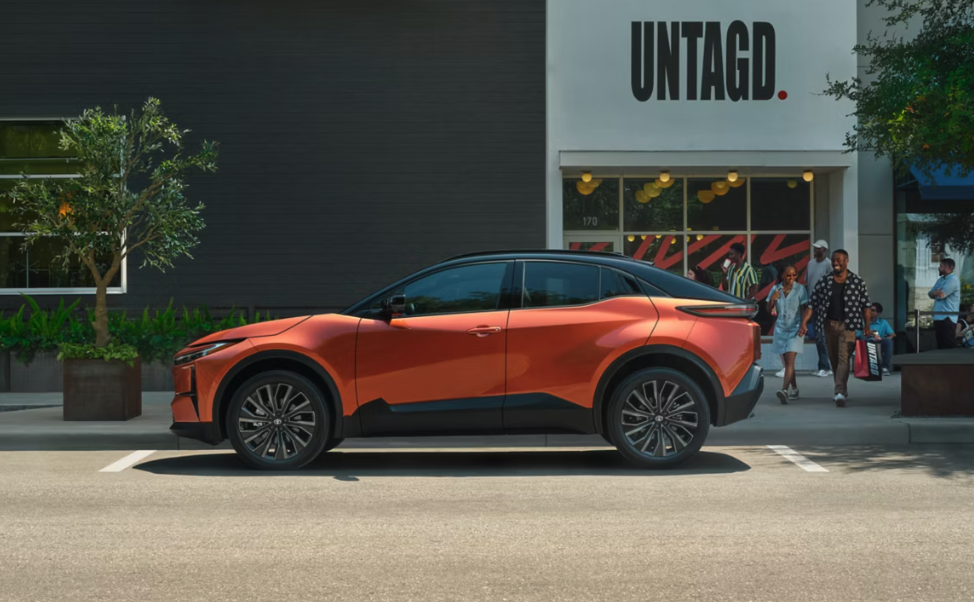
If you are shopping electric SUVs in Durham, the 2026 Toyota C-HR deserves attention because it is not simply a revived nameplate. It returns to the United States as an all-new battery electric vehicle built for drivers who want a smaller footprint, sharper styling, and more personality than a typical compact crossover. At Mark Jacobson Toyota, that is the clearest way to understand it. The 2026 C-HR is the Toyota EV for buyers who want something more expressive and more performance-minded than a basic commuter appliance, but still practical enough to use every day in the Triangle.
Toyota’s official 2026 specs give the model a strong first impression. Toyota says the C-HR comes standard with dual-motor all-wheel drive, delivers 338 net combined horsepower, and offers up to 287 miles of EPA-estimated range in SE trim and 273 miles in XSE. Toyota also says it uses a North American Charging Standard port and can charge from 10 percent to 80 percent in around 30 minutes under ideal DC fast-charging conditions. Starting MSRP is listed at $37,000 before dealer processing and handling. That combination makes the C-HR more than an urban-style EV. It positions the vehicle as a sporty small electric SUV that still has real driving range and all-weather confidence.
In this guide, we break down range, charging, AWD performance, trim differences, and daily-driver practicality for Durham, Raleigh, Chapel Hill, Cary, Apex, and RTP buyers. We also explain which version of the C-HR fits your commute best, when the compact size is a benefit, and when you should move up to a larger SUV instead.
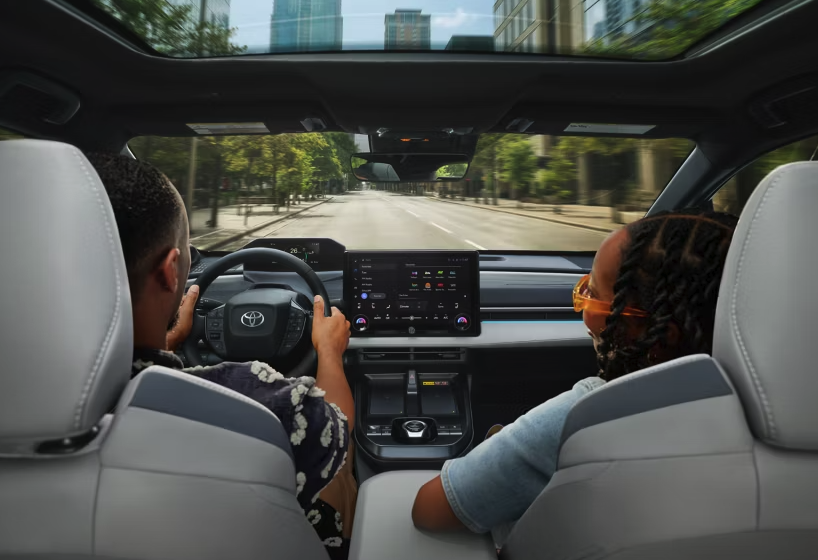
Table of Contents
- Definition
- Range, Charging, and Everyday EV Practicality
- Performance, AWD, and Why the C-HR Feels Different From a Basic EV
- SE vs XSE: Features, Interior, and Daily-Driver Fit
- When the C-HR Is the Right EV and When You Need More SUV
- When the 2026 C-HR Makes More Sense Than a Gas or Hybrid Crossover
- Key Takeaways
- 2026 Toyota C-HR FAQ for Durham Drivers
2026 Toyoya C-HR
Definition: The 2026 Toyota C-HR is a compact battery electric SUV designed for drivers who want sporty styling, standard all-wheel drive, and real EV range in a smaller footprint. For Durham-area buyers, it fits best as a daily commuter EV with more personality than a typical small crossover.
Range, Charging, and Everyday EV Practicality
The first question most buyers should ask is not whether the C-HR is interesting. It is whether its range and charging story make sense for the way they actually drive around Durham and the Triangle.
287-mile SE range vs 273-mile XSE range and what that means in real Triangle driving
Toyota says the 2026 C-HR reaches up to 287 miles of EPA-estimated range in SE trim and 273 miles in XSE. Those numbers matter because they place the C-HR in a very workable zone for commuting, errands, and normal Triangle life without making daily range anxiety the center of ownership. For a Durham commuter driving to RTP, or for a Raleigh buyer using the vehicle for weekday errands and regional travel, that range is enough to make the C-HR feel like a normal daily vehicle rather than something that constantly demands planning.
The trim split also matters more than it first appears. SE is the stronger efficiency and range trim, which makes it the cleanest value answer for drivers who want the most miles between charges. XSE gives up some range, but it does so in exchange for a richer equipment level and a more premium everyday feel. That means the choice is not simply “which one has the biggest number.” It is “which trim gives the better balance between daily EV practicality and the features or look you care about most.”
| Range and Charging Factor | 2026 C-HR SE | 2026 C-HR XSE | Best Fit |
|---|---|---|---|
| EPA-Estimated Range | Up to 287 miles | Up to 273 miles | SE for buyers prioritizing maximum range |
| Charging Port | Standard NACS | Standard NACS | Both trims support modern public-charging access |
| DC Fast Charging | 10% to 80% in about 30 minutes under ideal conditions | 10% to 80% in about 30 minutes under ideal conditions | Both support reasonable road-trip stop logic |
| Wheel / Equipment Logic | Best efficiency-focused trim path | More premium-oriented trim path | Depends on whether range or features matter more |
| Commuter Fit | Best for longer weekday miles | Best for buyers comfortable trading a little range for richer trim feel | Routine decides |
| Overall Buy Logic | Range-first value trim | Feature-first premium trim | Different priorities, not a simple winner |
Based on Toyota USA Newsroom and Mark Jacobson Toyota’s 2026 C-HR page.
NACS, DC fast charging, home charging, and apartment-charging reality in Durham
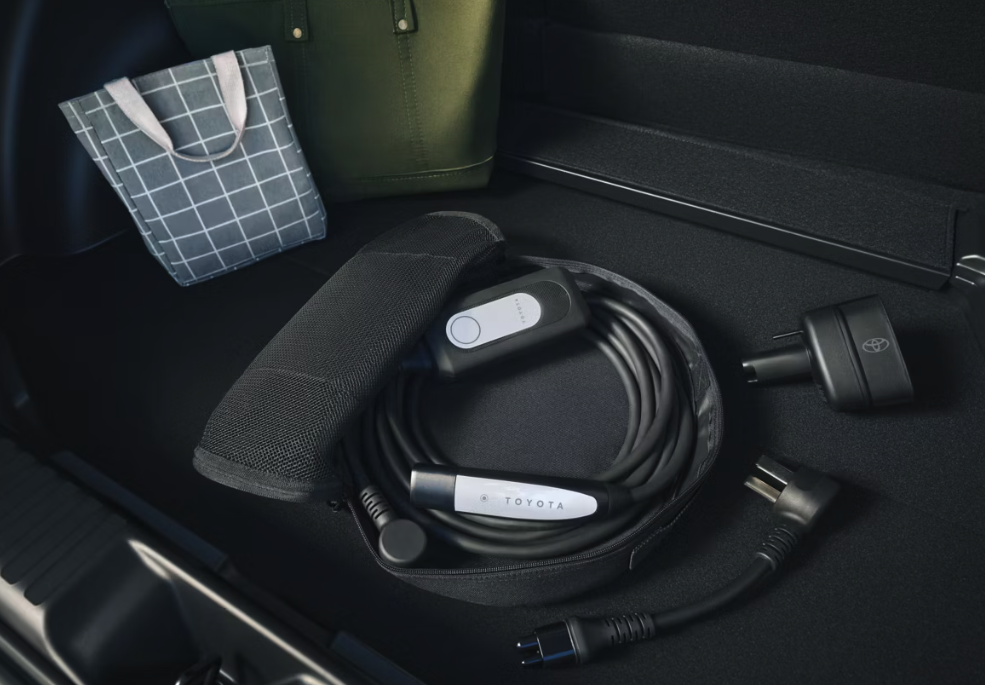
The C-HR’s charging story is stronger than many buyers will expect because Toyota says the vehicle uses a North American Charging Standard charge port. That matters for buyers in Durham and the Triangle because it improves access to an increasingly relevant charging ecosystem without forcing the car into a niche charging experience. Toyota also says the vehicle supports DC fast charging from 10 percent to 80 percent in around 30 minutes under ideal conditions, which helps the C-HR make more sense beyond purely local use.
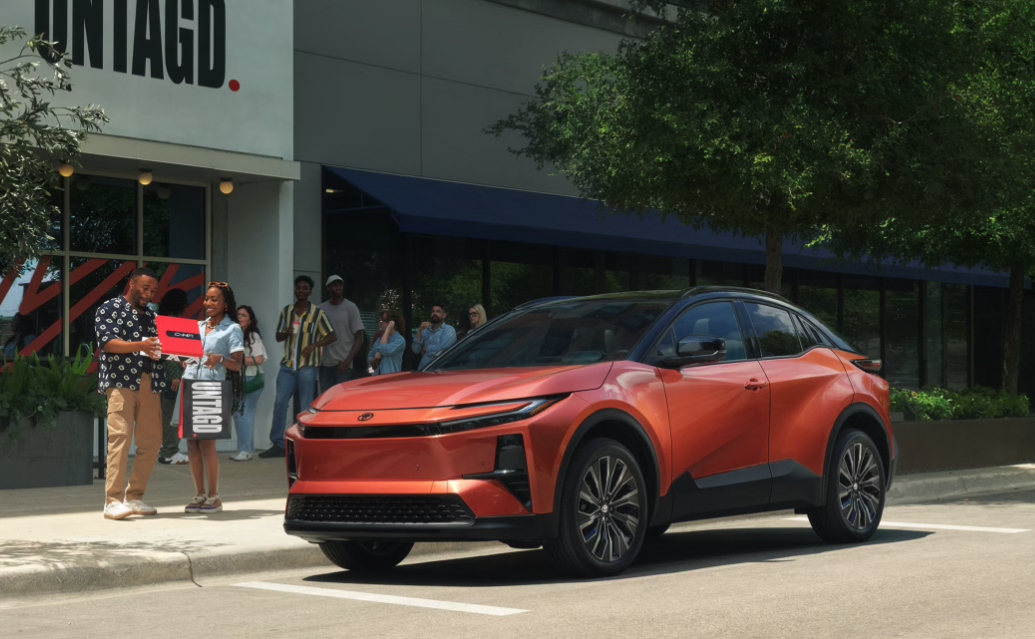
But the real ownership question is still home charging. For a Durham buyer with a garage or dependable home setup, the C-HR becomes very easy to live with because the vehicle can be topped off at home and used like a normal commuter SUV. For an apartment renter in Raleigh or Cary who depends on public charging alone, the decision is more conditional. The C-HR can still work, but only if the charging plan is consistent enough that EV ownership does not start to feel like extra logistics. That is the line buyers should take seriously. The C-HR’s tech is ready. Your parking and charging reality still has to be ready too.
Which Durham drivers will find the C-HR easiest to live with
We recommend the C-HR first for commuters with reliable charging and a routine that stays comfortably inside its real-world range envelope. That includes RTP commuters, Durham professionals with home charging, and buyers who want an EV for daily life but do not need the size of a larger family crossover. The C-HR is especially attractive when your driving pattern is predictable and your parking setup makes overnight charging easy.
We recommend more caution for buyers who do not control their charging situation or who are trying to make the C-HR do too many family-SUV tasks. The vehicle works best when it is used as a compact daily-driver EV with style and performance appeal. It is less compelling if the whole household expects it to replace a larger cargo-friendly family vehicle without compromise.
- Choose C-HR if you have dependable charging and want a compact EV for regular daily use.
- Choose SE if your commute is longer and range matters more than trim upgrades.
- Be more cubic if you rely fully on inconsistent public charging or need frequent larger-family cargo flexibility.
Performance, AWD, and Why the C-HR Feels Different From a Basic EV
The 2026 C-HR is not interesting only because it is electric. It is interesting because Toyota has given it enough power and traction to feel notably more serious than a bare-minimum compact EV.
338 hp, standard AWD, 0-60 pace, regenerative braking, and sporty compact-EV positioning
Toyota says the C-HR delivers 338 net combined horsepower from its dual-motor electric setup and includes standard all-wheel drive. Toyota also estimates a 0-60 mph time of about 4.9 seconds. Those figures immediately put the C-HR in a different conversation than a value-first compact EV. This is part of why the model’s positioning works so well. The C-HR is not only an efficiency play. It is also a compact electric SUV with enough pace to feel genuinely entertaining, especially for buyers who want something more responsive than the average commuter crossover.
That also matters in Triangle driving. Standard AWD makes the C-HR easier to justify for buyers who want extra traction in wet weather and more composure during everyday driving, while the power output makes highway merging, passing, and stoplight response feel less compromised than many buyers expect from a compact electric SUV. Toyota also says the vehicle uses paddle-activated regenerative braking control, which adds a more interactive layer to EV driving. For Durham-area buyers, that helps the C-HR feel like more than just a practical box. It feels like an EV with some real enthusiast-adjacent intent behind it.
| Performance Factor | 2026 Toyota C-HR | Why It Matters | Best Fit |
|---|---|---|---|
| Power Output | 338 net combined hp | Makes the C-HR feel quick and more premium than a basic commuter EV | Drivers who want EV performance without moving up in size |
| Drivetrain | Standard dual-motor AWD | Adds traction and all-weather confidence | Durham and Triangle daily driving |
| 0-60 Estimate | About 4.9 seconds | Confirms the sporty side of the C-HR’s positioning | Buyers wanting stronger EV response |
| Drive Feel | Compact EV with more punch than a basic crossover | Helps differentiate the C-HR from ordinary small SUVs | Style- and performance-minded buyers |
| Regen Control | Paddle-controlled regenerative braking | Adds adjustability and EV-driving engagement | Drivers who want a more involved EV experience |
| Starting MSRP | $37,000 before dealer processing and handling | Puts the C-HR in a more premium small-EV position | Buyers balancing price with EV features and performance |
Based on Toyota USA Newsroom and Mark Jacobson Toyota’s 2026 C-HR page.
Which 2026 Toyota C-HR trim is the smartest buy for your budget and routine?
For many Durham-area buyers, the smartest 2026 C-HR is SE because it gives you the strongest range figure and the cleanest value path into the lineup while still preserving the car’s standard AWD and 338-horsepower identity. That is a compelling combination because Toyota did not strip the base trim of the core powertrain story. The SE is not the “good enough” trim. It is the most rational trim for buyers who want the C-HR’s main strengths without paying more for a richer equipment layer.
- Choose SE if you want the strongest range and the cleanest overall value case.
- Choose XSE if you want the more premium equipment and are comfortable with the smaller range number.
- Choose C-HR in general if you want a compact EV that feels more performance-forward than utility-first.
- Choose a larger SUV instead if your main goal is maximum family space rather than compact EV personality.
If you are serious about the 2026 C-HR, we recommend seeing SE and XSE side by side and talking through range, charging, and trim priorities before you decide. Our team can help you compare the range tradeoff, explain how the AWD and performance story stays strong in both trims, and show you where the premium feature differences become meaningful in daily use. Buyers from Durham, Raleigh, Chapel Hill, Cary, Apex, and RTP can call us at 919-493-5599 or start online before visiting. We can also help you request a quote on the C-HR trim that fits your commute, charging plan, and budget best.
SE vs XSE: Features, Interior, and Daily-Driver Fit
The trim walk matters because the C-HR is not only selling range and power. It is also selling style, technology, and a more upscale small-EV experience than many buyers expect.
14-inch touchscreen, premium cabin feel, cargo usability, and which trim fits Durham commuters best
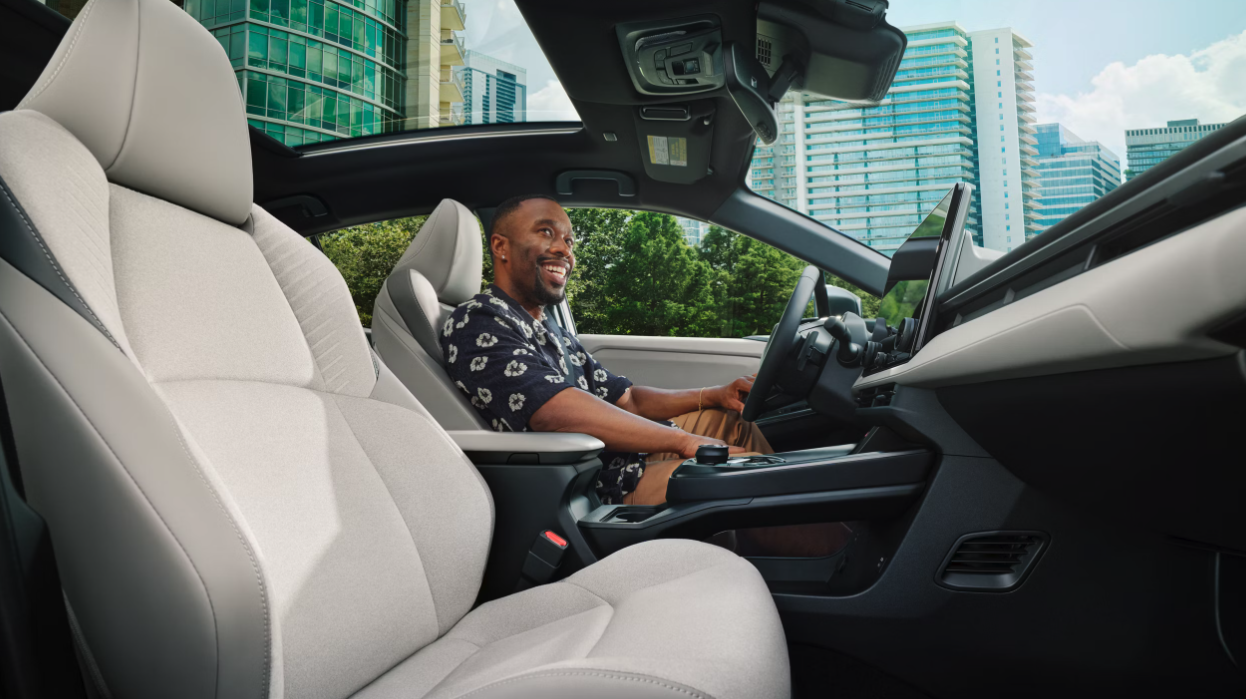
Toyota says every 2026 C-HR gets a 14-inch touchscreen and Toyota Safety Sense 3.0, which is a strong baseline for a compact EV. That matters because it means the SE already arrives with one of the most visible premium-tech features in the cabin. The design itself also helps the C-HR feel less like a stripped entry EV and more like a vehicle that was meant to make a statement.
The XSE becomes the better fit when you want the more premium expression of the C-HR. Toyota positions it as the richer trim and backs that up with the slightly shorter range number that comes with the more feature- and style-focused setup.
| Driver Profile | Primary Need | Recommended C-HR Version | Why It Fits |
|---|---|---|---|
| Durham commuter with home charging | Compact EV with sporty feel and strong range | C-HR SE | Best range and value mix |
| RTP commuter with longer daily route | Wants to protect the highest range figure | C-HR SE | 287-mile trim logic makes more sense |
| Cary buyer wanting richer cabin feel | Prefers more premium trim character | C-HR XSE | Stronger upper-trim appeal |
| Raleigh apartment EV shopper | Needs clear charging plan before buying | C-HR only if charging access is dependable | Ownership fit matters more than trim at that point |
Visit Mark Jacobson
If you are comparing the C-HR against a hybrid crossover or trying to decide whether SE or XSE makes more sense, we can help you work through that with real numbers. Our team can review your current vehicle through our trade tools, compare finance options, and walk you through where the trim and charging differences become meaningful in daily use. Call us at 919-493-5599 or stop by our showroom at 4516 Durham-Chapel Hill Blvd.
When the C-HR Is the Right EV and When You Need More SUV
The 2026 C-HR is the right EV when your routine values compact size, charging convenience, and style. It is the wrong EV when you are really shopping for larger-family utility first.
We recommend the C-HR for solo drivers, couples, and smaller households that want a compact EV with more energy and visual personality than a typical small crossover. It is especially attractive for commuters who want all-wheel drive and do not need the extra bulk of a larger SUV. That is why the C-HR makes so much sense as a Durham or RTP daily driver. Its size is part of the appeal, not a compromise, when the routine fits it.
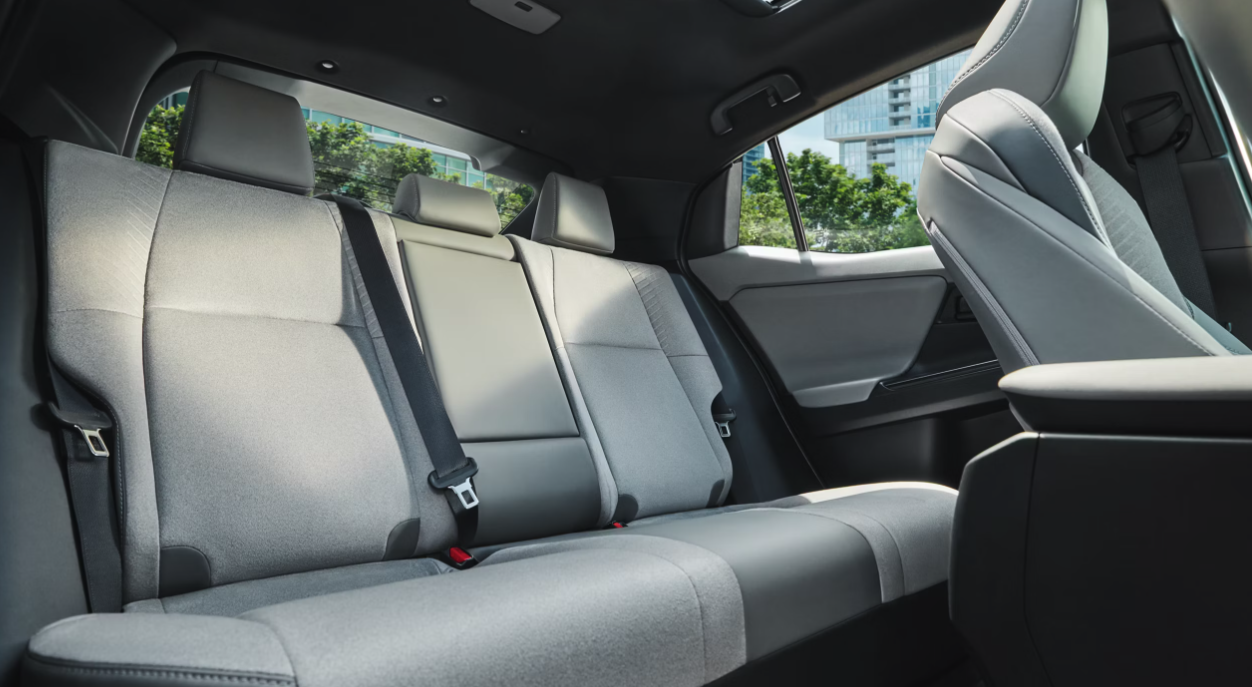
We recommend more SUV for households that are trying to combine frequent family duty, bigger cargo demands, or regular multi-passenger travel into the same vehicle. The C-HR can still function as a practical daily EV, but it is not designed to be the answer to every family-space problem. It is better to think of it as a sporty compact EV that happens to be useful than as a utility-first family crossover.
See Toyota EV and SUV FeaturesWhen the 2026 C-HR Makes More Sense Than a Gas or Hybrid Crossover
The C-HR makes the strongest financial and lifestyle case when its EV advantages are easy for the owner to use and when a larger crossover’s extra space would mostly go unused.
We recommend thinking about C-HR value in three layers. First is purchase price. Second is fueling or charging cost. Third is whether the owner’s routine actually matches a compact EV. The C-HR starts at $37,000 before dealer processing and handling, which means it is not pretending to be the cheapest vehicle in the segment. Its value case comes from pairing EV operation with standard AWD, strong power, and a more interesting small-SUV identity.
Schedule Toyota EV ServiceKey Takeaways
- The 2026 Toyota C-HR is a fully electric compact SUV, not the old gas C-HR.
- Every 2026 C-HR gets standard dual-motor AWD and 338 net combined horsepower.
- SE offers up to 287 miles of EPA-estimated range, while XSE offers up to 273 miles.
- NACS and about 30-minute ideal-condition DC fast charging help its everyday EV case.
2026 Toyota C-HR FAQ for Durham Drivers
Is the 2026 Toyota C-HR fully electric?
Yes. The 2026 Toyota C-HR returns to the U.S. as a battery electric vehicle, not as the old gas compact crossover. Toyota says it uses a dual-motor electric setup, includes standard all-wheel drive, and is built as an EV from the start. That makes it a very different product than the previous C-HR many shoppers may remember.
How many miles of range does the 2026 Toyota C-HR get?
Toyota says the 2026 C-HR offers up to 287 miles of EPA-estimated range in SE trim and up to 273 miles in XSE trim. That gives buyers a useful range split to shop around depending on whether they prioritize maximum distance or a more premium equipment level. For many Triangle commuters, either number is workable for daily life when charging access is strong.
Does the 2026 Toyota C-HR have AWD?
Yes. Every 2026 Toyota C-HR comes with standard dual-motor all-wheel drive. Toyota also says the EV produces 338 net combined horsepower, which gives the vehicle stronger acceleration and all-weather confidence than many buyers expect from a compact electric SUV. That standard AWD setup is one of the model’s biggest selling points.
Which 2026 Toyota C-HR trim is best?
For many buyers, the best 2026 Toyota C-HR trim is SE because it gives the strongest range figure and the cleanest overall value story while keeping the same 338-horsepower AWD powertrain. XSE is the better answer if you want the richer trim experience and are comfortable with the smaller range number. The right trim depends on whether you prioritize range-first logic or feature-first daily satisfaction.
We are here to help you choose the right 2026 Toyota C-HR at Mark Jacobson Toyota, 4516 Durham-Chapel Hill Blvd, Durham, NC 27707. Our team works with drivers from Durham, Raleigh, Chapel Hill, Cary, Apex, and RTP every day, and we know how often the right EV choice comes down to charging reality, trim fit, range, and daily lifestyle more than anything else. Call us at 919-493-5599, start online, or visit us in person so we can help you find the EV that makes sense for your life in the Triangle.
Connect with us


Recent Blog Entries
- Toyota Car Buying Checklist for Triangle College Graduates
- 2026 Toyota Camry Hybrid MPG and Commute Guide for RTP Drivers
- Toyota A/C Service & Repair Guide for Durham Summer Driving
- 2026 Toyota Prius vs Prius Plug-in Hybrid: Which Saves You More in Durham?
- 2026 Toyota Sequoia: Power, Space, and Luxury for Durham Families