Blog

Toyota Dashboard Warning Lights: What They Mean and What to Do

toyota-help-what-do-the-dashboard-warning-lights-mean4-1

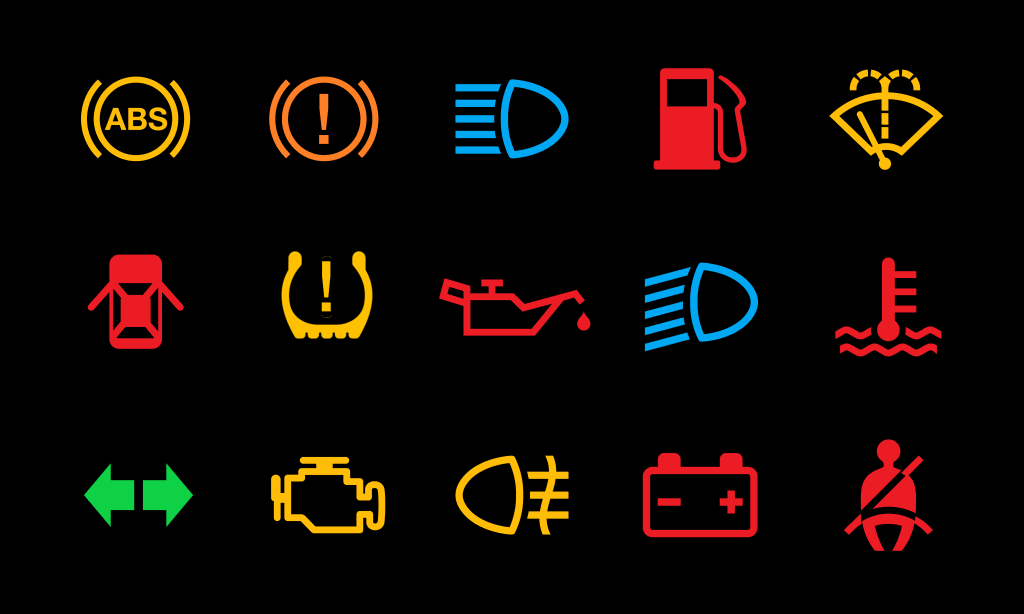
Is your Toyota displaying an unfamiliar dashboard light? At Mark Jacobson Toyota in Durham, we understand that car dashboard symbols can sometimes be confusing. Let’s break down the most common warning lights you might see and what actions you should take.

Critical Warning Lights (Stop Immediately!)

These dashboard lights require immediate attention:

Brake System Warning

What it means: There may be low brake fluid or a malfunction in the brake system.
What to do: If the parking brake is fully released and the light remains on, do not drive the vehicle. Call for brake service immediately.

Charging System Warning

What it means: Your vehicle’s charging system has a malfunction.
What to do: Stop the vehicle immediately and contact us for help.

High Engine Coolant Temperature Warning

What it means: Your engine is overheating.
What to do: Pull over safely, turn off the engine, and allow it to cool. Then, schedule a service with us.

Low Engine Oil Pressure Warning

What it means: Your engine oil pressure is dangerously low, which can cause severe damage.
What to do: Stop the vehicle in a safe location and call Mark Jacobson Toyota for assistance.

Maintenance and System Alerts

These lights indicate issues that need attention soon:

Check Engine (Malfunction Indicator Lamp)

What it means: There may be an issue with the engine, throttle, or transmission system.
What to do: Have your Toyota inspected at our dealership as soon as possible.

Low Fuel Level Warning

What it means: Your fuel level is dangerously low.
What to do: Refuel immediately.

Low Windshield Washer Fluid Warning

What it means: The windshield washer fluid is low.
What to do: Refill the washer fluid reservoir.

Maintenance Required Reminder

What it means: Your vehicle is due for maintenance based on the mileage driven. This light illuminates for about 3 seconds and then flashes for 15 seconds after approximately 4,500 miles (7,200 km) since the last reset.
What to do: Schedule a ToyotaCare service appointment.

Power Steering Warning

What it means: Indicates a malfunction in the Electric Power Steering (EPS) system.
What to do: Do not ignore this warning. Have your vehicle inspected immediately. Failure to do so may result in unpredictable steering behavior and increase the risk of an accident.

SRS Airbag Warning

What it means: There may be an issue with the airbag, passenger occupant classification, or seat belt pretensioner system.
What to do: Have your airbag system checked as soon as possible.

Tire Pressure Warning

What it means: One or more tires have low air pressure.
What to do: Check and inflate your tires. If the light stays on, visit us for an inspection.

Safety and Driving Indicators

These lights are simply informational or serve as safety reminders:

  • Blind Spot Monitor (BSM) Indicator
  • Cruise Control Indicator
  • Open Door Warning
  • Seat Belt Reminder
  • Traction Control

What to Do If a Warning Light Stays On

If any warning light remains on after taking corrective action, schedule a service appointment with Mark Jacobson Toyota as soon as possible. 

Our expert technicians are ready to help keep your Toyota in peak condition. They are equipped to diagnose and repair any issues indicated by your dashboard lights. We serve customers throughout Durham, Chapel Hill, and Hillsborough.

Addressing warning lights promptly can prevent more serious issues and help maintain your Toyota’s performance and reliability. Visit us at Mark Jacobson Toyota—Where We Say Yes to keeping your vehicle running smoothly with expert service and genuine Toyota parts.

Schedule service today by calling our service department or using our online scheduling tool.

Recommended Posts

2026 Toyota Camry Interior and Technology Guide for Durham Drivers

2026 Toyota Camry Interior and Technology Guide for Durham Drivers

2026 Toyota Camry Guide • Durham, NC Inside the 2026 Toyota Camry: Comfort, Connectivity and Everyday Technology See how the 2026 Toyota Camry combines passenger space, digital displays, wireless smartphone integration and available premium comfort features for everyday driving around Durham and the Triangle. The 2026 Toyota Camry interior is built around a useful idea: you do not need to move all the way to the top of the lineup to get the technology most drivers use every day. Wireless Apple CarPlay and Android Auto, a Qi-compatible wireless charging pad, five USB ports, dual-zone automatic climate control and Toyota Safety Sense 3.0 are available across the broader Camry experience, while upper trims concentrate the bigger upgrades in display size, seating materials, comfort and available connected technology. For Durham shoppers, that changes the trim decision. The question is less about whether the Camry has modern connectivity and more about how much screen space, cabin refinement and convenience technology you want to add. LE, SE and Nightshade keep the core interface straightforward. XLE and XSE move into a more premium digital environment with standard 12.3-inch displays and additional comfort options. The Camry also remains a practical five-passenger midsize sedan. Toyota lists 42.1 inches of front legroom, 38.0 inches of rear legroom and 15.1 cubic feet of cargo capacity, so the cabin discussion should include actual passenger and trunk needs, not only screens and apps. What Defines the 2026 Toyota Camry Interior? The 2026 Toyota Camry is a five-passenger midsize hybrid sedan offered in LE, SE, Nightshade, XLE and XSE trims. Its cabin combines standard smartphone connectivity and climate-control features with a trim structure that progressively adds larger digital displays, upgraded seating, premium audio and available connected-services technology. 2026 Camry Interior Guide 2026 Camry Interior Guide: Features, Screens and Cabin Technology Inside the 2026 Toyota Camry Passenger Space and Cargo Touchscreen and Digital Displays Apple CarPlay, Android Auto and Charging Comfort and Convenience Features Toyota App, Digital Key and Connected Services Toyota Safety Sense 3.0 Which Camry Interior Fits You? 2026 Camry Interior FAQ Inside the 2026 Toyota Camry The current Camry cabin is designed around a horizontal dashboard layout that keeps the multimedia display high enough to read without turning the center stack into one giant screen. Physical controls remain available for frequently used functions, while the digital displays handle vehicle information, audio, navigation and connected features. What matters most for shoppers is that Toyota separates the lineup into two broad technology experiences. LE, SE and Nightshade use a 7-inch digital gauge cluster and an 8-inch Toyota Audio Multimedia touchscreen as their standard starting point. XLE and XSE step up to a 12.3-inch digital gauge cluster and 12.3-inch center touchscreen as standard equipment. That means you can choose a lower Camry grade without giving up wireless smartphone integration simply to get navigation apps, music or calls on the screen. The premium trims mainly add display size, presentation and additional feature availability. The sport-oriented trims also change the feel of the cabin. SE and Nightshade use SofTex-and-fabric-trimmed seating and add sport-oriented details, while XLE shifts toward a more comfort-focused cabin. XSE combines the larger technology package with sport styling and available leather-trimmed interiors. 2026 Camry Passenger Space and Cargo Technology is easy to compare on a feature list. Passenger space requires a little more context because a sedan needs to work when the screens are turned off too. Toyota lists the 2026 Camry with seating for five, 42.1 inches of front legroom and 38.0 inches of rear legroom. Front headroom is 38.3 inches and rear headroom is 37.6 inches. Those numbers position the Camry as a midsize sedan rather than a compact commuter car, with a rear seat intended for regular passenger use rather than occasional short trips. 2026 Camry Interior Measurement Measurement Why It Matters Seating Capacity 5 passengers Useful for commuters who also need everyday family or passenger capability. Front Legroom 42.1 in. Provides substantial adjustment range for the front seating area. Rear Legroom 38.0 in. Important if adults or growing children regularly use the second row. Front / Rear Headroom 38.3 / 37.6 in. Helps shoppers evaluate seating position and rear passenger comfort. Trunk Capacity 15.1 cu. ft. Relevant for groceries, luggage and daily cargo without moving to an SUV. How Useful Is the 15.1-Cubic-Foot Trunk? The Camry has 15.1 cubic feet of cargo capacity. That is useful for normal sedan tasks such as grocery runs, work bags, airport luggage and daily family gear, but shoppers carrying tall boxes, large recreational equipment or bulky pet equipment should compare the trunk opening and shape in person. The rear seat uses a split-folding design, which adds flexibility when you need to carry a longer item while retaining part of the rear seat. It still does not create the vertical cargo space of a crossover. A Durham buyer deciding between Camry and a Corolla Cross or RAV4 should treat that body-style difference as more important than a small specification difference on paper. 2026 Camry Touchscreen and Digital Displays The biggest interior technology distinction in the 2026 Camry is display size. LE, SE and Nightshade start with a 7-inch digital gauge cluster and an 8-inch Toyota Audio Multimedia touchscreen. XLE and XSE use a 12.3-inch digital gauge cluster and 12.3-inch multimedia touchscreen as standard equipment. SE and Nightshade can also be configured with the larger 12.3-inch center touchscreen, so shoppers who prefer their sport styling do not necessarily have to move to XSE just to get more screen area. Exact equipment should always be checked on the specific vehicle. Trim Gauge Cluster Multimedia Screen Interior Technology Focus LE 7-in. digital cluster 8-in. touchscreen Core connectivity and straightforward daily usability. SE 7-in. digital cluster 8-in. standard; 12.3-in. available Sport-oriented cabin with the option to add a larger center display. Nightshade 7-in. digital cluster 8-in. standard; larger display availability depends on configuration Style-focused variation based on the sport side of the lineup. XLE 12.3-in. digital cluster 12.3-in. touchscreen Comfort-focused premium display environment. XSE 12.3-in. digital cluster 12.3-in. touchscreen Premium technology paired with sport-oriented design. What Does the Larger Screen Actually Change? The 12.3-inch touchscreen gives maps, media information and menus more visual room. That can be useful if you rely heavily on Apple CarPlay or Android Auto, especially for navigation, because more screen area can make map information easier to scan. But the larger screen does not suddenly unlock basic smartphone integration. Wireless Apple CarPlay and Android Auto compatibility are already part of the Camry technology package, so the upgrade is mainly about display size and presentation. Available 10-Inch Head-Up Display XLE and XSE can also offer a 10-inch color Head-Up Display. The HUD can place information such as speed, selected driver-assistance indicators and compatible navigation information closer to the driver's forward line of sight. It should be viewed as a convenience layer rather than a replacement for the digital instrument panel. For shoppers who spend substantial time on I-40, I-85 or NC-147, the appeal is the ability to reference key information without repeatedly looking down at the gauge cluster. Wireless Apple CarPlay, Android Auto and Device Charging One of the strongest parts of the Camry's cabin technology is that smartphone connectivity is not reserved for the premium trims. Toyota equips the multimedia system with wireless Apple CarPlay and wireless Android Auto compatibility, allowing compatible phones to connect without requiring a USB cable every time you enter the car. For many drivers, this is more important than factory navigation because it allows familiar phone apps for directions, audio, messages and calls to appear through the vehicle's interface. The Camry also includes a Qi-compatible wireless charging pad and five USB ports across the cabin. Toyota's 2026 documentation identifies three ports in the front area and two in the rear, which matters when several passengers need to keep devices powered during a longer drive. Everyday Technology That Does Not Require a Top Trim A shopper choosing Camry LE, SE or Nightshade does not need to move to XLE or XSE simply to get wireless smartphone integration, wireless charging or multiple USB connections. The premium-trim decision is primarily about larger displays, additional comfort equipment and expanded feature availability. Camry Comfort and Convenience Features The 2026 Camry's comfort story starts with features that are useful in North Carolina year-round. Dual-zone automatic climate control is available across the current Camry experience, with rear-seat vents helping distribute conditioned air to passengers in back. That rear ventilation matters more than it sounds during Durham summers because the front passengers are not the only people waiting for a cabin to cool down after the car has been parked outside. It also makes the Camry more practical for households that regularly carry children or adult passengers. LE, SE and Nightshade Seating LE keeps the cabin focused on straightforward daily use. SE moves into SofTex-and-fabric-trimmed sport seating and includes an eight-way power-adjustable driver's seat with power lumbar support. Nightshade follows the sport side of the lineup and uses SofTex-and-fabric seating with dark styling cues. That makes SE and Nightshade a useful middle ground for someone who wants a more distinctive cabin but does not need the premium display and seating package of XLE or XSE. XLE and XSE Comfort Upgrades XLE moves the Camry toward a more premium cabin. Toyota lists leather-and-microfiber-trimmed multi-stage heated front seats for XLE, with ventilated front seating available. XSE pairs the premium technology environment with sport-oriented styling and available leather-trimmed interiors. The Camry also offers available features such as a heated steering wheel, driver-seat memory and rain-sensing wipers depending on grade and package. These are the types of upgrades worth evaluating by use rather than simply counting features. If two people regularly share the Camry, seat-position memory may matter more than a premium audio upgrade. If the vehicle spends long summer afternoons outside, ventilated seating may be a bigger everyday benefit than an appearance package. The right interior is the one whose upgrades solve something you will notice repeatedly. Toyota App, Digital Key and Connected Services The Toyota App and Connected Services add another technology layer, but this is an area where shoppers should pay close attention to equipment, trials and subscriptions. Connected-service availability can depend on trim, multimedia configuration, account registration, cellular coverage and the specific package on the vehicle. Features can include Remote Connect functions and, on appropriately equipped vehicles, Digital Key. Digital Key requires compatible equipment and an active eligible Remote Connect service, so it should not be described as permanently included on every 2026 Camry. Similarly, Drive Connect can add cloud-based navigation and Intelligent Assistant functionality on compatible configurations. Toyota notes that Connected Services depend on network availability and may require a paid subscription after an included trial. If connected technology matters to your purchase, check the window sticker and current subscription details for the exact Camry you are considering rather than assuming every vehicle in the trim has the same package. For a deeper explanation of setup and eligibility, see our Toyota Remote Connect and Digital Key guide for Durham drivers. Toyota Safety Sense 3.0 and Driver-Support Technology The 2026 Camry includes Toyota Safety Sense 3.0. Its driver-assistance technologies include Pre-Collision System with Pedestrian Detection, Full-Speed Range Dynamic Radar Cruise Control, Lane Departure Alert with Steering Assist, Lane Tracing Assist, Road Sign Assist, Automatic High Beams and Proactive Driving Assist. Blind Spot Monitor with Rear Cross-Traffic Alert is also part of the current Camry safety and convenience package, and Safe Exit Alert can help warn occupants about certain approaching traffic when a door is being opened. These systems are designed to assist the driver under specific conditions. They do not make the Camry autonomous and they do not replace attentive driving, appropriate speed, visibility or normal braking and steering responsibility. A Current 2025-2026 Camry Ownership Note Toyota announced a safety recall in August 2026 involving certain 2025 and 2026 Camry vehicles because the 7-inch combination meter may become blank at startup. Not every 2026 Camry is affected, and recall applicability is VIN-specific. Owners can check a vehicle using Toyota's official recall and service campaign lookup. This does not change the trim comparison above, but it is relevant current ownership information for shoppers looking at a vehicle equipped with the 7-inch cluster. Which 2026 Camry Interior Fits Your Daily Routine? The interior decision becomes easier if you start with what you actually touch and use every day instead of assuming the most expensive trim is automatically the right one. Camry LE: Core Technology Without Paying for Premium Displays LE is the straightforward choice for drivers who want the current Camry platform, wireless smartphone integration, climate comfort and everyday safety technology without making large screens the center of the purchase. Its 8-inch multimedia display and 7-inch gauge cluster are smaller than the premium setup, but the underlying smartphone compatibility remains useful for commuting and daily navigation. Camry SE: Sportier Cabin With Room to Add Technology SE adds SofTex-and-fabric sport seating, an eight-way power driver's seat and sport-oriented cabin details. The available larger multimedia display can make SE particularly interesting for someone who likes the sport styling but wants more screen space without moving directly to XSE. Camry Nightshade: Style First Nightshade is best understood as a visual and sport-oriented branch of the lineup rather than a major technology jump. Its appeal is the combination of dark exterior accents and sport-themed interior details. If your decision is mainly about display size or premium comfort, compare its exact equipment against SE and XLE instead of assuming Nightshade adds more technology because it sits higher in the lineup. Camry XLE: Comfort and Digital Display Focus XLE is the clearest step for buyers who want a more premium everyday cabin. The standard 12.3-inch center touchscreen and 12.3-inch digital gauge cluster make the interface feel substantially different from LE, while heated leather-and-microfiber seating and available ventilation shift the priority toward comfort. For a driver spending significant time commuting between Durham and RTP, that combination may matter more than sport appearance details. Camry XSE: Premium Technology With Sport Styling XSE uses the same larger-display foundation while pairing it with the sport side of the Camry personality. It is the trim to compare when you want the premium technology environment but prefer a more athletic cabin and exterior presentation than XLE. The Most Important Interior Decision If wireless phone integration, climate control and core driver assistance cover your needs, the lower Camry trims already provide a strong technology foundation. XLE and XSE become more compelling when larger displays, premium seating, available ventilation, Head-Up Display availability or expanded connected features are things you will use regularly. You can compare the full 2026 Camry trim lineup if pricing, drivetrain and exterior equipment are also part of your decision. You can also browse current Toyota Camry inventory in Durham to compare the actual equipment listed on available vehicles. View Current Camry Inventory View 2026 Camry Details Key Takeaways The 2026 Camry seats five and provides 42.1 inches of front legroom, 38.0 inches of rear legroom and 15.1 cubic feet of trunk capacity. LE, SE and Nightshade use a 7-inch digital gauge cluster, while XLE and XSE move to a standard 12.3-inch digital cluster. XLE and XSE include a standard 12.3-inch Toyota Audio Multimedia touchscreen, while lower grades begin with an 8-inch screen. Wireless Apple CarPlay, wireless Android Auto, Qi wireless charging and five USB ports make core connectivity useful even before moving to a premium trim. XLE and XSE are most relevant when larger displays, premium seating and additional comfort technology matter more than simply having smartphone connectivity. Connected Services, Digital Key and some advanced convenience features depend on configuration, trial or subscription status. 2026 Toyota Camry Interior and Technology FAQ Does the 2026 Toyota Camry have wireless Apple CarPlay and Android Auto? Yes. The 2026 Camry's Toyota Audio Multimedia system supports wireless Apple CarPlay and wireless Android Auto compatibility with compatible smartphones. That means buyers do not need to move to XLE or XSE solely to get wireless smartphone integration. Which 2026 Toyota Camry has the 12.3-inch touchscreen? XLE and XSE include a 12.3-inch Toyota Audio Multimedia touchscreen as standard equipment. SE can also be configured with the larger touchscreen, and availability on a specific vehicle should be confirmed through its equipment list or window sticker. Does the 2026 Camry have Digital Key? Digital Key is available on appropriately equipped Camry configurations rather than universally standard across the lineup. It depends on compatible equipment and eligible Remote Connect service, which can require an active trial or subscription. Check the exact vehicle configuration if Digital Key is important to you. How much rear-seat and trunk space does the 2026 Camry have? Toyota lists 38.0 inches of rear legroom and 37.6 inches of rear headroom in the 2026 Camry. Trunk capacity is 15.1 cubic feet. Those measurements make the Camry useful for regular passenger and luggage duty while keeping the lower profile and driving position of a midsize sedan. Compare the 2026 Camry Interior in Person The difference between the Camry's 8-inch and 12.3-inch displays is easy to understand on a specification sheet, but seating position, screen visibility, rear-seat room and cabin materials are easier to judge from the driver's seat. Compare the trims that match your priorities rather than assuming the highest grade automatically provides the best fit. Mark Jacobson Toyota in Durham can help you compare current Camry configurations and identify which vehicles have the interior and technology features you want. Browse Current Camry Inventory Related Toyota Insights & Ownership Guides Camry Trim Guide 2026 Toyota Camry Trims and Pricing Compare LE, SE, Nightshade, XLE and XSE if pricing, drivetrain and trim positioning are part of your Camry decision. Read More → RTP Commute Guide 2026 Toyota Camry Hybrid MPG and Commute Guide for RTP Drivers See how the all-hybrid Camry lineup fits repeated Durham and RTP commuting, including MPG, AWD and everyday driving considerations. Read More → Sedan Comparison 2026 Toyota Camry vs. Honda Accord for Durham Drivers Compare the Camry against one of its closest midsize-sedan alternatives, including space, powertrain choices and technology. Read More → Connected Technology Toyota Remote Connect & Digital Key: Durham Setup Learn how Toyota connected features work, what equipment may be required and how to set up compatible services. Read More →

Toyota High-Mileage Lease Guide for Durham and RTP Commuters

Toyota High-Mileage Lease Guide for Durham and RTP Commuters

Toyota Leasing Guide • Durham, NC Standard vs. High-Mileage Toyota Leases: Mileage Limits and Overage Fees Explained Understand Toyota lease mileage, estimate your annual driving, and compare leasing with financing before choosing a plan for your Durham or Research Triangle Park commute. If you drive a lot around Durham or Research Triangle Park, leasing a Toyota is not automatically off the table. The important question is whether the mileage allowance in the lease matches the miles you realistically expect to drive, because an attractive monthly payment can lose its appeal if the contract is built around far less driving than your actual routine. For a high-mileage commuter, the smartest way to evaluate a Toyota lease is to estimate annual mileage before choosing the offer, compare that estimate with the contract allowance, and then compare the complete lease structure against financing. If your driving is predictable and the available mileage structure fits it, leasing can still be worth considering. If your annual mileage is very high, changes often, or you plan to keep the vehicle for many years, buying may give you more flexibility. This guide focuses on the part of leasing that matters most to Durham and RTP commuters: mileage planning. We will show you how to estimate your annual driving, how excess mileage works, why a lower-mileage offer is not always the lowest-cost choice, and when financing deserves a closer look. What Is a High-Mileage Toyota Lease? A high-mileage Toyota lease is a practical way to describe a lease structured around a driver who expects to accumulate more miles than a low-mileage advertised offer allows. It should not be assumed to be the formal name of a specific Southeast Toyota Finance program. The actual mileage allowance, excess-mileage charge, term, fees, and lease-end obligations are determined by the specific offer and contract you sign. Toyota Leasing Guide Toyota Lease Mileage Guide: What Durham Commuters Should Know What Is a High-Mileage Toyota Lease? How to Estimate Your Annual Driving RTP Commute Mileage Example What Happens If You Exceed Lease Mileage? Mileage Overage vs. Planning More Miles Up Front Toyota Lease vs. Buy for High-Mileage Drivers Which Toyota Model Fits a Long Commute? Questions to Ask Before Signing Toyota High-Mileage Lease FAQ What Is a High-Mileage Toyota Lease? Lease mileage is one of the inputs used to structure a vehicle lease. The contract establishes how many miles are included over the term, and if the vehicle is returned with mileage above that allowance, an excess-mileage charge may apply. That makes mileage different from a traditional purchase or finance agreement, where there is no contractual limit on how far you can drive the vehicle. Current regional Toyota lease offers can be built around a defined annual mileage allowance and can specify a per-mile charge for mileage above the contracted amount. Those terms belong to the individual offer. They are useful evidence that mileage matters, but they should never be treated as a permanent rule that applies to every Toyota model, every lease, or every customer. That distinction is especially important for RTP commuters. A driver who sees a low monthly lease payment should first ask what annual mileage assumption was used to calculate it. If the allowance is below the miles you already know you drive, comparing monthly payments without adjusting for mileage can create a misleading picture. Two offers for the same model can also require different decisions if one includes an allowance that fits your routine while the other does not. The lower advertised payment is only one part of the lease. Mileage, due-at-signing costs, term, residual value, fees, and lease-end responsibilities all matter. If you want a broader explanation of how those pieces fit together, read our guide to evaluating a Toyota lease offer in Durham. Here, we are concentrating specifically on the mileage side of the decision. How to Estimate Your Annual Driving Before You Lease The best mileage estimate starts with your actual routine, not with the number printed on an advertisement. You are trying to answer a straightforward question: if your life looks roughly the same for the next year, how many miles are you likely to put on the Toyota? Start with the miles you can measure. Look at your work commute, how many days each week you make it, and how many weeks per year you expect that schedule to continue. Then add regular errands, school trips, medical appointments, activities, weekend driving, airport runs, family visits, and longer road trips. If your job involves travel between offices, customer locations, job sites, or campuses around Durham and the Triangle, those miles should be included too. Someone with a short trip to an office but substantial work-related driving during the day can easily underestimate annual mileage if they count only the morning and evening commute. Use a Four-Part Mileage Estimate Work commute: Round-trip mileage multiplied by commuting days and working weeks. Regular personal driving: Grocery trips, school transportation, appointments, activities, and local errands. Weekend and travel mileage: Visits around the Triangle, vacations, family travel, lake trips, mountain trips, and longer drives. Buffer for change: Additional mileage for schedule changes, new responsibilities, temporary detours, or occasional trips that are not part of a normal week. One of the easiest ways to make that estimate more accurate is to use your current odometer. If you have owned your current vehicle for several months or longer, find an older service invoice, inspection record, maintenance receipt, or photo showing the odometer. Compare that mileage with what the vehicle shows today. That calculation gives you evidence of how quickly you actually accumulate miles. It may reveal that your driving is higher than you thought because small trips add up, or lower because remote-work days reduce your commute. Mileage Source What to Measure Why It Matters Commute Round-trip miles, days per week, working weeks Usually one of the most predictable blocks of annual mileage. Local Driving Errands, school, appointments, activities Small trips can accumulate into thousands of miles over a year. Weekend Travel Triangle travel, family visits, recreation, and road trips Prevents your estimate from reflecting work mileage only. Driving Changes Job schedule, relocation, family responsibilities, or shared use Helps identify whether your mileage is too unpredictable for a tight contractual allowance. RTP Commute Mileage Example A mileage example becomes more useful when every assumption is visible. Imagine a driver whose round trip from home in Durham to work in Research Triangle Park is 32 miles. They commute four days per week and expect to make that trip for 48 working weeks during the year. The commute portion would be: Example Commute Calculation 32 miles × 4 commuting days × 48 working weeks = 6,144 commute miles per year. Now assume that driver averages another 90 miles per week for grocery shopping, appointments, local visits, dining, activities, and weekend driving. Over 52 weeks, that adds approximately 4,680 miles. Before adding any vacations, unusually long trips, or changes to the driver's work schedule, the estimate is already approximately 10,824 miles for the year. This is why a commuter should not look only at the home-to-office distance. The 6,144 work miles in this example might initially sound comfortably below an advertised 10,000-mile annual allowance, but the complete driving routine crosses that threshold after ordinary personal mileage is included. A driver who takes several longer road trips, visits family outside the Triangle, travels to the mountains, or regularly drives to Raleigh or Chapel Hill could finish substantially higher. The numbers above are hypothetical. They are not a claim about a typical Durham or RTP commute. Your route may be shorter or longer, your work schedule may be different, and your personal driving may represent a much larger or smaller share of your annual mileage. The useful part is the method: define the route, define the frequency, calculate the predictable miles, add non-work driving, then compare the result with the actual mileage allowance in the lease you are considering. A Useful Lease-Shopping Checkpoint If your estimate is already close to the maximum mileage in an offer before you account for vacations, work changes, family travel, or unexpected trips, ask about alternative mileage structures and compare financing before signing. What Happens If You Exceed Your Toyota Lease Mileage? If you return a leased Toyota with more miles than the contract allows, you may be billed for excess mileage under the terms of the lease agreement. The exact rate and calculation should come from your contract rather than from a generic number found in another advertisement or online article. The basic calculation becomes straightforward once the contract rate is known. Imagine a hypothetical lease that provides a total allowance of 30,000 miles over the full term and a vehicle that is returned with 34,000 miles. That vehicle would be 4,000 miles above the contracted allowance. You would then multiply those excess miles by the per-mile charge stated in that specific lease agreement. What matters for a commuter is that this is not exclusively a lease-end problem. You can estimate the exposure while you are shopping. If your mileage forecast indicates that you are likely to exceed the proposed allowance by several thousand miles, that information should be part of your decision before the agreement is signed. Ask whether a different mileage structure is available and compare its economics with both the lower-mileage lease and a financing option. Mileage Overage vs. Planning More Miles Up Front The correct comparison is not simply “lower monthly payment versus higher monthly payment.” A lease with a lower mileage allowance can produce an appealing advertised payment, but that does not automatically make it less expensive for someone who already expects to exceed the mileage allowance. Before signing, ask the finance team to show you exactly how much mileage is included in the proposed agreement and what the contract says happens above that figure. If another mileage structure is available, compare the total cost of that lease with the realistic excess-mileage exposure of the lower-mileage option. For example, assume your driving estimate is 14,000 miles per year but the offer you are examining is structured around materially less annual mileage. You already know there is a mismatch. The relevant next question is not whether you can simply hope to drive less. It is whether another available lease structure or financing produces a better fit for the way you actually use the vehicle. There is no universal answer stating that buying additional mileage up front is always cheaper, that paying an overage later is always cheaper, or that financing always wins above a specific number of annual miles. Contract terms vary, and a useful comparison should be made with current written numbers. Toyota Lease vs. Buy for High-Mileage Drivers A high-mileage driver should compare leasing and buying based on flexibility, ownership horizon, predictable mileage, and the overall financial structure, not the monthly payment alone. Leasing can still work when annual driving is predictable and the contract can be structured around that use. Financing deserves stronger consideration when mileage is very high or unpredictable, when you want no contractual mileage ceiling, or when you expect to keep the Toyota well beyond a typical lease cycle. Buying does not make mileage irrelevant. More driving can affect maintenance frequency, tire replacement, depreciation, future trade value, and resale value. A vehicle driven 20,000 miles per year accumulates wear and mileage regardless of whether it is leased or purchased. The important difference is that an owned or financed vehicle does not impose a contractual excess-mileage charge simply because you crossed a predetermined mileage allowance. Leasing can still appeal to drivers who prefer changing vehicles every few years and whose mileage is stable enough to plan. If your commute, work schedule, and personal driving are relatively consistent, you can estimate the required mileage before signing rather than discovering the mismatch near lease-end. Driver Situation Leasing Deserves Consideration Financing Deserves Consideration Annual mileage is predictable Yes, if the contract allowance fits the forecast. Yes, especially if long-term ownership is appealing. Mileage changes significantly from year to year Requires extra caution and additional planning. Can provide more mileage flexibility. You prefer a newer vehicle every few years Can align well with that ownership preference. Possible, but eventually requires selling or trading. You plan to keep the vehicle for many years May be less aligned with your goal. More directly supports long-term ownership. You expect mileage far above the advertised allowance Compare available higher-mileage structures carefully. Worth a serious side-by-side comparison. You want no contractual mileage ceiling No. Yes. Another factor is uncertainty. Someone who has driven about the same number of miles every year for several years can forecast future mileage more confidently than someone starting a new job, moving to a different part of the Triangle, or transitioning from remote work to a five-day commute. The more uncertain your mileage is, the more valuable flexibility becomes. Mark Jacobson Toyota has a separate lease vs. buy resource if you want to compare the two structures more broadly. You can also visit the Mark Jacobson Toyota Finance Center to discuss current lease and financing options and the qualification requirements that apply to them. Review Financing Options Compare Lease vs. Buy Which Toyota Model Fits a Long Commute? Mileage planning should come before model selection, but the vehicle itself still matters because a long commute can make efficiency, seating comfort, cargo needs, parking ease, and everyday usability more important. The goal is not to identify one “best” Toyota for every RTP driver. It is to narrow the lineup based on what the vehicle needs to do throughout the entire week, not only during the morning commute. Toyota Camry The Toyota Camry is a logical model to compare when you want midsize sedan space and a vehicle designed around everyday road use. Its current hybrid powertrain also makes efficiency an important part of the commute conversation. If Camry is already on your list, our 2026 Toyota Camry Hybrid MPG and Commute Guide for RTP Drivers goes deeper into its hybrid powertrain, efficiency, and Triangle-area use case. For a lease decision, however, there is an additional step. Efficiency can reduce gasoline consumption, but it does not increase the mileage allowance in the lease contract. A high-mileage Camry driver still needs a lease structure that accurately reflects the miles they expect to accumulate. Toyota Corolla and Corolla Hybrid Corolla models may appeal to commuters who prefer a smaller footprint for daily driving and parking. Corolla Hybrid adds hybrid efficiency to the compact sedan format, which may be relevant for drivers whose weekly mileage includes substantial city or stop-and-go driving. Still, the lease calculation remains separate from the efficiency calculation. A fuel-efficient vehicle does not automatically make a low-mileage lease suitable for someone driving a high number of annual miles. Toyota Corolla Cross and RAV4 Corolla Cross and RAV4 are worth comparing when commuting is only part of the vehicle's job and you also need crossover cargo room, easier loading, passenger flexibility, or more versatility for weekends. This is also a good example of why non-work mileage matters. A crossover used for family activities, recreation, road trips, or weekend travel may accumulate substantially more personal mileage than a sedan used primarily for commuting. If the more versatile vehicle encourages more driving, that should be reflected in your lease-mileage estimate. The Model Does Not Replace the Mileage Calculation A Durham commuter with a predictable office route and modest weekend use may approach leasing very differently from someone who drives to client sites throughout the Triangle and then travels frequently on weekends. The Toyota model does not solve that difference. The annual mileage forecast does. Once you understand your likely mileage, you can evaluate Camry, Corolla, Corolla Cross, RAV4, or another Toyota based on the features, space, and efficiency you need while keeping the lease structure aligned with actual use. Questions to Ask Before Signing a High-Mileage Toyota Lease Before signing a lease, ask for the mileage terms and major costs in writing. You should be able to explain the deal to yourself without relying on the monthly payment as a shortcut. Useful questions include: What is the total mileage allowance over the entire lease term? How is that mileage allowance expressed in the contract? What is the charge for mileage above the allowance? Is another mileage structure available for this model and current program? How would a higher mileage allowance change the payment or overall lease cost? What amount is due at signing? Which lease-end charges may apply if I return the vehicle? What happens if my work schedule changes significantly during the lease? What are my options if I decide I want to keep the vehicle? How does financing the same Toyota compare with this lease? A useful lease should still make sense after those questions are answered. If you need to ignore your likely mileage to make the monthly payment fit the plan, that mismatch is valuable information before you sign. Check Your Mileage Again Before Delivery If you have several weeks between starting the shopping process and taking delivery, check your mileage estimate one more time. Driving routines can change quickly, especially with hybrid work schedules, job changes, family responsibilities, and new commuting requirements. A recent estimate is more useful than one based on what your commute looked like a year ago. Key Takeaways for Durham and RTP Commuters A high-mileage commute does not automatically rule out leasing, but the contract mileage needs to fit your realistic driving. Estimate annual mileage using your commute, personal driving, weekend travel, and a reasonable buffer before comparing offers. Do not assume that one advertised Toyota mileage allowance or excess-mileage rate applies to every lease, model, customer, or month. A lower advertised payment does not necessarily create a lower overall cost if the mileage assumption is unrealistic for your driving. Compare any available higher-mileage lease structure with the likely overage exposure of a lower-mileage option. Financing deserves closer consideration when mileage is very high, unpredictable, or you expect to keep the vehicle for the long term. Toyota High-Mileage Lease FAQ for Durham Drivers How many miles can I drive on a Toyota lease? The answer depends on the specific lease agreement. Toyota lease offers can be structured with different mileage assumptions, and the allowance shown in one advertisement should not be treated as universal. Review the total mileage allowance, lease term, and excess-mileage provision in the contract you are actually considering. Can I lease a Toyota if I drive more than 15,000 miles a year? Driving more than 15,000 miles per year does not by itself prove that leasing is impossible, but you should not assume a particular high-mileage structure is available. Ask what mileage options apply to the specific vehicle and current program, compare those options with your realistic annual mileage, and compare financing if your driving is substantially above the proposed allowance. What happens if I go over my Toyota lease mileage? If you return the vehicle above the mileage allowed by the lease, an excess-mileage charge may apply according to your agreement. Check the exact per-mile rate and other lease-end terms in your own contract rather than relying on a figure associated with another offer. Is leasing or buying better for an RTP commuter? Neither option is automatically better for every RTP commuter. Leasing can work well when mileage is predictable, the lease allowance matches the driver's routine, and changing vehicles every few years is appealing. Buying can make more sense when annual mileage is very high or unpredictable, the driver wants no contractual mileage ceiling, or long-term ownership is the goal. Plan the Lease Around the Miles You Actually Drive The most useful number for a high-mileage commuter is not simply the advertised monthly payment. It is your realistic annual mileage. Once you know that figure, you can compare the lease allowance, excess-mileage provision, due-at-signing costs, and financing alternative on a more meaningful basis. If you are commuting from Durham to RTP, Raleigh, Chapel Hill, or elsewhere in the Triangle, bring your mileage estimate into the conversation before choosing a lease structure. Mark Jacobson Toyota can help you review current lease and finance options, while the final decision should reflect the actual contract, your expected driving, and how long you want to keep the vehicle. Talk With Our Finance Team Related Toyota Insights & Ownership Guides Toyota Leasing Guide How to Evaluate a Toyota Lease Offer in Durham, NC Review capitalized cost, residual value, money factor, term, mileage allowance, and fees before comparing Toyota lease payments. Read More → RTP Commute Guide 2026 Toyota Camry Hybrid MPG and Commute Guide for RTP Drivers See how the current Toyota Camry Hybrid lineup fits repeated Durham and RTP commuting, including efficiency and drivetrain considerations. Read More → Toyota Buying Guide Toyota Car Buying Checklist for Triangle College Graduates Prepare your documents, budget, financing questions, commute needs, and vehicle priorities before shopping for your next Toyota. Read More → Toyota SUV Comparison 2026 Toyota Highlander vs Grand Highlander: Which Toyota SUV Fits Your Family? Compare Toyota's three-row SUVs if passenger space, cargo needs, family travel, and everyday usability are part of your next lease or purchase decision. Read More →


Family driving a Toyota covered by Toyoguard Platinum

ToyotaCare vs. Toyoguard Platinum: What's Covered for Durham, Raleigh & Cary Toyota Owners

Service & Maintenance ToyotaCare vs. Toyoguard Platinum: What's Covered for Durham, Raleigh & Cary Toyota Owners If you've picked up a glovebox packet mentioning Toyoguard Platinum and you're not sure how it's different from ToyotaCare, you're not alone. The names sound similar, and both show up in your new Toyota paperwork, but they cover different things at different points in your ownership. ToyotaCare Comes First ToyotaCare is Toyota's factory-backed maintenance and roadside assistance program. It comes with your new Toyota and covers scheduled maintenance and roadside assistance for a limited time and mileage, depending on your model. See what ToyotaCare Plus covers → Toyoguard Platinum Picks Up After ToyotaCare Ends Toyoguard Platinum isn't a Toyota program. It's offered through Southeast Toyota Distributors as an optional accessory plan, and it's built to extend certain benefits once your ToyotaCare coverage runs out. That includes exterior paint and interior protectant coverage, 12-volt battery protection, tire rotations, roadside assistance, and rental car assistance, all for a set number of years or miles beyond ToyotaCare. Gas vs. Electric: A Few Real Differences Toyoguard Platinum comes in two versions, one for gas-powered vehicles and one for battery electric vehicles, and a few benefits are shaped around how each type of vehicle is actually maintained: Oil changes: Gas vehicles get two synthetic oil changes under the plan. Electric vehicles don't need oil changes, so that benefit isn't part of the BEV plan. Roadside assistance: Gas vehicles get fuel delivery if they run out of gas. Electric vehicles get towing to a charging station or a mobile fastcharge if they run out of charge. 12-volt battery coverage: Both versions include a protectant coating on the battery terminals. On BEVs, that coverage goes further with an actual extended warranty on the 12-volt battery itself for two additional years or 24,000 miles. Do I Need Both? ToyotaCare and Toyoguard Platinum aren't competing programs. ToyotaCare covers you early on, and Toyoguard Platinum is designed to extend specific benefits afterward. Whether it makes sense for you depends on how long you plan to keep the vehicle and how many miles you expect to put on it. Whether you're driving around Durham, Raleigh, Cary, Chapel Hill, or Apex, our service team can walk you through exactly what's included on your vehicle and help you decide if Toyoguard Platinum is worth adding. Want the full details on what Toyoguard Platinum covers for your vehicle? See the Complete Coverage Breakdown →