


Blog / Durham New Toyota Cars

2026 Toyota C-HR Electric SUV: What Durham Drivers Need to Know

2026 c-hr toyota

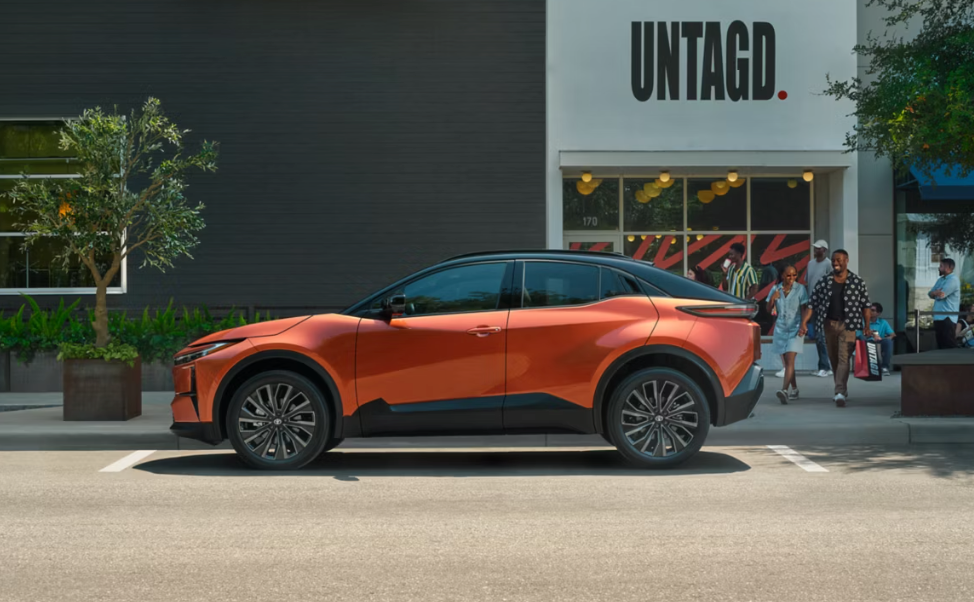
If you are shopping electric SUVs in Durham, the 2026 Toyota C-HR deserves attention because it is not simply a revived nameplate. It returns to the United States as an all-new battery electric vehicle built for drivers who want a smaller footprint, sharper styling, and more personality than a typical compact crossover. At Mark Jacobson Toyota, that is the clearest way to understand it. The 2026 C-HR is the Toyota EV for buyers who want something more expressive and more performance-minded than a basic commuter appliance, but still practical enough to use every day in the Triangle.

Toyota’s official 2026 specs give the model a strong first impression. Toyota says the C-HR comes standard with dual-motor all-wheel drive, delivers 338 net combined horsepower, and offers up to 287 miles of EPA-estimated range in SE trim and 273 miles in XSE. Toyota also says it uses a North American Charging Standard port and can charge from 10 percent to 80 percent in around 30 minutes under ideal DC fast-charging conditions. Starting MSRP is listed at $37,000 before dealer processing and handling. That combination makes the C-HR more than an urban-style EV. It positions the vehicle as a sporty small electric SUV that still has real driving range and all-weather confidence.

In this guide, we break down range, charging, AWD performance, trim differences, and daily-driver practicality for Durham, Raleigh, Chapel Hill, Cary, Apex, and RTP buyers. We also explain which version of the C-HR fits your commute best, when the compact size is a benefit, and when you should move up to a larger SUV instead.
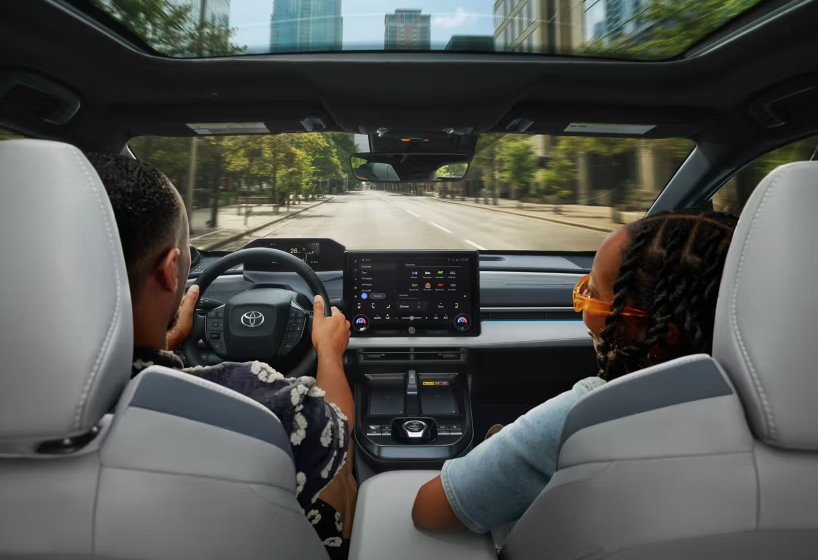
2026 Toyota C-HR dashboard interior

2026 Toyoya C-HR

Definition: The 2026 Toyota C-HR is a compact battery electric SUV designed for drivers who want sporty styling, standard all-wheel drive, and real EV range in a smaller footprint. For Durham-area buyers, it fits best as a daily commuter EV with more personality than a typical small crossover.

Range, Charging, and Everyday EV Practicality

The first question most buyers should ask is not whether the C-HR is interesting. It is whether its range and charging story make sense for the way they actually drive around Durham and the Triangle.

287-mile SE range vs 273-mile XSE range and what that means in real Triangle driving

Toyota says the 2026 C-HR reaches up to 287 miles of EPA-estimated range in SE trim and 273 miles in XSE. Those numbers matter because they place the C-HR in a very workable zone for commuting, errands, and normal Triangle life without making daily range anxiety the center of ownership. For a Durham commuter driving to RTP, or for a Raleigh buyer using the vehicle for weekday errands and regional travel, that range is enough to make the C-HR feel like a normal daily vehicle rather than something that constantly demands planning.

The trim split also matters more than it first appears. SE is the stronger efficiency and range trim, which makes it the cleanest value answer for drivers who want the most miles between charges. XSE gives up some range, but it does so in exchange for a richer equipment level and a more premium everyday feel. That means the choice is not simply “which one has the biggest number.” It is “which trim gives the better balance between daily EV practicality and the features or look you care about most.”

Range and Charging Factor2026 C-HR SE2026 C-HR XSEBest Fit
EPA-Estimated RangeUp to 287 milesUp to 273 milesSE for buyers prioritizing maximum range
Charging PortStandard NACSStandard NACSBoth trims support modern public-charging access
DC Fast Charging10% to 80% in about 30 minutes under ideal conditions10% to 80% in about 30 minutes under ideal conditionsBoth support reasonable road-trip stop logic
Wheel / Equipment LogicBest efficiency-focused trim pathMore premium-oriented trim pathDepends on whether range or features matter more
Commuter FitBest for longer weekday milesBest for buyers comfortable trading a little range for richer trim feelRoutine decides
Overall Buy LogicRange-first value trimFeature-first premium trimDifferent priorities, not a simple winner

Based on Toyota USA Newsroom and Mark Jacobson Toyota’s 2026 C-HR page.

NACS, DC fast charging, home charging, and apartment-charging reality in Durham

The C-HR’s charging story is stronger than many buyers will expect because Toyota says the vehicle uses a North American Charging Standard charge port. That matters for buyers in Durham and the Triangle because it improves access to an increasingly relevant charging ecosystem without forcing the car into a niche charging experience. Toyota also says the vehicle supports DC fast charging from 10 percent to 80 percent in around 30 minutes under ideal conditions, which helps the C-HR make more sense beyond purely local use.
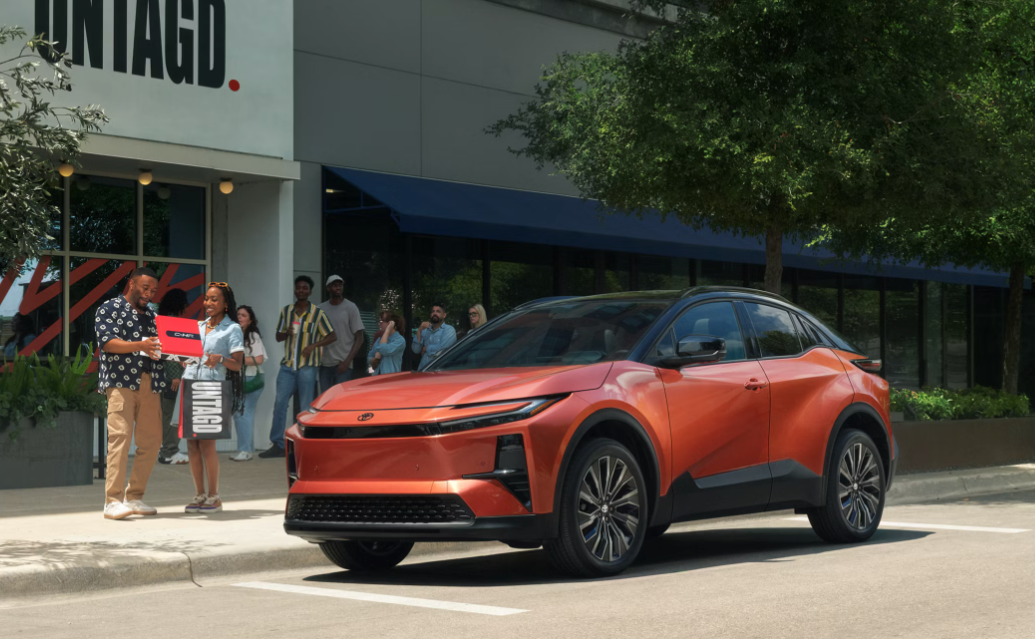
2026 Toyota C-HR exterior

But the real ownership question is still home charging. For a Durham buyer with a garage or dependable home setup, the C-HR becomes very easy to live with because the vehicle can be topped off at home and used like a normal commuter SUV. For an apartment renter in Raleigh or Cary who depends on public charging alone, the decision is more conditional. The C-HR can still work, but only if the charging plan is consistent enough that EV ownership does not start to feel like extra logistics. That is the line buyers should take seriously. The C-HR’s tech is ready. Your parking and charging reality still has to be ready too.

Which Durham drivers will find the C-HR easiest to live with

We recommend the C-HR first for commuters with reliable charging and a routine that stays comfortably inside its real-world range envelope. That includes RTP commuters, Durham professionals with home charging, and buyers who want an EV for daily life but do not need the size of a larger family crossover. The C-HR is especially attractive when your driving pattern is predictable and your parking setup makes overnight charging easy.

We recommend more caution for buyers who do not control their charging situation or who are trying to make the C-HR do too many family-SUV tasks. The vehicle works best when it is used as a compact daily-driver EV with style and performance appeal. It is less compelling if the whole household expects it to replace a larger cargo-friendly family vehicle without compromise.

  • Choose C-HR if you have dependable charging and want a compact EV for regular daily use.
  • Choose SE if your commute is longer and range matters more than trim upgrades.
  • Be more cubic if you rely fully on inconsistent public charging or need frequent larger-family cargo flexibility.
View 2026 Toyota C-HR Inventory

Performance, AWD, and Why the C-HR Feels Different From a Basic EV

The 2026 C-HR is not interesting only because it is electric. It is interesting because Toyota has given it enough power and traction to feel notably more serious than a bare-minimum compact EV.

338 hp, standard AWD, 0-60 pace, regenerative braking, and sporty compact-EV positioning

Toyota says the C-HR delivers 338 net combined horsepower from its dual-motor electric setup and includes standard all-wheel drive. Toyota also estimates a 0-60 mph time of about 4.9 seconds. Those figures immediately put the C-HR in a different conversation than a value-first compact EV. This is part of why the model’s positioning works so well. The C-HR is not only an efficiency play. It is also a compact electric SUV with enough pace to feel genuinely entertaining, especially for buyers who want something more responsive than the average commuter crossover.

That also matters in Triangle driving. Standard AWD makes the C-HR easier to justify for buyers who want extra traction in wet weather and more composure during everyday driving, while the power output makes highway merging, passing, and stoplight response feel less compromised than many buyers expect from a compact electric SUV. Toyota also says the vehicle uses paddle-activated regenerative braking control, which adds a more interactive layer to EV driving. For Durham-area buyers, that helps the C-HR feel like more than just a practical box. It feels like an EV with some real enthusiast-adjacent intent behind it.
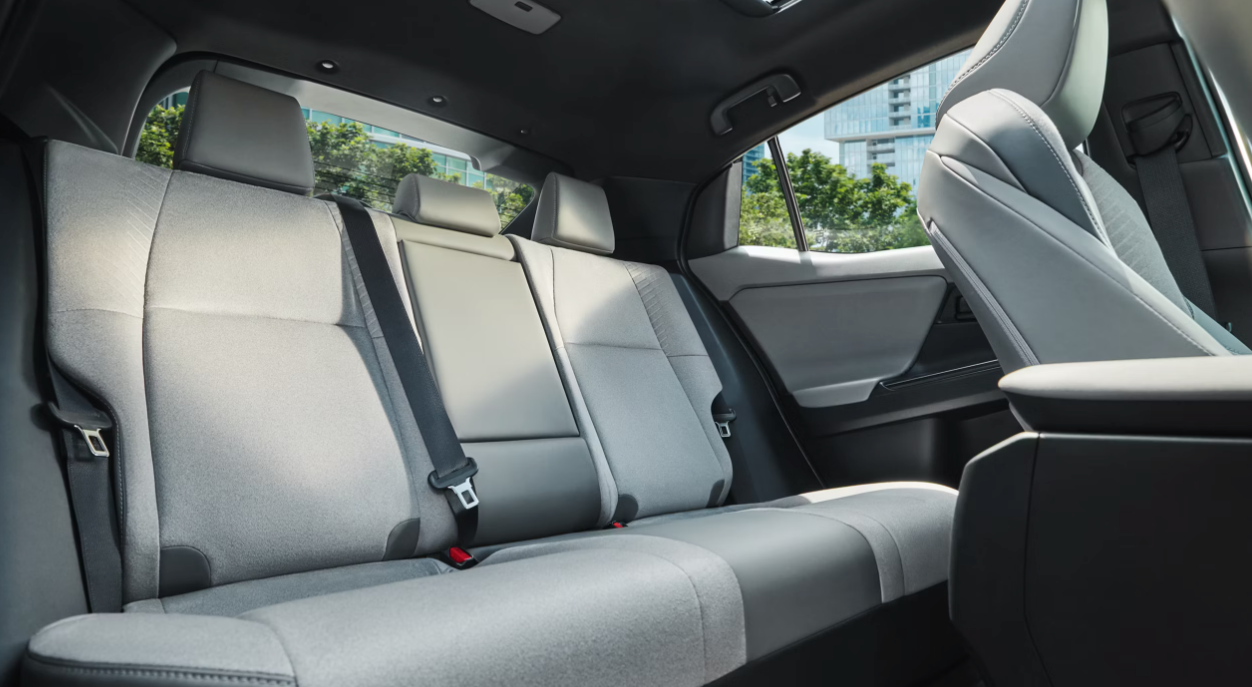
2026 Toyota C-HR rear seating and cabin space
Performance Factor2026 Toyota C-HRWhy It MattersBest Fit
Power Output338 net combined hpMakes the C-HR feel quick and more premium than a basic commuter EVDrivers who want EV performance without moving up in size
DrivetrainStandard dual-motor AWDAdds traction and all-weather confidenceDurham and Triangle daily driving
0-60 EstimateAbout 4.9 secondsConfirms the sporty side of the C-HR’s positioningBuyers wanting stronger EV response
Drive FeelCompact EV with more punch than a basic crossoverHelps differentiate the C-HR from ordinary small SUVsStyle- and performance-minded buyers
Regen ControlPaddle-controlled regenerative brakingAdds adjustability and EV-driving engagementDrivers who want a more involved EV experience
Starting MSRP$37,000 before dealer processing and handlingPuts the C-HR in a more premium small-EV positionBuyers balancing price with EV features and performance

Based on Toyota USA Newsroom and Mark Jacobson Toyota’s 2026 C-HR page.

Which 2026 Toyota C-HR trim is the smartest buy for your budget and routine?

For many Durham-area buyers, the smartest 2026 C-HR is SE because it gives you the strongest range figure and the cleanest value path into the lineup while still preserving the car’s standard AWD and 338-horsepower identity. That is a compelling combination because Toyota did not strip the base trim of the core powertrain story. The SE is not the “good enough” trim. It is the most rational trim for buyers who want the C-HR’s main strengths without paying more for a richer equipment layer.

  • Choose SE if you want the strongest range and the cleanest overall value case.
  • Choose XSE if you want the more premium equipment and are comfortable with the smaller range number.
  • Choose C-HR in general if you want a compact EV that feels more performance-forward than utility-first.
  • Choose a larger SUV instead if your main goal is maximum family space rather than compact EV personality.

If you are serious about the 2026 C-HR, we recommend seeing SE and XSE side by side and talking through range, charging, and trim priorities before you decide. Our team can help you compare the range tradeoff, explain how the AWD and performance story stays strong in both trims, and show you where the premium feature differences become meaningful in daily use. Buyers from Durham, Raleigh, Chapel Hill, Cary, Apex, and RTP can call us at 919-493-5599 or start online before visiting. We can also help you request a quote on the C-HR trim that fits your commute, charging plan, and budget best.

Get Pre-Approved for a Toyota C-HR

SE vs XSE: Features, Interior, and Daily-Driver Fit

The trim walk matters because the C-HR is not only selling range and power. It is also selling style, technology, and a more upscale small-EV experience than many buyers expect.

14-inch touchscreen, premium cabin feel, cargo usability, and which trim fits Durham commuters best

Toyota says every 2026 C-HR gets a 14-inch touchscreen and Toyota Safety Sense 3.0, which is a strong baseline for a compact EV. That matters because it means the SE already arrives with one of the most visible premium-tech features in the cabin. The design itself also helps the C-HR feel less like a stripped entry EV and more like a vehicle that was meant to make a statement.

The XSE becomes the better fit when you want the more premium expression of the C-HR. Toyota positions it as the richer trim and backs that up with the slightly shorter range number that comes with the more feature- and style-focused setup.
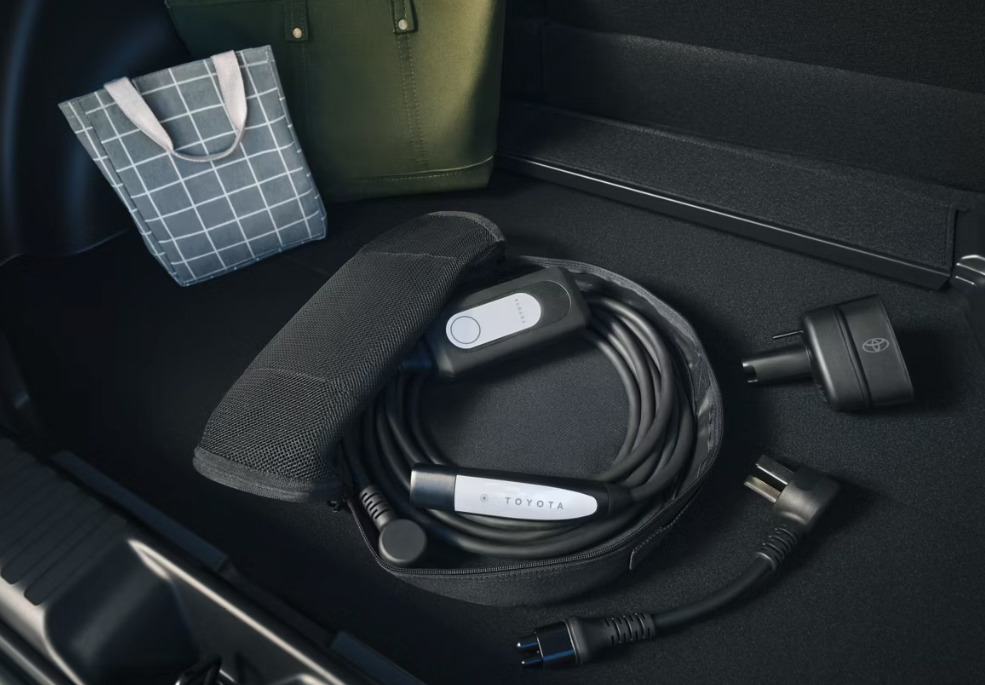
2026 Toyota C-HR cargo space and rear storage area
Driver ProfilePrimary NeedRecommended C-HR VersionWhy It Fits
Durham commuter with home chargingCompact EV with sporty feel and strong rangeC-HR SEBest range and value mix
RTP commuter with longer daily routeWants to protect the highest range figureC-HR SE287-mile trim logic makes more sense
Cary buyer wanting richer cabin feelPrefers more premium trim characterC-HR XSEStronger upper-trim appeal
Raleigh apartment EV shopperNeeds clear charging plan before buyingC-HR only if charging access is dependableOwnership fit matters more than trim at that point
Schedule a Toyota C-HR Test Drive

Visit Mark Jacobson

If you are comparing the C-HR against a hybrid crossover or trying to decide whether SE or XSE makes more sense, we can help you work through that with real numbers. Our team can review your current vehicle through our trade tools, compare finance options, and walk you through where the trim and charging differences become meaningful in daily use. Call us at 919-493-5599 or stop by our showroom at 4516 Durham-Chapel Hill Blvd.

Value Your Trade for a Toyota EV

When the C-HR Is the Right EV and When You Need More SUV

The 2026 C-HR is the right EV when your routine values compact size, charging convenience, and style. It is the wrong EV when you are really shopping for larger-family utility first.

We recommend the C-HR for solo drivers, couples, and smaller households that want a compact EV with more energy and visual personality than a typical small crossover. It is especially attractive for commuters who want all-wheel drive and do not need the extra bulk of a larger SUV. That is why the C-HR makes so much sense as a Durham or RTP daily driver. Its size is part of the appeal, not a compromise, when the routine fits it.

We recommend more SUV for households that are trying to combine frequent family duty, bigger cargo demands, or regular multi-passenger travel into the same vehicle. The C-HR can still function as a practical daily EV, but it is not designed to be the answer to every family-space problem. It is better to think of it as a sporty compact EV that happens to be useful than as a utility-first family crossover.

See Toyota EV and SUV Features

When the 2026 C-HR Makes More Sense Than a Gas or Hybrid Crossover

The C-HR makes the strongest financial and lifestyle case when its EV advantages are easy for the owner to use and when a larger crossover’s extra space would mostly go unused.

We recommend thinking about C-HR value in three layers. First is purchase price. Second is fueling or charging cost. Third is whether the owner’s routine actually matches a compact EV. The C-HR starts at $37,000 before dealer processing and handling, which means it is not pretending to be the cheapest vehicle in the segment. Its value case comes from pairing EV operation with standard AWD, strong power, and a more interesting small-SUV identity.

Schedule Toyota EV Service

Key Takeaways

  • The 2026 Toyota C-HR is a fully electric compact SUV, not the old gas C-HR.
  • Every 2026 C-HR gets standard dual-motor AWD and 338 net combined horsepower.
  • SE offers up to 287 miles of EPA-estimated range, while XSE offers up to 273 miles.
  • NACS and about 30-minute ideal-condition DC fast charging help its everyday EV case.
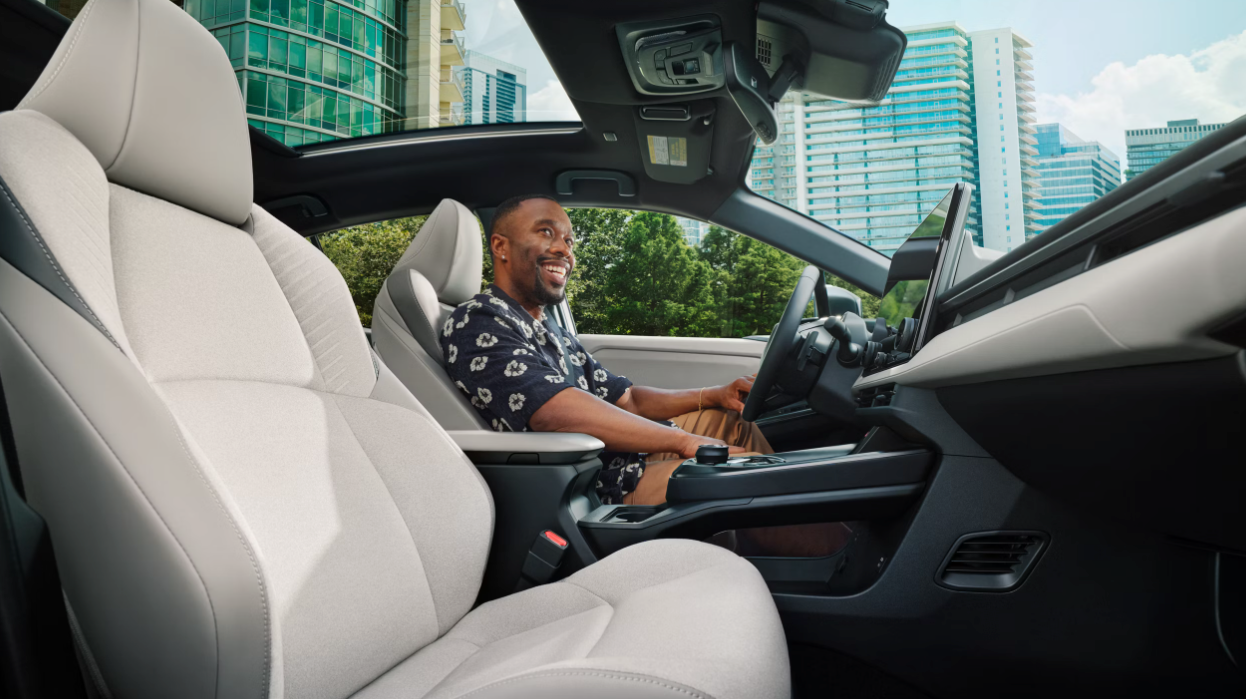
2026 Toyota C-HR interior cabin

2026 Toyota C-HR FAQ for Durham Drivers

Is the 2026 Toyota C-HR fully electric?

Yes. The 2026 Toyota C-HR returns to the U.S. as a battery electric vehicle, not as the old gas compact crossover. Toyota says it uses a dual-motor electric setup, includes standard all-wheel drive, and is built as an EV from the start. That makes it a very different product than the previous C-HR many shoppers may remember.

How many miles of range does the 2026 Toyota C-HR get?

Toyota says the 2026 C-HR offers up to 287 miles of EPA-estimated range in SE trim and up to 273 miles in XSE trim. That gives buyers a useful range split to shop around depending on whether they prioritize maximum distance or a more premium equipment level. For many Triangle commuters, either number is workable for daily life when charging access is strong.

Does the 2026 Toyota C-HR have AWD?

Yes. Every 2026 Toyota C-HR comes with standard dual-motor all-wheel drive. Toyota also says the EV produces 338 net combined horsepower, which gives the vehicle stronger acceleration and all-weather confidence than many buyers expect from a compact electric SUV. That standard AWD setup is one of the model’s biggest selling points.

Which 2026 Toyota C-HR trim is best?

For many buyers, the best 2026 Toyota C-HR trim is SE because it gives the strongest range figure and the cleanest overall value story while keeping the same 338-horsepower AWD powertrain. XSE is the better answer if you want the richer trim experience and are comfortable with the smaller range number. The right trim depends on whether you prioritize range-first logic or feature-first daily satisfaction.

We are here to help you choose the right 2026 Toyota C-HR at Mark Jacobson Toyota, 4516 Durham-Chapel Hill Blvd, Durham, NC 27707. Our team works with drivers from Durham, Raleigh, Chapel Hill, Cary, Apex, and RTP every day, and we know how often the right EV choice comes down to charging reality, trim fit, range, and daily lifestyle more than anything else. Call us at 919-493-5599, start online, or visit us in person so we can help you find the EV that makes sense for your life in the Triangle.
Posted in:

Related Posts

2027 Toyota Sequoia Trailhunter Preview for Durham Drivers

2027 Toyota Sequoia Trailhunter Preview for Durham Drivers

2027 Toyota Sequoia Preview • Durham, NC A First Look at the 2027 Toyota Sequoia Trailhunter Package Toyota is updating Sequoia for 2027 with a new Trailhunter package, refreshed styling, more advanced cabin technology and Toyota Safety Sense 4.0. The 2027 Toyota Sequoia brings one of the most substantial updates to Toyota's full-size SUV since the current generation arrived, and the biggest addition for adventure-focused shoppers is the newly available Trailhunter package. Toyota has confirmed that the package will be based on the SR5 grade and will add Old Man Emu upgraded suspension components, Michelin LTX Trail 265/70R18 tires, bronze-finished wheels, front recovery hooks, additional underbody protection and dedicated off-road systems. The update goes beyond Trailhunter. Every 2027 Sequoia will benefit from Toyota's latest-generation Audio Multimedia system with a standard 14-inch display, a built-in Drive Recorder Dash Cam and Toyota Safety Sense 4.0. Toyota is also refreshing the exterior design and expanding Digital Key functionality for compatible vehicles and devices. There is an important limitation for early shoppers, though. Toyota announced the 2027 Sequoia in July 2026 and stated that full model-year details would follow in fall 2026. That means pricing, complete trim specifications, final powertrain figures, towing ratings, fuel-economy estimates and package pricing should not be assumed from the 2026 model. This preview focuses only on what Toyota has officially confirmed for 2027 so Durham shoppers can understand what is actually changing without treating preliminary information as a final specification sheet. What Is the 2027 Sequoia Trailhunter Package? Trailhunter is an available factory-built package for the 2027 Toyota Sequoia SR5 designed to add overlanding and off-road hardware without requiring shoppers to move directly to the TRD Pro. Toyota has confirmed upgraded suspension, trail-oriented tires, underbody protection, recovery equipment and dedicated traction systems, while complete pricing and final package specifications are still pending. 2027 Sequoia Preview 2027 Sequoia Trailhunter Guide: Off-Road Hardware, Technology and Safety Updates What Is New for the 2027 Sequoia? Sequoia Trailhunter Package Multi-Terrain Select, Crawl Control and Locking Differential New 14-Inch Multimedia and Drive Recorder Toyota Safety Sense 4.0 Trailhunter vs. TRD Pro Durham and North Carolina Adventure Use 2027 Sequoia Trailhunter FAQ What Is New for the 2027 Toyota Sequoia? Toyota's 2027 Sequoia update touches design, off-road capability, multimedia technology and driver assistance. The exterior receives a sharper and more assertive appearance, while the technology package takes a larger step forward through the newest Toyota Audio Multimedia platform and Toyota Safety Sense 4.0. The headline addition is Trailhunter. Toyota already uses the Trailhunter concept elsewhere in its truck and SUV lineup, but the 2027 model year brings an available Trailhunter package to Sequoia for the first time. Instead of creating a separate luxury-oriented grade, Toyota is basing the package on the SR5 and adding hardware aimed at drivers who want to use the full-size SUV for trails, camping and overlanding-style travel. TRD Pro also receives its own update. Toyota says the 2027 TRD Pro gets new Sequoia-tuned FOX enhanced QS3 shocks, standard red tow hooks and a new Honeycomb exterior color. That is important because Trailhunter is not replacing TRD Pro. The two approaches will coexist, giving adventure-oriented buyers another choice within the Sequoia lineup. 2027 Sequoia Update What Toyota Has Confirmed Why It Matters Trailhunter Package New package based on SR5 with dedicated trail and overlanding equipment Creates an off-road-focused path separate from TRD Pro. Exterior Design Sharper, updated styling Refreshes the current-generation Sequoia appearance. Multimedia Latest Toyota Audio Multimedia with standard 14-in. display Larger interface becomes standard rather than dependent on grade. Drive Recorder Built-in Drive Recorder Dash Cam Allows compatible exterior cameras to capture short event clips when enabled. Safety Toyota Safety Sense 4.0 standard Moves Sequoia to Toyota's newer driver-assistance generation. Digital Key Enhanced available functionality Adds compatible native smartphone wallet integration. Newly Available 2027 Sequoia Trailhunter Package The Trailhunter package is the clearest reason adventure shoppers should pay attention to the 2027 model. Toyota is not treating Trailhunter as an appearance package. The confirmed equipment starts underneath the vehicle with an Old Man Emu upgraded suspension designed to better support travel over uneven terrain. Toyota pairs that suspension with Michelin LTX Trail 265/70R18 tires and bronze-finished wheels. The tire size matters because this is not simply a larger wheel chosen for styling. An 18-inch wheel paired with an all-terrain-oriented tire leaves more sidewall than a large luxury wheel, which is useful when the goal includes unpaved roads, loose surfaces and uneven trail conditions. Old Man Emu Upgraded Suspension Old Man Emu is an established off-road suspension brand associated with ARB, and Toyota specifically identifies an upgraded Old Man Emu suspension as part of the Sequoia Trailhunter package. Toyota has not yet published all of the final suspension dimensions or detailed ride-height specifications for the 2027 package, so it would be premature to claim a particular lift or ground-clearance figure. What we can say is that the suspension is one of the components Toyota chose to distinguish Trailhunter from an ordinary SR5. That gives the package more substance than simply fitting aggressive tires and badges to a standard suspension. Michelin LTX Trail Tires and Bronze Wheels The package uses Michelin LTX Trail tires sized 265/70R18. Compared with a large-wheel street setup, the 18-inch configuration is consistent with the package's off-pavement purpose. Toyota also gives the wheels a bronze finish, making them one of the Trailhunter's most visible design differences. For a Durham driver who spends most of the week on pavement but regularly heads toward gravel access roads, campsites or mountain destinations, tires may be one of the package features you notice most often. They are the only part of the SUV constantly contacting the road or trail, so their role extends beyond appearance. Front Recovery Hooks and Underbody Protection Toyota has also confirmed front recovery hooks and enhanced underbody protection. Recovery points can be useful when trail travel becomes more difficult, while additional protection is intended to help shield vulnerable components from rocks, ruts and trail debris. That does not mean the Sequoia is invulnerable off road. Vehicle size, surface conditions, tire condition, driver experience and obstacle clearance still matter. Trailhunter adds hardware intended for this type of travel; it does not eliminate the need to choose an appropriate route or operate the vehicle carefully. Trailhunter Off-Road Systems: Multi-Terrain Select, Crawl Control and Locking Rear Differential The mechanical package is supported by electronic traction tools. Toyota has confirmed that Sequoia Trailhunter includes Multi-Terrain Select, Crawl Control and a locking rear differential. Multi-Terrain Select is designed to let the driver choose settings that adjust vehicle control for different low-traction surfaces. Rather than assuming one throttle and traction-control calibration works equally well everywhere, the system can adapt its response to the selected terrain setting. Crawl Control is a low-speed off-road assistance system. Under appropriate conditions, it manages throttle and braking at a selected low speed so the driver can focus more attention on steering and vehicle placement. It is not an autonomous trail-driving system, and the driver remains responsible for choosing the route and controlling the vehicle. The locking rear differential helps when additional rear-wheel traction is needed by allowing both rear wheels to receive more consistent power together in appropriate off-road conditions. It is especially relevant when one rear wheel would otherwise have significantly less traction than the other. What Makes Trailhunter More Than an Appearance Package? Toyota has confirmed that the 2027 Sequoia Trailhunter package combines upgraded suspension, trail-focused tires, recovery equipment, underbody protection, Multi-Terrain Select, Crawl Control and a locking rear differential. Those systems address suspension control, traction, component protection and recovery rather than simply changing exterior trim. Standard 14-Inch Multimedia and New Drive Recorder Technology For 2027, the technology update may be just as relevant to everyday owners as Trailhunter is to adventure drivers. Toyota says Sequoia will use its latest-generation Audio Multimedia system and that a 14-inch screen will be standard. The system incorporates AT&T 5G connectivity and introduces a more customizable home-screen experience with widgets. Toyota also says its embedded Voice Assistant has been updated to provide faster responses to "Hey Toyota" commands. For a full-size SUV that may be used for family road trips, towing and navigation to unfamiliar destinations, moving the large screen to standard equipment simplifies the technology decision. Buyers will not have to select a higher grade simply to move from a small base display to the 14-inch interface. Built-In Drive Recorder Dash Cam The new multimedia architecture also enables a standard built-in Drive Recorder Dash Cam. When enabled, Toyota says compatible exterior cameras can record 20-second clips for manual or triggered events. Depending on vehicle equipment, the system can use front and rear cameras or Panoramic View Monitor cameras. This is different from simply mounting an aftermarket camera to the windshield. The Drive Recorder is integrated into Toyota's vehicle camera and multimedia architecture. Final operating details, storage requirements and limitations should be checked once Toyota releases the complete 2027 documentation. Enhanced Digital Key Toyota has also announced enhanced available Digital Key functionality. In addition to accessing Digital Key through the Toyota app, compatible users will be able to manage supported functionality through a native digital wallet on devices such as Apple, Google or Samsung smartphones. Functions can include locking, unlocking, starting and operating a supported vehicle. Digital Key availability still depends on compatible equipment, device compatibility and applicable Connected Services terms, so shoppers should not assume every 2027 Sequoia includes it permanently. Toyota Safety Sense 4.0 Comes to the 2027 Sequoia The 2027 Sequoia will also move to Toyota Safety Sense 4.0. That is a meaningful model-year change because the 2026 Sequoia uses an earlier Toyota Safety Sense generation. Toyota has confirmed TSS 4.0 as standard for 2027, but complete feature-level specifications and operating details should be taken from the final 2027 manual and official Toyota documentation when released. This distinction matters because Toyota Safety Sense is not one identical package across every Toyota model and model year. Sensor hardware, software capability and individual functions can change as Toyota introduces newer versions. For a Durham household using a Sequoia on I-40, I-85, NC-147 and long family trips, driver-assistance technology can help reduce some routine workload under appropriate conditions. It is still assistance technology. Toyota Safety Sense does not make the Sequoia autonomous, does not permit the driver to stop paying attention and cannot guarantee that a collision will be avoided. That same limitation applies when the vehicle is equipped for adventure use. Trailhunter's off-road systems and TSS 4.0 address different environments and different driving tasks. One does not replace the other, and neither substitutes for driver judgment. 2027 Sequoia Trailhunter vs. TRD Pro: What Is the Difference? The addition of Trailhunter creates an interesting decision because Toyota will continue to offer the Sequoia TRD Pro. Both are aimed at buyers who want more capability than a street-focused full-size SUV, but Toyota is giving them different hardware and identities. Trailhunter is an available package built from SR5. Its confirmed equipment centers on Old Man Emu suspension, Michelin LTX Trail tires, bronze wheels, recovery hooks, underbody protection and trail-control systems. The concept is closely aligned with overlanding, where the vehicle must cover pavement to reach more remote destinations and then travel confidently beyond it. TRD Pro remains a dedicated off-road grade. For 2027, Toyota has confirmed new Sequoia-tuned FOX enhanced QS3 shocks, red tow hooks and the new Honeycomb color. Toyota also says the shocks offer additional adjustability and are tuned for rough terrain. 2027 Adventure Option Confirmed Focus Key Confirmed Hardware Trailhunter Package Factory overlanding and trail capability based on SR5 Old Man Emu suspension, Michelin LTX Trail tires, bronze wheels, recovery hooks, underbody protection, MTS, Crawl Control, locking rear differential TRD Pro Dedicated performance-oriented off-road grade Sequoia-tuned FOX enhanced QS3 shocks, red tow hooks and model-specific off-road equipment For now, the useful takeaway is not that one is better. Trailhunter should appeal to shoppers attracted to the factory overlanding approach and SR5-based package structure. TRD Pro remains the more established dedicated off-road grade. Final pricing, complete standard equipment and detailed 2027 specifications will make that decision clearer once Toyota releases them. How the 2027 Sequoia Trailhunter Could Fit Durham and North Carolina Trips A full-size Trailhunter makes the most sense for a household that genuinely needs both Sequoia-size utility and trail-oriented equipment. Around Durham, that could mean one vehicle handling regular family travel during the week and carrying passengers, camping equipment and outdoor gear toward western North Carolina on weekends. Its size is also part of the decision. A Sequoia is a full-size SUV, so someone who primarily wants maneuverability around Durham and occasional dirt-road capability should also compare smaller Toyota options. The Land Cruiser and 4Runner occupy different spaces in Toyota's rugged SUV lineup and may be easier to live with for drivers who do not need Sequoia's full-size footprint. Trailhunter becomes more compelling when the larger vehicle itself is already justified. If you need the passenger capacity, road-trip size and overall utility of Sequoia and also want additional factory trail hardware, the package combines those needs instead of forcing you to start with a more street-oriented configuration and modify it later. What Toyota Has Not Confirmed Yet for the 2027 Sequoia An early preview is most useful when it is clear about what remains unknown. Toyota's initial announcement explicitly says full 2027 Sequoia details will follow later in 2026. Confirmed for 2027 Still Awaiting Full 2027 Details Trailhunter package based on SR5 Trailhunter package pricing Old Man Emu upgraded suspension Complete suspension dimensions and ground clearance Michelin LTX Trail 265/70R18 tires Final trim-by-trim wheel and tire specifications Multi-Terrain Select, Crawl Control and locking rear differential Complete trim and package matrix Standard 14-in. multimedia screen Final MSRP by grade Standard TSS 4.0 Full feature-level TSS specifications Built-in Drive Recorder Final 2027 powertrain, towing and EPA data Until Toyota publishes those figures for the exact 2027 model, we would not use 2026 horsepower, towing capacity, MPG or pricing as substitutes. Adjacent model years can share hardware, but similarity is not confirmation. Shoppers who need a full-size Toyota SUV now can instead review the existing 2026 Toyota Sequoia guide and current Sequoia inventory in Durham. Those resources cover vehicles that are currently documented and available rather than requiring assumptions about the upcoming model. Browse Current Sequoia Inventory View Current Sequoia Guide Key Takeaways The 2027 Sequoia introduces a new Trailhunter package based on the SR5 grade. Confirmed Trailhunter hardware includes Old Man Emu upgraded suspension, Michelin LTX Trail 265/70R18 tires, bronze wheels, recovery hooks and enhanced underbody protection. Multi-Terrain Select, Crawl Control and a locking rear differential are included with Trailhunter. Every 2027 Sequoia is set to receive a standard 14-inch multimedia display, built-in Drive Recorder and Toyota Safety Sense 4.0. TRD Pro remains separate and receives new Sequoia-tuned FOX enhanced QS3 shocks for 2027. Final 2027 pricing, powertrain specifications, towing ratings, MPG and full trim details should be verified once Toyota publishes the complete model-year information. 2027 Toyota Sequoia Trailhunter FAQ Is there a 2027 Toyota Sequoia Trailhunter? Toyota has confirmed a newly available Trailhunter package for the 2027 Sequoia. It is based on the SR5 grade and adds dedicated off-road and overlanding equipment including Old Man Emu upgraded suspension, Michelin LTX Trail 265/70R18 tires, bronze-finished wheels, front recovery hooks and additional underbody protection. What off-road features come with Sequoia Trailhunter? Toyota has confirmed Multi-Terrain Select, Crawl Control and a locking rear differential in addition to the upgraded suspension, trail-focused tires, recovery hooks and underbody protection. Complete dimensions and package specifications should be checked again when Toyota publishes the final 2027 documentation. Does the 2027 Sequoia have Toyota Safety Sense 4.0? Yes. Toyota has announced Toyota Safety Sense 4.0 as standard equipment for the 2027 Sequoia. TSS is a suite of driver-assistance technology rather than an autonomous-driving system, and the driver remains responsible for vehicle control and attention at all times. How much will the 2027 Sequoia Trailhunter cost? Toyota had not published final 2027 Sequoia or Trailhunter package pricing at the time of this preview. Toyota said complete 2027 details would be announced later in 2026, so current 2026 Sequoia pricing should not be presented as the 2027 price. Is Trailhunter replacing the Sequoia TRD Pro? No. Toyota has confirmed updates for the 2027 TRD Pro alongside the newly available Trailhunter package. Trailhunter takes a factory overlanding-oriented approach based on SR5, while TRD Pro remains a dedicated off-road grade and receives new Sequoia-tuned FOX enhanced QS3 shocks for 2027. Follow the 2027 Sequoia as Toyota Releases More Details The 2027 Sequoia already has several meaningful confirmed upgrades, but shoppers should wait for Toyota's complete specifications before comparing price, towing, powertrain output or fuel economy with the current model. In the meantime, Mark Jacobson Toyota in Durham can help you compare the current Sequoia with the Land Cruiser, 4Runner and other Toyota SUVs while you decide whether waiting for the Trailhunter package makes sense for your plans. View Current Sequoia Inventory Related Toyota Insights & Ownership Guides Full-Size SUV Guide 2026 Toyota Sequoia: Power, Space and Luxury for Durham Families Review the currently available Sequoia lineup, including full-size family utility, current powertrain details and towing considerations. Read More → Adventure SUV Guide 2026 Toyota Land Cruiser Hybrid Guide for Durham Compare a smaller Toyota adventure SUV with standard hybrid power, dedicated four-wheel-drive hardware and mountain-trip capability. Read More → Rugged SUV Comparison Toyota 4Runner vs Land Cruiser: Durham SUV Guide Compare Toyota's midsize rugged SUVs if full-size Sequoia dimensions are more capability than your household actually needs. Read More → Family SUV Guide 2026 Toyota Highlander vs Grand Highlander: Which Toyota SUV Fits Your Family? Compare Toyota's family-focused three-row crossovers if towing and Trailhunter-level off-road hardware are not priorities. Read More →

2026 Toyota Camry Interior and Technology Guide for Durham Drivers

2026 Toyota Camry Interior and Technology Guide for Durham Drivers

2026 Toyota Camry Guide • Durham, NC Inside the 2026 Toyota Camry: Comfort, Connectivity and Everyday Technology See how the 2026 Toyota Camry combines passenger space, digital displays, wireless smartphone integration and available premium comfort features for everyday driving around Durham and the Triangle. The 2026 Toyota Camry interior is built around a useful idea: you do not need to move all the way to the top of the lineup to get the technology most drivers use every day. Wireless Apple CarPlay and Android Auto, a Qi-compatible wireless charging pad, five USB ports, dual-zone automatic climate control and Toyota Safety Sense 3.0 are available across the broader Camry experience, while upper trims concentrate the bigger upgrades in display size, seating materials, comfort and available connected technology. For Durham shoppers, that changes the trim decision. The question is less about whether the Camry has modern connectivity and more about how much screen space, cabin refinement and convenience technology you want to add. LE, SE and Nightshade keep the core interface straightforward. XLE and XSE move into a more premium digital environment with standard 12.3-inch displays and additional comfort options. The Camry also remains a practical five-passenger midsize sedan. Toyota lists 42.1 inches of front legroom, 38.0 inches of rear legroom and 15.1 cubic feet of cargo capacity, so the cabin discussion should include actual passenger and trunk needs, not only screens and apps. What Defines the 2026 Toyota Camry Interior? The 2026 Toyota Camry is a five-passenger midsize hybrid sedan offered in LE, SE, Nightshade, XLE and XSE trims. Its cabin combines standard smartphone connectivity and climate-control features with a trim structure that progressively adds larger digital displays, upgraded seating, premium audio and available connected-services technology. 2026 Camry Interior Guide 2026 Camry Interior Guide: Features, Screens and Cabin Technology Inside the 2026 Toyota Camry Passenger Space and Cargo Touchscreen and Digital Displays Apple CarPlay, Android Auto and Charging Comfort and Convenience Features Toyota App, Digital Key and Connected Services Toyota Safety Sense 3.0 Which Camry Interior Fits You? 2026 Camry Interior FAQ Inside the 2026 Toyota Camry The current Camry cabin is designed around a horizontal dashboard layout that keeps the multimedia display high enough to read without turning the center stack into one giant screen. Physical controls remain available for frequently used functions, while the digital displays handle vehicle information, audio, navigation and connected features. What matters most for shoppers is that Toyota separates the lineup into two broad technology experiences. LE, SE and Nightshade use a 7-inch digital gauge cluster and an 8-inch Toyota Audio Multimedia touchscreen as their standard starting point. XLE and XSE step up to a 12.3-inch digital gauge cluster and 12.3-inch center touchscreen as standard equipment. That means you can choose a lower Camry grade without giving up wireless smartphone integration simply to get navigation apps, music or calls on the screen. The premium trims mainly add display size, presentation and additional feature availability. The sport-oriented trims also change the feel of the cabin. SE and Nightshade use SofTex-and-fabric-trimmed seating and add sport-oriented details, while XLE shifts toward a more comfort-focused cabin. XSE combines the larger technology package with sport styling and available leather-trimmed interiors. 2026 Camry Passenger Space and Cargo Technology is easy to compare on a feature list. Passenger space requires a little more context because a sedan needs to work when the screens are turned off too. Toyota lists the 2026 Camry with seating for five, 42.1 inches of front legroom and 38.0 inches of rear legroom. Front headroom is 38.3 inches and rear headroom is 37.6 inches. Those numbers position the Camry as a midsize sedan rather than a compact commuter car, with a rear seat intended for regular passenger use rather than occasional short trips. 2026 Camry Interior Measurement Measurement Why It Matters Seating Capacity 5 passengers Useful for commuters who also need everyday family or passenger capability. Front Legroom 42.1 in. Provides substantial adjustment range for the front seating area. Rear Legroom 38.0 in. Important if adults or growing children regularly use the second row. Front / Rear Headroom 38.3 / 37.6 in. Helps shoppers evaluate seating position and rear passenger comfort. Trunk Capacity 15.1 cu. ft. Relevant for groceries, luggage and daily cargo without moving to an SUV. How Useful Is the 15.1-Cubic-Foot Trunk? The Camry has 15.1 cubic feet of cargo capacity. That is useful for normal sedan tasks such as grocery runs, work bags, airport luggage and daily family gear, but shoppers carrying tall boxes, large recreational equipment or bulky pet equipment should compare the trunk opening and shape in person. The rear seat uses a split-folding design, which adds flexibility when you need to carry a longer item while retaining part of the rear seat. It still does not create the vertical cargo space of a crossover. A Durham buyer deciding between Camry and a Corolla Cross or RAV4 should treat that body-style difference as more important than a small specification difference on paper. 2026 Camry Touchscreen and Digital Displays The biggest interior technology distinction in the 2026 Camry is display size. LE, SE and Nightshade start with a 7-inch digital gauge cluster and an 8-inch Toyota Audio Multimedia touchscreen. XLE and XSE use a 12.3-inch digital gauge cluster and 12.3-inch multimedia touchscreen as standard equipment. SE and Nightshade can also be configured with the larger 12.3-inch center touchscreen, so shoppers who prefer their sport styling do not necessarily have to move to XSE just to get more screen area. Exact equipment should always be checked on the specific vehicle. Trim Gauge Cluster Multimedia Screen Interior Technology Focus LE 7-in. digital cluster 8-in. touchscreen Core connectivity and straightforward daily usability. SE 7-in. digital cluster 8-in. standard; 12.3-in. available Sport-oriented cabin with the option to add a larger center display. Nightshade 7-in. digital cluster 8-in. standard; larger display availability depends on configuration Style-focused variation based on the sport side of the lineup. XLE 12.3-in. digital cluster 12.3-in. touchscreen Comfort-focused premium display environment. XSE 12.3-in. digital cluster 12.3-in. touchscreen Premium technology paired with sport-oriented design. What Does the Larger Screen Actually Change? The 12.3-inch touchscreen gives maps, media information and menus more visual room. That can be useful if you rely heavily on Apple CarPlay or Android Auto, especially for navigation, because more screen area can make map information easier to scan. But the larger screen does not suddenly unlock basic smartphone integration. Wireless Apple CarPlay and Android Auto compatibility are already part of the Camry technology package, so the upgrade is mainly about display size and presentation. Available 10-Inch Head-Up Display XLE and XSE can also offer a 10-inch color Head-Up Display. The HUD can place information such as speed, selected driver-assistance indicators and compatible navigation information closer to the driver's forward line of sight. It should be viewed as a convenience layer rather than a replacement for the digital instrument panel. For shoppers who spend substantial time on I-40, I-85 or NC-147, the appeal is the ability to reference key information without repeatedly looking down at the gauge cluster. Wireless Apple CarPlay, Android Auto and Device Charging One of the strongest parts of the Camry's cabin technology is that smartphone connectivity is not reserved for the premium trims. Toyota equips the multimedia system with wireless Apple CarPlay and wireless Android Auto compatibility, allowing compatible phones to connect without requiring a USB cable every time you enter the car. For many drivers, this is more important than factory navigation because it allows familiar phone apps for directions, audio, messages and calls to appear through the vehicle's interface. The Camry also includes a Qi-compatible wireless charging pad and five USB ports across the cabin. Toyota's 2026 documentation identifies three ports in the front area and two in the rear, which matters when several passengers need to keep devices powered during a longer drive. Everyday Technology That Does Not Require a Top Trim A shopper choosing Camry LE, SE or Nightshade does not need to move to XLE or XSE simply to get wireless smartphone integration, wireless charging or multiple USB connections. The premium-trim decision is primarily about larger displays, additional comfort equipment and expanded feature availability. Camry Comfort and Convenience Features The 2026 Camry's comfort story starts with features that are useful in North Carolina year-round. Dual-zone automatic climate control is available across the current Camry experience, with rear-seat vents helping distribute conditioned air to passengers in back. That rear ventilation matters more than it sounds during Durham summers because the front passengers are not the only people waiting for a cabin to cool down after the car has been parked outside. It also makes the Camry more practical for households that regularly carry children or adult passengers. LE, SE and Nightshade Seating LE keeps the cabin focused on straightforward daily use. SE moves into SofTex-and-fabric-trimmed sport seating and includes an eight-way power-adjustable driver's seat with power lumbar support. Nightshade follows the sport side of the lineup and uses SofTex-and-fabric seating with dark styling cues. That makes SE and Nightshade a useful middle ground for someone who wants a more distinctive cabin but does not need the premium display and seating package of XLE or XSE. XLE and XSE Comfort Upgrades XLE moves the Camry toward a more premium cabin. Toyota lists leather-and-microfiber-trimmed multi-stage heated front seats for XLE, with ventilated front seating available. XSE pairs the premium technology environment with sport-oriented styling and available leather-trimmed interiors. The Camry also offers available features such as a heated steering wheel, driver-seat memory and rain-sensing wipers depending on grade and package. These are the types of upgrades worth evaluating by use rather than simply counting features. If two people regularly share the Camry, seat-position memory may matter more than a premium audio upgrade. If the vehicle spends long summer afternoons outside, ventilated seating may be a bigger everyday benefit than an appearance package. The right interior is the one whose upgrades solve something you will notice repeatedly. Toyota App, Digital Key and Connected Services The Toyota App and Connected Services add another technology layer, but this is an area where shoppers should pay close attention to equipment, trials and subscriptions. Connected-service availability can depend on trim, multimedia configuration, account registration, cellular coverage and the specific package on the vehicle. Features can include Remote Connect functions and, on appropriately equipped vehicles, Digital Key. Digital Key requires compatible equipment and an active eligible Remote Connect service, so it should not be described as permanently included on every 2026 Camry. Similarly, Drive Connect can add cloud-based navigation and Intelligent Assistant functionality on compatible configurations. Toyota notes that Connected Services depend on network availability and may require a paid subscription after an included trial. If connected technology matters to your purchase, check the window sticker and current subscription details for the exact Camry you are considering rather than assuming every vehicle in the trim has the same package. For a deeper explanation of setup and eligibility, see our Toyota Remote Connect and Digital Key guide for Durham drivers. Toyota Safety Sense 3.0 and Driver-Support Technology The 2026 Camry includes Toyota Safety Sense 3.0. Its driver-assistance technologies include Pre-Collision System with Pedestrian Detection, Full-Speed Range Dynamic Radar Cruise Control, Lane Departure Alert with Steering Assist, Lane Tracing Assist, Road Sign Assist, Automatic High Beams and Proactive Driving Assist. Blind Spot Monitor with Rear Cross-Traffic Alert is also part of the current Camry safety and convenience package, and Safe Exit Alert can help warn occupants about certain approaching traffic when a door is being opened. These systems are designed to assist the driver under specific conditions. They do not make the Camry autonomous and they do not replace attentive driving, appropriate speed, visibility or normal braking and steering responsibility. A Current 2025-2026 Camry Ownership Note Toyota announced a safety recall in August 2026 involving certain 2025 and 2026 Camry vehicles because the 7-inch combination meter may become blank at startup. Not every 2026 Camry is affected, and recall applicability is VIN-specific. Owners can check a vehicle using Toyota's official recall and service campaign lookup. This does not change the trim comparison above, but it is relevant current ownership information for shoppers looking at a vehicle equipped with the 7-inch cluster. Which 2026 Camry Interior Fits Your Daily Routine? The interior decision becomes easier if you start with what you actually touch and use every day instead of assuming the most expensive trim is automatically the right one. Camry LE: Core Technology Without Paying for Premium Displays LE is the straightforward choice for drivers who want the current Camry platform, wireless smartphone integration, climate comfort and everyday safety technology without making large screens the center of the purchase. Its 8-inch multimedia display and 7-inch gauge cluster are smaller than the premium setup, but the underlying smartphone compatibility remains useful for commuting and daily navigation. Camry SE: Sportier Cabin With Room to Add Technology SE adds SofTex-and-fabric sport seating, an eight-way power driver's seat and sport-oriented cabin details. The available larger multimedia display can make SE particularly interesting for someone who likes the sport styling but wants more screen space without moving directly to XSE. Camry Nightshade: Style First Nightshade is best understood as a visual and sport-oriented branch of the lineup rather than a major technology jump. Its appeal is the combination of dark exterior accents and sport-themed interior details. If your decision is mainly about display size or premium comfort, compare its exact equipment against SE and XLE instead of assuming Nightshade adds more technology because it sits higher in the lineup. Camry XLE: Comfort and Digital Display Focus XLE is the clearest step for buyers who want a more premium everyday cabin. The standard 12.3-inch center touchscreen and 12.3-inch digital gauge cluster make the interface feel substantially different from LE, while heated leather-and-microfiber seating and available ventilation shift the priority toward comfort. For a driver spending significant time commuting between Durham and RTP, that combination may matter more than sport appearance details. Camry XSE: Premium Technology With Sport Styling XSE uses the same larger-display foundation while pairing it with the sport side of the Camry personality. It is the trim to compare when you want the premium technology environment but prefer a more athletic cabin and exterior presentation than XLE. The Most Important Interior Decision If wireless phone integration, climate control and core driver assistance cover your needs, the lower Camry trims already provide a strong technology foundation. XLE and XSE become more compelling when larger displays, premium seating, available ventilation, Head-Up Display availability or expanded connected features are things you will use regularly. You can compare the full 2026 Camry trim lineup if pricing, drivetrain and exterior equipment are also part of your decision. You can also browse current Toyota Camry inventory in Durham to compare the actual equipment listed on available vehicles. View Current Camry Inventory View 2026 Camry Details Key Takeaways The 2026 Camry seats five and provides 42.1 inches of front legroom, 38.0 inches of rear legroom and 15.1 cubic feet of trunk capacity. LE, SE and Nightshade use a 7-inch digital gauge cluster, while XLE and XSE move to a standard 12.3-inch digital cluster. XLE and XSE include a standard 12.3-inch Toyota Audio Multimedia touchscreen, while lower grades begin with an 8-inch screen. Wireless Apple CarPlay, wireless Android Auto, Qi wireless charging and five USB ports make core connectivity useful even before moving to a premium trim. XLE and XSE are most relevant when larger displays, premium seating and additional comfort technology matter more than simply having smartphone connectivity. Connected Services, Digital Key and some advanced convenience features depend on configuration, trial or subscription status. 2026 Toyota Camry Interior and Technology FAQ Does the 2026 Toyota Camry have wireless Apple CarPlay and Android Auto? Yes. The 2026 Camry's Toyota Audio Multimedia system supports wireless Apple CarPlay and wireless Android Auto compatibility with compatible smartphones. That means buyers do not need to move to XLE or XSE solely to get wireless smartphone integration. Which 2026 Toyota Camry has the 12.3-inch touchscreen? XLE and XSE include a 12.3-inch Toyota Audio Multimedia touchscreen as standard equipment. SE can also be configured with the larger touchscreen, and availability on a specific vehicle should be confirmed through its equipment list or window sticker. Does the 2026 Camry have Digital Key? Digital Key is available on appropriately equipped Camry configurations rather than universally standard across the lineup. It depends on compatible equipment and eligible Remote Connect service, which can require an active trial or subscription. Check the exact vehicle configuration if Digital Key is important to you. How much rear-seat and trunk space does the 2026 Camry have? Toyota lists 38.0 inches of rear legroom and 37.6 inches of rear headroom in the 2026 Camry. Trunk capacity is 15.1 cubic feet. Those measurements make the Camry useful for regular passenger and luggage duty while keeping the lower profile and driving position of a midsize sedan. Compare the 2026 Camry Interior in Person The difference between the Camry's 8-inch and 12.3-inch displays is easy to understand on a specification sheet, but seating position, screen visibility, rear-seat room and cabin materials are easier to judge from the driver's seat. Compare the trims that match your priorities rather than assuming the highest grade automatically provides the best fit. Mark Jacobson Toyota in Durham can help you compare current Camry configurations and identify which vehicles have the interior and technology features you want. Browse Current Camry Inventory Related Toyota Insights & Ownership Guides Camry Trim Guide 2026 Toyota Camry Trims and Pricing Compare LE, SE, Nightshade, XLE and XSE if pricing, drivetrain and trim positioning are part of your Camry decision. Read More → RTP Commute Guide 2026 Toyota Camry Hybrid MPG and Commute Guide for RTP Drivers See how the all-hybrid Camry lineup fits repeated Durham and RTP commuting, including MPG, AWD and everyday driving considerations. Read More → Sedan Comparison 2026 Toyota Camry vs. Honda Accord for Durham Drivers Compare the Camry against one of its closest midsize-sedan alternatives, including space, powertrain choices and technology. Read More → Connected Technology Toyota Remote Connect & Digital Key: Durham Setup Learn how Toyota connected features work, what equipment may be required and how to set up compatible services. Read More →

2026 Land Cruiser Hybrid Durham Guide

2026 Toyota Land Cruiser Hybrid Guide for Durham

The 2026 Toyota Land Cruiser hybrid pairs a 326-horsepower i-FORCE MAX turbo-hybrid powertrain with full-time four-wheel drive, locking differentials, and up to 8.7 inches of ground clearance, giving Durham drivers a genuinely trail-capable SUV that still works as a daily vehicle. At Mark Jacobson Toyota, we recommend it for families and outdoor drivers who want real off-road hardware without stepping into full-size SUV territory, especially those planning weekend trips into the Blue Ridge Mountains or hauling gear to Jordan Lake. For a Cary family loading kayaks and camping gear for a mountain weekend, the Land Cruiser's cargo space, locking differentials, and Multi-Terrain Select give the confidence to leave pavement behind without leaving comfort behind either. Two trims, the 1958 and the Land Cruiser, split the lineup between value-focused simplicity and premium comfort, and both share the same hybrid powertrain and off-road hardware. That single-powertrain approach is different from how we sell the Tacoma or Tundra, where buyers choose between gas and i-FORCE MAX power. Here, every 2026 Land Cruiser is a hybrid, which means every Durham-area buyer gets the same torque delivery and fuel efficiency regardless of trim. In this guide, we walk through the hybrid powertrain and trail hardware, trim differences, cargo and family fit, local driving comfort around Durham and RTP, mountain-trip planning toward Blue Ridge and Jordan Lake, ownership costs, and who the 2026 Land Cruiser actually fits best. By the end, you will know whether the Land Cruiser, the 4Runner, or the Sequoia makes more sense for your household, and which Land Cruiser trim lines up with how you plan to use it. Table of Contents Introduction Definition Block Hybrid Powertrain, 4WD, and Trail Capability 326 hp, 465 lb-ft, and why every Land Cruiser is a hybrid Full-time 4WD, locking differentials, and Multi-Terrain Select i-FORCE MAX Ownership and ToyotaCare Trim Comparison, Cargo, and Family Adventure Decision Support Land Cruiser vs 4Runner vs Sequoia comparison Cargo, comfort, and which Toyota SUV fits your household Daily Driving Comfort and Blue Ridge, Jordan Lake Road Trips Durham traffic, RTP commutes, and Triangle road trips Who the 2026 Land Cruiser Fits Best Land Cruiser Hybrid Ownership: Fuel Savings, Maintenance, and Long-Term Value Key Takeaways 2026 Toyota Land Cruiser FAQ for Durham Adventure Drivers Closing The 2026 Toyota Land Cruiser is a midsize, body-on-frame SUV built around a standard i-FORCE MAX hybrid powertrain and full-time four-wheel drive. It is designed for drivers who want dedicated off-road hardware, including locking differentials and low-range gearing, alongside daily comfort and hybrid efficiency. For drivers in Durham, Raleigh, Chapel Hill, Cary, and Apex, it supports routine commuting as well as weekend trips into the mountains or toward area lakes. Hybrid Powertrain, 4WD, and Trail Capability The 2026 Land Cruiser stands apart from other Toyota SUVs because every model, regardless of trim, runs the same 326-horsepower i-FORCE MAX hybrid powertrain paired with full-time four-wheel drive and locking differentials. 326 hp, 465 lb-ft, and why every Land Cruiser is a hybrid The 2026 Toyota Land Cruiser uses a 2.4-liter turbocharged i-FORCE MAX hybrid four-cylinder engine paired with an electric motor built into the eight-speed automatic transmission. That setup produces 326 horsepower and 465 lb.-ft. of torque, with peak torque arriving low in the rev range at 1,700 rpm. For Durham-area drivers, that means strong low-speed pulling power for trail obstacles, boat ramps, and loaded cargo runs, not just headline horsepower numbers. The 2026 Toyota Land Cruiser produces 326 horsepower and 465 lb.-ft. of torque from its i-FORCE MAX hybrid powertrain, with EPA ratings of 22 mpg city, 25 mpg highway, and 23 mpg combined. We recommend it for Apex and Cary drivers who want a genuine off-road SUV that does not force a major fuel-economy tradeoff for daily commuting. Every 2026 Land Cruiser, whether 1958 or Land Cruiser trim, shares this same drivetrain, so the powertrain decision is already made for you; the trim choice comes down to comfort and technology instead. You can review full specifications on our 2026 Land Cruiser research page before you decide. Spec Land Cruiser 1958 Land Cruiser Why It Matters Powertrain i-FORCE MAX 2.4L turbo hybrid i-FORCE MAX 2.4L turbo hybrid Identical drivetrain across the lineup Horsepower 326 hp 326 hp Same trail and highway power on both trims Torque 465 lb.-ft. 465 lb.-ft. Strong low-end pulling power for trails and cargo Starting MSRP* Around $58,000 Around $63,000 Entry pricing vs. added comfort and tech Infotainment Screen 8-inch touchscreen 12.3-inch touchscreen Larger display and tech on Land Cruiser trim Off-Road Hardware Locking diffs, low range Locking diffs, low range, Multi-Terrain Monitor Extra trail tech on the Land Cruiser trim Best For Value-focused off-road buyers Buyers wanting more comfort and tech Matches trim to priorities Based on Toyota's official website. *Starting MSRP shown before destination charge; confirm current pricing with our sales team. Choose the 1958 if you want standard locking differentials and low-range gearing without paying for a premium trim. Choose the Land Cruiser trim if the larger touchscreen and extra off-road tech matter to you. Choose the 4Runner instead if a more compact off-road footprint matters more than retro styling. For an Apex weekend off-roader who tackles North Carolina trails on Saturday and commutes to work Monday through Friday, the Land Cruiser 1958 delivers the core off-road hardware without paying for premium comfort features a daily commute does not need. View 2026 Land Cruiser Inventory Full-time 4WD, locking differentials, and Multi-Terrain Select Every 2026 Land Cruiser comes standard with full-time four-wheel drive, a two-speed transfer case with low range, and locking center and rear differentials, hardware that Toyota reserves for genuinely trail-focused models. Multi-Terrain Select lets the driver tune throttle and traction response for mud, sand, rock, or snow, and CRAWL Control manages throttle and brake input automatically on technical descents. Ground clearance reaches up to 8.7 inches, giving the Land Cruiser real breathing room over rutted fire roads and rocky trailheads without requiring an aftermarket lift. For a Chapel Hill outdoor family that spends weekends at trailheads west of the Triangle, that hardware means fewer compromises between a comfortable daily driver and a vehicle that can handle a rough forest-service road. We recommend confirming the available Stabilizer Disconnect Mechanism if your trail use leans toward technical rock crawling rather than gravel roads, since it changes articulation on tougher terrain. Toyota Safety Sense 3.0 comes standard as well, giving every Land Cruiser driver the same adaptive cruise control and lane-centering support you would expect on a Camry or RAV4. i-FORCE MAX Ownership and ToyotaCare Because the 2026 Land Cruiser's hybrid system is standard equipment rather than an upgrade, ownership looks different than it did on older gas-only Land Cruiser generations. The hybrid battery and electric motor are covered under Toyota's hybrid system warranty, and every new Land Cruiser includes ToyotaCare for factory-scheduled maintenance during the covered period, which helps offset some of the added complexity of the hybrid hardware. Our service team at Mark Jacobson Toyota advises hybrid Land Cruiser owners to keep up with routine oil changes, coolant checks, and 12-volt battery health, since the system still relies on a conventional engine working alongside the electric motor. For a Durham family keeping the Land Cruiser long term, we recommend using ToyotaCare visits to have our certified technicians inspect skid plates, differential fluid, and underbody protection after a season of trail use. That combination of hybrid coverage and off-road-aware service is one of the more overlooked reasons to buy from a dealership that services what it sells. Trim Comparison, Cargo, and Family Adventure Decision Support The right 2026 Land Cruiser choice comes down to whether you need Toyota's most trail-focused hardware in a midsize body, or whether the 4Runner or Sequoia would actually fit your household better. Land Cruiser vs 4Runner vs Sequoia comparison Once you know you want a rugged Toyota SUV, the next question at our Mark Jacobson Toyota showroom is usually which one. The Land Cruiser, 4Runner, and Sequoia all share off-road-capable roots, but they solve different problems for Triangle households. The Land Cruiser is Toyota's most trail-focused midsize SUV, built around locking differentials and low-range gearing as standard equipment on every trim. The 4Runner offers similar midsize proportions with its own i-FORCE MAX hybrid option on upper trims, but the Land Cruiser makes hybrid power standard across its entire lineup. The Sequoia moves into full-size territory, trading some off-road focus for three-row seating and stronger towing. Criteria Land Cruiser 4Runner Sequoia Body Style Midsize, 2-row Midsize, 2 or 3-row Full-size, 3-row Standard Powertrain i-FORCE MAX hybrid, 326 hp Gas standard; i-FORCE MAX hybrid available on upper trims i-FORCE MAX hybrid, 437 hp Max Towing Up to 6,000 lb Up to 6,000 lb on hybrid trims Up to 9,500 lb Ground Clearance Up to 8.7 in Varies by trim Varies by trim Seating 5 passengers 5 or 7 passengers 7 to 8 passengers Off-Road Hardware Locking diffs and low range standard Locking rear diff on TRD trims Available TRD Pro hardware Best For Buyers wanting standard trail hardware on every trim Buyers wanting flexible gas or hybrid trim choice Families needing three rows and maximum towing Based on Toyota's official website. We recommend the Land Cruiser over the 4Runner when standard hybrid power and locking differentials on every trim matter more than choosing between a gas and hybrid 4Runner. We recommend the 4Runner over the Land Cruiser when a smaller footprint or an available third row matter more to your household than dedicated trail hardware. We recommend the Sequoia over both when your family needs three-row seating and towing capacity beyond 6,000 pounds; Land Cruiser buyers who mainly need off-road confidence and daily comfort typically do not need that extra size. Schedule a Land Cruiser Test Drive Cargo, comfort, and which Toyota SUV fits your household Beyond body style and towing, the right choice depends on how your household actually uses the vehicle week to week. For a Raleigh family that road-trips several times a year and occasionally tows a small trailer, the Land Cruiser's standard hybrid torque and off-road hardware make sense without stepping up to Sequoia-level size. For a Durham commuter who wants three-row flexibility only a few times a year, the 4Runner's available third row can solve that problem without full-size dimensions. For a Cary family that camps regularly and carries a small boat or utility trailer, the Sequoia's 9,500-pound towing capacity is worth the larger footprint. If you want standard hybrid power and off-road hardware on every trim, choose the Land Cruiser. If you want to choose between gas and hybrid, or want an available third row in a midsize footprint, choose the 4Runner. If you tow more than 6,000 pounds or need consistent three-row seating, choose the Sequoia. If you mostly need cargo space for gear rather than passenger capacity, the Land Cruiser's 37.5 cubic feet behind the second row will likely cover it. We recommend visiting our Durham showroom to compare all three side by side, since the differences in ride height, cargo access, and interior feel are easier to judge in person than on a spec sheet. If the Land Cruiser, 4Runner, or Sequoia comparison has you leaning toward the Land Cruiser, we would love to walk you through both trims in person at our Mark Jacobson Toyota showroom. Our team can show you the difference between the 1958's 8-inch touchscreen and the Land Cruiser trim's larger 12.3-inch display, and we can pull up current inventory so you can see exactly which colors and packages are on our lot today. We can also compare the Land Cruiser side by side with a 4Runner or Sequoia if you are still weighing towing needs, seating, or budget before you decide. Drivers from Durham, Raleigh, Chapel Hill, Cary, and Apex are welcome to call us at 919-493-5599 or review current availability on our website before stopping by. We want your visit to answer real questions about cargo space, ground clearance, and how the hybrid powertrain actually feels on the road, not just repeat what you already read online. Get Pre-Approved for Your Land Cruiser Daily Driving Comfort and Blue Ridge, Jordan Lake Road Trips The 2026 Land Cruiser earns its place around Durham and the Triangle when a household actually uses the off-road hardware for weekend trips into the mountains or toward area lakes, not just for looks. Durham traffic, RTP commutes, and Triangle road trips Daily driving around Durham and Research Triangle Park means downtown traffic, NC-147, I-40 congestion during commute hours, and Triangle rain that can turn back roads slick with little warning. The Land Cruiser's higher seating position, standard four-wheel drive, and Toyota Safety Sense 3.0 suite give Durham and RTP commuters more visibility and confidence in daily traffic than a standard car-based crossover, even before you leave pavement. Where the Land Cruiser earns its keep is on weekend trips outside the Triangle. Blue Ridge Mountain routes involve grades, gravel forest-service roads, and elevation changes that reward standard locking differentials and low-range gearing, while Jordan Lake trips call for cargo space rather than technical off-road hardware. Based on our experience at Mark Jacobson Toyota, the households that get the most value are already planning a few mountain or lake trips a year, not just shopping for rugged styling. Local Driver Profile Primary Need Recommended Trim Why It Works Cary mountain-trip family Off-road capability plus cargo Land Cruiser trim Multi-Terrain Monitor and larger cargo access Apex Jordan Lake weekender Cargo for coolers and gear Land Cruiser 1958 Full off-road hardware without premium pricing Durham daily commuter Traffic visibility, rain confidence Land Cruiser 1958 Standard 4WD and Toyota Safety Sense 3.0 Chapel Hill trailhead regular Ground clearance for gravel roads Land Cruiser trim Locking diffs, low range, 8.7-in clearance Raleigh road-trip household Long-distance comfort Land Cruiser trim Larger touchscreen, upgraded comfort Ideal Use Case Commuting plus mountain or lake trips Land Cruiser hybrid, either trim Standard hybrid power, real off-road hardware Based on Toyota's official website and current Land Cruiser specifications. For a Cary family heading to the Blue Ridge Parkway for a fall weekend, the Land Cruiser's Multi-Terrain Select and cargo room handle gravel overlooks without hesitation. For an Apex household that stays closer to Jordan Lake, a 4Runner or RAV4 could cover that use case for less money. Value Your Trade Toward a Land Cruiser If mountain trips, lake weekends, or just more confidence in Triangle traffic are pulling you toward the Land Cruiser, we invite you to stop by our Mark Jacobson Toyota showroom so we can talk through real routes and real use, not just spec sheets. Our team has helped drivers across Durham, Raleigh, Chapel Hill, Cary, and Apex choose between Land Cruiser trims, and we are glad to compare current inventory with you in person. As part of our Mark Says Yes! approach, we work to find financing and trade options that fit your budget rather than pushing you toward the highest trim available. If you already own a Toyota or another vehicle you are ready to trade, we can give you a real trade value before you decide on a Land Cruiser trim. Call us at 919-493-5599, review current inventory on our website, or visit us at 4516 Durham-Chapel Hill Blvd so we can help you plan the right Land Cruiser purchase around how you actually plan to use it. Browse Current Land Cruiser Inventory Who the 2026 Land Cruiser Fits Best The 2026 Land Cruiser fits best with households that already spend real time outdoors, not with shoppers who simply want a rugged look for the school run. The clearest way to know if the Land Cruiser fits your life is to look at how you actually spend weekends, not how you picture yourself using an SUV. If your calendar already includes trips to the mountains, regular lake weekends, or towing a small trailer a few times a year, the Land Cruiser's standard hybrid power and off-road hardware get used instead of sitting idle in a driveway. If your typical weekend looks more like grocery runs and youth sports, a RAV4 or Highlander from our Durham lineup will likely serve you better and cost less to own. We also see two common Land Cruiser buyers walk through our doors. The first is an established outdoor family that has outgrown a smaller SUV and wants dedicated trail hardware without moving to a full-size Sequoia. The second is a Raleigh or Cary professional who wants a distinctive, retro-styled Toyota with genuine capability, even if most of their driving stays on pavement. Both buyers are well served by the Land Cruiser, but for different reasons, and knowing which one you are helps you choose between the value-focused 1958 and the more feature-rich Land Cruiser trim. For a Chapel Hill family that already owns kayaks, a bike rack, and camping gear, the Land Cruiser is the kind of Toyota that gets used for its intended purpose most weekends, which is exactly the kind of ownership that makes the higher price worth it. Land Cruiser Hybrid Ownership: Fuel Savings, Maintenance, and Long-Term Value Land Cruiser ownership costs make the most sense when you weigh hybrid fuel savings and ToyotaCare coverage against the vehicle's premium price and how often you actually use the off-road hardware. Every 2026 Land Cruiser carries a higher starting price than a RAV4 or 4Runner, so ownership planning should start with an honest look at fuel, maintenance, and how often the off-road hardware actually gets used. The standard i-FORCE MAX hybrid system helps offset some of that cost with EPA-rated fuel economy of 22 mpg city, 25 mpg highway, and 23 mpg combined, figures that are competitive for a body-on-frame off-road SUV even though they will not match a car-based crossover. If you drive mostly highway miles for work, expect fuel costs closer to the 25 mpg highway rating. If you do a lot of stop-and-go Durham traffic, plan around the 22 mpg city figure instead. If you tow near the 6,000-pound maximum regularly, expect fuel economy to drop below EPA ratings. If you keep the vehicle mostly for weekend trail use, your annual mileage and fuel cost will likely stay lower than a daily-driven Land Cruiser. Our service team advises Land Cruiser owners to use ToyotaCare visits to check differential fluid, skid plate condition, and tire wear after any season of heavier trail use, since off-road miles add stress that highway commuting does not. For a Durham family planning to keep a Land Cruiser for eight to ten years, that combination of hybrid efficiency and proactive off-road-aware service tends to matter more than the sticker price difference between trims. We recommend budgeting for slightly higher tire and alignment costs if you use the Land Cruiser off-road regularly. We recommend sticking with genuine OEM parts for differential and drivetrain service to protect long-term reliability. Schedule Land Cruiser Service Key Takeaways Every 2026 Land Cruiser uses a standard i-FORCE MAX hybrid powertrain with 326 hp and 465 lb.-ft. of torque. EPA ratings reach 22 mpg city, 25 mpg highway, and 23 mpg combined. The Land Cruiser trim adds a 12.3-inch touchscreen and extra off-road tech over the 1958. We recommend the Sequoia instead if your family needs three rows and towing above 6,000 lb. Ground clearance reaches up to 8.7 inches for Blue Ridge and forest-service road trips. 2026 Toyota Land Cruiser FAQ for Durham Adventure Drivers Is the 2026 Toyota Land Cruiser a hybrid? Yes, every 2026 Toyota Land Cruiser is a standard hybrid. Each trim uses the same i-FORCE MAX turbocharged 2.4-liter four-cylinder hybrid powertrain, producing 326 horsepower and 465 lb.-ft. of torque through an eight-speed automatic transmission. We recommend it for Durham-area drivers at Mark Jacobson Toyota who want hybrid efficiency without giving up off-road hardware, since the Land Cruiser also comes standard with full-time four-wheel drive and locking differentials. Unlike the Tacoma or Tundra, where hybrid power is reserved for upper trims, the Land Cruiser makes it standard across the lineup, so both trims deliver identical power and efficiency. How much can the 2026 Toyota Land Cruiser tow? The 2026 Toyota Land Cruiser can tow up to 6,000 pounds when properly equipped, which supports small campers, utility trailers, and light boats for most Triangle families. We recommend confirming your trailer weight, passenger load, and cargo before towing near the maximum rating, since real-world capacity depends on how the vehicle is loaded. For a Cary family towing a small camper a few times a year, that figure is enough without a full-size SUV. If you tow heavier loads, we recommend the Sequoia instead. Is the Toyota Land Cruiser good for mountain trips near Durham? The Toyota Land Cruiser is well suited to mountain trips from Durham because it combines standard locking differentials, low-range gearing, and up to 8.7 inches of ground clearance with real cargo space for gear. For a family planning a Blue Ridge Parkway weekend, Multi-Terrain Select helps manage gravel overlooks and grade changes without extra driver input. We recommend the Land Cruiser trim over the 1958 if your trips regularly include more technical forest-service roads, since the added off-road tech gives extra confidence on tougher terrain. What is the difference between the Land Cruiser 1958 and Land Cruiser trim? The 1958 is the value-focused entry point, with an 8-inch touchscreen and core off-road hardware. The Land Cruiser trim adds a 12.3-inch display and extra off-road tech like a Multi-Terrain Monitor. Both share the same 326-horsepower hybrid powertrain, so the choice comes down to comfort, not capability. We are here to help you find the right 2026 Toyota Land Cruiser at Mark Jacobson Toyota, 4516 Durham-Chapel Hill Blvd, Durham, NC 27707. Our team works with drivers across Durham, Raleigh, Chapel Hill, Cary, and Apex who want a genuine off-road Toyota SUV without guessing which trim actually fits their weekends. We can walk you through the 1958 and Land Cruiser trims side by side, explain how ToyotaCare and Toyota's hybrid coverage protect your investment, and compare the Land Cruiser against the 4Runner or Sequoia if you are still deciding. As part of our Mark Says Yes! approach, we work to make financing and trade-in conversations straightforward rather than stressful. Call us at 919-493-5599, review current Land Cruiser availability on our website, or visit our Durham showroom so we can help you plan your next mountain trip, lake weekend, or daily commute with confidence. Related Articles Keep reading more Toyota model guides, service tips, and ownership advice from Mark Jacobson Toyota. Full-Size SUV Guide 2026 Toyota Sequoia: Power, Space, and Luxury for Durham Families See how the full-size, standard-hybrid Sequoia compares to Land Cruiser for towing, seating, and Triangle family trips. Read More Family SUV Guide 2026 Toyota Highlander vs Grand Highlander: Which Toyota SUV Fits Your Family? Compare seating, cargo, and everyday comfort for Durham, Raleigh, and Cary families choosing between two popular Toyota SUVs. Read More Hybrid Guide 2026 Toyota Camry Hybrid MPG and Commute Guide for RTP Drivers If your daily driving matters more than weekend off-roading, see how the Camry Hybrid handles Triangle commutes. Read More Service Guide Toyota A/C Service & Repair Guide for Durham Summer Driving Keep your Land Cruiser or any Toyota comfortable on hot Triangle days and long mountain drives with our A/C service tips. Read More