Blog

The Price is Bright and the Deals are Right Sales Event

chrome_5mUAAT5jRC

Feel like getting lucky for the holiday season? Then you'll want to stop in at Mark Jacobson Toyota, your local Toyota dealership near Durham, North Carolina, between December 26th and January 2nd - we'll be hosting a fun and exciting sales event where everyone who stops by to play is a winner!

The way it works is super simple - any customer who stops by Mark Jacobson Toyota to purchase one of our incredible new or used Toyota vehicles will be able to win an additional prize on top of their exciting new vehicle purchase. Imagine driving home with bonus prizes in addition to your brand new Toyota Camry, new Toyota Corolla, powerful Toyota RAV4, or even one of our reliable used vehicles available for under 20k. Participants can choose to either spin our Price Is Right-inspired giant wheel of prizes, or play a fun game of prize plinko to determine what they'll win!

Don't wait too long to plan your visit - Mark Jacobson Toyota's The Price is Bright and the Deals are Right Sales Event only lasts until January 2nd! There's never been a better chance to get a new vehicle and then some - make a trip out to Mark Jacobson Toyota today!

Recommended Posts

ToyotaCare vs ToyotaCare Plus vs Extended Warranty: What Durham Owners Should Know

ToyotaCare vs ToyotaCare Plus vs Extended Warranty: What Durham Owners Should Know

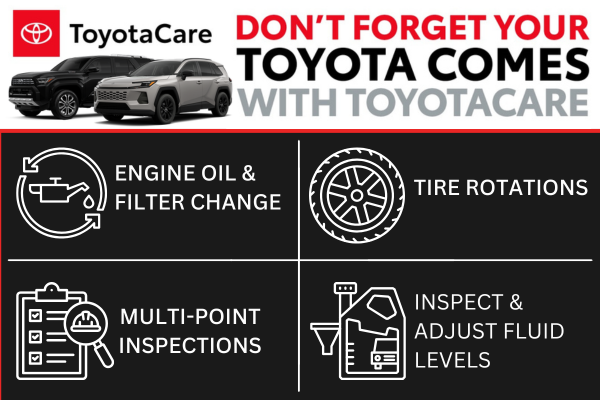
Toyota Ownership Guide • Durham, NC Maintenance Plan or Repair Protection? Know What Your Toyota Coverage Actually Does ToyotaCare, ToyotaCare Plus and a Toyota Vehicle Service Agreement can all be part of the ownership conversation, but they cover different expenses and should not be treated as interchangeable products. ToyotaCare, ToyotaCare Plus and what shoppers often call a Toyota extended warranty serve different purposes. ToyotaCare is the no-cost scheduled-maintenance program included with eligible new Toyota vehicles. ToyotaCare Plus is an optional prepaid maintenance plan that can continue eligible scheduled services beyond the initial ToyotaCare period. A Toyota Vehicle Service Agreement, often described conversationally as an extended warranty, is optional protection for certain covered repair costs under the agreement. ToyotaCare Plus is not an extended repair warranty. That distinction matters because maintenance and repairs solve different ownership problems. An oil change, tire rotation or scheduled inspection is maintenance. A covered component that fails unexpectedly is a repair issue. Paying for a maintenance plan does not automatically mean future mechanical repairs are covered, and buying a Vehicle Service Agreement does not mean routine scheduled maintenance is included. There is another reason Durham Toyota owners should look closely at the details in 2026: ToyotaCare terms now differ by model year. A 2026 Toyota and a 2027 Toyota can begin ownership with different standard ToyotaCare structures. Before comparing plans, identify your vehicle's model year, date of first use and current mileage, then read the specific agreement that applies to that vehicle. The Simplest Way to Understand the Difference ToyotaCare and ToyotaCare Plus are centered on scheduled maintenance. A Toyota Vehicle Service Agreement is centered on eligible covered repairs. The factory warranty is another separate layer. Start by identifying whether you are trying to plan routine service costs or protect against certain future repair costs, then evaluate the product designed for that purpose. Toyota Ownership Coverage Guide ToyotaCare Coverage Guide: Maintenance Plans vs Repair Protection ToyotaCare vs ToyotaCare Plus vs Extended Warranty What Does ToyotaCare Cover? ToyotaCare for 2026 vs 2027 Models What Does ToyotaCare Plus Cover? What Is a Toyota Vehicle Service Agreement? Maintenance Plan vs Extended Warranty What About Toyota Service Care? Which Option Fits Your Ownership Plan? Questions to Ask Before Buying Coverage ToyotaCare and Warranty FAQ ToyotaCare vs ToyotaCare Plus vs Extended Warranty The names can sound as though they represent increasing levels of the same coverage. They do not. ToyotaCare starts the ownership experience with eligible scheduled maintenance and roadside assistance. ToyotaCare Plus is an optional prepaid maintenance product for owners who want to continue eligible scheduled services under a plan. A Toyota Vehicle Service Agreement focuses instead on eligible repairs to covered components, subject to its terms, exclusions, limitations and any applicable deductible. Product Main Purpose Scheduled Maintenance Eligible Covered Repairs How You Get It ToyotaCare Initial factory-scheduled maintenance plus roadside assistance for eligible new Toyotas Yes, according to the applicable maintenance schedule and program terms No. It is not a repair warranty or VSA. Included at no additional cost with eligible new Toyota vehicles ToyotaCare Plus Continue eligible prepaid scheduled maintenance Yes, according to the selected plan and vehicle maintenance guide No. It does not replace a repair VSA. Optional purchase, subject to eligibility Toyota Vehicle Service Agreement Protection for certain eligible repair costs Not a routine maintenance plan Yes, for covered components subject to agreement terms Optional purchase, subject to eligibility and availability Factory Warranty Manufacturer warranty protection for applicable covered defects/components Not a prepaid maintenance plan Coverage depends on the warranty and component involved Comes with the new vehicle under Toyota's applicable warranty terms This four-layer view is more useful than asking which plan has the most benefits. The products are aimed at different expenses. A driver may care about predictable service visits, unexpected repair exposure, or both. That is why an owner can conceptually have maintenance coverage and repair protection at the same time without the two products being duplicates. What Does ToyotaCare Cover? ToyotaCare is Toyota's no-cost maintenance program for eligible new Toyota vehicles. It is designed around normal factory-scheduled maintenance during the applicable program period. Services follow the vehicle's Warranty and Maintenance Guide, which is important because not every Toyota uses the same maintenance schedule or requires identical service at the same mileage. Depending on the vehicle and maintenance interval, ToyotaCare can include items such as engine oil and oil-filter changes when due, tire rotations, multi-point inspections and fluid-level inspections or adjustments. Toyota-trained technicians perform the eligible services using the maintenance schedule for the specific vehicle. ToyotaCare also includes roadside assistance for an applicable period. Roadside services can include assistance for situations such as a flat tire, battery jump-start, lockout, emergency fuel delivery, towing or winching, subject to program limitations. Roadside assistance should not be confused with repair coverage either. A tow may help get a vehicle to the dealership, but that does not automatically mean the cause of the breakdown is covered by ToyotaCare. What ToyotaCare Does Not Mean ToyotaCare is not a promise that every maintenance item, wear item or repair during ownership is free. The exact scheduled services depend on the vehicle's maintenance guide, and program exceptions exist for certain models and powertrains. For example, tires, brake friction materials, wiper blades and other items can wear with use. Whether a particular item or repair is covered depends on the applicable maintenance plan, warranty, service agreement or other protection product, not simply on the fact that the Toyota originally came with ToyotaCare. The safest approach is to separate the question into two parts: “Is this service scheduled maintenance included under my current plan?” and “If this is a repair, is it covered by an applicable warranty or service agreement?” Those are not the same question. ToyotaCare Changed for 2027 Model-Year Vehicles For 2027-model-year and newer Toyota vehicles, Toyota's current standard ToyotaCare structure differs from many 2026-and-earlier vehicles. Toyota currently states that ToyotaCare covers normal factory-scheduled maintenance for 1 year or 10,000 miles, whichever comes first, while 2026-model-year and earlier vehicles are an exception that retain the 2-year/25,000-mile ToyotaCare structure. Other model-specific exceptions also exist, so owners should identify the model year and vehicle before assuming the historical 2-year/25,000-mile figure applies. Vehicle Group Current ToyotaCare Maintenance Structure Why Owners Should Check Most MY2027 and newer eligible Toyota vehicles 1 year or 10,000 miles, whichever comes first This is different from the historical ToyotaCare structure many owners remember. MY2026 and earlier eligible Toyota vehicles 2 years or 25,000 miles, whichever comes first Toyota currently lists these model years as an exception to the newer structure. Selected models or electrified vehicles Program terms can differ Check the specific ToyotaCare disclosure and Warranty and Maintenance Guide. Roadside-assistance terms also have their own rules and model-specific exceptions. That is another reason not to describe all ToyotaCare benefits with one universal time-and-mileage statement. This change is particularly relevant in late 2026 because a dealership can have shoppers researching both 2026 and 2027 vehicles at the same time. Two customers buying new Toyotas during the same month may see different ToyotaCare maintenance periods because the vehicles belong to different model years. If you already own a Toyota, the model year and original date of first use matter more than today's calendar date. Your coverage follows the program applicable to the vehicle rather than automatically changing because Toyota introduced a newer structure for later model years. What Does ToyotaCare Plus Cover? ToyotaCare Plus is an optional prepaid maintenance plan. Its purpose is to help eligible owners continue scheduled Toyota maintenance beyond the initial no-cost ToyotaCare period or otherwise add eligible future maintenance services under the plan structure that applies to the vehicle. Current Toyota Financial information lists services that may include engine oil and oil-filter changes, tire rotations, multi-point inspections and other maintenance specified by the vehicle's maintenance guide. For MY2027-and-newer plans, Toyota Financial also lists eligible cabin and engine air-filter changes where applicable. Roadside-assistance benefits are also included under current ToyotaCare Plus program terms, subject to the plan's restrictions. ToyotaCare Plus Eligibility for MY2026 and Earlier For vehicles model year 2026 and older, Toyota Financial currently says eligible vehicles generally need to have been eligible for the no-cost 2-year/25,000-mile ToyotaCare program, be within 37 months of the date of first use and have 31,000 miles or fewer. Current plan choices for that group can range from 3 years or 35,000 miles through 5 years or 75,000 miles, depending on the plan and vehicle. Importantly, Toyota Financial measures this coverage from the date of first use. A 5-year plan should not be interpreted as five additional years beginning only after ToyotaCare ends. ToyotaCare Plus for MY2027 and Newer The newer structure is different. Toyota Financial currently lists eligibility for MY2027-and-newer ToyotaCare Plus plans when the vehicle has fewer than 16,000 miles, was ToyotaCare eligible and does not already have another prepaid maintenance plan. Depending on the selected plan, current options range from 2 years with up to 3 services through 6 years with up to 13 services. Toyota Financial states that coverage begins at the point of sale or once ToyotaCare expires, depending on the circumstances, and ends when the plan's maximum time or number of services is reached. Check the Model Year Before Comparing ToyotaCare Plus A ToyotaCare Plus description written for a 2026 vehicle may not accurately describe eligibility, plan length or service-count structure for a 2027 vehicle. Use the agreement and current Toyota Financial information for the specific model year instead of relying on an older ToyotaCare Plus explanation. ToyotaCare Plus Does Not Replace an Extended Warranty This is the point most worth remembering. ToyotaCare Plus helps plan eligible scheduled maintenance. It is not designed as broad repair protection for a failed transmission, electronics module, air-conditioning component or other mechanical system simply because the repair occurs while the maintenance plan is active. Likewise, a Vehicle Service Agreement is not a substitute for your maintenance schedule. If the agreement covers an eligible mechanical repair, that does not eliminate the need to change oil, rotate tires, inspect components or perform other maintenance identified in the Warranty and Maintenance Guide. Maintenance history can also matter when diagnosing problems or evaluating coverage. Following the manufacturer's maintenance requirements helps document that the vehicle was serviced appropriately, but maintenance itself should still be treated separately from contractual repair coverage. What Is a Toyota Vehicle Service Agreement? A Toyota Vehicle Service Agreement, or VSA, is the Toyota Financial product most closely related to what consumers commonly mean when they say “extended warranty.” Technically, it is a service agreement rather than the original factory warranty. It provides coverage for eligible repair costs to specified components according to the protection level and terms selected. For qualifying new Toyota vehicles, Toyota Financial currently offers levels including Platinum Protection, Gold Protection and Powertrain Protection, plus separate products for certain battery-electric vehicles. The covered component list becomes broader or narrower depending on the protection level, so the plan name alone is not enough to determine whether a specific repair is covered. Current Toyota Financial rules say new Toyota vehicles can generally be eligible to purchase a new-vehicle VSA up to 3 years or 36,000 total vehicle miles, whichever comes first. Eligibility does not mean every plan is identical or available in every situation. State availability, vehicle type, purchase date and program rules can affect the agreement. For Platinum Protection, Toyota Financial currently lists term choices that can range from 3 years/50,000 total vehicle miles to as long as 10 years/125,000 total vehicle miles. Other protection levels can have different maximum terms. Coverage periods are measured according to the agreement, and deductibles, exclusions and limitations can apply. What Should You Look for in the VSA Agreement? Do not evaluate repair protection only by the maximum number of years printed in a brochure. Look at what components are included, what is excluded, how the deductible works, where covered repairs can be performed, when the term starts, the mileage limit and what happens if the vehicle is sold or the agreement is canceled. Toyota Financial also states that its VSAs are optional and are not required to obtain credit. That is important whenever a protection product is discussed during vehicle financing. A shopper should understand the vehicle price, financing terms and optional protection products as separate parts of the transaction. Mark Jacobson Toyota maintains an Extended Warranty Options page where Durham shoppers can review available protection categories and discuss current eligibility. ToyotaCare Plus vs Extended Warranty: Which Expense Are You Planning For? Choose based on the expense you are trying to plan for. If your goal is to prepay eligible factory-scheduled maintenance, a maintenance product such as ToyotaCare Plus is the relevant category. If your concern is the cost of certain unexpected mechanical or electrical repairs after applicable warranty coverage, a Vehicle Service Agreement is the relevant category. One product does not automatically substitute for the other, and some owners may consider both because they address different costs. Your Main Concern Product to Understand Reason Oil changes and scheduled service ToyotaCare / ToyotaCare Plus These products center on eligible scheduled maintenance. Planning maintenance costs beyond ToyotaCare ToyotaCare Plus It is an optional prepaid maintenance plan for qualifying vehicles. Unexpected eligible component repair Factory warranty or VSA, depending on timing and coverage Repair coverage is different from scheduled maintenance. Longer-term repair-cost protection Toyota Vehicle Service Agreement VSAs cover eligible components according to the selected agreement. Roadside assistance Review the current ToyotaCare, ToyotaCare Plus or VSA terms Roadside benefits can exist in multiple products, but duration and limitations differ. It is also reasonable to choose neither optional product if you prefer to pay maintenance and repairs as they occur. These are voluntary protection products, not mandatory components of owning or financing a Toyota. The useful question is whether a particular plan's services, eligibility and cost fit the way you expect to own and maintain the vehicle. What About the Toyota Factory Warranty? The factory warranty should be treated as its own layer. A new Toyota includes manufacturer warranty coverage under Toyota's warranty terms, with different coverage periods potentially applying to different systems or components. Your Warranty and Maintenance Guide is the controlling source for the specific vehicle. A Vehicle Service Agreement can provide eligible repair protection beyond or alongside applicable warranty periods according to the VSA contract, but it does not rewrite the factory warranty. Similarly, ToyotaCare does not extend the factory warranty simply because scheduled maintenance is being performed at the dealership. If a problem occurs while your vehicle is still within an applicable factory warranty period, the service department can determine whether the issue is covered by that warranty, another applicable campaign or agreement, or is the owner's responsibility. You do not need to decide which coverage applies by guessing based on the repair cost. What About Toyota Service Care? Toyota Service Care is another prepaid maintenance product, but it is aimed at a different stage of ownership. Toyota Financial describes it as maintenance coverage available through the service drive for vehicles that are no longer covered by ToyotaCare and do not have another active prepaid maintenance plan. Current Toyota Financial information says Toyota Service Care has no vehicle age or mileage maximum under its general eligibility rules, provided ToyotaCare has expired and there is no other active prepaid maintenance plan. Services can include oil and filter changes, tire rotations and multi-point inspections, along with roadside assistance under the applicable terms. Mark Jacobson Toyota also has a dedicated Toyota Service Care page for owners who want to explore maintenance options after the original ToyotaCare stage. That means Toyota Service Care should not be confused with a VSA either. Like ToyotaCare Plus, it belongs primarily in the maintenance-planning bucket rather than the repair-protection bucket. What About Toyoguard Platinum? Durham is in the Southeast Toyota region, so some buyers may also encounter the name Toyoguard Platinum. Toyoguard is a separate Southeast Toyota program and should not be assumed to be another name for ToyotaCare Plus or a Vehicle Service Agreement. If your purchase paperwork mentions Toyoguard, review the actual benefits attached to that vehicle rather than merging them mentally with ToyotaCare. We cover that regional distinction separately in our ToyotaCare vs Toyoguard Platinum guide for Durham, Raleigh and Cary owners. Which Toyota Protection Fits Your Ownership Plan? Start with how long you expect to keep the Toyota. A driver who normally trades vehicles after a few years may view long-term repair protection differently from an owner planning to keep a Toyota well beyond the original warranty period. At the same time, both drivers still have scheduled maintenance responsibilities while they own the vehicle. Next, think about how you prefer to handle expenses. Some owners like the predictability of prepaying eligible maintenance rather than paying at each visit. Others prefer keeping that money available and paying service costs when they occur. Neither approach automatically guarantees lower total ownership cost. For repair protection, consider your tolerance for an unexpected covered repair bill, the components included in the agreement, the deductible, the ownership period and the price of the VSA. A longer term can sound attractive, but only if its start date, mileage limit and coverage list match how long and how far you expect to drive. Can You Have ToyotaCare Plus and a VSA at the Same Time? Conceptually, yes, because the products address different categories of expense. ToyotaCare Plus can cover eligible scheduled maintenance under its agreement while a VSA can provide protection for eligible covered repairs under a separate agreement. Actual eligibility and plan availability still need to be confirmed for the specific vehicle. The presence of one plan should not be used as proof that the other is unnecessary. Nor should buying both automatically be described as the best value. The decision depends on what each agreement covers, what it costs and whether those benefits fit your ownership plan. Questions to Ask Before Buying a Toyota Protection Product Before agreeing to any optional maintenance or repair product, ask for the plan name and written agreement. Product names can sound similar, but the contract makes clear what you are actually purchasing. Is this a maintenance plan or repair-protection agreement? What exact services or components are covered? What is specifically excluded? When does the coverage period begin? Does the term run from today's purchase date or the vehicle's original date of first use? What mileage or service-count limit ends the plan? Is there a deductible for covered repairs? Where can maintenance or repairs be performed? What roadside-assistance benefits are included and for how long? Is the agreement transferable if I sell the Toyota? What are the cancellation terms? Is this Toyota-backed, Southeast Toyota-related or administered by another provider? Is the product optional? If you cannot tell from the paperwork whether you are buying maintenance or repair protection, ask for that distinction to be explained before signing. That one question prevents a large portion of the confusion surrounding ToyotaCare Plus and extended warranties. Key Takeaways for Durham Toyota Owners ToyotaCare is the initial no-cost scheduled-maintenance program for eligible new Toyota vehicles, with roadside assistance under applicable program terms. ToyotaCare Plus is an optional prepaid maintenance plan, not an extended repair warranty. MY2027-and-newer ToyotaCare generally uses a 1-year/10,000-mile maintenance structure, while MY2026-and-earlier vehicles are currently listed as a 2-year/25,000-mile exception. ToyotaCare Plus eligibility and plan structure also differ by model-year group, so older plan descriptions should not automatically be applied to a 2027 vehicle. A Toyota Vehicle Service Agreement is optional repair protection for eligible covered components and can have exclusions, deductibles and other contract-specific limitations. Toyota Service Care is another prepaid maintenance option aimed at owners beyond the ToyotaCare stage, not a repair warranty. Optional protection products should be evaluated separately from the vehicle purchase and financing terms. ToyotaCare, ToyotaCare Plus and Extended Warranty FAQ Is ToyotaCare Plus an extended warranty? No. ToyotaCare Plus is a prepaid maintenance plan. It can cover eligible scheduled maintenance such as oil and filter changes when applicable, tire rotations, inspections and other services specified by the vehicle maintenance guide. A Toyota Vehicle Service Agreement is the product designed to provide protection for certain eligible repair costs under its contract. Does ToyotaCare cover repairs? ToyotaCare is primarily a scheduled-maintenance and roadside-assistance program. It should not be treated as general repair coverage. A repair may instead fall under an applicable Toyota factory warranty, recall or service campaign, Vehicle Service Agreement or another protection product depending on the specific problem and vehicle. Is ToyotaCare different for 2027 Toyota models? Yes. Toyota's current program information states that most eligible 2027-model-year and newer vehicles receive ToyotaCare scheduled maintenance for 1 year or 10,000 miles, whichever comes first. Toyota currently lists 2026-model-year and earlier vehicles as an exception with the previous 2-year/25,000-mile structure. Additional model-specific exceptions can apply. When does ToyotaCare Plus coverage start? It depends on the model-year group and plan. For MY2026-and-earlier ToyotaCare Plus plans, Toyota Financial states that coverage is measured from the vehicle's date of first use. For MY2027-and-newer plans, current Toyota Financial information says coverage begins at the point of sale or once ToyotaCare expires, depending on the circumstances. Review the specific agreement before purchasing. Can I buy a Toyota Vehicle Service Agreement after buying the vehicle? Potentially, yes. Toyota Financial currently states that qualifying new Toyota vehicles can generally be eligible for a new-vehicle VSA up to 3 years or 36,000 total vehicle miles, whichever comes first. Eligibility, available plans and state-specific terms can vary, so confirm the current options for your vehicle before relying on that window. Review the Plan Before You Decide ToyotaCare, ToyotaCare Plus and Vehicle Service Agreements can each be useful in the right ownership situation, but they solve different problems. The best starting point is the actual vehicle: its model year, current mileage, maintenance schedule, existing warranty coverage and how long you expect to keep it. Mark Jacobson Toyota can help Durham owners review current maintenance and protection options, confirm eligibility and explain how the applicable agreement works before a decision is made. Explore Protection Options Visit Our Service Center Related Toyota Insights & Ownership Guides Toyota Ownership Coverage ToyotaCare vs. Toyoguard Platinum: What's Covered for Durham, Raleigh & Cary Toyota Owners Understand how ToyotaCare differs from the Southeast Toyota Toyoguard Platinum program that may appear in your vehicle paperwork. Read More → Scheduled Maintenance Tire Rotations and Alignment: The Definitive Guide to Spring Vehicle Health Learn why tire rotation, alignment checks and routine inspections matter when building a long-term Toyota maintenance routine. Read More → Toyota Service Guide Why Brake and Battery Services Keep Durham Drivers Covered for the Long Haul See how brake inspections, battery service and routine Toyota maintenance fit into real-world ownership beyond plan names and paperwork. Read More → Seasonal Maintenance Toyota Fall Maintenance Tips for Durham Drivers Review practical tire, battery, brake, fluid and visibility checks that complement your Toyota's factory maintenance schedule. Read More →


2027 Toyota Sequoia Trailhunter Preview for Durham Drivers

2027 Toyota Sequoia Trailhunter Preview for Durham Drivers

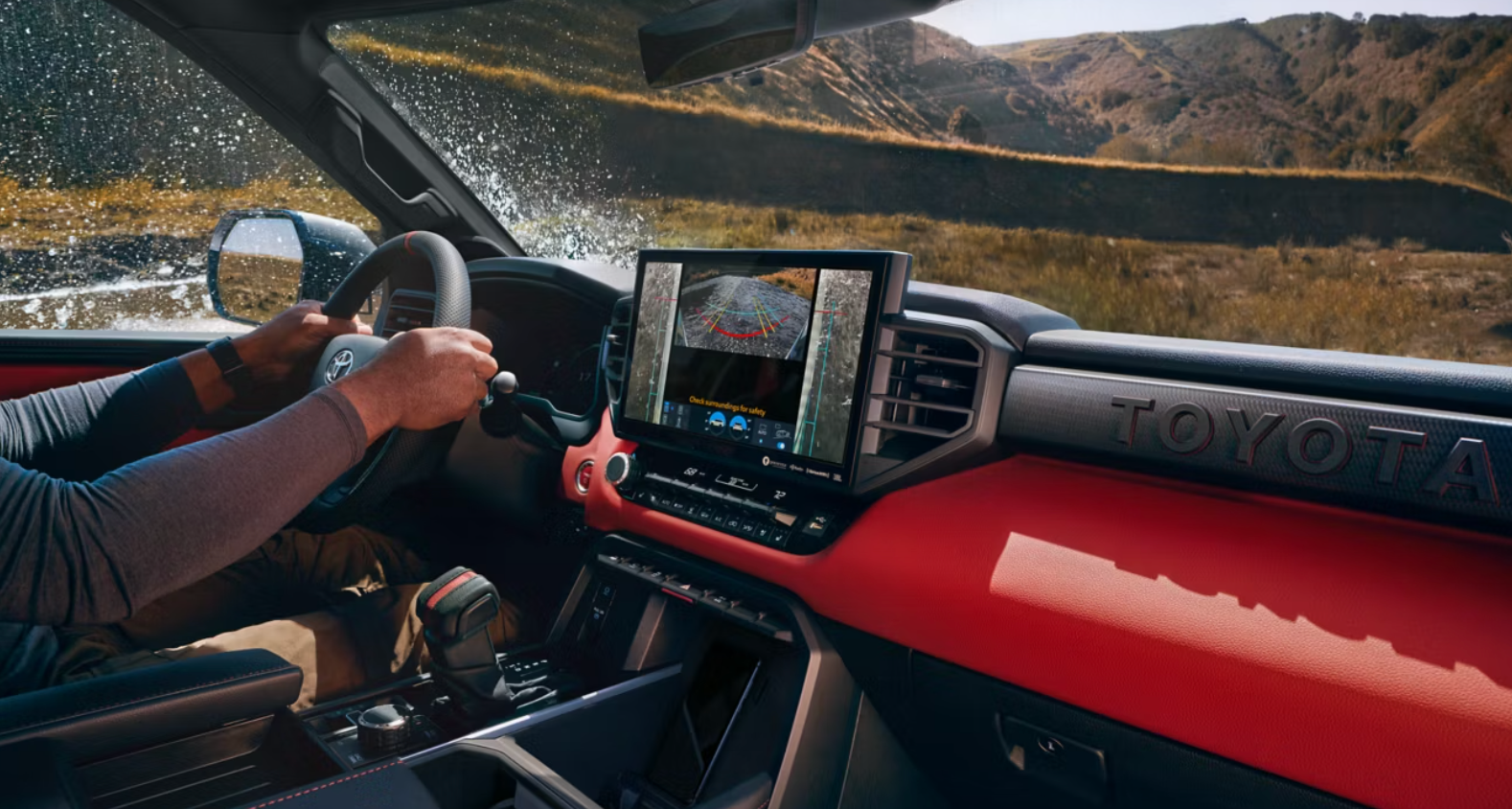
2027 Toyota Sequoia Preview • Durham, NC A First Look at the 2027 Toyota Sequoia Trailhunter Package Toyota is updating Sequoia for 2027 with a new Trailhunter package, refreshed styling, more advanced cabin technology and Toyota Safety Sense 4.0. The 2027 Toyota Sequoia brings one of the most substantial updates to Toyota's full-size SUV since the current generation arrived, and the biggest addition for adventure-focused shoppers is the newly available Trailhunter package. Toyota has confirmed that the package will be based on the SR5 grade and will add Old Man Emu upgraded suspension components, Michelin LTX Trail 265/70R18 tires, bronze-finished wheels, front recovery hooks, additional underbody protection and dedicated off-road systems. The update goes beyond Trailhunter. Every 2027 Sequoia will benefit from Toyota's latest-generation Audio Multimedia system with a standard 14-inch display, a built-in Drive Recorder Dash Cam and Toyota Safety Sense 4.0. Toyota is also refreshing the exterior design and expanding Digital Key functionality for compatible vehicles and devices. There is an important limitation for early shoppers, though. Toyota announced the 2027 Sequoia in July 2026 and stated that full model-year details would follow in fall 2026. That means pricing, complete trim specifications, final powertrain figures, towing ratings, fuel-economy estimates and package pricing should not be assumed from the 2026 model. This preview focuses only on what Toyota has officially confirmed for 2027 so Durham shoppers can understand what is actually changing without treating preliminary information as a final specification sheet. What Is the 2027 Sequoia Trailhunter Package? Trailhunter is an available factory-built package for the 2027 Toyota Sequoia SR5 designed to add overlanding and off-road hardware without requiring shoppers to move directly to the TRD Pro. Toyota has confirmed upgraded suspension, trail-oriented tires, underbody protection, recovery equipment and dedicated traction systems, while complete pricing and final package specifications are still pending. 2027 Sequoia Preview 2027 Sequoia Trailhunter Guide: Off-Road Hardware, Technology and Safety Updates What Is New for the 2027 Sequoia? Sequoia Trailhunter Package Multi-Terrain Select, Crawl Control and Locking Differential New 14-Inch Multimedia and Drive Recorder Toyota Safety Sense 4.0 Trailhunter vs. TRD Pro Durham and North Carolina Adventure Use 2027 Sequoia Trailhunter FAQ What Is New for the 2027 Toyota Sequoia? Toyota's 2027 Sequoia update touches design, off-road capability, multimedia technology and driver assistance. The exterior receives a sharper and more assertive appearance, while the technology package takes a larger step forward through the newest Toyota Audio Multimedia platform and Toyota Safety Sense 4.0. The headline addition is Trailhunter. Toyota already uses the Trailhunter concept elsewhere in its truck and SUV lineup, but the 2027 model year brings an available Trailhunter package to Sequoia for the first time. Instead of creating a separate luxury-oriented grade, Toyota is basing the package on the SR5 and adding hardware aimed at drivers who want to use the full-size SUV for trails, camping and overlanding-style travel. TRD Pro also receives its own update. Toyota says the 2027 TRD Pro gets new Sequoia-tuned FOX enhanced QS3 shocks, standard red tow hooks and a new Honeycomb exterior color. That is important because Trailhunter is not replacing TRD Pro. The two approaches will coexist, giving adventure-oriented buyers another choice within the Sequoia lineup. 2027 Sequoia Update What Toyota Has Confirmed Why It Matters Trailhunter Package New package based on SR5 with dedicated trail and overlanding equipment Creates an off-road-focused path separate from TRD Pro. Exterior Design Sharper, updated styling Refreshes the current-generation Sequoia appearance. Multimedia Latest Toyota Audio Multimedia with standard 14-in. display Larger interface becomes standard rather than dependent on grade. Drive Recorder Built-in Drive Recorder Dash Cam Allows compatible exterior cameras to capture short event clips when enabled. Safety Toyota Safety Sense 4.0 standard Moves Sequoia to Toyota's newer driver-assistance generation. Digital Key Enhanced available functionality Adds compatible native smartphone wallet integration. Newly Available 2027 Sequoia Trailhunter Package The Trailhunter package is the clearest reason adventure shoppers should pay attention to the 2027 model. Toyota is not treating Trailhunter as an appearance package. The confirmed equipment starts underneath the vehicle with an Old Man Emu upgraded suspension designed to better support travel over uneven terrain. Toyota pairs that suspension with Michelin LTX Trail 265/70R18 tires and bronze-finished wheels. The tire size matters because this is not simply a larger wheel chosen for styling. An 18-inch wheel paired with an all-terrain-oriented tire leaves more sidewall than a large luxury wheel, which is useful when the goal includes unpaved roads, loose surfaces and uneven trail conditions. Old Man Emu Upgraded Suspension Old Man Emu is an established off-road suspension brand associated with ARB, and Toyota specifically identifies an upgraded Old Man Emu suspension as part of the Sequoia Trailhunter package. Toyota has not yet published all of the final suspension dimensions or detailed ride-height specifications for the 2027 package, so it would be premature to claim a particular lift or ground-clearance figure. What we can say is that the suspension is one of the components Toyota chose to distinguish Trailhunter from an ordinary SR5. That gives the package more substance than simply fitting aggressive tires and badges to a standard suspension. Michelin LTX Trail Tires and Bronze Wheels The package uses Michelin LTX Trail tires sized 265/70R18. Compared with a large-wheel street setup, the 18-inch configuration is consistent with the package's off-pavement purpose. Toyota also gives the wheels a bronze finish, making them one of the Trailhunter's most visible design differences. For a Durham driver who spends most of the week on pavement but regularly heads toward gravel access roads, campsites or mountain destinations, tires may be one of the package features you notice most often. They are the only part of the SUV constantly contacting the road or trail, so their role extends beyond appearance. Front Recovery Hooks and Underbody Protection Toyota has also confirmed front recovery hooks and enhanced underbody protection. Recovery points can be useful when trail travel becomes more difficult, while additional protection is intended to help shield vulnerable components from rocks, ruts and trail debris. That does not mean the Sequoia is invulnerable off road. Vehicle size, surface conditions, tire condition, driver experience and obstacle clearance still matter. Trailhunter adds hardware intended for this type of travel; it does not eliminate the need to choose an appropriate route or operate the vehicle carefully. Trailhunter Off-Road Systems: Multi-Terrain Select, Crawl Control and Locking Rear Differential The mechanical package is supported by electronic traction tools. Toyota has confirmed that Sequoia Trailhunter includes Multi-Terrain Select, Crawl Control and a locking rear differential. Multi-Terrain Select is designed to let the driver choose settings that adjust vehicle control for different low-traction surfaces. Rather than assuming one throttle and traction-control calibration works equally well everywhere, the system can adapt its response to the selected terrain setting. Crawl Control is a low-speed off-road assistance system. Under appropriate conditions, it manages throttle and braking at a selected low speed so the driver can focus more attention on steering and vehicle placement. It is not an autonomous trail-driving system, and the driver remains responsible for choosing the route and controlling the vehicle. The locking rear differential helps when additional rear-wheel traction is needed by allowing both rear wheels to receive more consistent power together in appropriate off-road conditions. It is especially relevant when one rear wheel would otherwise have significantly less traction than the other. What Makes Trailhunter More Than an Appearance Package? Toyota has confirmed that the 2027 Sequoia Trailhunter package combines upgraded suspension, trail-focused tires, recovery equipment, underbody protection, Multi-Terrain Select, Crawl Control and a locking rear differential. Those systems address suspension control, traction, component protection and recovery rather than simply changing exterior trim. Standard 14-Inch Multimedia and New Drive Recorder Technology For 2027, the technology update may be just as relevant to everyday owners as Trailhunter is to adventure drivers. Toyota says Sequoia will use its latest-generation Audio Multimedia system and that a 14-inch screen will be standard. The system incorporates AT&T 5G connectivity and introduces a more customizable home-screen experience with widgets. Toyota also says its embedded Voice Assistant has been updated to provide faster responses to "Hey Toyota" commands. For a full-size SUV that may be used for family road trips, towing and navigation to unfamiliar destinations, moving the large screen to standard equipment simplifies the technology decision. Buyers will not have to select a higher grade simply to move from a small base display to the 14-inch interface. Built-In Drive Recorder Dash Cam The new multimedia architecture also enables a standard built-in Drive Recorder Dash Cam. When enabled, Toyota says compatible exterior cameras can record 20-second clips for manual or triggered events. Depending on vehicle equipment, the system can use front and rear cameras or Panoramic View Monitor cameras. This is different from simply mounting an aftermarket camera to the windshield. The Drive Recorder is integrated into Toyota's vehicle camera and multimedia architecture. Final operating details, storage requirements and limitations should be checked once Toyota releases the complete 2027 documentation. Enhanced Digital Key Toyota has also announced enhanced available Digital Key functionality. In addition to accessing Digital Key through the Toyota app, compatible users will be able to manage supported functionality through a native digital wallet on devices such as Apple, Google or Samsung smartphones. Functions can include locking, unlocking, starting and operating a supported vehicle. Digital Key availability still depends on compatible equipment, device compatibility and applicable Connected Services terms, so shoppers should not assume every 2027 Sequoia includes it permanently. Toyota Safety Sense 4.0 Comes to the 2027 Sequoia The 2027 Sequoia will also move to Toyota Safety Sense 4.0. That is a meaningful model-year change because the 2026 Sequoia uses an earlier Toyota Safety Sense generation. Toyota has confirmed TSS 4.0 as standard for 2027, but complete feature-level specifications and operating details should be taken from the final 2027 manual and official Toyota documentation when released. This distinction matters because Toyota Safety Sense is not one identical package across every Toyota model and model year. Sensor hardware, software capability and individual functions can change as Toyota introduces newer versions. For a Durham household using a Sequoia on I-40, I-85, NC-147 and long family trips, driver-assistance technology can help reduce some routine workload under appropriate conditions. It is still assistance technology. Toyota Safety Sense does not make the Sequoia autonomous, does not permit the driver to stop paying attention and cannot guarantee that a collision will be avoided. That same limitation applies when the vehicle is equipped for adventure use. Trailhunter's off-road systems and TSS 4.0 address different environments and different driving tasks. One does not replace the other, and neither substitutes for driver judgment. 2027 Sequoia Trailhunter vs. TRD Pro: What Is the Difference? The addition of Trailhunter creates an interesting decision because Toyota will continue to offer the Sequoia TRD Pro. Both are aimed at buyers who want more capability than a street-focused full-size SUV, but Toyota is giving them different hardware and identities. Trailhunter is an available package built from SR5. Its confirmed equipment centers on Old Man Emu suspension, Michelin LTX Trail tires, bronze wheels, recovery hooks, underbody protection and trail-control systems. The concept is closely aligned with overlanding, where the vehicle must cover pavement to reach more remote destinations and then travel confidently beyond it. TRD Pro remains a dedicated off-road grade. For 2027, Toyota has confirmed new Sequoia-tuned FOX enhanced QS3 shocks, red tow hooks and the new Honeycomb color. Toyota also says the shocks offer additional adjustability and are tuned for rough terrain. 2027 Adventure Option Confirmed Focus Key Confirmed Hardware Trailhunter Package Factory overlanding and trail capability based on SR5 Old Man Emu suspension, Michelin LTX Trail tires, bronze wheels, recovery hooks, underbody protection, MTS, Crawl Control, locking rear differential TRD Pro Dedicated performance-oriented off-road grade Sequoia-tuned FOX enhanced QS3 shocks, red tow hooks and model-specific off-road equipment For now, the useful takeaway is not that one is better. Trailhunter should appeal to shoppers attracted to the factory overlanding approach and SR5-based package structure. TRD Pro remains the more established dedicated off-road grade. Final pricing, complete standard equipment and detailed 2027 specifications will make that decision clearer once Toyota releases them. How the 2027 Sequoia Trailhunter Could Fit Durham and North Carolina Trips A full-size Trailhunter makes the most sense for a household that genuinely needs both Sequoia-size utility and trail-oriented equipment. Around Durham, that could mean one vehicle handling regular family travel during the week and carrying passengers, camping equipment and outdoor gear toward western North Carolina on weekends. Its size is also part of the decision. A Sequoia is a full-size SUV, so someone who primarily wants maneuverability around Durham and occasional dirt-road capability should also compare smaller Toyota options. The Land Cruiser and 4Runner occupy different spaces in Toyota's rugged SUV lineup and may be easier to live with for drivers who do not need Sequoia's full-size footprint. Trailhunter becomes more compelling when the larger vehicle itself is already justified. If you need the passenger capacity, road-trip size and overall utility of Sequoia and also want additional factory trail hardware, the package combines those needs instead of forcing you to start with a more street-oriented configuration and modify it later. What Toyota Has Not Confirmed Yet for the 2027 Sequoia An early preview is most useful when it is clear about what remains unknown. Toyota's initial announcement explicitly says full 2027 Sequoia details will follow later in 2026. Confirmed for 2027 Still Awaiting Full 2027 Details Trailhunter package based on SR5 Trailhunter package pricing Old Man Emu upgraded suspension Complete suspension dimensions and ground clearance Michelin LTX Trail 265/70R18 tires Final trim-by-trim wheel and tire specifications Multi-Terrain Select, Crawl Control and locking rear differential Complete trim and package matrix Standard 14-in. multimedia screen Final MSRP by grade Standard TSS 4.0 Full feature-level TSS specifications Built-in Drive Recorder Final 2027 powertrain, towing and EPA data Until Toyota publishes those figures for the exact 2027 model, we would not use 2026 horsepower, towing capacity, MPG or pricing as substitutes. Adjacent model years can share hardware, but similarity is not confirmation. Shoppers who need a full-size Toyota SUV now can instead review the existing 2026 Toyota Sequoia guide and current Sequoia inventory in Durham. Those resources cover vehicles that are currently documented and available rather than requiring assumptions about the upcoming model. Browse Current Sequoia Inventory View Current Sequoia Guide Key Takeaways The 2027 Sequoia introduces a new Trailhunter package based on the SR5 grade. Confirmed Trailhunter hardware includes Old Man Emu upgraded suspension, Michelin LTX Trail 265/70R18 tires, bronze wheels, recovery hooks and enhanced underbody protection. Multi-Terrain Select, Crawl Control and a locking rear differential are included with Trailhunter. Every 2027 Sequoia is set to receive a standard 14-inch multimedia display, built-in Drive Recorder and Toyota Safety Sense 4.0. TRD Pro remains separate and receives new Sequoia-tuned FOX enhanced QS3 shocks for 2027. Final 2027 pricing, powertrain specifications, towing ratings, MPG and full trim details should be verified once Toyota publishes the complete model-year information. 2027 Toyota Sequoia Trailhunter FAQ Is there a 2027 Toyota Sequoia Trailhunter? Toyota has confirmed a newly available Trailhunter package for the 2027 Sequoia. It is based on the SR5 grade and adds dedicated off-road and overlanding equipment including Old Man Emu upgraded suspension, Michelin LTX Trail 265/70R18 tires, bronze-finished wheels, front recovery hooks and additional underbody protection. What off-road features come with Sequoia Trailhunter? Toyota has confirmed Multi-Terrain Select, Crawl Control and a locking rear differential in addition to the upgraded suspension, trail-focused tires, recovery hooks and underbody protection. Complete dimensions and package specifications should be checked again when Toyota publishes the final 2027 documentation. Does the 2027 Sequoia have Toyota Safety Sense 4.0? Yes. Toyota has announced Toyota Safety Sense 4.0 as standard equipment for the 2027 Sequoia. TSS is a suite of driver-assistance technology rather than an autonomous-driving system, and the driver remains responsible for vehicle control and attention at all times. How much will the 2027 Sequoia Trailhunter cost? Toyota had not published final 2027 Sequoia or Trailhunter package pricing at the time of this preview. Toyota said complete 2027 details would be announced later in 2026, so current 2026 Sequoia pricing should not be presented as the 2027 price. Is Trailhunter replacing the Sequoia TRD Pro? No. Toyota has confirmed updates for the 2027 TRD Pro alongside the newly available Trailhunter package. Trailhunter takes a factory overlanding-oriented approach based on SR5, while TRD Pro remains a dedicated off-road grade and receives new Sequoia-tuned FOX enhanced QS3 shocks for 2027. Follow the 2027 Sequoia as Toyota Releases More Details The 2027 Sequoia already has several meaningful confirmed upgrades, but shoppers should wait for Toyota's complete specifications before comparing price, towing, powertrain output or fuel economy with the current model. In the meantime, Mark Jacobson Toyota in Durham can help you compare the current Sequoia with the Land Cruiser, 4Runner and other Toyota SUVs while you decide whether waiting for the Trailhunter package makes sense for your plans. View Current Sequoia Inventory Related Toyota Insights & Ownership Guides Full-Size SUV Guide 2026 Toyota Sequoia: Power, Space and Luxury for Durham Families Review the currently available Sequoia lineup, including full-size family utility, current powertrain details and towing considerations. Read More → Adventure SUV Guide 2026 Toyota Land Cruiser Hybrid Guide for Durham Compare a smaller Toyota adventure SUV with standard hybrid power, dedicated four-wheel-drive hardware and mountain-trip capability. Read More → Rugged SUV Comparison Toyota 4Runner vs Land Cruiser: Durham SUV Guide Compare Toyota's midsize rugged SUVs if full-size Sequoia dimensions are more capability than your household actually needs. Read More → Family SUV Guide 2026 Toyota Highlander vs Grand Highlander: Which Toyota SUV Fits Your Family? Compare Toyota's family-focused three-row crossovers if towing and Trailhunter-level off-road hardware are not priorities. Read More →

2026 Toyota Camry Interior and Technology Guide for Durham Drivers

2026 Toyota Camry Interior and Technology Guide for Durham Drivers

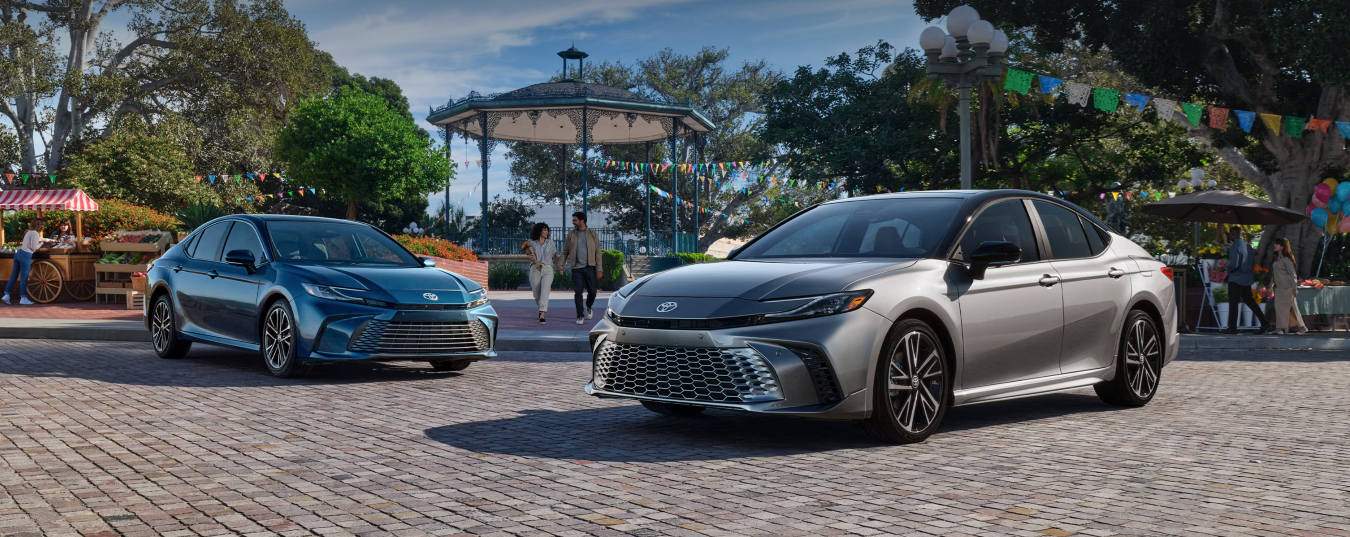
2026 Toyota Camry Guide • Durham, NC Inside the 2026 Toyota Camry: Comfort, Connectivity and Everyday Technology See how the 2026 Toyota Camry combines passenger space, digital displays, wireless smartphone integration and available premium comfort features for everyday driving around Durham and the Triangle. The 2026 Toyota Camry interior is built around a useful idea: you do not need to move all the way to the top of the lineup to get the technology most drivers use every day. Wireless Apple CarPlay and Android Auto, a Qi-compatible wireless charging pad, five USB ports, dual-zone automatic climate control and Toyota Safety Sense 3.0 are available across the broader Camry experience, while upper trims concentrate the bigger upgrades in display size, seating materials, comfort and available connected technology. For Durham shoppers, that changes the trim decision. The question is less about whether the Camry has modern connectivity and more about how much screen space, cabin refinement and convenience technology you want to add. LE, SE and Nightshade keep the core interface straightforward. XLE and XSE move into a more premium digital environment with standard 12.3-inch displays and additional comfort options. The Camry also remains a practical five-passenger midsize sedan. Toyota lists 42.1 inches of front legroom, 38.0 inches of rear legroom and 15.1 cubic feet of cargo capacity, so the cabin discussion should include actual passenger and trunk needs, not only screens and apps. What Defines the 2026 Toyota Camry Interior? The 2026 Toyota Camry is a five-passenger midsize hybrid sedan offered in LE, SE, Nightshade, XLE and XSE trims. Its cabin combines standard smartphone connectivity and climate-control features with a trim structure that progressively adds larger digital displays, upgraded seating, premium audio and available connected-services technology. 2026 Camry Interior Guide 2026 Camry Interior Guide: Features, Screens and Cabin Technology Inside the 2026 Toyota Camry Passenger Space and Cargo Touchscreen and Digital Displays Apple CarPlay, Android Auto and Charging Comfort and Convenience Features Toyota App, Digital Key and Connected Services Toyota Safety Sense 3.0 Which Camry Interior Fits You? 2026 Camry Interior FAQ Inside the 2026 Toyota Camry The current Camry cabin is designed around a horizontal dashboard layout that keeps the multimedia display high enough to read without turning the center stack into one giant screen. Physical controls remain available for frequently used functions, while the digital displays handle vehicle information, audio, navigation and connected features. What matters most for shoppers is that Toyota separates the lineup into two broad technology experiences. LE, SE and Nightshade use a 7-inch digital gauge cluster and an 8-inch Toyota Audio Multimedia touchscreen as their standard starting point. XLE and XSE step up to a 12.3-inch digital gauge cluster and 12.3-inch center touchscreen as standard equipment. That means you can choose a lower Camry grade without giving up wireless smartphone integration simply to get navigation apps, music or calls on the screen. The premium trims mainly add display size, presentation and additional feature availability. The sport-oriented trims also change the feel of the cabin. SE and Nightshade use SofTex-and-fabric-trimmed seating and add sport-oriented details, while XLE shifts toward a more comfort-focused cabin. XSE combines the larger technology package with sport styling and available leather-trimmed interiors. 2026 Camry Passenger Space and Cargo Technology is easy to compare on a feature list. Passenger space requires a little more context because a sedan needs to work when the screens are turned off too. Toyota lists the 2026 Camry with seating for five, 42.1 inches of front legroom and 38.0 inches of rear legroom. Front headroom is 38.3 inches and rear headroom is 37.6 inches. Those numbers position the Camry as a midsize sedan rather than a compact commuter car, with a rear seat intended for regular passenger use rather than occasional short trips. 2026 Camry Interior Measurement Measurement Why It Matters Seating Capacity 5 passengers Useful for commuters who also need everyday family or passenger capability. Front Legroom 42.1 in. Provides substantial adjustment range for the front seating area. Rear Legroom 38.0 in. Important if adults or growing children regularly use the second row. Front / Rear Headroom 38.3 / 37.6 in. Helps shoppers evaluate seating position and rear passenger comfort. Trunk Capacity 15.1 cu. ft. Relevant for groceries, luggage and daily cargo without moving to an SUV. How Useful Is the 15.1-Cubic-Foot Trunk? The Camry has 15.1 cubic feet of cargo capacity. That is useful for normal sedan tasks such as grocery runs, work bags, airport luggage and daily family gear, but shoppers carrying tall boxes, large recreational equipment or bulky pet equipment should compare the trunk opening and shape in person. The rear seat uses a split-folding design, which adds flexibility when you need to carry a longer item while retaining part of the rear seat. It still does not create the vertical cargo space of a crossover. A Durham buyer deciding between Camry and a Corolla Cross or RAV4 should treat that body-style difference as more important than a small specification difference on paper. 2026 Camry Touchscreen and Digital Displays The biggest interior technology distinction in the 2026 Camry is display size. LE, SE and Nightshade start with a 7-inch digital gauge cluster and an 8-inch Toyota Audio Multimedia touchscreen. XLE and XSE use a 12.3-inch digital gauge cluster and 12.3-inch multimedia touchscreen as standard equipment. SE and Nightshade can also be configured with the larger 12.3-inch center touchscreen, so shoppers who prefer their sport styling do not necessarily have to move to XSE just to get more screen area. Exact equipment should always be checked on the specific vehicle. Trim Gauge Cluster Multimedia Screen Interior Technology Focus LE 7-in. digital cluster 8-in. touchscreen Core connectivity and straightforward daily usability. SE 7-in. digital cluster 8-in. standard; 12.3-in. available Sport-oriented cabin with the option to add a larger center display. Nightshade 7-in. digital cluster 8-in. standard; larger display availability depends on configuration Style-focused variation based on the sport side of the lineup. XLE 12.3-in. digital cluster 12.3-in. touchscreen Comfort-focused premium display environment. XSE 12.3-in. digital cluster 12.3-in. touchscreen Premium technology paired with sport-oriented design. What Does the Larger Screen Actually Change? The 12.3-inch touchscreen gives maps, media information and menus more visual room. That can be useful if you rely heavily on Apple CarPlay or Android Auto, especially for navigation, because more screen area can make map information easier to scan. But the larger screen does not suddenly unlock basic smartphone integration. Wireless Apple CarPlay and Android Auto compatibility are already part of the Camry technology package, so the upgrade is mainly about display size and presentation. Available 10-Inch Head-Up Display XLE and XSE can also offer a 10-inch color Head-Up Display. The HUD can place information such as speed, selected driver-assistance indicators and compatible navigation information closer to the driver's forward line of sight. It should be viewed as a convenience layer rather than a replacement for the digital instrument panel. For shoppers who spend substantial time on I-40, I-85 or NC-147, the appeal is the ability to reference key information without repeatedly looking down at the gauge cluster. Wireless Apple CarPlay, Android Auto and Device Charging One of the strongest parts of the Camry's cabin technology is that smartphone connectivity is not reserved for the premium trims. Toyota equips the multimedia system with wireless Apple CarPlay and wireless Android Auto compatibility, allowing compatible phones to connect without requiring a USB cable every time you enter the car. For many drivers, this is more important than factory navigation because it allows familiar phone apps for directions, audio, messages and calls to appear through the vehicle's interface. The Camry also includes a Qi-compatible wireless charging pad and five USB ports across the cabin. Toyota's 2026 documentation identifies three ports in the front area and two in the rear, which matters when several passengers need to keep devices powered during a longer drive. Everyday Technology That Does Not Require a Top Trim A shopper choosing Camry LE, SE or Nightshade does not need to move to XLE or XSE simply to get wireless smartphone integration, wireless charging or multiple USB connections. The premium-trim decision is primarily about larger displays, additional comfort equipment and expanded feature availability. Camry Comfort and Convenience Features The 2026 Camry's comfort story starts with features that are useful in North Carolina year-round. Dual-zone automatic climate control is available across the current Camry experience, with rear-seat vents helping distribute conditioned air to passengers in back. That rear ventilation matters more than it sounds during Durham summers because the front passengers are not the only people waiting for a cabin to cool down after the car has been parked outside. It also makes the Camry more practical for households that regularly carry children or adult passengers. LE, SE and Nightshade Seating LE keeps the cabin focused on straightforward daily use. SE moves into SofTex-and-fabric-trimmed sport seating and includes an eight-way power-adjustable driver's seat with power lumbar support. Nightshade follows the sport side of the lineup and uses SofTex-and-fabric seating with dark styling cues. That makes SE and Nightshade a useful middle ground for someone who wants a more distinctive cabin but does not need the premium display and seating package of XLE or XSE. XLE and XSE Comfort Upgrades XLE moves the Camry toward a more premium cabin. Toyota lists leather-and-microfiber-trimmed multi-stage heated front seats for XLE, with ventilated front seating available. XSE pairs the premium technology environment with sport-oriented styling and available leather-trimmed interiors. The Camry also offers available features such as a heated steering wheel, driver-seat memory and rain-sensing wipers depending on grade and package. These are the types of upgrades worth evaluating by use rather than simply counting features. If two people regularly share the Camry, seat-position memory may matter more than a premium audio upgrade. If the vehicle spends long summer afternoons outside, ventilated seating may be a bigger everyday benefit than an appearance package. The right interior is the one whose upgrades solve something you will notice repeatedly. Toyota App, Digital Key and Connected Services The Toyota App and Connected Services add another technology layer, but this is an area where shoppers should pay close attention to equipment, trials and subscriptions. Connected-service availability can depend on trim, multimedia configuration, account registration, cellular coverage and the specific package on the vehicle. Features can include Remote Connect functions and, on appropriately equipped vehicles, Digital Key. Digital Key requires compatible equipment and an active eligible Remote Connect service, so it should not be described as permanently included on every 2026 Camry. Similarly, Drive Connect can add cloud-based navigation and Intelligent Assistant functionality on compatible configurations. Toyota notes that Connected Services depend on network availability and may require a paid subscription after an included trial. If connected technology matters to your purchase, check the window sticker and current subscription details for the exact Camry you are considering rather than assuming every vehicle in the trim has the same package. For a deeper explanation of setup and eligibility, see our Toyota Remote Connect and Digital Key guide for Durham drivers. Toyota Safety Sense 3.0 and Driver-Support Technology The 2026 Camry includes Toyota Safety Sense 3.0. Its driver-assistance technologies include Pre-Collision System with Pedestrian Detection, Full-Speed Range Dynamic Radar Cruise Control, Lane Departure Alert with Steering Assist, Lane Tracing Assist, Road Sign Assist, Automatic High Beams and Proactive Driving Assist. Blind Spot Monitor with Rear Cross-Traffic Alert is also part of the current Camry safety and convenience package, and Safe Exit Alert can help warn occupants about certain approaching traffic when a door is being opened. These systems are designed to assist the driver under specific conditions. They do not make the Camry autonomous and they do not replace attentive driving, appropriate speed, visibility or normal braking and steering responsibility. A Current 2025-2026 Camry Ownership Note Toyota announced a safety recall in August 2026 involving certain 2025 and 2026 Camry vehicles because the 7-inch combination meter may become blank at startup. Not every 2026 Camry is affected, and recall applicability is VIN-specific. Owners can check a vehicle using Toyota's official recall and service campaign lookup. This does not change the trim comparison above, but it is relevant current ownership information for shoppers looking at a vehicle equipped with the 7-inch cluster. Which 2026 Camry Interior Fits Your Daily Routine? The interior decision becomes easier if you start with what you actually touch and use every day instead of assuming the most expensive trim is automatically the right one. Camry LE: Core Technology Without Paying for Premium Displays LE is the straightforward choice for drivers who want the current Camry platform, wireless smartphone integration, climate comfort and everyday safety technology without making large screens the center of the purchase. Its 8-inch multimedia display and 7-inch gauge cluster are smaller than the premium setup, but the underlying smartphone compatibility remains useful for commuting and daily navigation. Camry SE: Sportier Cabin With Room to Add Technology SE adds SofTex-and-fabric sport seating, an eight-way power driver's seat and sport-oriented cabin details. The available larger multimedia display can make SE particularly interesting for someone who likes the sport styling but wants more screen space without moving directly to XSE. Camry Nightshade: Style First Nightshade is best understood as a visual and sport-oriented branch of the lineup rather than a major technology jump. Its appeal is the combination of dark exterior accents and sport-themed interior details. If your decision is mainly about display size or premium comfort, compare its exact equipment against SE and XLE instead of assuming Nightshade adds more technology because it sits higher in the lineup. Camry XLE: Comfort and Digital Display Focus XLE is the clearest step for buyers who want a more premium everyday cabin. The standard 12.3-inch center touchscreen and 12.3-inch digital gauge cluster make the interface feel substantially different from LE, while heated leather-and-microfiber seating and available ventilation shift the priority toward comfort. For a driver spending significant time commuting between Durham and RTP, that combination may matter more than sport appearance details. Camry XSE: Premium Technology With Sport Styling XSE uses the same larger-display foundation while pairing it with the sport side of the Camry personality. It is the trim to compare when you want the premium technology environment but prefer a more athletic cabin and exterior presentation than XLE. The Most Important Interior Decision If wireless phone integration, climate control and core driver assistance cover your needs, the lower Camry trims already provide a strong technology foundation. XLE and XSE become more compelling when larger displays, premium seating, available ventilation, Head-Up Display availability or expanded connected features are things you will use regularly. You can compare the full 2026 Camry trim lineup if pricing, drivetrain and exterior equipment are also part of your decision. You can also browse current Toyota Camry inventory in Durham to compare the actual equipment listed on available vehicles. View Current Camry Inventory View 2026 Camry Details Key Takeaways The 2026 Camry seats five and provides 42.1 inches of front legroom, 38.0 inches of rear legroom and 15.1 cubic feet of trunk capacity. LE, SE and Nightshade use a 7-inch digital gauge cluster, while XLE and XSE move to a standard 12.3-inch digital cluster. XLE and XSE include a standard 12.3-inch Toyota Audio Multimedia touchscreen, while lower grades begin with an 8-inch screen. Wireless Apple CarPlay, wireless Android Auto, Qi wireless charging and five USB ports make core connectivity useful even before moving to a premium trim. XLE and XSE are most relevant when larger displays, premium seating and additional comfort technology matter more than simply having smartphone connectivity. Connected Services, Digital Key and some advanced convenience features depend on configuration, trial or subscription status. 2026 Toyota Camry Interior and Technology FAQ Does the 2026 Toyota Camry have wireless Apple CarPlay and Android Auto? Yes. The 2026 Camry's Toyota Audio Multimedia system supports wireless Apple CarPlay and wireless Android Auto compatibility with compatible smartphones. That means buyers do not need to move to XLE or XSE solely to get wireless smartphone integration. Which 2026 Toyota Camry has the 12.3-inch touchscreen? XLE and XSE include a 12.3-inch Toyota Audio Multimedia touchscreen as standard equipment. SE can also be configured with the larger touchscreen, and availability on a specific vehicle should be confirmed through its equipment list or window sticker. Does the 2026 Camry have Digital Key? Digital Key is available on appropriately equipped Camry configurations rather than universally standard across the lineup. It depends on compatible equipment and eligible Remote Connect service, which can require an active trial or subscription. Check the exact vehicle configuration if Digital Key is important to you. How much rear-seat and trunk space does the 2026 Camry have? Toyota lists 38.0 inches of rear legroom and 37.6 inches of rear headroom in the 2026 Camry. Trunk capacity is 15.1 cubic feet. Those measurements make the Camry useful for regular passenger and luggage duty while keeping the lower profile and driving position of a midsize sedan. Compare the 2026 Camry Interior in Person The difference between the Camry's 8-inch and 12.3-inch displays is easy to understand on a specification sheet, but seating position, screen visibility, rear-seat room and cabin materials are easier to judge from the driver's seat. Compare the trims that match your priorities rather than assuming the highest grade automatically provides the best fit. Mark Jacobson Toyota in Durham can help you compare current Camry configurations and identify which vehicles have the interior and technology features you want. Browse Current Camry Inventory Related Toyota Insights & Ownership Guides Camry Trim Guide 2026 Toyota Camry Trims and Pricing Compare LE, SE, Nightshade, XLE and XSE if pricing, drivetrain and trim positioning are part of your Camry decision. Read More → RTP Commute Guide 2026 Toyota Camry Hybrid MPG and Commute Guide for RTP Drivers See how the all-hybrid Camry lineup fits repeated Durham and RTP commuting, including MPG, AWD and everyday driving considerations. Read More → Sedan Comparison 2026 Toyota Camry vs. Honda Accord for Durham Drivers Compare the Camry against one of its closest midsize-sedan alternatives, including space, powertrain choices and technology. Read More → Connected Technology Toyota Remote Connect & Digital Key: Durham Setup Learn how Toyota connected features work, what equipment may be required and how to set up compatible services. Read More →