



If you are shopping Toyota EVs in Durham, the 2026 lineup is finally clear enough to shop as a real family of vehicles instead of a single one-off model. Toyota now gives buyers three distinct battery electric SUVs with three different missions. The 2026 Toyota bZ is the mainstream everyday EV SUV for buyers who want strong range, easier pricing, and broad daily usability. The 2026 Toyota bZ Woodland is the more rugged, more outdoor-oriented EV for buyers who want all-wheel drive utility, more power, and towing confidence. The all-new 2026 Toyota C-HR is the smaller, sportier EV choice for drivers who want a compact footprint, strong acceleration, and bold design without leaving Toyota practicality behind.
The numbers make those roles easier to understand. Toyota says the 2026 bZ can deliver up to 314 miles of EPA-estimated range in XLE FWD Plus form and starts at $34,900. Toyota says the bZ Woodland delivers 375 horsepower, around 260 miles of range, and up to 3,500 pounds of towing with standard all-wheel drive, while the all-new C-HR delivers 338 horsepower, standard all-wheel drive, and up to 287 miles of range in SE or 273 miles in XSE. That means the lineup is not just three versions of the same EV. It is three answers to three different ownership needs.
In this guide, we break down range, charging, trim logic, daily practicality, and the ownership reality for Durham, Raleigh, Chapel Hill, Cary, and Apex drivers. We also explain which Toyota EV fits commuters best, which one makes sense for more active households, and when a Toyota hybrid may still be the smarter move if charging access or routine does not line up well with full EV ownership.
Shop Toyota EV Inventory Get Pre-Approved for a Toyota EVTable of Contents
- 2026 Toyota bZ and bZ Woodland: Range, Features, and Pricing
- 2026 Toyota C-HR: A Bold New Electric Crossover
- Charging Options and EV Incentive Reality in North Carolina
- Which Toyota EV Matches Durham Commuters, Weekend Travelers, and Outdoor Buyers Best?
- When a Toyota EV Makes More Sense Than a Toyota Hybrid in the Triangle
- Key Takeaways
- 2026 Toyota EV Lineup FAQ for Durham Drivers
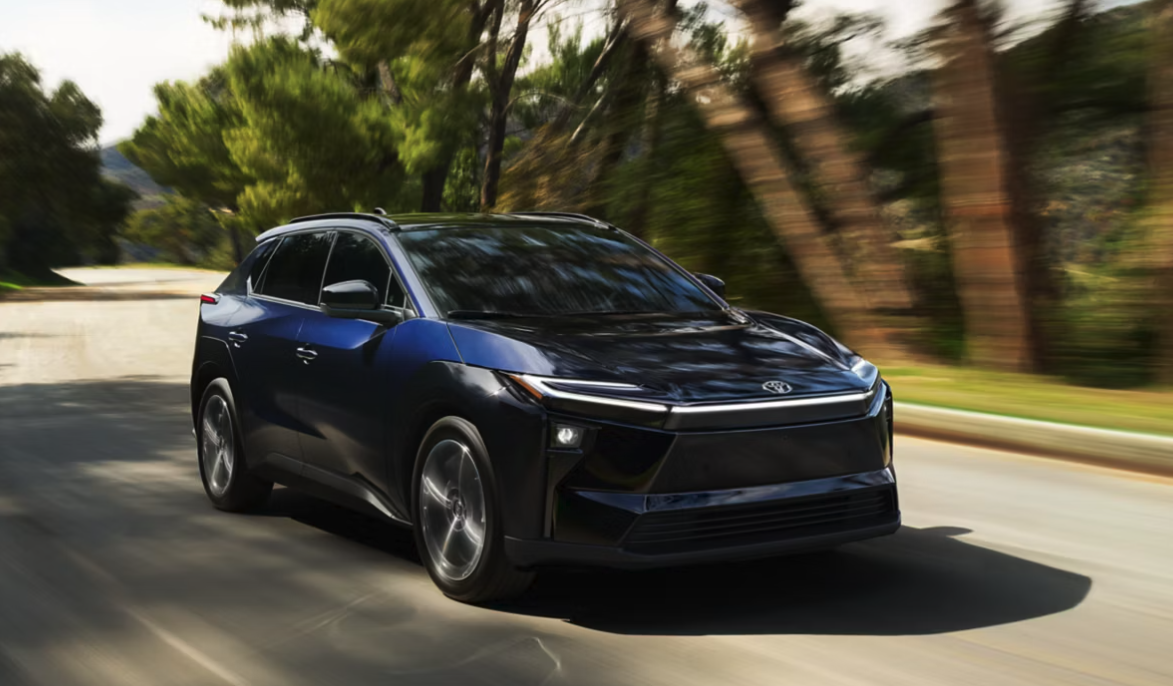
The 2026 Toyota electric vehicle lineup includes the bZ, bZ Woodland, and C-HR. These battery electric SUVs are built for different needs, from mainstream daily commuting to rugged outdoor use and compact urban driving. For Durham-area shoppers, the right fit depends on range, charging access, size, and budget.
2026 Toyota bZ and bZ Woodland: Range, Features, and Pricing
The bZ and bZ Woodland are the easiest place to start because they show how Toyota now separates mainstream EV ownership from more rugged electric-SUV utility.
bZ trim logic, range, charging upgrades, and who it fits best
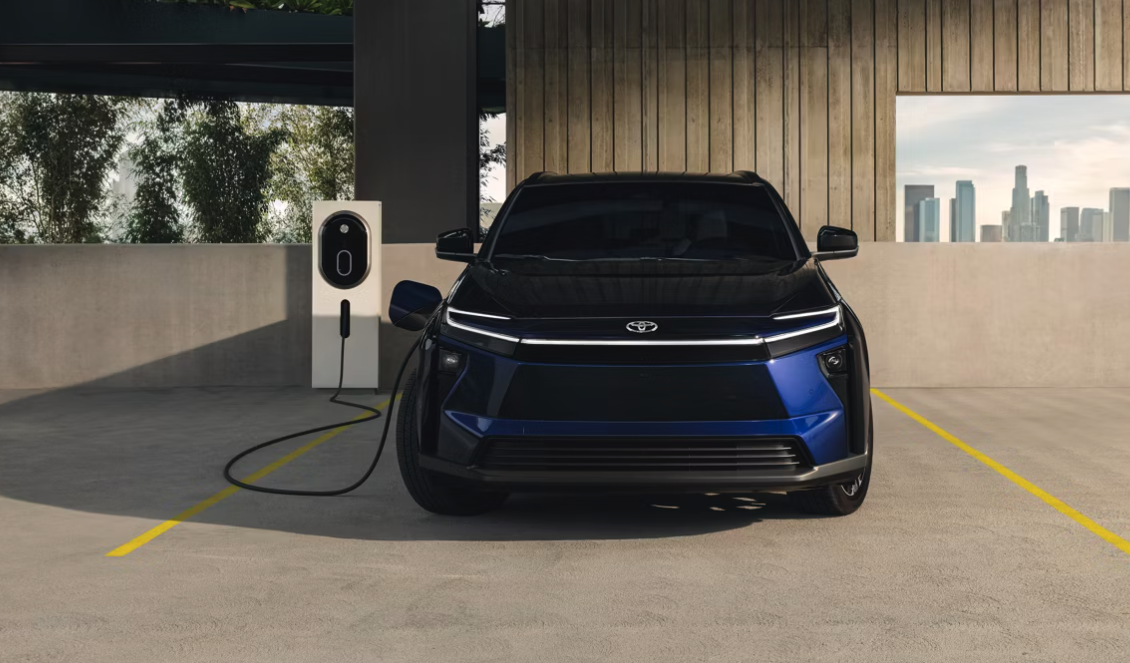
The 2026 Toyota bZ is the lineup’s most broadly appealing EV because it is built to be the mainstream daily-driver choice. Toyota says the bZ can reach up to 314 miles of EPA-estimated range in XLE FWD Plus form, which gives it the strongest range story in Toyota’s current EV lineup. Toyota also says the bZ starts at $34,900, which matters because it keeps the vehicle positioned as the easiest entry point into Toyota battery-electric ownership. For a Durham commuter with a garage charger or an RTP driver who wants an all-electric SUV without stepping too far into premium pricing, that is a strong starting proposition.
The ownership story is also better for 2026 because Toyota has improved the charging experience around the bZ. Toyota says the 2026 model adds charging-convenience upgrades including NACS compatibility and broader public fast-charging access, which helps reduce one of the biggest barriers first-time EV shoppers usually worry about. That matters for Triangle buyers because the best EV is not just the one with the best spec sheet. It is the one that feels easiest to live with every Monday through Friday. For many households, the bZ is the cleanest all-around answer because it balances range, price, and everyday usability better than the more specialized models do.
Explore 2026 Toyota bZ Find a Toyota EV Near DurhambZ Woodland power, towing, cargo, and why it matters for active North Carolina drivers
The bZ Woodland exists for buyers who want their Toyota EV to feel more adventure-ready and more capable. Toyota says it delivers 375 horsepower, standard all-wheel drive, about 260 miles of range, and up to 3,500 pounds of towing. That immediately changes the buyer profile. This is not just a bZ with a styling package. It is the EV for buyers who want more utility, more traction confidence, and more outdoor-gear credibility without leaving the Toyota EV lineup.
That matters for North Carolina buyers who spend weekends carrying bikes, kayaks, camping gear, or smaller trailers. A Cary homeowner who wants an EV but still needs room for active-family weekends may find the Woodland much easier to justify than the standard bZ. The tradeoff, of course, is that the Woodland’s stronger utility story comes with a higher starting MSRP and a shorter range rating. That makes it less of a pure commuter EV and more of a lifestyle EV. For the right buyer, that is exactly the point.
| Lineup Factor | 2026 Toyota bZ | 2026 Toyota bZ Woodland | Best Fit |
|---|---|---|---|
| Starting MSRP | Starts at $34,900 | Starts at $45,300 | bZ for mainstream EV value |
| EPA-Estimated Range | Up to 314 miles | About 260 miles | bZ for range-first commuters |
| Horsepower | Mainstream EV SUV performance | 375 hp | Woodland for stronger performance and utility |
| Drivetrain | FWD or AWD depending on trim | Standard AWD | Woodland for default traction confidence |
| Towing | Mainstream daily-driver positioning | Up to 3,500 lbs | Woodland for active households and light trailer use |
| Overall Buy Logic | Best everyday EV SUV balance | Best rugged EV SUV fit in the lineup | Different priorities, not a simple winner |
Based on Toyota official website and Toyota USA Newsroom.
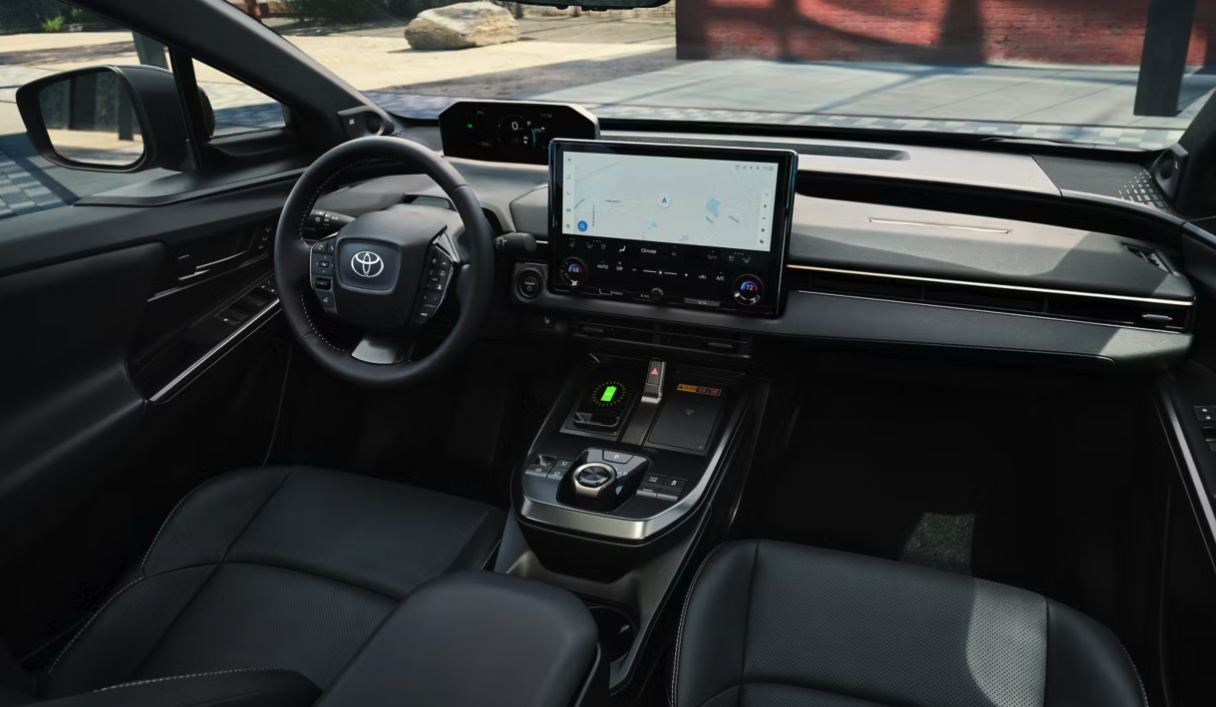
Which Durham-area buyers should choose bZ over bZ Woodland
For most Durham-area drivers, the standard bZ is the smarter choice. We recommend it first for commuters, families with predictable routines, and buyers who want the strongest range-to-price story in Toyota’s EV lineup. The bZ Woodland makes more sense when your household will actually use the extra power, standard AWD identity, and towing capability often enough to justify the jump in price and the shorter range.
That is the best way to think about the split. Choose bZ when you want a cleaner mainstream EV ownership experience. Choose bZ Woodland when your weekend life and utility needs really ask for more than a commuter-focused electric SUV.
- Choose bZ if you want the best range-value story in Toyota’s EV lineup.
- Choose bZ Woodland if outdoor gear, all-wheel drive confidence, and towing matter often.
- Choose bZ first if your routine is mostly commuting, errands, and predictable local driving.
2026 Toyota C-HR: A Bold New Electric Crossover
The new C-HR changes the lineup because it gives Toyota an EV for buyers who want something smaller, quicker, and more style-driven than the mainstream bZ.
C-HR SE vs XSE on range, power, AWD, pricing position, and buyer fit
The all-new 2026 C-HR is the lineup’s compact performance-leaning EV. Toyota says it delivers 338 horsepower, standard all-wheel drive, and an EPA-estimated 287 miles of range in SE or 273 miles in XSE. That makes it one of the easiest Toyota EVs to explain. It is the smaller, sportier answer for buyers who want a more city-friendly footprint without giving up real power or usable range. For a Raleigh buyer who wants strong acceleration and an EV that feels more expressive than a basic commuter crossover, the C-HR makes a strong first impression.
Between the two trims, SE is the smarter starting point for most shoppers because it keeps the better range number and lower price while still delivering the same 338-horsepower all-wheel-drive setup. XSE matters when the buyer wants the more premium look and feel badly enough to accept a small range tradeoff. That makes the C-HR trim decision very clean. This is not a lower trim missing the point of the vehicle. It is more a question of whether range discipline or upper-trim presence matters more to the buyer.
Explore 2026 Toyota C-HR| Compact EV Factor | 2026 Toyota C-HR SE | 2026 Toyota C-HR XSE | Best Fit |
|---|---|---|---|
| Starting MSRP | Starts at $37,000 | Higher trim position | SE for value-focused EV buyers |
| EPA-Estimated Range | 287 miles | 273 miles | SE for maximum C-HR range |
| Horsepower | 338 hp | 338 hp | Both deliver the same strong power story |
| Drivetrain | Standard AWD | Standard AWD | Both suit all-weather Triangle driving |
| Trim Personality | Best range-value balance | More premium and style-forward | XSE for buyers prioritizing upper-trim feel |
| Overall Buy Logic | Best mainstream C-HR value | Best for buyers who want the more complete trim feel | Depends on budget and taste |
Based on Toyota official website, Toyota USA Newsroom, and Mark Jacobson Toyota model page.
The broader lineup context matters here. C-HR is usually the best fit for buyers who want the compact-size advantage and stronger style character over the bZ’s more mainstream feel. bZ is still easier to justify if range and price-value sit at the top of the decision. Woodland is the answer if the buyer’s routine is more active and utility-driven. In other words, C-HR wins when a smaller, sportier EV footprint is part of the reason you are shopping Toyota’s lineup in the first place.
Which 2026 Toyota EV is the smartest buy for your budget and routine?
For most Durham-area shoppers, the smartest buy is still the standard bZ because it balances price, range, and daily-driver practicality more cleanly than the other two. We recommend bZ first for mainstream EV SUV buyers and first-time Toyota EV shoppers. We recommend C-HR for buyers who know they want a smaller EV with more personality and are comfortable with the compact-crossover tradeoffs. We recommend bZ Woodland for buyers who actually need the more rugged, higher-utility version of Toyota EV ownership.
- If you want the strongest all-around Toyota EV value, start with bZ.
- If you want the most compact and expressive EV in the lineup, start with C-HR SE.
- If you want towing, more utility, and outdoor-ready personality, start with bZ Woodland.
- If your main concern is range and easiest daily use, bZ is usually the safest first recommendation.
What most buyers discover is that the smartest Toyota EV is the one that best fits how they charge, how much they drive, and how much vehicle they really need. The lineup is easier to navigate once you start there rather than chasing the highest horsepower or newest design.
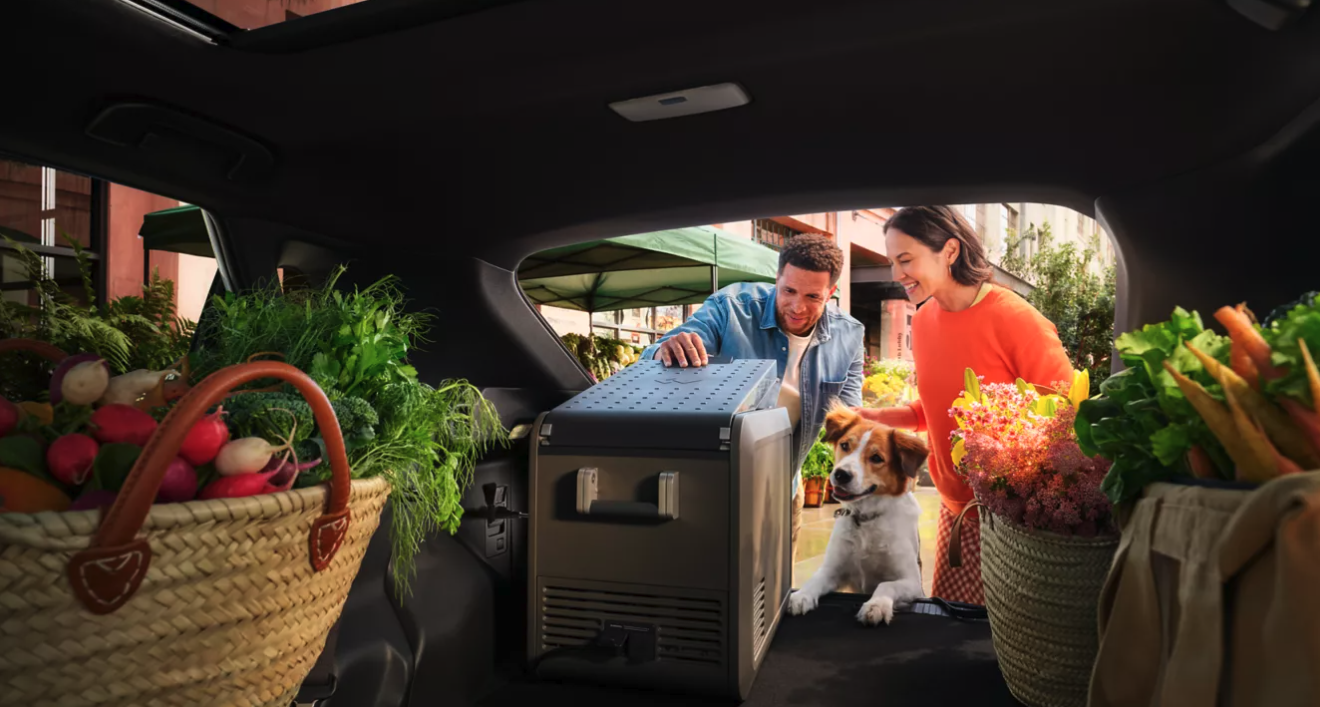
If you are serious about switching to a Toyota EV, we recommend seeing the lineup side by side and talking through your commute and charging setup honestly. Our team can help you compare bZ, bZ Woodland, and C-HR in person, explain where the range and trim differences matter most, and help you request a quote on the EV that fits your routine best. Drivers from Durham, Raleigh, Chapel Hill, Cary, and Apex can call us at 919-493-5599 or start online before visiting. We want the Toyota EV choice to feel clearer once you match the lineup to your actual life.
Charging Options and EV Incentive Reality in North Carolina
The real EV decision in Durham is not only about range. It is about charging access, local routine, and whether the remaining 2026 incentive landscape actually helps your ownership plan.
NACS, DC fast charging, home charging, Durham apartment vs garage ownership, and what incentives still matter in 2026
Toyota’s 2026 EV lineup is easier to live with than earlier EV shoppers may expect because the charging story is stronger now. Toyota says the 2026 bZ family and C-HR move into a North American Charging System world, which broadens charging-network compatibility and helps public charging feel more practical. Toyota also supports DC fast charging and home charging options across the lineup, which means the ownership question becomes more personal than technical. For a Cary homeowner with a garage or a Raleigh buyer with dependable workplace charging, a Toyota EV can fit very naturally. For a Durham apartment renter with inconsistent access, the same vehicle can become much harder to live with smoothly.
The incentive story also needs to be framed accurately for 2026. The old federal new clean vehicle purchase credit is no longer available for EVs acquired after September 30, 2025, so buyers should not shop these vehicles assuming that benefit still applies. At the same time, qualifying federal charging-property credits can still matter for certain home charging installations placed in service through June 30, 2026. North Carolina also continues to have active charger infrastructure and EV support context through statewide and utility-related programs, but buyers should verify current details for their address and provider. The cleanest way to present this in Durham is simple: the purchase-credit landscape is tighter than it used to be, but charging support and infrastructure still matter, and the practical value of an EV still depends heavily on how and where you charge.
| Ownership Profile | Charging Situation | Best Toyota Path | Why It Fits |
|---|---|---|---|
| Durham homeowner with garage charging | Reliable daily home charging | Toyota bZ or C-HR | Best low-friction EV ownership setup |
| RTP commuter with workplace charging | Can charge during the workweek | Toyota bZ | Strong mainstream EV commuting fit |
| Cary active family with gear and weekend travel | Home charging plus higher utility needs | Toyota bZ Woodland | Utility and AWD advantages matter more here |
| Chapel Hill apartment renter | Inconsistent or shared charging access | Toyota hybrid may fit better | EV ownership friction may stay too high |
| Apex first-time EV buyer | Unsure about charging and incentives | Toyota bZ or hybrid depending setup | Need to decide charging fit before committing |
| Triangle budget-focused shopper | Can charge but wants strongest value | Toyota bZ or a Toyota hybrid alternative | Depends on mileage and install costs |
Charging convenience and incentive reality should always be verified against current federal guidance, local utility programs, and your actual home or apartment setup.
For Durham and the Triangle, the best way to shop the lineup is to start with charging access first, then daily mileage, then budget. That order usually gets buyers to the right answer faster than comparing horsepower or trim badges at the start.
Shop Toyota EV Inventory in Durham Compare Toyota EVs and Hybrids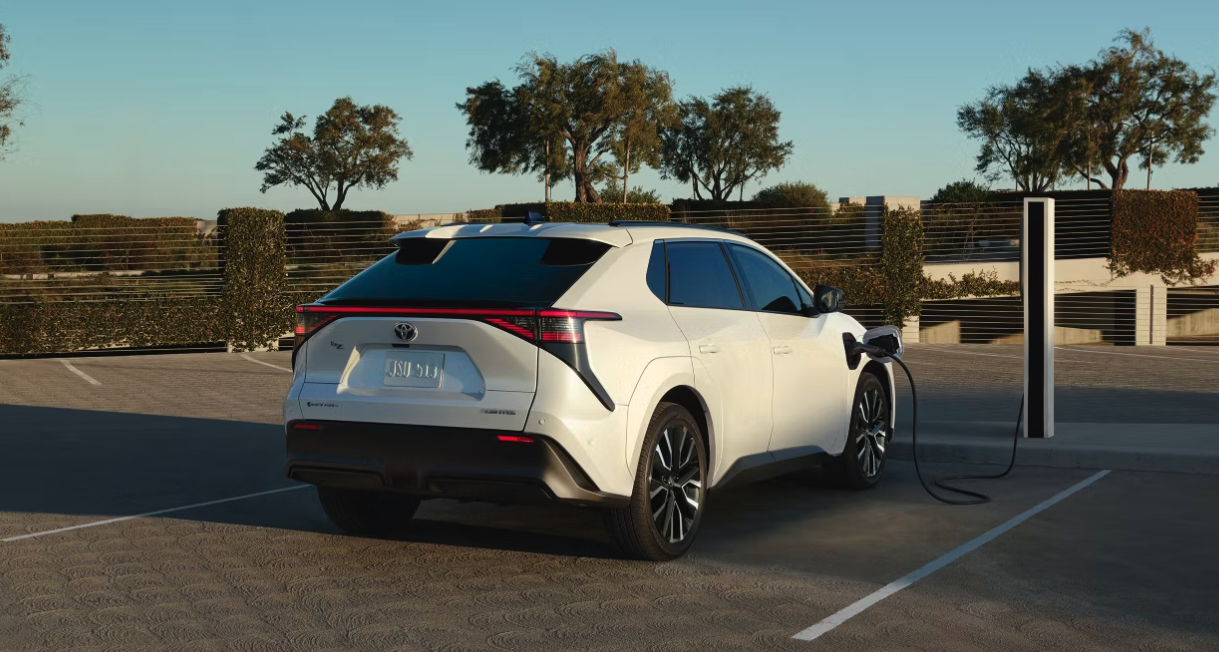
Visit Mark Jacobson
If you are comparing a Toyota EV against a Toyota hybrid, or trying to decide whether your current parking and charging setup makes EV ownership realistic, we can help you work through that with real numbers. Our team can review your current vehicle through our trade tools, help you compare finance options, and talk honestly about which lineup path matches the way you drive. We serve Durham, Raleigh, Chapel Hill, Cary, and Apex drivers every day, and our Mark Says Yes! approach is built around helping buyers choose the right Toyota for their real routine. If you want to compare Toyota EVs and Toyota hybrids in one visit, call us at 919-493-5599 or stop by our showroom at 4516 Durham-Chapel Hill Blvd. We are here to make the electrified-vehicle decision easier and more practical.
Which Toyota EV Matches Durham Commuters, Weekend Travelers, and Outdoor Buyers Best?
The best Toyota EV is the one that matches the way your household really moves, not the one with the most dramatic spec-sheet headline.
We recommend the bZ for most mainstream Durham-area EV buyers because it covers the broadest range of daily life. It is the best fit for commuters, small families, and drivers who want an electric SUV that feels balanced rather than specialized. We recommend C-HR when a smaller footprint, stronger style, and quicker-feeling compact character matter more than maximum range or utility. We recommend bZ Woodland when the household needs a more rugged EV with standard AWD identity, light towing, and more outdoor-ready capability.
In buyer-profile terms, bZ is usually the cleanest “one EV for everything” answer. C-HR is the city-friendlier, sportier answer. Woodland is the active-lifestyle answer. Once you frame the lineup that way, the decision gets much clearer for most Triangle shoppers.
If charging access is inconsistent, though, a Toyota hybrid may still be the smartest overall move. That is especially true for apartment renters, shared-parking situations, and buyers who do not want to build daily life around charging logistics.
See Toyota EV and Hybrid Features Explore Toyota bZ FeaturesWhen a Toyota EV Makes More Sense Than a Toyota Hybrid in the Triangle
A Toyota EV makes the most financial sense when your charging setup and commute pattern let you use electric ownership advantages consistently enough to justify the switch.
We recommend thinking about the EV versus hybrid decision in three layers. First is purchase price. Second is your energy-cost reality. Third is how much friction your charging setup introduces or removes. For buyers with dependable garage or workplace charging, a Toyota EV can make very strong long-term sense because it reduces fuel use, simplifies routine maintenance, and can turn daily commuting into a much lower-friction operating-cost story. That is where bZ often wins the broadest value argument and where C-HR can become a compelling choice for smaller-household commuters.
For buyers with inconsistent charging or highly variable daily driving, Toyota hybrids may keep the better long-term value story. That is not because the EVs are weak. It is because the best EV ownership math depends on actually being able to charge regularly and conveniently. The Woodland, in particular, needs an owner who will use its extra utility and power enough to justify the higher price. The bZ usually remains the easiest EV to defend financially. C-HR makes strong sense when compact size and style are part of why you are shopping. Woodland makes sense when the activity level and utility demands are real, not hypothetical.
We also remind buyers that ToyotaCare and our service team support help make both EV and hybrid ownership easier. The smartest electrified Toyota is the one that still feels right after months of commuting, charging, errands, and weekend travel, not just in the first week after delivery.
- Choose bZ for the strongest all-around Toyota EV value case.
- Choose C-HR when compact size and stronger style matter every day.
- Choose bZ Woodland only when the extra utility, AWD identity, and towing advantages will be used often.
- Choose a Toyota hybrid if your charging access is inconsistent enough to make full EV ownership stressful.
Key Takeaways
- Toyota’s 2026 EV lineup includes the bZ, bZ Woodland, and all-new C-HR.
- The bZ is the best mainstream EV SUV choice for most Durham-area buyers.
- The bZ Woodland is the rugged utility choice with more power and towing capability.
- The C-HR is the compact, quicker, style-forward EV in the lineup.
- Charging access matters as much as range when deciding whether a Toyota EV fits your life.
- For buyers without dependable charging, a Toyota hybrid may still be the smarter electrified path.
2026 Toyota EV Lineup FAQ for Durham Drivers
What electric vehicles does Toyota have for 2026?
Toyota’s 2026 battery electric lineup includes the Toyota bZ, Toyota bZ Woodland, and the all-new Toyota C-HR. These three EV SUVs are built for different needs. The bZ is the mainstream range-and-value choice, the bZ Woodland is the more rugged and utility-focused choice, and the C-HR is the compact, sportier EV in the lineup.
Which 2026 Toyota EV is best for commuting in Durham?
For many Durham-area commuters, the best Toyota EV is the standard bZ because it offers the strongest all-around balance of range, price, and daily usability. The C-HR is also a strong commuter choice if you want a smaller footprint and stronger style. The right answer depends on your charging access, commute length, and whether you want compact size or the more mainstream SUV feel of the bZ.
What is the difference between the bZ, bZ Woodland, and C-HR?
The bZ is Toyota’s mainstream EV SUV with the strongest range-value story. The bZ Woodland adds more power, standard AWD identity, and towing-ready utility for more active households. The C-HR is the smaller, quicker, more style-focused EV crossover. All three are battery electric, but they fit very different owner profiles.
Are there still EV incentives in North Carolina in 2026?
The old federal new clean vehicle purchase credit is no longer available for EVs acquired after September 30, 2025, so buyers should not assume a purchase credit still applies in 2026. There may still be value through qualifying federal charging-property credits for some home charging installations and through local infrastructure or utility-related programs, but those details should be verified based on your address, provider, and installation plan.
Start Your Toyota EV Purchase Find Your Toyota EVWe are here to help you choose the right Toyota EV at Mark Jacobson Toyota, 4516 Durham-Chapel Hill Blvd, Durham, NC 27707. Our team works with drivers from Durham, Raleigh, Chapel Hill, Cary, and Apex every day, and we know how often the right electrified-vehicle choice comes down to charging access, commute length, trim value, and daily practicality more than anything else. We can walk you through bZ, bZ Woodland, and C-HR side by side, compare Toyota EVs and Toyota hybrids, review trade value and finance options, and help you test the vehicle that actually fits the way you drive. Our Mark Says Yes! approach is built around practical guidance and a shopping process that stays clear from start to finish. Call us at 919-493-5599, start online, or visit us in person so we can help you find the Toyota EV that makes sense for your life in the Triangle.
Connect with us


Recent Blog Entries
- 2026 Toyota Grand Highlander Hybrid: The Family SUV Durham Parents Love
- 2026 Toyota 4Runner Trims: From SR5 to Platinum in Durham, NC
- 2026 Toyota Tacoma vs Tundra: Which Truck Is Right for You in Durham?
- The 2026 Toyota RAV4 Redesign: Everything Durham Drivers Need to Know
- 2026 Toyota EV Lineup in Durham, NC: Which Model Fits Your Life Best?