



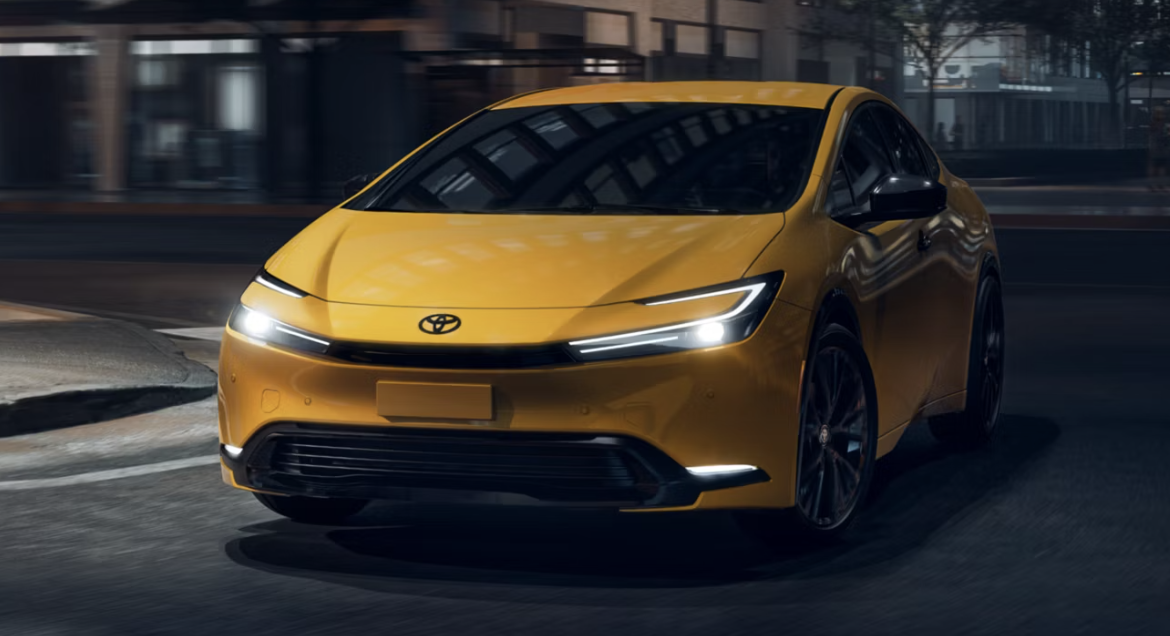
2026 Toyota Prius vs Prius Plug-in Hybrid Overview
If you are comparing the 2026 Toyota Prius vs Prius Plug-in Hybrid, the regular Prius is the better choice when you want excellent MPG with no charging routine, while the Prius Plug-in Hybrid is better when you can charge at home and want to cover short trips on electric power before using gas. At Mark Jacobson Toyota, we recommend the regular Prius for Raleigh or Durham drivers without reliable charging access. We recommend Prius Plug-in Hybrid for a Durham commuter driving to RTP who can plug in at home and wants to reduce gas use on predictable daily routes.
The regular Prius is simple. It uses gas and electric power automatically, never needs to be plugged in, and FuelEconomy.gov lists a 2026 Prius FWD model at 57 combined MPG. The Prius Plug-in Hybrid adds a larger rechargeable battery, electric-only driving capability, and stronger total system performance, but it asks the driver to build charging into daily life. That charging habit is what decides whether the extra cost and plug-in hardware make sense.
In this guide, we compare MPG, MPGe, electric range, charging needs, trims, pricing logic, commuter use cases, tax-credit considerations, and Toyota hybrid alternatives like Corolla Hybrid, Camry Hybrid, and RAV4 Hybrid. Our goal is to help Durham, Raleigh, Chapel Hill, Cary, and Apex shoppers choose the Prius version that actually saves money and fits their daily routine.
Table of Contents
- Fuel Economy, Electric Range, and Charging Differences
- Prius Trims, Pricing, and Best-Fit Configurations
- Local Driving Fit for Durham, Raleigh, Chapel Hill, Cary, and Apex
- Ownership Cost Analysis: When Plugging In Actually Pays Off
- Contrarian Insight: Why the Regular Prius May Be the Smarter Buy
- Key Takeaways
- 2026 Toyota Prius vs Prius Plug-in Hybrid FAQ for Durham Drivers
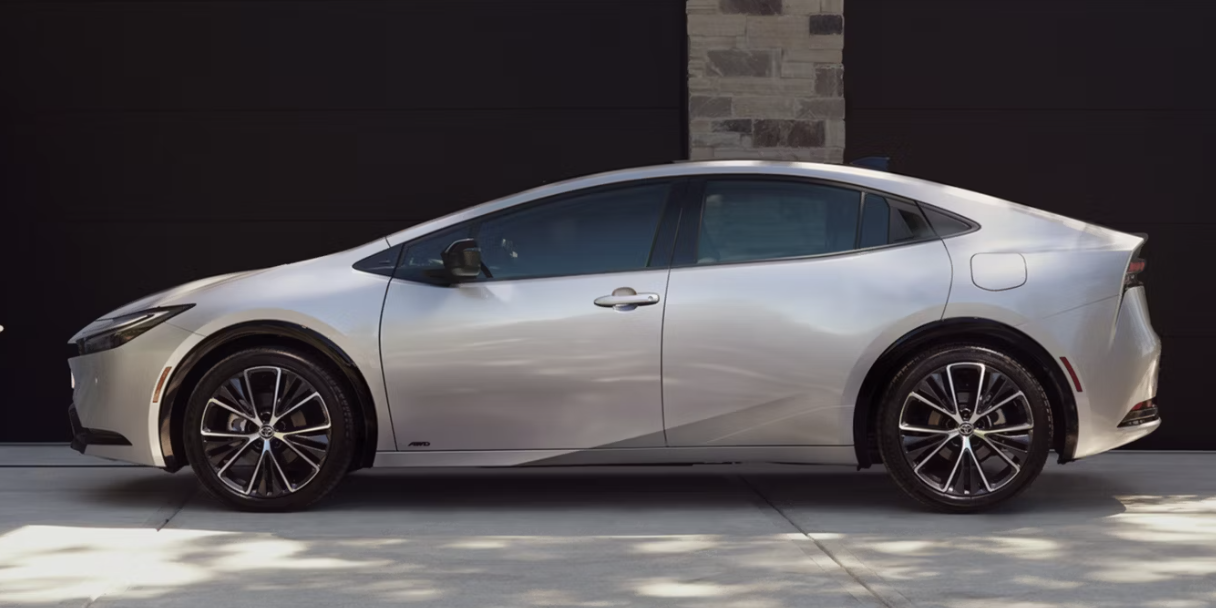
The 2026 Toyota Prius is a hybrid hatchback that uses gas and electric power without plugging in. The 2026 Prius Plug-in Hybrid adds a larger rechargeable battery for electric-only driving before operating like a hybrid. For Durham-area drivers, the better choice depends on commute length, charging access, and fuel-savings goals.
Fuel Economy, Electric Range, and Charging Differences
The regular Prius wins on simplicity and maximum no-plug fuel economy, while Prius Plug-in Hybrid wins when short daily routes and reliable charging let drivers use electric power often.
Prius MPG vs Prius Plug-in Hybrid electric range and MPGe
The regular 2026 Prius is built around automatic hybrid efficiency. FuelEconomy.gov lists the 2026 Prius FWD at 57 combined MPG, 57 city MPG, 56 highway MPG, and a total range of 644 miles. That makes it a strong fit for drivers who want fuel savings without changing habits. You drive it, refuel it, and let the hybrid system manage gas and electric power in the background.
The Prius Plug-in Hybrid changes the math because it can use grid electricity for short trips before it behaves like a hybrid. Published 2026 Prius Plug-in Hybrid information lists the SE grade with up to about 44 miles of electric-only range, while other trims are generally positioned around roughly 40 miles, depending on configuration and source updates. That is why we recommend the plug-in model only when a driver can charge consistently enough to use that EV range most days.
The key difference between Prius and Prius Plug-in Hybrid is charging access. The regular Prius delivers up to 57 combined MPG in FWD form without plugging in, which makes it the simpler fuel-saver. Prius Plug-in Hybrid can save more gas on short trips if the driver charges regularly, but without charging, its main advantage shrinks quickly.
| Efficiency Factor | 2026 Toyota Prius | 2026 Prius Plug-in Hybrid | Best For |
|---|---|---|---|
| Primary Powertrain | Hybrid gas-electric system | Plug-in hybrid system with rechargeable battery | Choose based on charging access |
| Top MPG Reference | 57 combined MPG for FWD model | Up to about 52 MPG in hybrid operation based on published estimates | Prius for no-plug MPG simplicity |
| Electric-Only Driving | No plug-in EV-only range | Up to about 44 miles on SE grade | Prius Plug-in Hybrid for short charged commutes |
| Charging Required | No | Recommended to get full value | Prius for apartment or uncertain charging |
| Fuel Type | Regular gasoline | Regular gasoline and electricity | Depends on daily routine |
| Ideal Use Case | High-mileage mixed driving with no charging routine | Short commute with home charging | Match the car to your charging habits |
Based on current Toyota published specifications, FuelEconomy.gov, and credible automotive reporting where 2026 Plug-in Hybrid EPA listings were not fully reflected at time of verification.
- Choose Prius if you want excellent MPG without plugging in.
- Choose Prius Plug-in Hybrid if your regular route fits within the electric range and you can charge often.
- Choose Prius if your parking situation makes charging inconvenient.
- Choose Prius Plug-in Hybrid if your home setup makes overnight charging easy.
Charging at home, public charging, and daily commute math
Charging is the habit that makes Prius Plug-in Hybrid work. A Durham RTP commuter with a predictable 20 to 35 mile daily route and a garage or driveway charging setup may use very little gas during the week. That driver gets the strongest case for the plug-in model because the electric range is used regularly. If that same driver also takes weekend trips, the gas engine provides backup without the planning required by a battery-electric vehicle.
For a Raleigh apartment dweller without reliable charging, we usually recommend Prius instead. Public charging can help, but a plug-in hybrid makes the most sense when charging is convenient enough to become routine. If charging feels like a chore, drivers may end up using the plug-in mostly as a regular hybrid, which weakens the cost advantage. The regular Prius avoids that problem because the fuel-saving system works automatically every day.
Performance, horsepower, and how each Prius feels to drive
The current Prius generation is much stronger and more responsive than many shoppers expect. The regular Prius gives commuters the calm, efficient feel they want while still feeling modern on NC-147, I-40, and city streets. It is not just a fuel-saver for slow driving. It feels smoother, quicker, and more refined than older Prius shoppers may remember.
Prius Plug-in Hybrid adds a stronger performance personality because the plug-in system delivers more total system output than the standard hybrid. That added response matters for drivers who want efficiency but do not want the car to feel sleepy. For an Apex eco-conscious homeowner who can charge at home and still wants a quicker-feeling hatchback, Prius Plug-in Hybrid becomes more compelling. For a Cary high-mileage driver who just wants reliable MPG across city, highway, and errands, the regular Prius is usually the cleaner recommendation.
Check Prius AvailabilityPrius Trims, Pricing, and Best-Fit Configurations
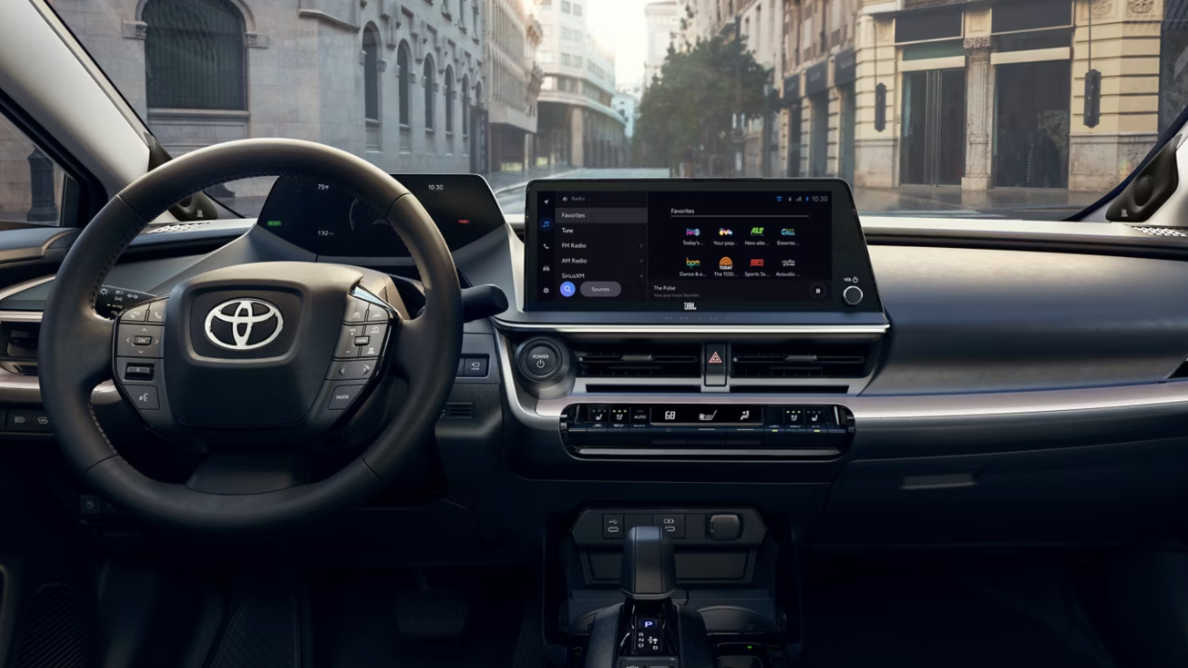
The right Prius choice starts with lifestyle first, then trim, because the plug-in upgrade only pays off when the driver’s charging routine supports it.
Prius vs Prius Plug-in Hybrid trim and feature comparison
The regular Prius generally fits shoppers who want the lowest-friction path to excellent fuel economy. FuelEconomy.gov lists 2026 Prius MSRP information from $28,550 to $35,565, which gives buyers a lower entry point than the plug-in model. The regular Prius also offers the advantage of available all-wheel drive on select configurations, which can matter for drivers who want extra traction confidence during Triangle rain.
The Prius Plug-in Hybrid is positioned higher because it adds a rechargeable battery, electric-only driving, and a more specialized ownership pattern. Published 2026 pricing information places Prius Plug-in Hybrid trims above the regular Prius, with SE, XSE, Nightshade, and XSE Premium choices. The plug-in model can be the better value for homeowners who charge often and drive shorter routes, but the regular Prius remains the easier recommendation for many buyers because it needs no charging plan.
| Comparison Point | 2026 Toyota Prius | 2026 Prius Plug-in Hybrid | Best For |
|---|---|---|---|
| Entry Cost Logic | Lower starting range based on FuelEconomy.gov MSRP data | Higher starting position due to plug-in hardware | Prius for budget-focused efficiency |
| Charging Need | No charging needed | Charging strongly recommended | Prius for simplest ownership |
| Electric Driving | No plug-in range | Short-trip electric driving when charged | Plug-in Hybrid for home chargers |
| AWD Availability | Available on select Prius configurations | Front-wheel drive focus | Prius for drivers wanting AWD availability |
| Trim Personality | LE, XLE, Nightshade, Limited | SE, XSE, Nightshade, XSE Premium | Match trim to comfort and tech priorities |
| Ideal Use Case | Mixed commute, no charging, high MPG | Short commute, home charging, lower gas use | Daily routine decides the winner |
Based on current Toyota published specifications, FuelEconomy.gov, and credible automotive reporting.
We recommend the regular Prius for shoppers who want the strongest blend of price, simplicity, MPG, and possible AWD availability. We recommend Prius Plug-in Hybrid for drivers who can charge at home and keep most daily driving within the electric range. The plug-in model is not automatically the better fuel-saver for every buyer. It becomes the better choice when the driver’s home, parking, and commute make plugging in easy.
Get Pre-Approved for PriusWhich Prius setup should Durham-area drivers choose?
For Durham-area drivers, the best Prius setup depends on charging reliability. A driver with a garage, driveway, or consistent workplace charging can get more value from Prius Plug-in Hybrid. A driver who parks on the street, lives in an apartment without charging, or drives long mixed routes may be better served by the regular Prius. Our customers often start by asking which model gets the best numbers, but the smarter question is which model matches the way they park and drive.
- If you commute from Durham to RTP and can charge at home, we recommend Prius Plug-in Hybrid because many weekday trips may use little gas.
- If you live in Raleigh without reliable charging, we recommend Prius because the hybrid system works without any new routine.
- If you drive mixed city and highway routes around Cary, we recommend Prius because high MPG remains consistent without planning.
- If you own a home in Apex and want more electric-only driving, we recommend Prius Plug-in Hybrid XSE or XSE Premium because charging access supports the upgrade.
For Durham commuters, Prius Plug-in Hybrid is the better choice when daily mileage is predictable and charging is easy. The regular Prius is the better choice when the driver wants fuel savings without thinking about plugs, public chargers, or parking setup. We recommend choosing by routine first because that is what determines real savings.
If you are choosing between Prius and Prius Plug-in Hybrid, we recommend talking with our team about your commute, parking setup, home charging access, and monthly budget before choosing a trim. We can help you compare regular Prius trims with Prius Plug-in Hybrid trims, explain current vehicle availability, and walk through finance options in a way that matches how you actually drive. We can also compare Prius with Corolla Hybrid, Camry Hybrid, RAV4 Hybrid, and other Toyota hybrids if you are still deciding how much space or efficiency you need. Drivers from Durham, Raleigh, Chapel Hill, Cary, and Apex can call us at 919-493-5599 or start with Toyota hybrid research online before visiting. We want the Prius decision to feel practical, not confusing.
Local Driving Fit for Durham, Raleigh, Chapel Hill, Cary, and Apex
Prius is strongest for Triangle drivers who want effortless MPG everywhere, while Prius Plug-in Hybrid is strongest for short local routes with easy charging at home or work.
RTP commutes, downtown parking, I-40 traffic, charging access, and Triangle weather
Local driving conditions make this comparison more concrete. Durham and RTP commuters often have predictable routes, which can help the Prius Plug-in Hybrid make sense if charging is available at home. Raleigh drivers who depend on apartment parking or shared garages may find the regular Prius easier because it avoids charging uncertainty. Chapel Hill students, staff, and faculty should think carefully about where the car will park during the day because charging access can change the plug-in value quickly.
Based on our experience with Triangle shoppers, the regular Prius fits the widest range of drivers because it gets excellent MPG regardless of parking setup. Prius Plug-in Hybrid fits a narrower but very strong use case: drivers with shorter daily routes and easy charging. If your weekly driving includes I-40 traffic, downtown Durham parking, US-15/501 trips, and errands across Cary or Apex, the regular Prius stays easy. If most driving is local and charging is automatic at night, the plug-in version can cut gas use significantly.
| Local Driver Profile | Primary Need | Recommended Prius | Why It Works |
|---|---|---|---|
| Durham RTP commuter | Short predictable route and home charging | Prius Plug-in Hybrid | Electric range can cover many weekday miles |
| Raleigh apartment driver | Excellent MPG without reliable charging | Prius | No plug-in routine required |
| Chapel Hill student or faculty commuter | Mixed parking access and short local trips | Prius or Plug-in Hybrid depending charging | Charging access decides value |
| Cary high-mileage driver | City, highway, errands, and no charging plan | Prius | Consistent MPG with no planning |
| Apex eco-conscious homeowner | Home charging and electric-only driving goal | Prius Plug-in Hybrid XSE or XSE Premium | Charging supports the extra plug-in cost |
| Ideal Use Case | Match efficiency to parking and commute | Prius for simplicity, Plug-in Hybrid for charging access | The best choice depends on daily routine |
Based on current Toyota published specifications, FuelEconomy.gov, and local driving use-case analysis.
Value Your Trade Toward Prius
If you are comparing Toyota hybrids beyond Prius, we can help you decide whether a hatchback, sedan, or SUV fits your life better. Our team can compare Prius with Corolla Hybrid, Camry Hybrid, RAV4 Hybrid, Corolla Cross Hybrid, and other Toyota electrified options based on passenger space, cargo room, AWD availability, and commute patterns. We serve Durham, Raleigh, Chapel Hill, Cary, and Apex shoppers every day, and our Mark Says Yes! approach is built around helping each driver choose the Toyota that fits real life. If you want plug-in efficiency but need more room, we can also discuss Toyota plug-in and hybrid SUV options as they become available. Call us at 919-493-5599 or visit us at 4516 Durham-Chapel Hill Blvd so we can help you compare efficient Toyota choices side by side.
Ownership Cost Analysis: When Plugging In Actually Pays Off
Prius Plug-in Hybrid pays off best when the driver can charge often, drive mostly short trips, and replace gasoline miles with electric miles most weekdays.
The plug-in upgrade is not just about having a charging port. It is about using that charging port often enough to change your fuel spending. A Durham driver with a 30-mile round-trip commute and home charging may be able to complete many weekdays mostly on electric power. That is where Prius Plug-in Hybrid makes the most sense because the larger battery is doing useful work day after day.
A driver with no reliable charging has a very different ownership case. Without charging, the Prius Plug-in Hybrid still operates as a hybrid, but the main reason to pay more becomes harder to justify. We recommend calculating your average weekday mileage, whether you can plug in overnight, and how often you take longer trips. Those three details tell us more than a spec sheet alone.
Federal tax-credit claims also need caution. IRS guidance states that clean vehicle credits are not available for vehicles acquired after Sept. 30, 2025, with limited acquisition timing rules for vehicles placed in service later. Because of that, we do not recommend assuming a 2026 Prius Plug-in Hybrid federal credit applies unless current IRS rules and seller reporting confirm eligibility for your exact purchase situation.
Contrarian Insight: Why the Regular Prius May Be the Smarter Buy
The regular Prius may be the smarter buy for many Durham-area drivers because it delivers exceptional MPG without requiring home charging, charging planning, or a higher plug-in price.
The plug-in model is appealing, but we do not recommend it automatically. Many shoppers are better served by the regular Prius because it gives them outstanding fuel economy with fewer lifestyle requirements. For an apartment driver in Raleigh, a student in Chapel Hill, or a high-mileage Cary driver who mixes highway and city routes, the regular Prius may save money more consistently because it does not depend on charging access.
The regular Prius also keeps the ownership decision cleaner. It avoids questions about outlet access, charging time, public charger reliability, and whether the driver will remember to plug in. That simplicity has real value. If your main goal is lower fuel cost with less planning, Prius is often the easiest Toyota to recommend.
- If you cannot charge at home, we recommend Prius first.
- If you drive long mixed routes every day, we recommend Prius first.
- If you want AWD availability, we recommend checking Prius configurations first.
- If you want electric-only driving and can charge nightly, we recommend Prius Plug-in Hybrid.
For many Triangle shoppers, the regular Prius is not the less advanced choice. It is the more practical choice. Prius Plug-in Hybrid is excellent when the routine fits, but the regular Prius fits more routines.
Schedule Prius ServiceKey Takeaways
- The regular 2026 Prius is best for drivers who want excellent MPG without plugging in.
- Prius Plug-in Hybrid is best for short daily commutes with reliable charging access.
- FuelEconomy.gov lists a 2026 Prius FWD model at 57 combined MPG.
- Prius Plug-in Hybrid offers electric-only driving when charged, but charging habits determine savings.
- Do not assume federal tax-credit eligibility for a 2026 purchase without checking current IRS rules.
2026 Toyota Prius vs Prius Plug-in Hybrid FAQ for Durham Drivers
What is the difference between Prius and Prius Plug-in Hybrid?
The 2026 Prius is a regular hybrid that uses gas and electric power automatically without plugging in. The Prius Plug-in Hybrid adds a larger rechargeable battery that can support electric-only driving before the vehicle returns to hybrid operation. We recommend Prius for drivers who want simple fuel savings with no charging routine. We recommend Prius Plug-in Hybrid for drivers who can charge often and keep many daily trips within the electric range.
Is the Prius Plug-in Hybrid worth it if I cannot charge at home?
Prius Plug-in Hybrid is usually harder to justify if you cannot charge at home or work. The plug-in model still functions as a hybrid when the battery charge is depleted, but the main value comes from using electric miles regularly. For Raleigh apartment drivers or Durham shoppers without dependable charging access, we usually recommend the regular Prius because it delivers excellent MPG without asking the driver to change parking or charging habits.
Which Prius is better for commuting in Durham?
The better Prius for Durham commuting depends on charging access. If you drive a predictable route to RTP and can charge at home, Prius Plug-in Hybrid can reduce gas use on many weekday trips. If your commute changes often, you park where charging is uncertain, or you want the simplest fuel-saving setup, the regular Prius is usually the better choice. We recommend matching the car to your parking setup before comparing trims.
Does the 2026 Prius Plug-in Hybrid qualify for tax credits?
We do not recommend assuming a federal clean vehicle credit applies to a 2026 Prius Plug-in Hybrid purchase. IRS guidance states that clean vehicle credits are not available for vehicles acquired after Sept. 30, 2025, with specific timing rules for vehicles acquired before that date and placed in service later. Tax rules can be complex, so we recommend checking current IRS guidance and speaking with a qualified tax professional before making any purchase decision based on incentives.
We are here to help you choose the right Toyota hybrid at Mark Jacobson Toyota, 4516 Durham-Chapel Hill Blvd, Durham, NC 27707. Our team works with drivers from Durham, Raleigh, Chapel Hill, Cary, and Apex who want clear guidance on MPG, charging, trims, tax-credit questions, trade value, and finance options. We can compare Prius and Prius Plug-in Hybrid side by side, review ToyotaCare, discuss Mark Says Yes!, and help you decide whether a regular hybrid or plug-in hybrid fits your daily routine better. Call us at 919-493-5599, start online, or visit our Durham showroom so we can help you choose the Toyota that saves money in the way you actually drive.
Connect with us


