



For adventure enthusiasts in the Triangle, the return of the Toyota Land Cruiser marks a new era of exploration. While Durham is known for its vibrant city life and universities, it also serves as a perfect gateway to some of North Carolina’s most rugged trails and outdoor escapes. Whether you are planning a trip to the Uwharrie National Forest or exploring private trails near Chapel Hill, having a vehicle that is purpose-built for the terrain is essential. The new Land Cruiser is not just an SUV; it is a legendary machine engineered to conquer mud, rocks, and sand with ease. In this guide, we will explore the specific off-road systems that make the Land Cruiser a beast on the trails and how you can prepare for your next adventure right here in Durham.
Mastering the Terrain: Advanced Drivetrain and Electronic Systems
The mechanical soul of the Toyota Land Cruiser is its sophisticated full-time four-wheel-drive system, which provides a constant distribution of power to all four wheels to ensure maximum grip before you even realize you need it. Unlike traditional part-time systems that require manual engagement when things get slippery, the Land Cruiser’s center locking differential and electronically controlled two-speed transfer case work in tandem to provide seamless transitions between different driving environments.
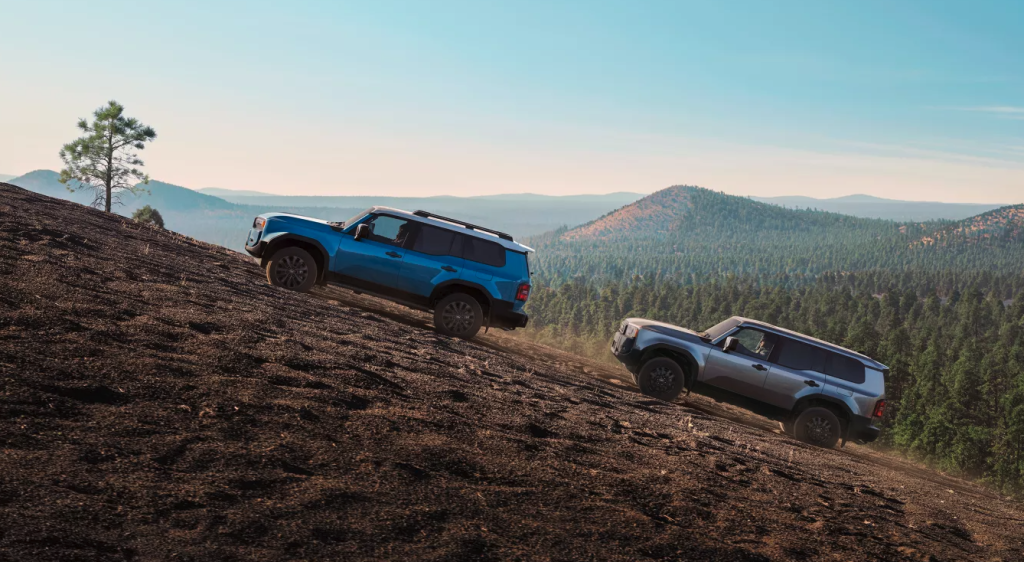
For the daily commuter navigating the frequent rain on I-85 or the Durham Freeway, the high-range setting offers stability and confidence. However, when the pavement ends and the North Carolina red clay begins, the low-range gearing becomes the vehicle’s greatest asset, providing the multiplied torque necessary for technical maneuvers and steep ascents. This system is further enhanced by the Stabilizer Disconnect Mechanism (SDM), a feature that allows the front stabilizer bar to be disengaged at the touch of a button.
This effectively increases front-wheel articulation, allowing the suspension to flex further and keeping the tires in contact with the ground over jagged rocks or deep ruts. Without this articulation, a vehicle might lift a wheel, losing traction and momentum; with it, the Land Cruiser remains planted and poised. Furthermore, the integration of the i-FORCE MAX hybrid powertrain adds a layer of refinement to the drivetrain that was previously unseen in the off-road segment.
The electric motor provides instantaneous torque at zero RPM, which is exactly what a driver needs when trying to crawl over a stump or out of a muddy hole without excessive wheel spin. This synergy between traditional mechanical lockers and modern electric assistance creates a platform that is as capable as it is intelligent. By managing power delivery with such precision, the vehicle reduces the mechanical strain on its CV axles and differentials, ensuring that your weekend trip to the mountains doesn’t end with a broken part. For Durham drivers, this means a vehicle that can handle the unpredictability of regional trails while maintaining the manners required for city driving, representing a perfect balance of brute force and technological sophistication.
The Precision of Multi-Terrain Select and Crawl Control
The Multi-Terrain Select (MTS) system functions as the Land Cruiser’s digital brain, allowing the driver to calibrate the vehicle’s behavior based on the specific ground conditions found in the North Carolina wilderness. By choosing between modes like Mud, Sand, Rock, or Dirt, the system automatically modifies the engine throttle response, brake pressure, and traction control sensitivity.
For instance, in “Mud” mode, the system allows for a slight amount of wheel spin to help clear the treads of the heavy, sticky clay common near Durham, whereas “Rock” mode prioritizes slow, controlled power delivery to prevent slipping on smooth surfaces. Complementing this is Crawl Control, a specialized off-road cruise control system that manages acceleration and braking at very low speeds. This allows the driver to remove their feet from the pedals entirely and focus solely on steering the vehicle through tight gaps or over complex obstacles.
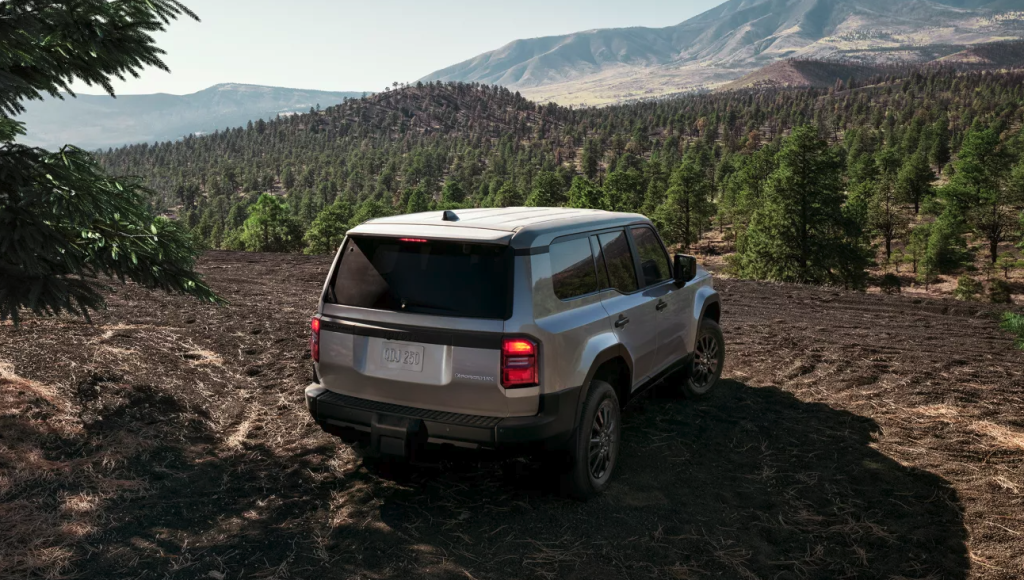
This is particularly beneficial for novice off-roaders or when navigating the dense, wooded trails of the Piedmont where visibility is often limited. Together, these systems act as a safety net, ensuring that the Land Cruiser maintains its forward progress regardless of the driver’s experience level or the trail’s difficulty.
Essential Gear and Cargo Management for North Carolina Trails
Equipping your Land Cruiser for a successful off-road excursion involves a strategic approach to both interior organization and exterior modifications. The vehicle’s iconic boxy silhouette is not just an aesthetic choice; it provides a highly functional canvas for carrying the heavy gear required for self-sustained travel. In the Triangle area, where weather can change rapidly, having a dedicated storage solution is paramount. We recommend utilizing the Land Cruiser’s interior tie-down points to secure heavy items such as portable refrigerators, toolkits, and recovery bags.
Unsecured gear can become a safety hazard during steep inclines or sudden drops, so investing in a modular cargo system or heavy-duty storage bins is a wise move for any serious adventurer. Beyond the cabin, the roof rack becomes the primary real estate for bulky equipment. Installing a platform-style rack allows you to carry recovery boards, fuel cans, and even a rooftop tent for those multi-day trips into the Appalachian foothills. The Land Cruiser’s roof load capacity is designed to handle these additions without compromising the vehicle’s center of gravity significantly.
Furthermore, the availability of Associated Accessory Products (AAP) at the dealership means you can source high-quality components from brands like ARB and Yakima that are specifically tested for fitment on your Toyota. This eliminates the guesswork and ensures that every bolt and bracket is engineered to withstand the vibrations and stresses of trail use. A well-prepared vehicle also includes a comprehensive recovery kit, featuring kinetic snatch ropes, soft shackles, and a high-lift jack. In the dense forests of North Carolina, you may also find that a portable air compressor is your most used tool.
Dropping your tire pressure at the trailhead increases the contact patch of your rubber, providing much better flotation over soft mud and a smoother ride over washboard gravel. Having a reliable way to “air up” before you drive back to Durham is essential for tire longevity and highway safety. By treating your Land Cruiser as a mobile basecamp rather than just a car, you unlock its full potential as an exploration tool.
Maximizing Roof and Interior Storage Capacity
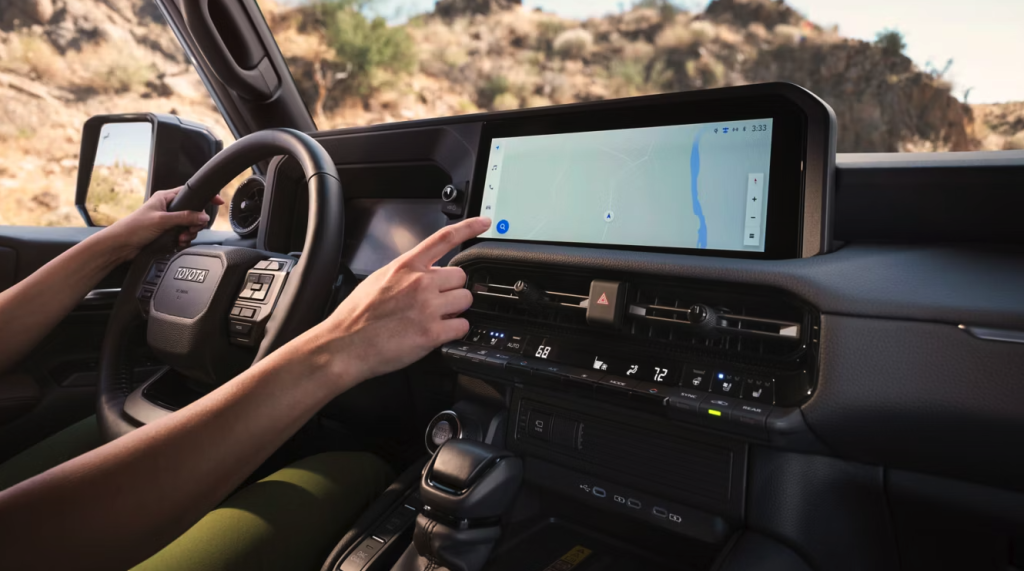
The Land Cruiser’s interior is designed with versatility in mind, offering folding rear seats and an expansive cargo area that can be customized to suit your specific mission. For Durham residents who enjoy “overlanding” a form of long-distance off-road travel maximizing every square inch of space is vital. Many owners choose to install Molle panels over the rear side windows, providing a mounting surface for smaller items like first aid kits, flashlights, and fire extinguishers, keeping the floor area clear for larger bags.
On the exterior, the roof rack serves as the foundation for a versatile gear suite. By utilizing crossbars or a full-length tray, you can easily transport kayaks for a day on Jordan Lake or a mountain bike for the trails at Brumley Forest. The key to successful packing is weight distribution; keeping heavier items like water containers and tools low in the vehicle helps maintain stability on side-slopes. When your interior is organized and your roof is properly loaded, the Land Cruiser becomes a cohesive unit capable of carrying everything you need for a weekend escape without feeling cluttered or overwhelmed.
Rigorous Preparation and Maintenance for Off-Road Longevity
Before setting out from Durham for a weekend of adventure, a disciplined pre-trail inspection is the best insurance policy against mechanical failure. Off-roading subjects a vehicle to forces and temperatures far beyond what is encountered on the commute to Research Triangle Park. You should begin by checking all fluid levels, with a specific focus on the engine oil and the cooling system. The Land Cruiser’s hybrid system generates significant power, and maintaining its thermal efficiency is key to its performance.
Additionally, you must inspect the air filter; North Carolina trails can be exceptionally dusty in the summer or clogged with organic debris in the fall. A clean filter ensures the engine breathes easily, maintaining fuel economy and power. The undercarriage also requires a visual sweep to ensure that skid plates are secure and that there are no signs of fluid leaks from the differentials or transmission. Tires are perhaps the most critical component to inspect; look for any cuts in the sidewalls or debris stuck in the bead of the tire that could cause a slow leak.
Ensuring your spare tire is inflated to the correct pressure is often overlooked but can be a lifesaver in the remote sections of Uwharrie where cell service is non-existent. Furthermore, checking the battery terminals for corrosion and ensuring that your recovery points are accessible and undamaged are small steps that pay huge dividends when you are deep in the woods. This proactive approach to maintenance not only keeps you safe but also preserves the resale value of your vehicle.
A Land Cruiser that has been meticulously cared for will provide decades of service, living up to its global reputation for being nearly indestructible. By spending thirty minutes in your driveway before you depart, you can identify minor issues before they become major trailside repairs, allowing you to focus on the scenery and the challenge of the drive rather than worrying about the integrity of your truck.
The Importance of Post-Trail Inspection and Aftercare
The responsibility of a Land Cruiser owner continues even after the trail ends and you return to the comfort of Durham. North Carolina’s famous red clay is notorious for its ability to trap moisture against the frame and suspension components, leading to premature rust if not addressed.
A thorough cleaning of the undercarriage is mandatory; using a high-pressure hose to clear mud from the brake calipers, suspension bushings, and the radiator is essential for long-term health. Once the vehicle is clean, perform a “post-flight” inspection by looking for any new scrapes on the skid plates or signs of torn CV boots.
If you have been through deep water crossings, it is also wise to check the differential breathers and oil for any signs of water contamination, which would appear milky. This aftercare routine ensures that your Land Cruiser is always in peak condition, ready for the next spontaneous detour or planned expedition, and prevents the “trail scars” from turning into permanent mechanical headaches.
Selecting the Right Vehicle and Power for the Triangle Landscape
Choosing between the Land Cruiser and the 4Runner often comes down to how you intend to use the vehicle in the specific context of the North Carolina landscape. While both are incredibly capable, the Land Cruiser offers a level of sophistication and power that sets it apart as a premium exploration tool. The heart of the current Land Cruiser is the i-FORCE MAX hybrid powertrain, which combines a turbocharged 2.4-liter engine with an integrated electric motor.
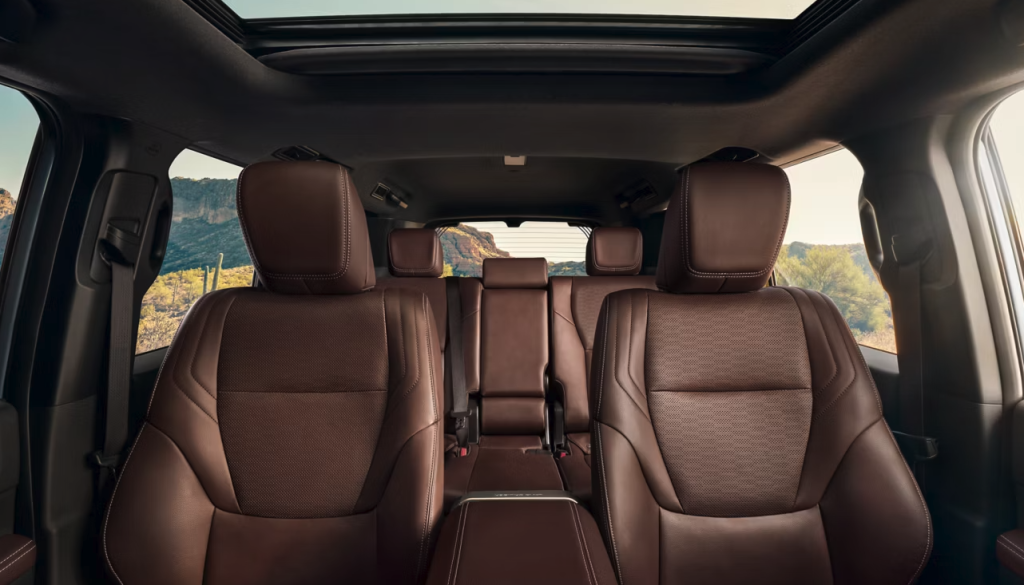
This setup is particularly effective for the types of trails found near Durham, where short, steep climbs and technical rock gardens require precise throttle control. The hybrid system delivers a staggering 465 lb.-ft. of torque, much of which is available almost instantly. In contrast, the 4Runner, while legendary for its reliability and vast aftermarket support, utilizes a more traditional naturally aspirated engine that requires higher RPMs to reach its peak power. For a driver who wants a vehicle that can tow a boat to the coast during the week and climb a mountain on the weekend without breaking a sweat, the Land Cruiser’s broader powerband and more luxurious interior make it the clear winner.
The Land Cruiser also benefits from the TNGA-F global truck platform, which provides a significantly stiffer chassis than previous generations, resulting in better handling on the paved roads of the Triangle and more durability on the trails. Inside, the Land Cruiser offers the latest Toyota Safety Sense suite and a high-resolution infotainment system, ensuring that the journey to the trailhead is just as enjoyable as the trail itself. Whether you are navigating the tight, wooded paths of the Piedmont or the open sandy stretches of the Outer Banks, having a vehicle that adapts to its environment is key. The Land Cruiser is designed to be a “do-it-all” SUV, bridging the gap between a rugged workhorse and a refined family hauler, making it the ideal companion for those who refuse to compromise on either capability or comfort.
Leveraging the i-FORCE MAX Hybrid for Technical Climbs
The i-FORCE MAX powertrain is a game-changer for off-road enthusiasts because it addresses one of the primary challenges of trail driving: low-speed torque delivery. In traditional combustion engines, you often have to “feather” the throttle or use high RPMs to get enough power to clear a ledge, which can lead to jerky movements and loss of traction. The Land Cruiser’s electric motor fills in the gaps, providing smooth, linear power from the moment you touch the pedal.
This allows for a much more controlled ascent, reducing the likelihood of spinning the tires and damaging the trail or the vehicle. On the long, winding drives back from the mountains to Durham, the hybrid system also provides enhanced fuel efficiency, making the Land Cruiser a more practical choice for a daily driver compared to older, thirstier SUVs. It is a modern solution to the age-old problem of balancing power with efficiency.
The local community of off-roaders in the Triangle is an invaluable resource for any new Land Cruiser owner. Joining a local club or attending “meet and greets” in the Durham area can provide you with firsthand knowledge of the best local trails, many of which are hidden gems on private land or lesser-known forest service roads. These groups often organize guided trail rides, which are perfect for learning the limits of your vehicle in a safe, supportive environment with experienced spotters.
One of the most popular destinations for Land Cruiser owners in North Carolina is the Uwharrie National Forest. Located just a short drive from Durham, Uwharrie offers a variety of trail difficulties ranging from easy gravel roads to “double diamond” rock crawls. The Land Cruiser’s Multi-Terrain Select and locking differentials are particularly useful here, as the terrain often transitions from loose soil to slick rock faces within a single mile. It is the ultimate testing ground for your vehicle’s systems and your own driving skills.
To truly optimize your Land Cruiser for the North Carolina elements, consider your tire choice carefully. While the factory tires are excellent for a mix of city and light trail use, those looking to tackle the deepest mud near the Haw River may want to upgrade to a dedicated All-Terrain or Mud-Terrain tire. These tires feature tougher sidewalls and more aggressive tread patterns that help eject mud and grip slippery roots. Adjusting your tire pressure based on the specific surface aiming for 15-20 PSI for soft sand or mud will significantly enhance your Land Cruiser’s performance and comfort.
Visit Mark Jacobson Toyota Today
We invite you to visit Mark Jacobson Toyota to see the new Land Cruiser in its element. Our knowledgeable team can walk you through the off-road features and demonstrate how the Multi-Terrain Select system works in real-world scenarios. Pictures don’t do justice to the commanding presence and robust build quality of this SUV. Come take a test drive at 14516 Durham-Chapel Hill Blvd in Durham, NC, and let us help you start your next adventure with the confidence that only a Land Cruiser can provide.
Connect with us


Recent Blog Entries
- 2026 Toyota Sienna AWD Guide for Durham Families
- Toyota Car Buying Checklist for Triangle College Graduates
- 2026 Toyota Camry Hybrid MPG and Commute Guide for RTP Drivers
- Toyota A/C Service & Repair Guide for Durham Summer Driving
- 2026 Toyota Prius vs Prius Plug-in Hybrid: Which Saves You More in Durham?