


Blog

All Durham New Toyota Cars Durham Toyota Dealer Models New Toyota Local Area Durham Toyota Service Mark Jacobson Toyota Service Durham Used Cars
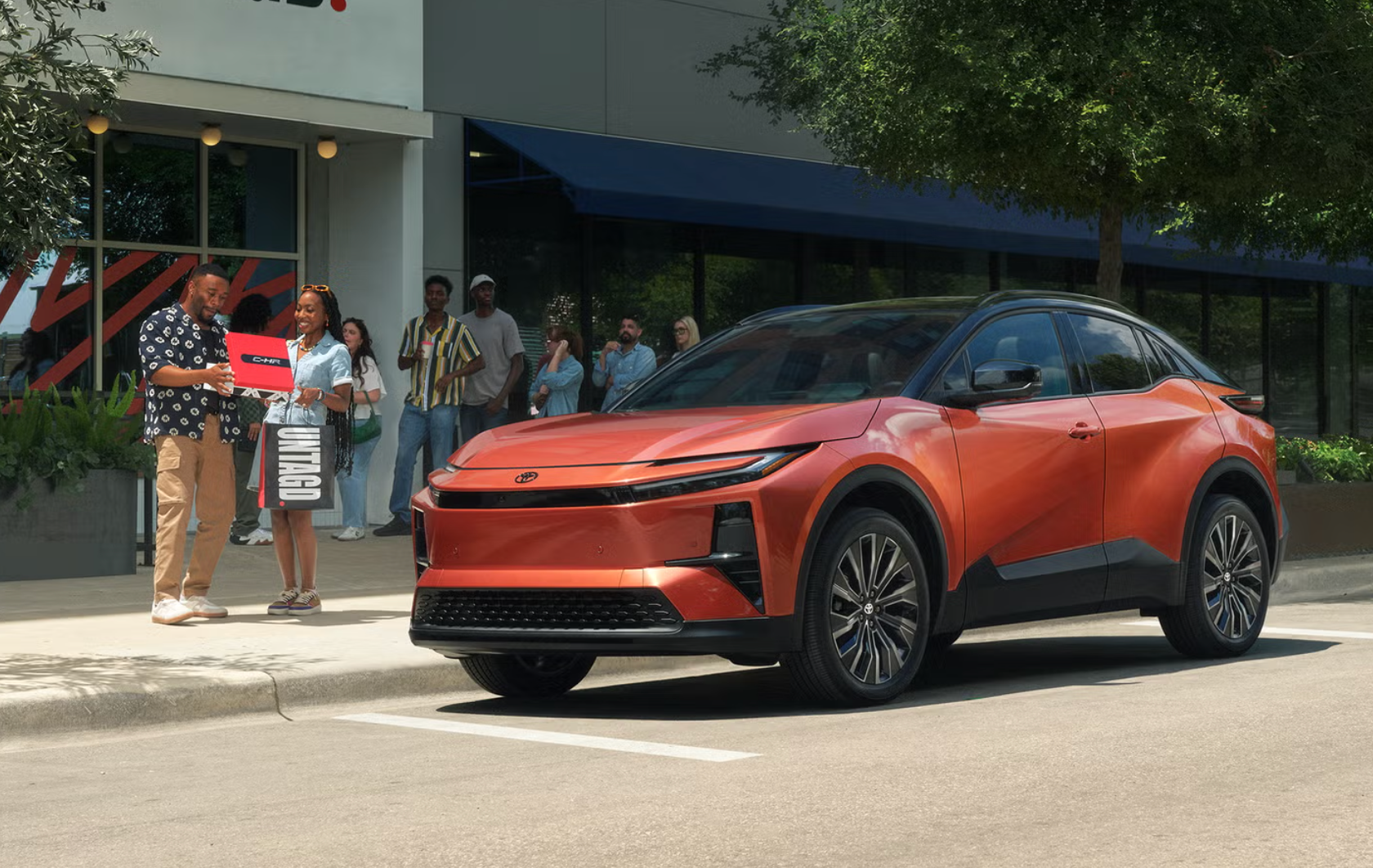
2027 Toyota C-HR
in Durham New Toyota Cars

2027 Toyota C-HR Electric SUV: A Practical Guide for Durham Drivers

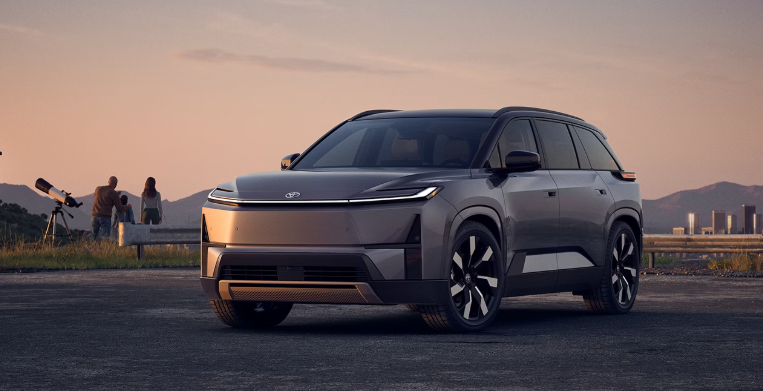
Toyota Ownership & Buying Guide • Durham, NC 2027 Toyota C-HR Electric SUV: A Practical Guide for Durham Drivers The 2027 Toyota C-HR is a compact electric SUV with standard all-wheel drive, 338 horsepower, and a Toyota-estimated driving range of up to 287 miles in SE form or 273 miles in XSE form. The numbers are useful, but they don't answer the question most Durham drivers really have: will an EV fit my home, commute, and weekend plans? This guide translates Toyota's official specifications into practical decisions about charging, daily range, rear-seat space, and what changes when you compare a 2026 C-HR with a 2027 model. Definition: A battery-electric vehicle (BEV) runs entirely on electricity stored in a rechargeable battery and has no gasoline engine, so it must be charged from an outlet, a Level 2 charger, or a DC fast charger. The 2027 Toyota C-HR is a five-passenger compact BEV with standard electric all-wheel drive. For drivers in Durham, Chapel Hill, Raleigh, and Research Triangle Park, it suits households that can charge at home or work. C-HR Electric SUV Research Guide 2027 Toyota C-HR Electric SUV: Explore the Guide Battery, Range, and Charging Speed Realistic Range for Durham and RTP Trim Differences and Technology Cargo Space and Practicality 2026 vs 2027 C-HR ToyotaCare and EV Ownership Support Key Takeaways C-HR Electric SUV FAQ Battery, Range, and Charging Speed Every 2027 C-HR uses the same 74.7-kWh lithium-ion battery and a dual-motor setup, with electric motors on front and rear eAxles. Toyota rates total system output at 338 horsepower and estimates 0-60 mph in 4.9 seconds. The wheel size is the main reason the two grades differ on range: the SE's 18-inch wheels help it reach Toyota's 287-mile estimate, while the XSE's 20-inch wheels bring it to 273 miles. Toyota.com also lists estimated efficiency of 117 MPGe for the SE and 112 MPGe for the XSE. The 2027 C-HR has a North American Charging Standard (NACS) port built in, along with an 11-kW onboard AC charger. Toyota estimates a Level 2 charge from 10% to 100% takes about 7 hours on a 240V, 48-amp circuit, and a DC fast charge from 10% to 80% takes around 30 minutes on a station delivering 150 kW or more, under ideal conditions. The C-HR also includes battery preconditioning, which warms or cools the pack before fast charging and can activate automatically when a fast charger is set as the navigation destination with an active Drive Connect trial or subscription. 2027 Toyota C-HR SE vs XSE: Key Specifications Specification C-HR SE C-HR XSE Base MSRP* $37,080 $39,080 Estimated range Up to 287 miles Up to 273 miles Estimated MPGe (combined) 117 112 Battery / drivetrain 74.7 kWh, standard AWD 74.7 kWh, standard AWD Horsepower / 0-60 mph (est.) 338 hp / 4.9 sec. 338 hp / 4.9 sec. Wheels 18-in. black alloy with covers 20-in. gunmetal-finished multi-spoke Curb weight 4,322 lb 4,366 lb Cargo behind rear seat / behind front seats 25.3 / 59.5 cu. ft. 25.3 / 59.5 cu. ft. *Base MSRP excludes delivery, processing, and handling fee, taxes, title, registration, and options. Range and efficiency are Toyota estimates; actual results vary with temperature, speed, terrain, climate control use, and battery age. Realistic Range for Durham and RTP Commuting The easiest way to evaluate an EV is to calculate your real weekly mileage. For example, a hypothetical 24-mile round-trip commute between Durham and Research Triangle Park, five days a week, adds up to 120 miles before errands or weekend outings. That's well within either C-HR grade's published full-charge range in favorable conditions. But don't build your plan around using every last mile: leave a buffer for unexpected trips, adverse weather, detours and battery conditioning. Real-world range will run below the estimate at times. Sustained highway speeds on I-40 or I-85 use more energy than city driving, and cold weather reduces how much usable energy the battery delivers while also adding cabin heating load. Hot, humid summer days add air conditioning demand. Toyota gives the C-HR Eco, Normal, and Snow drive modes and four selectable regenerative braking levels, adjustable with paddle switches on the steering wheel, which can help recover energy in stop-and-go traffic on NC-147 or US-15-501. Longer trips call for a little planning. A drive to the North Carolina coast or the mountains will likely include a fast-charging stop, and that is where preconditioning and a 30-minute 10-to-80% session estimate make a practical difference. Plan stops with a live charging map, since station availability and pricing change often. Home Charging and Public Fast Charging Before picking an EV, figure out where you will charge it most weeks. Toyota includes a dual-voltage charging cable with the C-HR, and a regular 120-volt outlet is an option for limited daily driving. A compatible 240-volt Level 2 setup is much more practical for routine replenishment of a 74.7-kWh battery. If you rent, live in a condo, or park on the street, investigate access and pricing before ordering the vehicle rather than assuming you'll find a public plug every night. 2027 C-HR Charging Options Charging Method Toyota Estimate Where It Fits Level 1 (120V) Toyota does not publish a full-charge time; adds limited miles overnight Backup charging or very short daily driving Level 2 (240V, 48A) About 7 hours from 10% to 100% Home garage, workplace, and destination charging DC fast charging (150 kW or above) About 30 minutes from 10% to 80% Road trips and occasional quick top-ups Estimates under ideal conditions. Charging speed varies with battery temperature, state of charge, station output, and other factors. A 48-amp charger requires an appropriately rated circuit installed by a licensed electrician. Running a 48-amp charger requires a properly rated 240V circuit, so have a licensed electrician assess your panel before you buy equipment. Durham, Wake, and Orange County jurisdictions may require permits. It is also worth asking your utility, such as Duke Energy, about any current EV programs or time-of-use rates, because program terms change. The C-HR has a native NACS charge port. To use a particular public DC fast charger, confirm connector compatibility, billing requirements and current operating status in the charging network or Toyota app. Plug & Charge enrollment and connected-service availability can vary, so ask for a live setup demonstration before relying on automatic billing. Energy costs are easy to estimate. The U.S. Energy Information Administration reported an average North Carolina residential electricity price of 14.95 cents per kWh for August 2026. At Toyota's estimated 117 MPGe, the SE uses roughly 28.8 kWh per 100 miles, or about 4.3 cents per mile at that average rate; the XSE comes in around 4.5 cents. Over 12,000 miles of home charging, that works out to roughly $520 to $540 a year before charging losses. Public fast charging usually costs more per kilowatt-hour than home electricity. North Carolina also charges an additional annual registration fee for battery-electric vehicles, listed by the U.S. Department of Energy at $214.50, and the IRS states that the federal new clean vehicle credit is not available for vehicles acquired after September 30, 2025. Trim Differences and Standard Technology The SE and XSE share the same battery, motors, all-wheel drive system, and safety suite. The XSE adds equipment and styling, while the SE gives you a little more estimated range for $2,000 less in base MSRP. Toyota lists this technology for the 2027 C-HR: A 14-inch Toyota Audio Multimedia touchscreen with wireless Apple CarPlay and Android Auto compatibility An available 9-speaker JBL Premium Audio system with subwoofer Heated front seats and available heated rear seats Dual front Qi wireless chargers and USB-C ports front and rear Available panoramic fixed glass roof with a power sunshade Digital Key capability, which requires a Remote Connect trial or subscription Front and rear ambient lighting with 64 available colors Both 2027 C-HR trims offer Toyota Safety Sense 3.0, with systems designed to support attentive driving. They do not replace a driver, and individual driver-assistance features have operating limits. If a specific feature matters to you such as a surround-view camera, lane-change support or parking assistance check its availability on the exact grade and package rather than assuming every item in the broader equipment list is standard on every C-HR. Cargo Space and Everyday Practicality for a Compact EV The C-HR's compact footprint is part of its appeal in the Triangle. At 177.9 inches long and 73.6 inches wide, it fits easily into downtown Durham parking decks and tight spaces near Duke or UNC. Toyota lists 25.3 cubic feet of cargo space behind the rear seat and 59.5 cubic feet with the 60/40 split rear seats folded, plus a height-adjustable power liftgate. The tradeoff is rear-seat room. Toyota lists 42.1 inches of front legroom and 32.2 inches of rear legroom, so tall adults may find the back seat snug on a long trip. For a single commuter, a couple, or a small family with young children, that is often a fair trade for the easy-parking size. Families who regularly carry adults in back may want to compare it with the larger Toyota bZ. Toyota also lists 8 inches of ground clearance and a Snow drive mode, which can help on the occasional icy Triangle morning, though tires and careful driving matter more than drivetrain alone in winter conditions. 2026 vs 2027 C-HR: Which Should You Buy? Toyota describes the 2027 C-HR as unchanged from the previous model year. So, when comparing a remaining 2026 vehicle with a 2027, check the same trim and equipment first. Next, look at the actual selling price, incentives, build date, warranty start date and ToyotaCare coverage not simply which model year is printed on the window sticker. Toyota lists a shorter complimentary maintenance term for 2027, while the roadside assistance term remains three years for both years. 2026 vs 2027 Toyota C-HR at a Glance Factor 2026 C-HR 2027 C-HR Hardware and range Same battery, motors, AWD, and estimated range Toyota states unchanged from previous model year ToyotaCare scheduled maintenance 2 years or 25,000 miles 1 year or 10,000 miles Roadside Assistance 3 years, unlimited mileage per Toyota's BEV program document 3 years, unlimited mileage per Toyota USA EV component warranty 8 years or 100,000 miles 8 years or 100,000 miles Pricing Varies by remaining unit; contact us SE $37,080; XSE $39,080 base MSRP Model year for resale Older model year Newer model year Sources: Toyota ToyotaCare BEV program document and Toyota USA Newsroom. Program terms can change and may have exclusions. Verify coverage for a specific vehicle before purchase. ToyotaCare and EV-Specific Ownership Support Electric vehicles skip oil changes, but they still need scheduled care such as tire rotations and inspections. Your Toyota Warranty & Maintenance Guide lists the exact items and intervals for the C-HR. Regenerative braking handles much of the everyday slowing, but the friction brakes still need regular inspection. Toyota's 2027 C-HR materials specify ToyotaCare normal factory-scheduled maintenance for one year or 10,000 miles, whichever comes first, and three years of roadside assistance with unlimited mileage. Toyota lists two years or 25,000 miles of scheduled maintenance for the 2026 C-HR, while both model years have three years of roadside assistance. Always review the applicable Warranty & Maintenance Guide for eligibility and exclusions, but there is no reason to frame the 2027 roadside term as unresolved: Toyota's C-HR press release and model FAQ agree on three years. Toyota covers EV drive components, including the traction battery, transaxle, and inverter with converter, for 8 years or 100,000 miles, alongside a 3-year or 36,000-mile basic warranty and 5-year or 60,000-mile powertrain coverage. After ToyotaCare ends, our Toyota service center in Durham can continue the factory maintenance schedule with Genuine Toyota parts. How much charging infrastructure do you actually need? Someone driving 15 to 25 miles most days may find occasional top-ups manageable. Someone commuting 70 or 80 miles daily, driving for work, or frequently taking unplanned interstate trips needs a much more reliable charging routine. Ask an electrician about your electrical panel, parking location and charging circuit before buying hardware. The highest-power charging station isn't necessarily the most useful one; dependable overnight access often matters more than peak speed. What to check before your first DC fast-charge stop Find a station that supports the C-HR's NACS connector, confirm access and payment methods in the charging provider's live app, and build in a second option in case equipment is occupied or offline. Toyota's roughly 30-minute 10%-to-80% charging estimate assumes favorable conditions and sufficient station output. Charging may taper at high battery states of charge, so a stop designed around 80% is often more efficient than waiting for 100%. The SE-versus-XSE choice for real households The $2,000 base-MSRP gap isn't just a styling question. The SE has the longer published range rating and smaller wheels, while the XSE adds appearance and comfort features. Sit in both, check rear visibility, bring the car seat or stroller you'll actually use, and consider replacement tire costs. If you value extra range and a lower starting price, the SE has a straightforward case. If you value the XSE's equipment more, the range difference may be an acceptable tradeoff. Renting, apartments and workplace charging Not every buyer has a dedicated garage. If you depend on a shared apartment charger or workplace equipment, ask who controls access, what fees apply, whether the unit works after hours and what happens when all spaces are occupied. A battery-electric SUV can still suit apartment living, but the inconvenience and cost of public charging should be part of the ownership comparison not an afterthought after delivery. Is the 2027 Toyota C-HR Right for Your Routine? The 2027 Toyota C-HR is a compact BEV with standard AWD, 338 horsepower, and a 74.7-kWh battery, starting at $37,080 (SE) and $39,080 (XSE) before fees. Toyota estimates up to 287 miles of range for the SE and 273 miles for the XSE. The built-in NACS port, 11-kW onboard charger, and roughly 30-minute 10-to-80% DC fast charge estimate support both home and road-trip charging. Toyota says the 2027 is unchanged from the 2026 model, but 2026 models carry 2 years or 25,000 miles of ToyotaCare maintenance versus 1 year or 10,000 miles for 2027. At August 2026 North Carolina electricity prices, home charging costs about 4.3 to 4.5 cents per mile. Cargo space is 25.3 cubic feet behind the rear seat and 59.5 cubic feet with the seats folded. 2027 Toyota C-HR Questions, Answered What is the range of the 2027 Toyota C-HR? Toyota estimates up to 287 miles for the C-HR SE with 18-inch wheels and up to 273 miles for the XSE with 20-inch wheels. Real-world range varies with temperature, highway speed, terrain, climate control use, and battery age. For a typical Durham-to-RTP commute of around 24 miles round trip, either grade leaves a large buffer between charges. Can the 2027 C-HR use Tesla Superchargers? The C-HR has a native NACS charge port. To use a particular public DC fast charger, confirm connector compatibility, billing requirements and current operating status in the charging network or Toyota app. Plug & Charge enrollment and connected-service availability can vary, so ask for a live setup demonstration before relying on automatic billing. What is the difference between the 2026 and 2027 Toyota C-HR? Toyota says the 2027 C-HR is unchanged from the previous model year in hardware and range. The main documented difference is ToyotaCare: 2026 models include scheduled maintenance for 2 years or 25,000 miles, while 2027 models include 1 year or 10,000 miles. Pricing on remaining 2026 units varies, so compare both with our team. How long does it take to charge a Toyota C-HR at home? Toyota estimates about 7 hours to charge from 10% to 100% on a 240V Level 2 charger at 48 amps, using the C-HR's 11-kW onboard charger. A standard 120V outlet works for backup charging but adds limited range overnight. A licensed electrician can tell you whether your home panel supports a 48-amp circuit and whether a permit is required. Specifications and program details are supported by Toyota USA’s 2027 C-HR announcement and Toyota’s official C-HR FAQ. If the C-HR fits your commute, the best next step is to drive one and talk through charging at your home. Visit us at 4516 Durham-Chapel Hill Blvd, Durham, NC 27707, or call our sales team at 919-493-5599. Our sales hours are Monday through Friday from 9:00 AM to 8:00 PM and Saturday from 9:00 AM to 7:00 PM. You can compare our current C-HR inventory, see our Toyota EV SUV overview, and ask our finance team about current Toyota Financial Services offers, subject to credit approval. Schedule a Test Drive Call Our Durham Team Related Toyota Insights & Ownership Guides TOYOTA EV LINEUP 2026 Toyota EV Lineup: bZ vs bZ Woodland vs C-HR Compare Toyota’s electric SUVs if you need more rear-seat room, cargo capacity, or a different approach to daily driving. Read article → ELECTRIFIED OWNERSHIP Toyota Hybrids vs. Toyota EVs: Which Fits Your Drive? Understand the differences among hybrids, plug-in hybrids, and fully electric Toyotas before choosing your next vehicle. Read article → CONNECTED SERVICES Toyota Remote Connect and Digital Key Setup in Durham Learn how to get started with compatible Toyota app features, remote functions, and Digital Key. Read article → THREE-ROW ELECTRIC SUV Toyota Highlander BEV: A Guide for Durham Families Considering a larger electric SUV? Explore Toyota’s three-row Highlander and what it could mean for families in the Triangle. Read article →

Read More
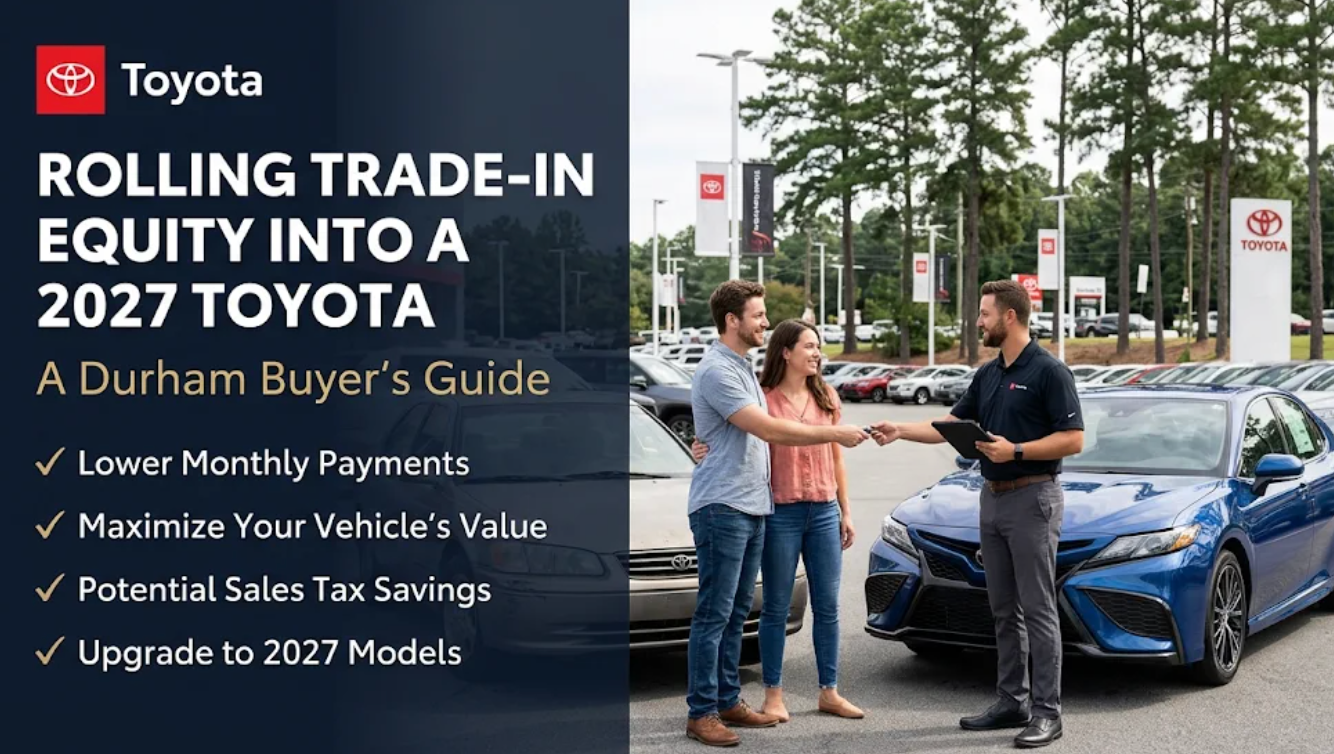
Rolling Trade-In Equity Into a 2027 Toyota

Rolling Your Trade-In Equity Into a 2027 Toyota

Toyota Ownership & Buying Guide • Durham, NC Rolling Trade-In Equity Into a 2027 Toyota: A Durham Buyer’s Guide Thinking about trading your current vehicle for a 2027 Toyota? Before you compare monthly payments, find out what your vehicle is worth and how much you still owe. The difference is your trade-in equity. It can give you a useful down payment—or create an extra balance that makes the next loan more expensive. For Durham buyers, there's another detail worth understanding: North Carolina's highway use tax generally uses the full trade-in allowance, not your equity after the old loan is paid. Here's how to put all those numbers together before making a decision. Definition: Trade-in equity is the difference between a vehicle's appraised trade-in value and the remaining balance on its loan. Positive equity becomes a credit toward the next vehicle, while negative equity is an amount still owed that must be paid or, if approved, added to a new loan. For drivers in Durham, Chapel Hill, Raleigh, Cary, and the Triangle, knowing this number is the first step in budgeting for a new Toyota. Trade-In Equity Buying Guide Trade-In Equity and 2027 Toyota Shopping: Find Your Answer How Equity Applies to a New Purchase Positive Equity vs Being Underwater Which 2027 Models This Fits Best Model-by-Model Equity Planning Getting a Current Appraisal Financing the Difference Key Takeaways Trade-In Equity FAQ How Trade-In Equity Applies to a New Purchase Start with an appraisal and a payoff quote, not a payment advertisement. If the vehicle is appraised at $20,000 and your lender needs $12,000 to close the loan, you have $8,000 in positive equity. The dealer can settle the old loan and apply the remaining $8,000 to the new purchase. If the loan payoff is $23,000 instead, you have $3,000 in negative equity. You would need to pay that shortfall yourself or find a lender willing to finance it as part of the next transaction. Positive equity generally lowers the cash you need to bring to the deal or the principal on your new loan. It does not make a higher-priced model free: you still pay for every dollar above the allowance and any remaining payoff. Look at the vehicle's out-the-door price, payoff, financing charges, and the amount being borrowed as separate lines. That way you can compare a lower-price vehicle and a more expensive trim without being distracted by one monthly payment. North Carolina's 3% highway use tax is a separate calculation from equity. Under state law, for a qualifying dealer retail transaction, the taxable vehicle value generally equals the new vehicle's sales price minus the trade-in allowance, with applicable taxable fees and accessories included. If you trade a vehicle appraised at $15,000 toward a $30,000 vehicle, the trade allowance may reduce that portion of the tax base to $15,000—even when you still owe $15,000 on the old vehicle and have no equity. The actual transaction documents control; request a line-item breakdown before signing. This is general information, not personalized tax advice. Positive Equity vs Being Underwater on a Loan National data shows both sides of the market at once. Edmunds' second-quarter 2026 report, published July 30, found that positive equity reached a record average of $13,330, with 68.8% of trade-ins toward new-vehicle purchases carrying positive equity. Several Toyota models appeared near the top of Edmunds' list of average positive equity, including the Tacoma at $16,755, the Highlander at $14,415, and the RAV4 at $11,194. Edmunds' third-quarter 2026 negative equity report, published in late October, tells the other half of the story. It found that 29.1% of new-vehicle trade-ins were underwater, with an average shortfall of $7,107. Buyers rolling negative equity into a new loan financed an average of $57,235, paid an average of $952 per month at an average 8.1% APR, and 91.2% of them took loans of 72 months or longer. National Trade-In Equity Snapshot, 2026 Metric Figure Period and Source Average positive equity on trade-ins toward new vehicles $13,330 (record) Q2 2026, Edmunds Share of trade-ins with positive equity 68.8% Q2 2026, Edmunds Average new-vehicle APR, positive-equity trade buyers 5.9% Q2 2026, Edmunds Share of trade-ins with negative equity 29.1% Q3 2026, Edmunds Average negative equity $7,107 Q3 2026, Edmunds Average amount financed with rolled-over negative equity $57,235 at an average 8.1% APR Q3 2026, Edmunds National averages only. Your vehicle's value, payoff, and financing terms will differ. Edmunds data reflects trade-ins toward new-vehicle purchases nationwide. Being underwater does not automatically rule out a trade. It does mean the negative balance has to go somewhere. You can pay it down before trading, keep your current vehicle longer while the loan catches up to its value, or, with lender approval, roll it into the new loan. That last option raises the amount financed and the total interest you pay, so it deserves a careful look at the full loan, not only the monthly payment. How Equity Changes the Numbers: A Simplified North Carolina Example Consider a hypothetical $30,000 vehicle with no additional fees, options, or cash down. A $20,000 trade allowance and $12,000 payoff create $8,000 equity, leaving a $22,000 vehicle balance before tax; the simplified 3% highway use tax is $300, for $22,300 before other charges. A $15,000 trade allowance with a $15,000 payoff creates no equity, but the simplified tax is still only $450. This illustrates why the amount credited for the vehicle, the amount needed to retire its loan, and the taxable trade-in allowance should never be treated as the same number. Scenario Trade Value / Payoff Equity 3% Highway Use Tax Amount Before Fees and Down Payment No trade-in None $0 $900 $30,900 Positive equity $20,000 / $12,000 +$8,000 $300 $22,300 Break-even $15,000 / $15,000 $0 $450 $30,450 Negative equity rolled in $15,000 / $20,000 -$5,000 $450 $35,450 Hypothetical illustration. Highway use tax shown as 3% of the $30,000 price less the trade-in allowance, per North Carolina's highway use tax statute; confirm current rules with NCDMV. Excludes processing fees, title, registration, and incentives. Rolling negative equity into a loan is subject to lender approval. Notice that even the break-even trade saves $450 in highway use tax compared with selling the vehicle privately and buying without a trade, because the tax is calculated on the price after the trade allowance. That does not mean a trade-in always beats a private sale, since a private buyer may pay more, but it is a real number to include in the comparison. Which 2027 Models This Makes the Most Sense For Equity goes furthest when it is paired with a vehicle that fits your budget and your driving, so it helps to know where Toyota's 2027 lineup actually stands this fall. Toyota has published 2027 information for several models, but not every model has full pricing, and one model in our earlier planning has a new model-year designation. Highlander, Corolla Hatchback, Tundra, Prius Plug-in Hybrid, and C-HR Model Powertrain Toyota Starting MSRP* Equity Planning Notes 2027 Corolla Hatchback Gas SE $24,780; XSE $27,875 Strong equity can cover a large share of the price, keeping the amount financed low 2027 Prius Plug-in Hybrid Plug-in hybrid SE $33,980 Equity can offset the higher price versus the standard Prius for drivers with home charging 2027 C-HR Battery-electric, standard AWD SE $37,080; XSE $39,080 Factor in home charging installation and North Carolina's annual EV registration fee 2027 Tundra Gas and i-FORCE MAX hybrid Not yet shown on Toyota.com; contact us for current pricing Truck owners with high equity may reduce the amount financed on a full-size purchase Highlander battery-electric (now designated 2028 by Toyota) Battery-electric, FWD or AWD Toyota USA has not announced pricing Toyota expects sales to begin in early 2027; your appraisal value may change before then *Base MSRP excludes Toyota's delivery, processing, and handling fee, taxes, title, registration, and options. Corolla Hatchback, Prius Plug-in Hybrid, and C-HR prices from Toyota.com and the Toyota USA Newsroom as of October 30, 2026. Contact Mark Jacobson Toyota for current pricing and availability. Toyota's electric Highlander announcement has undergone model-year updates, and timing is subject to change. For a vehicle that is not yet priced or available for the exact model year you intend to buy, do not use projected pricing as a firm financing assumption. Ask for the current Toyota USA announcement, official model year, and actual purchase terms. Your current trade allowance and payoff can change while you wait. If you have positive equity and want it to do the most work, the strongest match is usually a model whose price keeps the new loan short and the payment comfortable, such as the 2027 Corolla Hatchback or Prius Plug-in Hybrid, rather than the most expensive vehicle the equity can reach. If your current truck or SUV carries high equity and you need similar capability, applying it to a Tundra can keep the amount financed on a full-size truck closer to what a smaller vehicle would require. If you are underwater, a lower-priced model or a Toyota Certified Used Vehicle can keep the rolled-over balance from stretching the new loan, though both options remain subject to lender approval. Our earlier model guides go deeper on each vehicle, including the 2027 Corolla Hatchback trim guide and the 2027 Tundra i-FORCE MAX trim guide. Getting a Current Appraisal Before You Decide National trade-in figures can be interesting, but they won't tell you what a dealer will offer for your car this week. A current appraisal looks at its age, mileage, accident history, service records, condition, trim, equipment, and local demand. Then compare that appraisal with the lender's payoff quote, which may differ from your statement balance because interest keeps accruing. Mileage, condition, and any mechanical or cosmetic issues Vehicle history, including accidents and the number of owners Service records, especially documented scheduled maintenance Trim, options, and color, along with current demand for that model in our market Open recalls, which are worth checking and addressing before a trade You can start online with our online trade appraisal tool, then bring the vehicle in for a firm number. Bring your loan account information, the title or lien holder details, all keys, and any maintenance receipts. Also request a 10-day payoff from your lender so the equity calculation uses an accurate figure. Timing matters too. Used-vehicle values move with supply and demand, and your loan balance falls a little each month. If you are close to break-even, a few more payments can shift you into positive equity. If your vehicle has high mileage or is approaching a major scheduled service, its value may soften. Neither situation calls for rushing; both call for current numbers. Talking to Our Finance Team About Financing the Difference Once you know your equity, the remaining question is how to finance the difference. Rates have climbed over the past decade. Edmunds reported a 5.9% average APR in Q2 2026 for new-vehicle buyers trading in with positive equity, compared with 3.8% in Q2 2016, and the average APR for buyers rolling negative equity forward was 8.1% in Q3 2026. Your rate will depend on your credit, the vehicle, the term, and current lender programs. A few habits help keep the deal healthy: Compare the total amount financed and total interest, not only the monthly payment. Be cautious about stretching the term to make a payment fit, especially when rolling over negative equity, because longer terms can leave you underwater again. Ask about current Toyota Financial Services and Southeast Toyota Finance programs, which can vary by model, month, and credit tier. Consider getting pre-approved online so you know your options before you visit. Our finance team can lay out side-by-side options using your actual appraisal and payoff, such as a new 2027 model versus a Toyota Certified Used Vehicle, or a shorter versus a longer term. All financing is subject to credit approval, and we cannot guarantee a specific rate, payment, or trade-in value before an appraisal and application. Ask for four numbers before discussing the monthly payment Request the selling price of the new Toyota, the allowance for your trade, the exact payoff on your existing loan, and the amount financed after taxes and fees. Those four figures expose whether a quote includes positive equity, negative equity, dealer-added products, or a larger down payment than you intended. If you're comparing offers from more than one dealership, make sure each quote uses the same vehicle, term, cash down, and estimated taxes. When keeping your current car may be the better move Replacing a vehicle isn't automatically a good deal because it has positive equity. A car with a manageable payment, suitable safety equipment, and no immediate expensive repair may still be cheaper to keep. Conversely, a larger down payment from a trade can be worthwhile if your household needs change or your vehicle is becoming expensive to maintain. Estimate the next 12 months of maintenance and insurance, not just the next installment. Understand how negative equity affects the next loan Imagine your current vehicle is worth $18,000 but has a $23,000 payoff. That's a $5,000 gap. If a lender allows you to carry the full amount into a new loan, you'll be paying interest on that old debt while the replacement vehicle starts depreciating. A longer term can lower the installment while increasing the total amount paid, so compare total interest and the final payoff date as carefully as the payment. Compare selling privately against a dealer trade A private buyer might pay more for your vehicle, but you may forfeit the trade-in allowance used for the dealer transaction's highway use tax calculation. Compare the actual private-sale proceeds, the loan payoff, the paperwork and timing, and the potential tax difference. There isn't a universal winner. The better choice is the one that leaves you with the lowest realistic out-of-pocket cost and a transaction you understand. What the Numbers Mean for Your Next Toyota Positive equity, appraised value minus loan payoff, can be applied like a down payment toward a 2027 Toyota. Edmunds reported a record $13,330 average positive equity in Q2 2026, while 29.1% of trade-ins were underwater in Q3 2026 with an average shortfall of $7,107. In North Carolina, the 3% highway use tax on a dealer sale is generally calculated after the trade-in allowance, which can lower your tax bill. Toyota now designates its all-electric three-row Highlander as a 2028 model, with sales expected in early 2027 and pricing not yet announced. The best use of equity is often a vehicle that keeps the new loan short and the payment comfortable, not the most expensive vehicle it can reach. Get a current appraisal and an official payoff quote before deciding, because both numbers change month to month. Trade-In Equity Questions Durham Buyers Ask How do I know if I have positive equity in my car? Subtract your lender's payoff amount from your vehicle's appraised trade-in value. If the result is positive, you have equity you can apply to your next vehicle; if it is negative, you are underwater. Online estimates are a starting point, but an in-person appraisal and an official payoff quote from your lender give you the accurate number. We can provide a current appraisal at our Durham dealership. Can I roll negative equity into a 2027 Toyota? In many cases a lender can approve adding negative equity to a new loan, but it raises the amount financed and the total interest you pay. Edmunds found that buyers rolling over negative equity in Q3 2026 financed an average of $57,235 at an average 8.1% APR. Approval depends on your credit, the vehicle, and lender guidelines, so we recommend reviewing alternatives such as a lower-priced model before deciding. Does a trade-in lower my North Carolina vehicle tax? Generally, yes. North Carolina's 3% highway use tax on a dealer retail sale is calculated on the sales price less the trade-in allowance, according to the state's highway use tax statute. For example, a $10,000 trade allowance on a $30,000 vehicle reduces the taxable amount to $20,000. Confirm current rules with NCDMV or our finance team, and consult a tax professional for advice on your situation. Should I wait for the new Highlander before trading in? That depends on how long you can wait and how your vehicle's value is trending. Toyota now calls the all-electric three-row Highlander a 2028 model and expects sales to begin in early 2027, with pricing not yet announced. Your current vehicle's value and loan balance will change in the meantime, so a current appraisal helps you decide whether to trade now or wait. If you want to know what your current vehicle could put toward a new Toyota, we can give you real numbers instead of national averages. Visit us at 4516 Durham-Chapel Hill Blvd, Durham, NC 27707, or call our sales team at 919-493-5599. Our sales hours are Monday through Friday from 9:00 AM to 8:00 PM and Saturday from 9:00 AM to 7:00 PM. As an authorized Toyota dealer serving Durham, Chapel Hill, Raleigh, Cary, and Apex, we can appraise your trade, review your payoff, and show how your equity fits a 2027 model or a Toyota Certified Used Vehicle, with all financing subject to credit approval. Get Your Trade-In Estimate Review Financing Options Related Toyota Insights & Ownership Guides Trade-In Timing When Is the Right Time to Trade In Your Vehicle? Learn how mileage, vehicle condition and market demand can influence the best time to trade in your car. Read Article → Vehicle Appraisals How a Vehicle Appraisal Works Understand what dealerships consider when determining your vehicle's trade-in value, from mileage to condition. Read Article → Trade-In Preparation How to Prepare Your Vehicle for a Trade-In Discover practical ways to prepare your vehicle, organize paperwork and get ready for an appraisal. Read Article → Equity & Financing What Record Trade-In Equity Means for Toyota Owners Explore how positive trade-in equity could affect your down payment and next Toyota purchase. Read Article →
tacoma 2027

Toyota Tacoma TRD Off-Road vs. TRD Pro: Durham Buyer's Guide

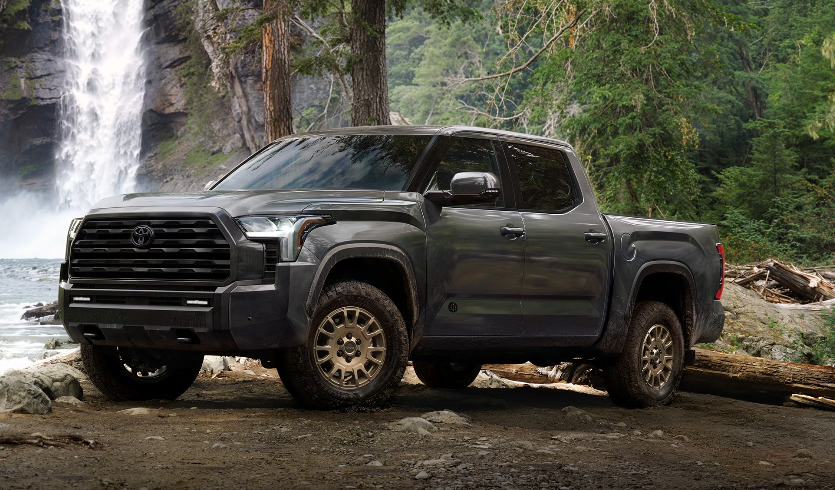
Toyota Ownership & Buying Guide • Durham, NC i-FORCE vs. i-FORCE MAX Hybrid: What Powers These Off-Road Beasts? Choosing between the 2026 Toyota Tacoma TRD Off-Road and TRD Pro comes down to what you actually do with your truck. Both have serious trail equipment, but the Off-Road starts at $43,915 in the 4WD automatic Double Cab configuration, while the TRD Pro starts at $64,750. The Pro adds standard hybrid power, specialized FOX suspension, and extra hardware for demanding terrain. For many Durham drivers, the less expensive Off-Road already does what they need. Here is how to decide without paying for capability you may rarely use. This guide compares Toyota’s published 2026 Tacoma specifications. Do not assume the same equipment, pricing, or availability for a future model year. Check Toyota USA announcements or ask Mark Jacobson Toyota about the latest officially released Tacoma model-year information. Definition: The Toyota Tacoma TRD Off-Road and TRD Pro are off-road-focused grades of Toyota's midsize pickup. The TRD Off-Road adds a locking rear differential, Multi-Terrain Select, and Crawl Control to the Tacoma, while the TRD Pro adds specialized FOX suspension, a hybrid i-FORCE MAX powertrain, and additional underbody protection. For drivers in Durham, Chapel Hill, Raleigh, and the Triangle, both trims support trail and mountain trips beyond what street-focused grades provide. Toyota Research Guide 2026 Tacoma Trim Comparison: Jump to Key Questions Suspension and Off-Road Hardware Multi-Terrain Select and Crawl Control Powertrain and Towing Differences Interior Technology and Comfort Blue Ridge Trips vs Daily Durham Driving ToyotaCare and Warranty Coverage Key Takeaways Tacoma TRD Off-Road vs TRD Pro FAQ Suspension, Ground Clearance, and Off-Road Hardware Both trucks use an independent double-wishbone front suspension and a coil-spring multi-link rear suspension. But they do not share the same shock absorbers. The TRD Off-Road has Bilstein monotube shocks with piggyback reservoirs, while the TRD Pro steps up to adjustable FOX QS3 internal bypass shocks. That difference matters more than appearance packages if you repeatedly drive rough terrain. The TRD Off-Road is not a basic street truck dressed up with all-terrain tires. Toyota equips it with Bilstein monotube shocks with piggyback reservoirs, an electronically controlled locking rear differential, part-time 4WDemand four-wheel drive with a two-speed transfer case, Multi-Terrain Select, and Crawl Control. Those are substantive upgrades for uneven forest roads and trail obstacles. They make the TRD Off-Road an appealing choice if you use your truck on pavement during the week and explore rougher roads on weekends. The TRD Pro is built to take sustained rough-surface driving further, but its extra cost is not a prerequisite for getting genuine off-road equipment. The TRD Pro is a different level of investment. Toyota equips it with TRD Pro off-road suspension that uses FOX QS3 adjustable internal bypass shocks with rear piggyback reservoirs, along with 1 inch of front lift and 0.5 inch of rear lift. Internal bypass shocks firm up as the suspension compresses deeper into its travel, which helps control big impacts while keeping smaller bumps comfortable, and the QS3 design lets the driver adjust damping. Toyota also makes the Stabilizer Disconnect Mechanism standard on the TRD Pro, so the driver can disconnect the front stabilizer bar for more wheel articulation on uneven ground. Off-Road Hardware: TRD Off-Road vs TRD Pro (2026 Double Cab 4WD) Equipment TRD Off-Road TRD Pro Shocks and lift Bilstein monotube shocks with piggyback reservoirs; no TRD Pro FOX QS3 setup FOX QS3 internal bypass shocks, rear piggyback reservoirs, 1-in. front and 0.5-in. rear lift Stabilizer Disconnect Mechanism Available as part of an option package Standard Locking rear differential Standard Standard Multi-Terrain Select, Crawl Control, Downhill Assist Control Standard Standard Underbody protection Composite front skid plate with transfer case and fuel tank protection Aluminum TRD Pro front skid plate with transfer case and fuel tank protection, reinforced rocker protection Tires and wheels 265/70R17 all-terrain tires, 17-in. TRD Off-Road alloy wheels Goodyear Territory 265/70R18 R/T tires, 18-in. TRD Pro black alloy wheels Running clearance 11.0 in. (8-speed automatic) 11.5 in. Bumpers and recovery points Front driver and passenger recovery points; color-keyed rear bumper High-clearance front bumper, ARB steel rear bumper, front and rear dual recovery points Overall width 77.9 in. 79.9 in. Source: Toyota.com 2026 Tacoma specifications, for Double Cab 5-ft. bed 4WD configurations. Equipment can vary by package and configuration, so confirm the window sticker on any specific truck. Look closely at running clearance. The gap between the two trims is half an inch on Toyota's spec sheet, which is real but smaller than many shoppers expect. Much of the TRD Pro's advantage on rough terrain comes from how the suspension controls movement, the added articulation from the disconnecting stabilizer bar, and the protection underneath, rather than from raw ground clearance alone. Multi-Terrain Select and Crawl Control by Trim Multi-Terrain Select and Crawl Control come standard on both trims, which surprises shoppers who assume the TRD Pro gets all the electronics. Multi-Terrain Select adjusts traction and throttle behavior for surfaces such as mud, sand, or rock, so the truck manages wheelspin differently than it would on pavement. Crawl Control works like low-speed off-road cruise control: in 4WD low range, it manages throttle and braking at a set crawling speed so the driver can focus on steering through rocky or steep sections. Downhill Assist Control helps hold a steady, slow speed on steep descents. Pair those systems with the locking rear differential, which forces both rear wheels to turn together when one lifts or loses grip, and the TRD Off-Road already has the tools that get most drivers through a muddy forest service road or a rutted access road to a trailhead. The TRD Pro uses the same electronic aids; its upgrades are mechanical. Toyota's TRD Pro equipment is aimed at drivers who carry speed over rough ground, crawl through larger rocks, or simply want that hardware without adding aftermarket parts. Powertrain and Towing Differences Powertrain is the second big separator. The TRD Off-Road starts with the i-FORCE 2.4-liter turbocharged four-cylinder and offers the i-FORCE MAX hybrid as an option. The TRD Pro comes only with i-FORCE MAX, paired with an 8-speed automatic transmission. Tacoma TRD Off-Road vs TRD Pro: Power, Efficiency, Payload, and Towing 2026 Configuration (Double Cab, 5-ft. bed, 4WD) Base MSRP* Horsepower / Torque EPA MPG (City/Hwy/Comb.) Max Payload Max Towing** TRD Off-Road, i-FORCE, 6-speed manual $42,815 270 hp / 310 lb-ft 18/23/20 1,525 lb 6,400 lb TRD Off-Road, i-FORCE, 8-speed automatic $43,915 278 hp / 317 lb-ft 19/23/21 1,610 lb 6,300 lb TRD Off-Road, i-FORCE MAX hybrid $47,635 326 hp / 465 lb-ft 22/24/23 1,705 lb 6,000 lb TRD Pro, i-FORCE MAX hybrid $64,750 326 hp / 465 lb-ft 22/24/23 1,680 lb 6,000 lb *Base MSRP excludes delivery, processing, and handling fee, taxes, title, registration, options, and dealer-installed accessories. **Towing ratings apply when properly equipped. Source: Toyota.com 2026 Tacoma specifications. Contact us for current pricing and availability. A few things stand out. First, the TRD Off-Road with i-FORCE MAX matches the TRD Pro's 326 horsepower and 465 lb-ft of torque for about $17,000 less in base MSRP, so you can get the stronger hybrid powertrain without stepping up to the TRD Pro's suspension and armor. Second, the hybrid's low-end torque arrives at just 1,700 rpm, which helps when crawling uphill or merging onto I-40 with a loaded bed. Third, the highest tow rating in this group belongs to the manual TRD Off-Road at 6,400 pounds, not the TRD Pro. Towing numbers deserve a careful read. Toyota lists maximum tongue weight at 640 pounds for these configurations, and everything you put in the cab and bed counts against payload. A camper that looks fine on paper based on its dry weight can push a midsize truck past its limits once water, gear, and passengers are added. Weigh your loaded trailer and confirm the exact rating for the truck you are buying. The i-FORCE MAX also changes long-term coverage. Toyota lists a hybrid battery warranty of 10 years or 150,000 miles and a hybrid system warranty of 8 years or 100,000 miles on i-FORCE MAX Tacomas, in addition to the standard powertrain coverage. Interior Technology and Everyday Comfort Inside, the trims start farther apart than the exterior suggests. A TRD Off-Road with standard equipment uses an 8-inch Toyota Audio Multimedia touchscreen with wireless Apple CarPlay and Android Auto, a 12.3-inch digital gauge cluster, fabric-trimmed seats, and automatic climate control. Toyota offers TRD Off-Road Upgrade and Premium packages that add features such as heated seats, JBL audio, the 14-inch touchscreen, a moonroof, and Digital Key capability, depending on the package and configuration. The TRD Pro includes much of that as standard. Toyota lists TRD Pro IsoDynamic Performance seats, which Toyota designed to help keep occupants more settled on rough terrain, with heated and ventilated front seats. It also comes with the 14-inch touchscreen with a 10-speaker JBL system, a moonroof, a digital rearview mirror, dual-zone automatic climate control, and a 2,400-watt, 120V bed-mounted power supply that can run tools or campsite equipment. Both trims come with Toyota Safety Sense 3.0, which includes the Pre-Collision System with Pedestrian Detection, Lane Departure Alert with Steering Assist, Lane Tracing Assist, Dynamic Radar Cruise Control, Road Sign Assist, and Automatic High Beams. Some features, such as Full-Speed Range Dynamic Radar Cruise Control and Proactive Driving Assist, depend on the transmission. These systems support an attentive driver; they do not replace one. Which Trim Fits Weekend Blue Ridge Trips vs Daily Durham Driving Most Tacoma owners in the Triangle split their time between commuting and occasional adventure, so the right trim depends on where that balance falls for you. The scenarios below are hypothetical examples, not profiles of actual customers. Ownership Scenario Better Fit Why Daily commute on I-40 or NC-147, occasional gravel roads TRD Off-Road (automatic) Locking differential and low range at a lower price; standard width is easier in Durham parking decks Weekend trips to national forest roads and campgrounds with a loaded bed TRD Off-Road with i-FORCE MAX 465 lb-ft of torque, 1,705-lb payload, and better EPA-rated efficiency for long highway drives Regular technical trails, rocky ascents, or off-road parks TRD Pro FOX QS3 bypass shocks, standard Stabilizer Disconnect Mechanism, aluminum skid plate, and R/T tires Towing a small camper or boat to Jordan Lake or Falls Lake TRD Off-Road (configuration-dependent) Higher max towing ratings on i-FORCE configurations; verify payload and tongue weight for your trailer Driver who enjoys shifting a manual transmission TRD Off-Road 6-speed manual Toyota offers the iMT manual on the TRD Off-Road with the i-FORCE engine For most Durham drivers whose off-road use means gravel forest roads, campground access, and occasional muddy trails, the TRD Off-Road delivers the decisive traction hardware, a locking rear differential, low range, Multi-Terrain Select, and Crawl Control, for roughly $17,000 to $22,000 less than the TRD Pro in base MSRP. The TRD Pro makes more sense when you regularly drive rough, technical terrain at speed or over large obstacles, where its FOX bypass shocks, standard stabilizer disconnect, and heavier underbody protection provide capability the TRD Off-Road would need aftermarket parts to match. If you want the hybrid's torque and efficiency without the TRD Pro's price, the TRD Off-Road with i-FORCE MAX sits in the middle of that decision. Daily livability matters too. The TRD Pro is 2 inches wider and about 1.2 inches longer overall than the TRD Off-Road, which can make tight downtown garages and narrow parking spaces a little more demanding. Its rated combined fuel economy is better than the gas TRD Off-Road automatic, 23 MPG versus 21 MPG, because of the hybrid powertrain, but the TRD Off-Road i-FORCE MAX matches that rating as well. If you want to compare both on the same day, our sales team can help you check our current Tacoma inventory and set up back-to-back test drives on roads you actually use. ToyotaCare and Warranty Coverage Both trims carry the same factory warranty structure. Toyota.com lists a basic warranty of 3 years or 36,000 miles, powertrain coverage of 5 years or 60,000 miles, and corrosion perforation coverage of 5 years with unlimited miles. As noted earlier, i-FORCE MAX models add hybrid battery coverage of 10 years or 150,000 miles and hybrid system coverage of 8 years or 100,000 miles. For 2026 vehicles, Toyota’s model-year-specific ToyotaCare program brochure lists no-cost normal factory-scheduled maintenance for two years or 25,000 miles, whichever comes first. Some current Toyota.com vehicle pages use a shorter general program banner; the model-year-specific document is the clearer reference for a 2026 truck. Roadside assistance and eligibility are subject to the applicable ToyotaCare terms. Ask our team to review the coverage document for the exact VIN before purchase rather than relying on a generic website banner. Off-road driving also shapes maintenance. Toyota's maintenance guidance includes more frequent inspections for vehicles driven on dirt, mud, or rough roads, and trail use can call for extra attention to tires, alignment, underbody components, and air filters. When it is time, our Toyota service center in Durham can inspect your truck using Genuine Toyota parts and Toyota diagnostic equipment. Key Takeaways The 2026 Tacoma TRD Off-Road starts at $43,915 (automatic Double Cab 4WD), while the TRD Pro starts at $64,750, both before fees. Both trims include a locking rear differential, Multi-Terrain Select, Crawl Control, and Downhill Assist Control. The TRD Pro adds FOX QS3 internal bypass shocks with a lift, a standard Stabilizer Disconnect Mechanism, an aluminum skid plate, and R/T tires. The TRD Off-Road can be ordered with the same 326-hp, 465 lb-ft i-FORCE MAX hybrid as the TRD Pro for about $17,000 less in base MSRP. Maximum towing in this comparison ranges from 6,000 to 6,400 pounds when properly equipped, with the TRD Pro at 6,000 pounds. Toyota USA had not released complete 2027 Tacoma specifications, so confirm model-year details with our team. Frequently Asked Questions Is the Tacoma TRD Pro worth the extra cost over the TRD Off-Road? It depends on how you use the truck. The TRD Pro's FOX QS3 bypass shocks, standard Stabilizer Disconnect Mechanism, heavier armor, and standard premium interior add real capability and comfort on rough terrain. If your off-road driving is mostly gravel roads and campground access, the TRD Off-Road already includes the locking rear differential, low range, Multi-Terrain Select, and Crawl Control at a much lower price. Does the Tacoma TRD Off-Road come with the i-FORCE MAX hybrid? Yes, Toyota offers the i-FORCE MAX hybrid on the 2026 TRD Off-Road. It produces 326 horsepower and 465 lb-ft of torque, matching the TRD Pro, with EPA-estimated fuel economy of 22/24/23 MPG. Toyota lists a base MSRP of $47,635 for the TRD Off-Road i-FORCE MAX Double Cab 5-foot bed, before fees. We can help you compare it directly with the gas TRD Off-Road and the TRD Pro. Which Tacoma off-road trim tows more? In Toyota's 2026 specifications for Double Cab 5-foot bed 4WD trucks, the TRD Off-Road with the i-FORCE engine and manual transmission is rated up to 6,400 pounds, the automatic up to 6,300 pounds, and the i-FORCE MAX versions, including the TRD Pro, up to 6,000 pounds when properly equipped. Always check loaded trailer weight, tongue weight, and payload for your exact truck. Is there a 2027 Toyota Tacoma TRD Pro yet? This guide compares Toyota’s published 2026 Tacoma specifications. Do not assume the same equipment, pricing, or availability for a future model year. Check Toyota USA announcements or ask Mark Jacobson Toyota about the latest officially released Tacoma model-year information. The best way to settle TRD Off-Road versus TRD Pro is to drive both and talk through how you will really use the truck. Visit us at 4516 Durham-Chapel Hill Blvd, Durham, NC 27707, or call our sales team at 919-493-5599 during our sales hours, Monday through Friday from 9:00 AM to 8:00 PM and Saturday from 9:00 AM to 7:00 PM. You can review our Tacoma i-FORCE MAX research page before you come in, and our finance team can walk through current Toyota Financial Services options, subject to credit approval. Schedule a Test Drive Call Our Durham Team Related Toyota Insights & Ownership Guides Truck Comparison 2026 Toyota Tacoma vs Tundra: Which Truck Is Right for You in Durham? Compare midsize and full-size Toyota trucks for towing, payload, cabin space, and daily Triangle driving. Read More → Competitive Comparison Toyota Tacoma vs Ford Ranger: Which Truck Wins? See how the Tacoma stacks up against one of its closest midsize rivals before you settle on a trim. Read More → Off-Road Setup Toyota Land Cruiser Off-Road Tips Near Durham Get practical trail-preparation ideas for Toyota off-roaders heading out from the Triangle. Read More → Body-on-Frame SUV 2026 Toyota 4Runner Trims From SR5 to Platinum in Durham Considering an SUV instead of a pickup? Review the 4Runner lineup and its off-road grades. Read More →

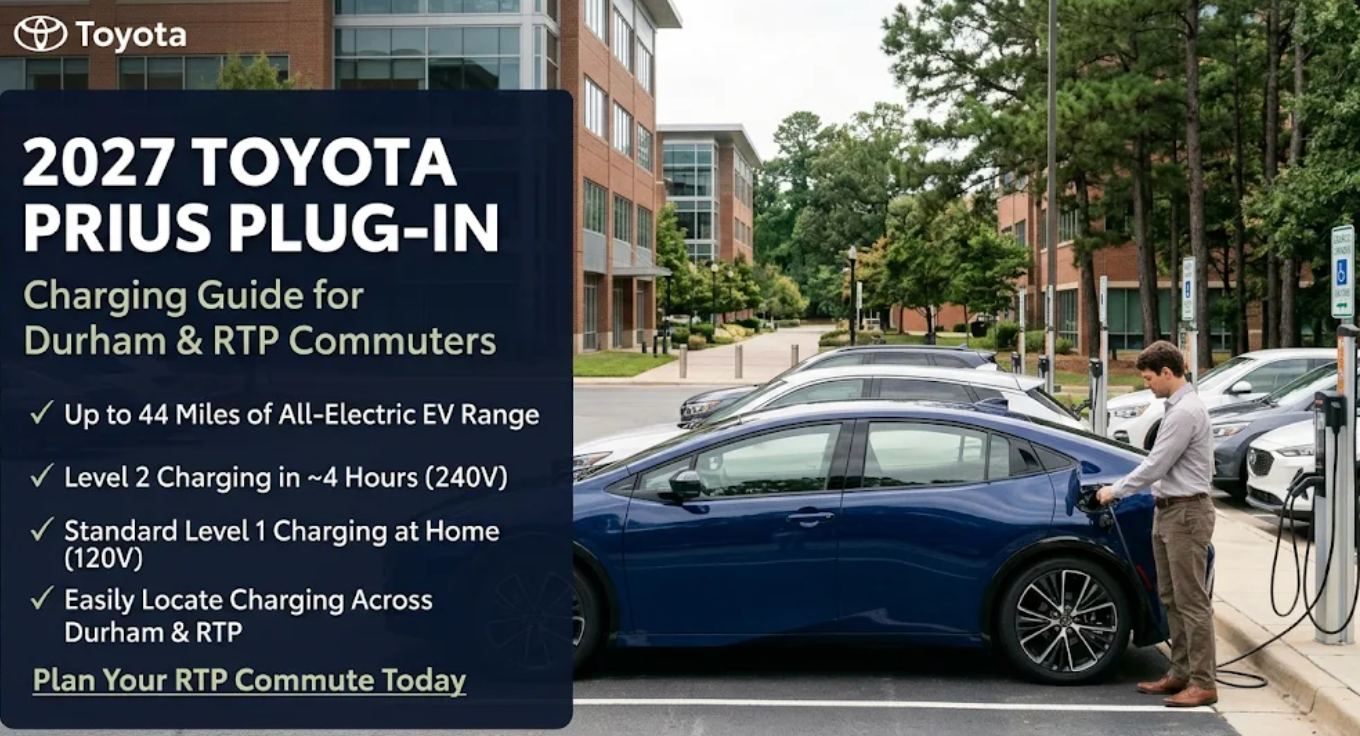
See how 2027 Toyota Prius Plug-in Hybrid charging and electric range work for Durham and RTP commuters, including home and public charging options.

2027 Toyota Prius Plug-in Hybrid Charging RTP Guide

Toyota Ownership & Buying Guide • Durham, NC Why the Prius Plug-in Hybrid is the Perfect Commuter Vehicle for the Triangle Area The 2027 Toyota Prius Plug-in Hybrid can cover many Durham-to-RTP round trips on electricity alone, because Toyota lists an EPA-estimated all-electric range of up to 44 miles on the SE grade and up to 39 miles on the XSE, Nightshade, and XSE Premium grades. Toyota estimates a full charge takes about 11 hours on a standard 120V household outlet and about 4 hours on a 240V Level 2 charger under ideal conditions. When the battery runs low, the hybrid system takes over automatically, so an empty battery does not leave you stranded the way it could in a battery-electric vehicle. That combination is why the plug-in Prius keeps coming up for Triangle commuters who are curious about electric driving but not ready to depend on public chargers. Here at Mark Jacobson Toyota, we wrote this guide for drivers who want the practical side of ownership: how far the battery really goes on a weekday, what a home charging setup involves, where public charging fits around Durham and Research Triangle Park, and whether the plug actually saves money compared with the regular Prius hybrid. We use Toyota's published figures for the 2027 model year, current North Carolina energy prices, and clearly labeled assumptions so you can swap in your own commute. Definition: A plug-in hybrid electric vehicle (PHEV) pairs a gasoline engine with a larger battery that can be recharged from an outlet, allowing a limited distance of all-electric driving before it operates as a conventional hybrid. The 2027 Toyota Prius Plug-in Hybrid uses a 13.6-kWh lithium-ion battery and a 2.0-liter engine. For commuters across Durham, Chapel Hill, Raleigh, and Research Triangle Park, it allows many daily trips on electricity without depending on public charging. Toyota Research Guide 2027 Prius Plug-in Hybrid Charging: Find Your Answer Powertrain and Electric-Only Range Realistic Electric Range for RTP Commuting Home Charging Setup and Charge Times Public Charging Near Durham and RTP Fuel Savings vs the Standard Prius Hybrid ToyotaCare and Battery Coverage Key Takeaways Prius Plug-in Hybrid Charging FAQ Plug-in Hybrid Powertrain and Electric-Only Range The 2027 Prius Plug-in Hybrid uses Toyota's fifth-generation hybrid system with a 2.0-liter four-cylinder engine and two motor-generators. Toyota rates the combined system at 220 net horsepower, with an EPA-estimated 0-60 mph time of 6.6 seconds, and the car is front-wheel drive with an electronically controlled continuously variable transmission. The traction battery is a 13.6-kWh lithium-ion pack, and Toyota lists only 120V and 240V charging times for it, which tells you how this car is meant to be used: plug in at home or at work, and let the gas engine handle the long trips. A standard hybrid recharges its small battery through braking and the engine, and you never plug it in. The plug-in version stores enough energy to drive dozens of miles with the engine off, then shifts into hybrid operation on its own once the usable charge is spent. For 2027, Toyota added dual-zone automatic climate control so the driver and front passenger can set separate temperatures, plus a new Inked exterior color. The core hardware, including the battery capacity and system output, carries over. That matters if you are comparing a 2027 against a remaining 2026 unit, a point we come back to in the ToyotaCare section. 2027 Prius Plug-in Hybrid Grades: Price, Electric Range, and Efficiency Grade Base MSRP* EPA-Est. Electric Range EPA-Est. MPGe Hybrid Mode MPG (City/Hwy/Comb.) SE $33,980 Up to 44 miles 128 55/46/51 XSE $37,230 Up to 39 miles 114 50/43/47 Nightshade $38,000 Up to 39 miles 114 50/43/47 XSE Premium $40,675 Up to 39 miles Confirm with our team Confirm with our team *Base MSRP excludes Toyota's $1,295 delivery, processing, and handling fee, taxes, title, registration, and dealer-installed options. Figures from Toyota.com The SE's longer electric range comes mostly from its smaller wheels and lighter curb weight. Toyota lists the SE at 3,461 pounds and the XSE at 3,516 pounds, and the SE also carries a lower drag figure. If maximum electric miles are your main goal, the SE is the efficiency choice. If you want the larger feature set on the XSE grades, you give up roughly five miles of rated electric range. Realistic All-Electric Range for RTP Commuting There is no single "typical" RTP commute, so here is a worked example you can adjust. Assume a driver who lives near our dealership on Durham-Chapel Hill Boulevard and works in Research Triangle Park, about 12 miles each way, for a 24-mile round trip. Five commuting days a week for 48 weeks comes to about 5,760 commuting miles per year. With a full overnight charge, that daily round trip sits comfortably inside the SE's 44-mile EPA estimate and the XSE's 39-mile estimate, which leaves a cushion for a lunch errand or a stop on the way home. Now stretch the example. A Chapel Hill driver heading to the far side of RTP, or a Durham driver commuting to downtown Raleigh, can easily exceed 40 miles round trip. In that case the car simply uses its electric range first and then finishes the drive as a hybrid. You still benefit from the electric miles; you just do not complete the whole day without gas. A few conditions can shorten electric range in everyday use: Sustained highway speeds on I-40 or NC-147 use more energy per mile than stop-and-go surface streets. Heavy use of climate control during a humid Triangle summer or a cold January morning draws on the same battery. Cold temperatures generally reduce how much usable energy a lithium-ion battery delivers. Extra passengers and cargo add weight. Treat the EPA number as a planning figure, not a promise. If your round trip is well under the rated range, most weekday driving can happen on electricity with regular overnight charging; if it is well above, the gap between the plug-in and a regular hybrid narrows. Home Charging Setup and Charge Times Regular access to an outlet is what makes this Prius different from a standard hybrid. Toyota confirms that a dual-voltage charging cable is supplied with the 2027 Prius Plug-in Hybrid. You can charge from a suitable 120-volt household outlet, or use compatible 240-volt Level 2 equipment for a faster refill. Have a licensed electrician evaluate an outlet or circuit if you are unsure about its condition or capacity; do not assume an extension cord or an aging garage outlet is safe for continuous charging. Prius Plug-in Hybrid Charging Options at a Glance Charging Method Typical Location Toyota-Estimated Time to Full Best Fit Level 1 (120V) Standard household outlet, ideally on a dedicated circuit About 11 hours Overnight charging when you park from early evening to morning Level 2 (240V) Home wall-mounted equipment, workplaces, public parking decks About 4 hours Shorter overnight windows, two daily trips, or topping up at work DC fast charging Highway fast-charging sites Not listed by Toyota for this model Plan on Level 1 or Level 2; use hybrid mode on road trips Charge times are Toyota estimates under ideal conditions and can vary with temperature, battery state, and the electrical supply. Confirm the charge port type and any adapter needs on a specific vehicle with our team before buying charging equipment. In practice, Level 1 charging works well if you are home from about 7 p.m. to 6 a.m. That 11-hour window matches Toyota's estimate for a full charge from a depleted battery, and most nights you will start with some charge already in the pack. Level 2 makes more sense if your household parks late and leaves early, if two drivers share the car, or if you want to recharge between a morning commute and an evening trip. A few planning steps before you install anything: Have a licensed electrician check whether your garage outlet is on a circuit shared with freezers, power tools, or other heavy loads. Ask about permits, since Durham, Wake, and Orange County jurisdictions may require one for new 240V circuits. Check with your electric utility, such as Duke Energy, about any current EV charging programs or time-of-use rates, because program terms change. Renters and condo owners should confirm parking-space access to an outlet before relying on home charging. The cost side is simple to estimate. The U.S. Energy Information Administration reported an average North Carolina residential electricity price of 14.95 cents per kilowatt-hour for August 2026. Using the SE's EPA rating of 128 MPGe, which works out to roughly 26.3 kWh per 100 miles, electric driving costs about 3.9 cents per mile at that average rate. Your utility bill, rate plan, and charging losses will move that number up or down. Public Charging Options Near Durham and RTP Public charging is a convenience for a plug-in hybrid, not a requirement. If a public station is occupied or out of service, you simply drive on as a hybrid. At a compatible Level 2 station, a multi-hour parking stop can restore a useful portion of the battery. But availability, parking rules, and fees vary by location. Check the station’s current connector, access requirements, and operating status before making charging part of your day. Unlike a battery-electric vehicle, this Prius can continue in hybrid mode if there is no available charger. The most reliable way to find current stations is a live map rather than a printed list, since locations, pricing, and access rules change often. Good options include: The U.S. Department of Energy's Alternative Fuels Data Center station locator, which lets you filter by Level 2 and connector type. Charging network apps and community maps that show real-time availability and user check-ins. The Toyota app, which can help locate charging and, with the right Connected Services trial or subscription, show charge status. Check whether a station bills by the hour, the kilowatt-hour, or the session. An hourly rate can make a slow public session cost more per mile than charging at home. Fuel Savings and Ownership Cost vs the Standard Prius Hybrid This is where we want to be careful, because the plug-in does not automatically save money over the regular Prius. The standard 2027 Prius LE is rated at an EPA-estimated 59/50/55 MPG with a base MSRP of $28,755, while the Prius Plug-in Hybrid SE starts at $33,980. North Carolina gasoline was also relatively inexpensive at the end of October 2026, with AAA reporting a statewide average of about $3.43 per gallon for regular on October 29. Estimated Annual Energy Cost: 12,000 Miles in North Carolina Scenario (12,000 miles per year) Cost per Mile Estimated Annual Energy Cost Prius Plug-in Hybrid SE, 100% electric miles About 3.9 cents About $472 Prius Plug-in Hybrid SE, 60% electric and 40% hybrid miles About 5.0 cents (blended) About $606 2027 Prius LE hybrid (55 MPG combined) About 6.2 cents About $748 Older vehicle averaging 30 MPG About 11.4 cents About $1,371 Assumptions: 14.95 cents per kWh (EIA North Carolina residential average, August 2026), $3.43 per gallon (AAA North Carolina average, October 2026), EPA ratings of 128 MPGe and 51 MPG for the SE, and 55 MPG for the Prius LE. Estimates exclude maintenance, insurance, taxes, and fees and are for comparison only. The table shows a pattern that surprises some shoppers. For a driver replacing an older 30 MPG car, either Prius cuts energy spending sharply. Between the two Priuses, the gap is much smaller, roughly $140 to $280 per year in these scenarios. North Carolina also charges an additional annual registration fee for plug-in hybrids, listed by the U.S. Department of Energy's Alternative Fuels Data Center at $107.25, which offsets part of that difference. The federal new clean vehicle tax credit is also not available for vehicles acquired after September 30, 2025, according to the IRS, so it should not be part of a 2027 purchase calculation. For RTP commuters with home charging, the 2027 Prius Plug-in Hybrid makes the most sense when the value of driving most weekday miles on electricity, plus its 220 horsepower and quieter electric operation, matters more to you than the lowest purchase price. If your priority is the lowest total cost and you cannot charge reliably at home, the standard Prius hybrid is likely the better financial fit because it delivers similar efficiency without the higher MSRP or the plug-in registration fee. Either way, comparing current pricing, incentives, and financing on both models side by side gives you a clearer answer than fuel math alone. A short way to decide: Lean toward the Plug-in Hybrid if you can charge at home or work, your round trip is under about 35 to 40 miles, and you value electric driving and stronger acceleration. Lean toward the standard Prius if you park on the street without an outlet, drive long highway distances daily, or want the lowest upfront price. Consider AWD needs too. Toyota offers the standard Prius with available all-wheel drive on several grades, while the Plug-in Hybrid is front-wheel drive. ToyotaCare and Plug-in Hybrid Battery Coverage The 2027 Prius Plug-in Hybrid comes with ToyotaCare normal factory-scheduled maintenance for one year or 10,000 miles, whichever comes first. Toyota’s model-year-specific program literature states that 2026 and earlier Toyota vehicles generally received two years or 25,000 miles under the previous terms. If you compare a 2027 car against a remaining 2026, check both model years’ actual coverage; the difference may affect your first two years of routine service planning. Toyota’s model-year-2027 ToyotaCare brochure describes three years of roadside assistance with unlimited mileage for Prius and PHEV models, while Toyota’s July 2026 Prius Plug-in Hybrid announcement describes two years. That mismatch should not be presented as settled coverage. Before buying, request the current VIN-specific ToyotaCare and roadside-assistance terms from Mark Jacobson Toyota and keep a copy with the purchase documents. The battery coverage is strong. Toyota.com lists these 2027 warranty terms for the Prius Plug-in Hybrid: Hybrid battery warranty: 10 years or 150,000 miles Hybrid system warranty: 8 years or 100,000 miles Basic warranty: 3 years or 36,000 miles Powertrain warranty: 5 years or 60,000 miles Connected Services matter for a plug-in too. Toyota lists a 5-year trial for Remote Connect, Safety Connect, and Service Connect on the 2027 model, which supports features such as remote climate control and vehicle status in the Toyota app. Trials end, and continued use requires a subscription after the trial period. After ToyotaCare ends, our Toyota service team in Durham can follow the same factory maintenance schedule with Genuine Toyota parts. Key Takeaways The 2027 Prius Plug-in Hybrid offers EPA-estimated electric range of up to 44 miles on the SE and up to 39 miles on the XSE, Nightshade, and XSE Premium. Toyota estimates about 11 hours to charge on a 120V outlet and about 4 hours on 240V Level 2, so many owners only need overnight home charging. At August 2026 North Carolina electricity prices, electric driving in the SE costs roughly 3.9 cents per mile before charging losses and rate differences. Savings over the standard Prius hybrid are modest in North Carolina, so the plug-in makes the most sense for drivers who can charge at home and value electric driving. MY2027 ToyotaCare covers scheduled maintenance for 1 year or 10,000 miles, compared with 2 years or 25,000 miles on 2026 and earlier models. The hybrid battery is covered for 10 years or 150,000 miles under Toyota's 2027 warranty terms. Frequently Asked Questions How long does it take to charge a 2027 Toyota Prius Plug-in Hybrid? Toyota estimates about 11 hours for a full charge on a standard 120V household outlet and about 4 hours on a 240V Level 2 charger under ideal conditions. Toyota does not list DC fast charging for this model. Most owners plug in overnight at home, and if the battery runs out during the day, the car continues as a hybrid using gasoline. Starting with a partial charge shortens the time. Can I use the Prius Plug-in Hybrid without ever charging it? Yes, the car operates as a regular hybrid when the battery is depleted, and Toyota rates the SE at 51 MPG combined in hybrid mode. However, you would be paying for a larger battery you are not using. If you cannot charge at home or work, we suggest comparing the standard Prius, which has a lower MSRP and similar hybrid efficiency, before deciding. Is 44 miles of electric range enough for an RTP commute? For many drivers it is. A 24-mile round trip between central Durham and RTP fits within the SE's EPA-estimated 44 miles with room to spare, assuming a full overnight charge. Longer commutes, highway speeds, extreme heat or cold, and heavy climate control use reduce real-world range. Beyond that point the car switches to hybrid operation automatically, so you never have to stop to charge. Does the 2027 Prius Plug-in Hybrid qualify for a federal tax credit? According to the IRS, the new clean vehicle credit is not available for vehicles acquired after September 30, 2025, so a 2027 Prius Plug-in Hybrid purchased today does not qualify for it. Utility programs and manufacturer offers can change, so ask our team about current Toyota offers and any local programs. This is general information, not tax advice; please consult a tax professional for your situation. The best next step is to compare your actual round-trip distance and charging access with a standard Prius. Mark Jacobson Toyota is at 4516 Durham-Chapel Hill Blvd, Durham, NC 27707. Call 919-493-5599 or explore available vehicles before you visit. Schedule a Test Drive Call Our Durham Team Related Toyota Insights & Ownership Guides Hybrid Comparison 2026 Toyota Prius vs Prius Plug-in Hybrid: Which Saves You More in Durham? Compare the regular Prius and the plug-in version side by side for Durham driving, efficiency, and everyday ownership. Read More → Electrified Ownership Toyota Hybrids vs. Toyota EVs: Choosing the Right Option for You See how hybrids, plug-in hybrids, and battery-electric Toyotas differ in charging, range, and daily routines. Read More → RTP Commute Guide 2026 Toyota Camry Hybrid MPG and Commute Guide for RTP Drivers Compare how a hybrid sedan handles Research Triangle Park commuting if you would rather skip the plug entirely. Read More → Plug-in Hybrid Lifestyle RAV4 Prime Spring Getaway Guide Near Durham See how a Toyota plug-in hybrid SUV fits weekend trips around the Triangle when you need more cargo room than a Prius. Read More →

What Record Trade-In Equity Means for Durham Toyota Owners

What Record Trade-In Equity Means for Durham Toyota Owners

Toyota Trade-In & Ownership Guide • Durham, NC How to Leverage Your Vehicle’s Value Toward a New Upgrade in Durham If you bought or financed your current vehicle a few years ago, there is a good chance it is worth more toward a trade-in today than you might expect. According to recent national trade-in data, trade-ins with positive equity toward new-vehicle purchases averaged roughly $13,330 in equity in the second quarter of 2026, with about 68.8% of trade-ins toward new-vehicle purchases nationally showing positive equity. Here at Mark Jacobson Toyota, we want Durham and Triangle owners to understand what that actually means before they decide whether now is a good time to trade in, rather than just reacting to a headline. Positive equity means your vehicle is currently worth more than what you still owe on it, which gives you a real credit toward a new or certified used purchase. At the same time, the data also showed that average new-vehicle loan APRs for shoppers trading in with positive equity reached around 5.9% in Q2 2026, compared to roughly 3.8% in Q2 2016. Higher rates, alongside higher vehicle prices, contributed to an average monthly payment increase of about $228 for that group over the same period. Those two trends pull in opposite directions, and understanding both matters more than focusing on either one alone. This guide walks through what positive equity actually means, why the current market looks the way it does, and how to get an accurate, current appraisal instead of guessing based on a national average. Definition: Positive equity is the amount by which a vehicle's current market value exceeds the remaining balance on its loan, giving the owner a credit toward a future purchase rather than an amount still owed. It is commonly relevant to owners trading in a financed vehicle for a new or certified used one. For drivers across Durham, Chapel Hill, Raleigh, Cary, and the Research Triangle, understanding current equity helps determine whether trading in now makes financial sense compared to waiting, subject to an individual vehicle appraisal. Trade-In Equity Research Guide Toyota Trade-In Equity Guide: Vehicle Value, Loan Rates, and Your Next Purchase What Positive Equity Means How Auto Loan Rates Affect a Trade-In Getting an Accurate Trade-In Appraisal Applying Equity to a New or Certified Used Toyota Toyota Owners and National Equity Trends Deciding When to Trade In Key Takeaways Trade-In Equity Frequently Asked Questions What "Positive Equity" Means When You Trade In a Vehicle Positive equity is straightforward in concept but easy to get wrong in practice. If your vehicle is currently worth $22,000 and you owe $16,000 on your loan, you have $6,000 in positive equity, which applies as a credit toward your next vehicle rather than cash you need to come up with. The opposite situation, owing more than the vehicle is worth, is called negative equity or being "underwater." That shortfall still needs to be paid; if a lender approves rolling it into a replacement loan, it increases the amount financed instead of reducing it. The tricky part is that your loan balance and your vehicle's market value move independently of each other, on different timelines and for different reasons. Your loan balance decreases predictably each month as you make payments. Your vehicle's market value depends on broader used-vehicle market conditions, including supply, demand, and how your specific model and trim have held up, which can shift for reasons that have nothing to do with your personal loan. Why Average Equity Has Been Higher Than in Past Years According to national trade-in data, average equity among positive-equity trade-ins toward new-vehicle purchases reached approximately $13,330 in the second quarter of 2026. About 68.8% of trade-ins toward new-vehicle purchases carried positive equity. The dollar amount remained near record territory, while the share of positive-equity trade-ins was below its 2022 peak and closer to historical norms. At the same time, the same data shows that average new-vehicle loan APRs for shoppers trading in with positive equity rose to roughly 5.9%, compared to about 3.8% a decade earlier. Higher rates and higher vehicle prices contributed to an average monthly payment increase of approximately $228 for that group over the period. That combination matters for any Durham owner weighing a trade-in: your existing vehicle may be worth more than you expect, but financing a replacement today may cost more per month than it did when you financed your current vehicle. Neither fact cancels the other out, and the right decision depends on your specific loan balance, your vehicle's current value, and how a new payment compares to what you are paying now. Average Trade-In Equity and Auto Loan Rates, Then vs Now Metric Earlier Comparison Q2 2026 National Data Average new-vehicle loan APR for shoppers trading in with positive equity Approximately 3.8% in Q2 2016 Approximately 5.9% Share of trade-ins toward new-vehicle purchases with positive equity Record 83.6% in Q1 2022 Approximately 68.8% Average equity among positive-equity trade-ins toward new-vehicle purchases Nearly half the Q2 2026 amount before the pandemic Approximately $13,330 Average monthly payment change for shoppers trading in with positive equity Q2 2016 comparison point Approximately $228 higher, reflecting higher rates and vehicle prices These figures are national averages and are not specific to any individual vehicle, loan, or Mark Jacobson Toyota customer. We recommend treating them as general market context rather than an estimate of what your specific vehicle is worth or what your specific payment would be. Check Your Trade-In Value How Today's Auto Loan Rates Factor Into a Trade-In Decision Higher equity does not automatically mean trading in is the right move, and we think it is important to say that directly rather than just pointing to a favorable-sounding statistic. If your current vehicle has a low interest rate from a few years ago and you are happy with it, trading in today means taking on a new loan at current rates, which for many buyers now sits noticeably higher than what they are used to. Your positive equity can offset some of that difference by reducing the amount you need to finance, but it does not eliminate the effect of a higher rate entirely. Where trading in tends to make the most sense is when your current vehicle no longer fits your needs, when you are interested in a 2027 model with technology or capability your current vehicle does not have, or when your equity is substantial enough that the math works out favorably even at today's rates. Where it makes less sense is trading in purely because you saw a headline about record equity, without checking your specific numbers first. Getting an Accurate, Current Appraisal Instead of Guessing National averages are a starting point for a conversation, not a substitute for knowing what your specific vehicle is worth. Online trade-in estimators can give you a rough range, but the accuracy of that estimate depends on the vehicle details supplied, including mileage, condition, equipment, and history. An in-person appraisal can confirm those details and account for current local demand in the Triangle. What We Look at When We Appraise a Trade-In When our team appraises a trade-in, we look at your vehicle's mileage relative to its age, its overall condition inside and out, its maintenance and accident history, and current demand for that specific model and trim in our market. Documented maintenance history can help our team assess how the vehicle has been cared for, which is one of the practical, long-term benefits of keeping up with ToyotaCare and routine service through our Toyota-certified technicians. Service records do not guarantee a particular appraisal amount. Questions to Answer Before You Decide on a Trade-In Question Why It Matters What do you currently owe on your loan? Compare your lender's current payoff amount with the appraisal to determine whether you have positive or negative equity What is your vehicle actually worth in current condition? A real appraisal beats a generic online estimate What would a new payment look like at today's rates? Positive equity offsets cost, but higher APRs still affect the math Does your current vehicle still fit your needs? Equity alone is not a reason to trade in if your vehicle still works for you Are you considering a new 2027 model or a Certified Used Toyota? Changes which incentives, warranty terms, and financing options apply We recommend working through these questions with our team rather than deciding based on a national average alone, since your specific numbers are what actually determine whether trading in makes sense right now. Start Your Trade-In Appraisal Rolling Trade-In Equity Into a New or Certified Used Toyota Once you know your actual equity position, the next question is where that equity goes furthest. Rolling it into a new 2027 Toyota applies your equity toward the transaction, which can meaningfully reduce your financed amount even at today's rates, particularly if you are moving into a model with a lower starting price than what you are trading in. Rolling it into a Toyota Certified Used Vehicle is worth considering if you want a lower overall price point while still getting Toyota Certified's Gold or Silver-level inspection and warranty coverage, which can stretch a given amount of equity further toward a lower monthly payment. Neither option is automatically better than the other, and the right choice depends on what you are looking for. If you specifically want the latest technology or a particular powertrain, such as the Crown's available Hybrid MAX system, a new purchase may be the more direct path. Toyota now identifies the upcoming all-electric Highlander as a 2028 model, so contact our team for its availability rather than treating it as a 2027 purchase option. If your priority is minimizing monthly payment while still driving a well-inspected, warrantied Toyota, a Certified Used Vehicle may make your equity go further. Our finance team can walk through both scenarios using your actual numbers rather than a general comparison. See Also: Rolling Equity Into a 2027 Model We cover this specific path in more depth in a companion piece, Rolling Your Trade-In Equity Into a 2027 Toyota, which walks through which current 2027 models make the most sense depending on what you are trading in and what you are looking for next. If you already know you want to move into a new 2027 Toyota rather than a Certified Used Vehicle, that article is the more detailed next step after this one. Trade-In Paths and What Each One Offers Path Best For What to Ask Our Team Roll equity into a new 2027 Toyota Buyers who want the newest technology, powertrains, or safety features Which 2027 models fit your budget once equity is applied Roll equity into a Toyota Certified Used Vehicle Buyers prioritizing a lower price point with warranty coverage Which certification level (Gold or Silver) fits the vehicle you are considering Sell or trade separately without an immediate purchase Owners who want to capture equity now but are not ready to buy Current appraisal value and the offer's expiration date or conditions Our sales and finance teams can walk you through current trade-in appraisals, 2027 inventory, and Toyota Certified Used options together, so you can see the real numbers side by side rather than guessing which path makes more sense. Visit us at 4516 Durham-Chapel Hill Blvd in Durham, call 919-493-5599 during our current published sales hours, or start at https://www.markjacobsontoyota.com/. If financing is part of your decision, our finance team can also walk through current Toyota Financial Services rates and how your specific equity affects a new loan. Where Toyota Owners Fit Into the National Picture The national data also breaks down which vehicles are most commonly traded in with positive equity. Toyota models on that list include the RAV4, Camry, Tacoma, and Highlander, alongside mainstream vehicles from other brands. That pattern shows that positive equity is relevant to everyday vehicle owners, not only owners of expensive or luxury models. For Durham owners specifically, the useful next step is to compare your Toyota's current appraisal with your lender's payoff amount. A truck, SUV, sedan, or hybrid can have positive equity, but the Toyota badge or body style alone does not establish whether your equity will be above the national average. Your vehicle's condition, mileage, history, local demand, and remaining loan balance determine your actual position. Timing: Is Now Actually a Good Time for You to Trade In? We get asked this question directly, and the honest answer is that it depends more on your personal numbers than on market timing. Record average positive equity is a real, reported trend, not a promise about your specific vehicle. The higher average APR reported for positive-equity trade-in shoppers also describes a particular group, not the rate every borrower will receive. The combination means this is a reasonable time to at least check your numbers, even if it turns out trading in right now does not make sense for your situation. For Durham owners who financed a vehicle three to five years ago, particularly a popular model that has held its value well, checking your current equity costs nothing and takes just a few minutes with our team. For owners who are still early in a loan or whose vehicle has higher mileage than average for its age, the math may look different, and that is useful information either way rather than a reason to avoid asking. Key Takeaways Positive equity means your vehicle is worth more than you owe on it, giving you a credit toward your next purchase rather than an added cost. National trade-in data showed average equity of approximately $13,330 among positive-equity trade-ins toward new-vehicle purchases in Q2 2026; about 68.8% of trade-ins toward new-vehicle purchases carried positive equity. For shoppers trading in with positive equity, average new-vehicle loan APRs rose from approximately 3.8% in Q2 2016 to 5.9% in Q2 2026. Higher rates and vehicle prices contributed to an average monthly payment increase of roughly $228. National averages are a starting point, not a substitute for a real appraisal based on your vehicle's actual condition and mileage. Equity can roll into a new 2027 Toyota or a Toyota Certified Used Vehicle, and the better fit depends on what you are looking for next. Bring documented maintenance history to your appraisal so our team can review how your vehicle has been cared for. Frequently Asked Questions What does it mean if I have "positive equity" on my car? It means your vehicle is currently worth more than the remaining balance on your loan. That difference applies as a credit toward your next vehicle rather than an amount you owe. The opposite situation, owing more than the vehicle is worth, is called negative equity. We can check your specific equity position with a current appraisal rather than a generic online estimate. Why has average trade-in equity been higher recently? According to national trade-in data, elevated used-vehicle values and loan paydowns have helped many owners build equity. In Q2 2026, positive-equity trade-ins toward new-vehicle purchases averaged around $13,330 in equity, and about 68.8% of trade-ins toward new-vehicle purchases showed positive equity. These are national figures, not a guarantee about any individual vehicle, so we recommend getting your own vehicle appraised to see where you actually stand. Does higher trade-in equity make up for today's higher interest rates? Not automatically. Equity reduces the amount you need to finance, which helps offset a higher rate, but it does not eliminate the effect of that rate. Whether trading in makes sense depends on your specific equity, your target vehicle's price, the APR and loan term you qualify for, and your comfort with the resulting payment and total borrowing cost. Our finance team can run the numbers with you directly. Should I roll my equity into a new 2027 Toyota or a Certified Used Vehicle? It depends on your priorities. A new 2027 model makes sense if you specifically want the newest technology or powertrain options, while a Toyota Certified Used Vehicle can stretch your equity further toward a lower monthly payment while still including Toyota Certified inspection and warranty coverage. We recommend reviewing both options with our team using your actual trade-in value before deciding. If you are wondering whether your current Toyota carries positive equity, or what that would mean for a trade-in toward a new 2027 model or a Toyota Certified Used Vehicle, we want to give you real numbers instead of a national average. Visit our team at 4516 Durham-Chapel Hill Blvd, Durham, NC 27707, or call 919-493-5599 during our current published sales hours for a current appraisal. You can also start browsing current inventory at https://www.markjacobsontoyota.com/ before you come in. As an authorized Toyota dealer, we can walk you through your specific equity, current Toyota Financial Services rates, and whether a new or Certified Used Toyota makes more sense for your budget and driving needs across Durham, Chapel Hill, Raleigh, Cary, and the Triangle. Get Your Trade-In Estimate Call Our Durham Team Related Toyota Insights & Ownership Guides Vehicle Appraisal Guide How a Vehicle Appraisal Works: Understanding Your Trade-In Car Value Learn how an appraisal evaluates vehicle condition, mileage, history, and market demand before you apply your trade toward another vehicle. Read More → Trade-In Preparation How to Get the Best Trade-In Value Before Year-End at Mark Jacobson Toyota Review practical ways to prepare your vehicle and organize the information you need for a trade-in appraisal in Durham. Read More →

2027 Toyota Tundra i-FORCE MAX Trim Guide for Durham Drivers

2027 Toyota Tundra i-FORCE MAX Trim Guide for Durham Drivers

Toyota Tundra Hybrid Guide • Durham, NC Comparing Hybrid Power, Towing Capability, and Trims for Triangle Drivers The 2027 Toyota Tundra i-FORCE MAX pairs a twin-turbo V6 with a hybrid electric motor to deliver strong torque for towing and hauling while keeping fuel economy more competitive than a traditional large V8 truck. Here at Mark Jacobson Toyota, we work with a lot of Durham, Cary, and Apex buyers who need a truck that can genuinely handle towing a boat to Jordan Lake or hauling equipment for work during the week, and the i-FORCE MAX is usually the powertrain we steer those conversations toward. The Tundra lineup spans work-focused grades through the luxury-oriented Capstone, and the right configuration depends heavily on whether you are buying primarily for towing capacity, off-road capability, or daily comfort. Toyota USA has not yet published the complete 2027 i-FORCE MAX availability by grade, so contact Mark Jacobson Toyota for the latest hybrid trim information rather than assuming an SR5 hybrid configuration is available. This guide walks through the powertrain itself, how the trims differ, and how to think about bed configuration and equipment based on how you actually plan to use the truck. Definition: The Toyota i-FORCE MAX is a hybrid powertrain available on the Tundra, combining a twin-turbo V6 engine with an electric motor integrated into the transmission to add torque and improve efficiency. It is commonly chosen by buyers who need strong towing and payload capacity along with better fuel economy than a comparable non-hybrid full-size truck. For drivers across Durham, Cary, Apex, and the Research Triangle, it provides the torque needed for towing boats, trailers, and equipment while reducing fuel stops on longer work days or weekend trips. Tundra Hybrid Research Guide 2027 Tundra i-FORCE MAX Guide: Trims, Towing, Bed Options, and Ownership Hybrid Powertrain, Torque, and Towing Trim Differences From SR5 Through Capstone Bed Configurations and Work-Ready Features TRD Off-Road and TRD Pro Technology Interior Technology and Everyday Comfort Safety Technology and Trailer Features ToyotaCare and Ownership Support What to Ask Before Towing Near Capacity Key Takeaways Tundra i-FORCE MAX Frequently Asked Questions i-FORCE MAX Hybrid Powertrain, Torque, and Towing Capacity The i-FORCE MAX powertrain pairs Toyota's twin-turbo V6 with an electric motor positioned between the engine and transmission, which means the electric motor adds torque right when you need it most, during initial acceleration and under load. For anyone who has tried to get a loaded trailer moving from a dead stop, that immediate torque delivery is the practical difference between the hybrid and the standard i-FORCE gas-only engine, rather than just a fuel economy talking point. Toyota USA has not yet published the complete 2027 horsepower, torque, towing, and payload specifications by configuration. Contact Mark Jacobson Toyota for the latest information on the specific truck you are considering. As a general pattern across recent Tundra i-FORCE MAX model years, the hybrid powertrain has offered higher torque than the standard V6, which is why we recommend discussing it with our team if you tow regularly rather than only occasionally. Payload and Trailering Numbers by Configuration Payload and towing capacity shift depending on the truck's cab, bed length, drivetrain, equipment, and powertrain. Not every Tundra configuration is available with i-FORCE MAX. We walk every serious towing customer through the specific truck's payload label and Toyota's applicable towing specifications before they buy, since published maximum figures may not match the exact truck on our lot. 2027 Tundra Trim Priorities and Capacity Planning Trim Tier Focus Towing Capacity Payload Capacity Best Fit SR5 Work-focused value; 2027 hybrid availability not yet confirmed Contact our team for configuration-specific specifications Contact our team for the vehicle's payload label Contractors, fleet buyers, budget-conscious towing Limited Balanced comfort and capability Contact our team for configuration-specific specifications Contact our team for the vehicle's payload label Families who tow occasionally and want daily comfort TRD Pro Off-road performance Contact our team for configuration-specific specifications Contact our team for the vehicle's payload label Weekend off-roaders and Blue Ridge trips 1794 Edition / Capstone Luxury and top-tier equipment Contact our team for configuration-specific specifications Contact our team for the vehicle's payload label Buyers prioritizing comfort and premium features alongside capability Exact towing and payload figures vary by configuration. Use the vehicle's loading and certification labels together with Toyota's applicable towing specifications and Owner's Manual; the payload label alone does not establish maximum trailer weight. Discuss Your Towing Needs Trim Differences From SR5 Through Capstone The Tundra's trim walk covers a wide range of buyers. SR5 is the practical starting point, built for buyers who want strong capability without paying for features they will not use. Limited adds comfort and technology upgrades aimed at families and buyers who want a more refined daily truck. The TRD Off-Road package and TRD Pro grade shift the focus toward off-road hardware, including upgraded suspension, all-terrain tires, and Toyota's off-road driving aids. 1794 Edition and Capstone sit at the top of the lineup, emphasizing premium interior materials, additional technology, and a more upscale overall presentation. Contact Mark Jacobson Toyota for the complete 2027 i-FORCE MAX grade and package combinations as Toyota releases them. Which Trim Fits Contractor Use vs Family Towing If you are buying primarily as a work truck, the SR5 is worth comparing for strong capability without paying for premium comfort features you may not need at a job site. Fleet buyers and contractors in Durham, Cary, and Apex tend to consider this part of the lineup because the value proposition is straightforward: strong capability, lower upfront cost, and enough durability to handle daily work use. If you specifically want i-FORCE MAX, our team can explain the confirmed 2027 hybrid configurations as they become available. If towing is more occasional, such as pulling a boat to Jordan Lake on weekends or hauling a camper for family trips, the Limited trim's added comfort features make the truck more pleasant to live with day to day. For buyers who want both serious capability and a more refined interior, the 1794 Edition or Capstone deliver that combination, though at a noticeably higher price point that is worth cross-shopping against your actual towing needs rather than just the equipment list. Bed Configurations and Work-Ready Features Bed length is one of the more overlooked decisions in a Tundra purchase, and it has real consequences for what the truck can actually carry. A shorter bed improves maneuverability in tighter spaces, which matters for anyone navigating downtown Durham or a tight job site, while a longer bed adds cargo length for hauling lumber, equipment, or larger loads without needing a trailer for every job. Toyota's available bed features, including a durable bed liner, tie-down points, and available power outlets, matter more to contractors and outdoor enthusiasts than they might seem on paper. We recommend thinking through your actual typical cargo, not just your occasional largest load, when choosing bed length, since most owners use their truck bed for routine hauling far more often than for the rare maximum-capacity job. i-FORCE vs i-FORCE MAX Powertrain Comparison Feature i-FORCE (Standard V6) i-FORCE MAX (Hybrid) Engine Twin-turbo V6 Twin-turbo V6 with integrated electric motor Torque delivery Strong, traditional turbo response Added torque from electric motor under load Fuel economy Complete 2027 ratings not yet published by Toyota USA Complete 2027 ratings not yet published by Toyota USA Best for Buyers prioritizing lower upfront cost Buyers who tow or haul regularly and want added torque Availability Gas powertrain offered within the Tundra lineup Contact our team for confirmed 2027 hybrid grade availability Contact Mark Jacobson Toyota for the latest 2027 fuel economy ratings and pricing differences between the two powertrains as Toyota releases the complete specifications. Off-Road Technology on TRD Off-Road and TRD Pro For Tundra buyers planning regular trips off paved roads, whether that means a gravel forest service road in the mountains or a muddy job site, the TRD Off-Road package and TRD Pro grade add hardware beyond a standard work-focused configuration. Multi-Terrain Select adjusts throttle response and traction control for specific surfaces like mud, sand, or rock, which takes some of the guesswork out of driving in conditions most daily commuters never encounter. Crawl Control functions similarly to low-speed cruise control for technical terrain, letting the truck manage throttle and braking at a slow, controlled pace while the driver focuses on steering. Availability depends on the specific grade, package, and drivetrain. TRD Pro adds Toyota's upgraded off-road suspension, all-terrain tires, and additional underbody protection, which noticeably changes how the truck handles rutted or uneven terrain compared to a standard suspension setup. For a buyer whose primary use is towing and highway driving with only occasional off-pavement trips, this hardware may be more capability than you need day to day. For someone regularly hauling gear into the Blue Ridge backcountry or navigating unpaved job sites, it is a genuinely useful upgrade rather than a styling package. Interior Technology and Everyday Comfort Even a work-focused truck spends most of its time on ordinary drives, not hauling maximum loads, so interior comfort and technology matter more than buyers sometimes expect going in. The 2027 Tundra's standard 14-inch Toyota Audio Multimedia touchscreen, wireless smartphone integration, and available JBL premium audio system make daily commuting between Durham and RTP, or a long highway drive out to a job site, considerably more comfortable than older-generation trucks. Higher trims add more advanced driver information displays and additional convenience features, but even the SR5 comes equipped with the core technology most buyers actually use daily. Safety Technology and Trailer Features Every 2027 Tundra comes with Toyota Safety Sense 4.0 as standard equipment. Features like available blind spot monitoring become especially useful when towing a trailer that extends your effective length and blocks portions of your rear visibility, and trailer sway control and available trailer-specific technology add a meaningful layer of confidence when hauling a boat or camper on I-40 or through mountain grades heading toward the Blue Ridge. Driver-assistance features do not replace correct loading, suitable towing equipment, or attentive driving. ToyotaCare and Ownership Support for Durham Truck Owners Toyota's current program materials indicate that MY2027 vehicles generally carry a ToyotaCare window covering the first year or 10,000 miles of factory-scheduled maintenance. For a work truck that racks up miles quickly, hitting that mileage threshold faster than a typical commuter vehicle is a real possibility, so we recommend reviewing the exact ToyotaCare terms and when scheduled maintenance becomes an owner-paid expense for your specific Tundra. The end of ToyotaCare maintenance coverage does not mean the vehicle's warranty has ended. Our Toyota-certified technicians are equipped to service both the i-FORCE and i-FORCE MAX powertrains using Toyota-specific diagnostic equipment and Genuine Toyota parts, which matters for a hybrid work truck where the electric motor and battery components benefit from manufacturer-trained service rather than a generalist shop. ToyotaCare and Warranty Snapshot Coverage Area 2027 Tundra i-FORCE MAX ToyotaCare maintenance window 1 year / 10,000 miles, whichever comes first, under current program terms Hybrid components Serviced by Toyota-certified technicians using Toyota diagnostic equipment Safety suite Toyota Safety Sense 4.0 standard Trailer technology Trailer sway control and available trailer-specific features Financing Toyota Financial Services available through our finance team, subject to credit approval Schedule Toyota Service Field Operations: What to Ask Before You Tow at Maximum Capacity We do not claim to have observed every towing scenario our customers encounter, but we can walk through the practical questions worth asking before you tow anywhere near a Tundra's maximum rated capacity. First, confirm the exact payload and towing figures for your specific VIN, not the trim's advertised maximum, since options and configuration change the real number. Second, factor in passengers, cargo, aftermarket accessories, and trailer tongue weight, all of which count against your payload capacity and can add up faster than expected. Third, discuss Toyota's requirements for a weight-distributing hitch, trailer brakes, and a compatible brake controller with our team before towing, since towing at or near capacity puts more demand on brakes, cooling, and suspension components over time. For buyers planning regular trips toward the Blue Ridge Mountains, the added elevation and sustained grades change how a loaded truck behaves compared to flat Piedmont driving, and the i-FORCE MAX's added torque genuinely helps on long uphill pulls compared to the standard powertrain, which is one of the more practical reasons we point mountain-trip-focused buyers toward the hybrid option. Our sales team can walk you through current Tundra i-FORCE MAX availability, trim-specific towing and payload information, and financing options built around how you actually plan to use the truck. Visit us at 4516 Durham-Chapel Hill Blvd in Durham, call 919-493-5599 during our current published sales hours, or browse current inventory at https://www.markjacobsontoyota.com/. If you are buying for contractor or fleet use, ask our finance team about current commercial financing options through Toyota Financial Services. Talk With Our Truck Team Key Takeaways The i-FORCE MAX pairs a twin-turbo V6 with a hybrid electric motor, adding torque under load. Toyota USA has not yet published complete 2027 hybrid availability by grade; contact Mark Jacobson Toyota for current information. Exact towing and payload capacity vary by configuration. Review the vehicle's loading labels and Toyota's applicable towing specifications. SR5 fits contractor and fleet buyers focused on value and capability; Limited, 1794 Edition, and Capstone add comfort and premium equipment. Standard Toyota Safety Sense 4.0 and available trailer-specific technology support daily driving and towing. Review current ToyotaCare terms, since a work truck can reach the mileage threshold faster than a typical commuter vehicle. Frequently Asked Questions How much can the 2027 Tundra i-FORCE MAX tow? Toyota USA has not yet published the complete 2027 configuration-specific towing specifications. Contact Mark Jacobson Toyota for the latest rating information for the truck you are considering. Our team can review the vehicle's payload label, Toyota's applicable towing specifications, and what those limits mean for your boat, camper, or work trailer. What is the difference between i-FORCE and i-FORCE MAX? i-FORCE is Toyota's standard twin-turbo V6 gas engine, while i-FORCE MAX adds a hybrid electric motor integrated into the transmission. The hybrid version delivers additional torque under load, which makes it worth comparing for buyers who tow or haul regularly. The standard i-FORCE can still be a reasonable option for buyers prioritizing a lower upfront cost with lighter-duty use. Compare the published fuel economy ratings for the specific configurations once Toyota releases the complete 2027 figures. Which Tundra trim is best for a contractor or work truck? For most contractor and fleet buyers, the SR5 is worth considering for capability and value without premium comfort features. If daily comfort for a long workday matters more to you, the Limited trim adds a more refined interior. If you specifically want i-FORCE MAX, contact our team for confirmed 2027 hybrid availability rather than assuming an SR5 hybrid is offered. We can walk through SR5 and Limited options side by side based on your specific work needs. Does the Tundra i-FORCE MAX need different maintenance than the standard gas engine? The hybrid components benefit from service by Toyota-certified technicians using Toyota-specific diagnostic equipment, though routine maintenance like tire rotations, brake service, and fluid checks follow a similar schedule to the standard i-FORCE engine. Our service department can walk you through the specific maintenance schedule for your Tundra, and we recommend confirming current ToyotaCare coverage for your model year before your first scheduled service. Whether you need the 2027 Tundra i-FORCE MAX for daily contractor work, weekend towing to Jordan Lake, or family trips into the Blue Ridge Mountains, we want to make sure you leave our dealership with the trim and configuration that actually matches how you use a truck. Visit our team at 4516 Durham-Chapel Hill Blvd, Durham, NC 27707, or call 919-493-5599 during our current published sales hours to discuss current i-FORCE MAX availability and trim-specific towing information. You can also start browsing at https://www.markjacobsontoyota.com/ before you come in. As an authorized Toyota dealer, we can walk you through financing, current incentives, and how SR5 compares to Limited, TRD Pro, or Capstone for your specific towing and daily driving needs. Call Mark Jacobson Toyota Request a Test Drive Related Toyota Insights & Ownership Guides Toyota Truck Comparison 2026 Toyota Tacoma vs Tundra: Which Truck Is Right for You in Durham? Compare Toyota midsize and full-size trucks for daily driving, towing needs, and everyday utility around Durham. Read More → Toyota Ownership Coverage ToyotaCare vs ToyotaCare Plus vs Extended Warranty: What Durham Owners Should Know Understand the differences between scheduled maintenance plans and repair protection when planning long-term truck ownership. Read More →

2026 corolla hatchback

2027 Toyota Corolla Hatchback Trim Guide for Durham Drivers

Toyota Corolla Hatchback Guide • Durham, NC Comparing SE, Nightshade, and XSE Trims for Triangle Commuters The 2027 Toyota Corolla Hatchback gives Durham drivers Corolla reliability and efficiency in a more versatile body style than the sedan, with a rear hatch that opens up genuinely useful cargo space for students, young professionals, and anyone who wants a smaller footprint without sacrificing practicality. Here at Mark Jacobson Toyota, we see a lot of interest in the Hatchback from Duke, UNC, and NC State students and their families, along with RTP commuters who want a fuel-efficient daily driver that can still handle a Target run or a dorm move-in without folding down half the seats. The 2027 Corolla Hatchback is available in SE and XSE trims, each built around Toyota's Dynamic Force engine and standard Toyota Safety Sense technology. Where the two trims really differ is in equipment level, wheel size, and a handful of comfort and technology features, rather than in the core mechanical experience. For a Durham or RTP buyer trying to decide between the two, or trying to decide whether the Hatchback makes more sense than the Corolla sedan, this guide walks through the specifics you actually need before you visit us. Definition: The 2027 Toyota Corolla Hatchback is a compact, fuel-efficient hatchback variant of the Corolla built on Toyota's TNGA-C platform, offered in SE and XSE trims. It is commonly chosen by first-time buyers, students, and commuters who want Corolla reliability with added cargo flexibility. For drivers across Durham, Chapel Hill, Raleigh, Cary, and the Research Triangle, it provides an efficient daily commuter with standard safety technology and a rear hatch configuration suited to everyday hauling needs. Corolla Hatchback Research Guide 2027 Corolla Hatchback Guide: SE vs XSE, MPG, Cargo, and Ownership Fuel Economy and SE vs XSE Trim Differences Toyota Safety Sense and Standard Technology Cargo Space and Hatchback Practicality ToyotaCare and Ownership Cost Corolla Hatchback vs Corolla Cross Duke, UNC, NC State, and RTP Driving Cargo Shape and Everyday Loading Key Takeaways Corolla Hatchback Frequently Asked Questions Fuel Economy and Everyday Commuter Value The Corolla Hatchback is built around Toyota's Dynamic Force engine, the same efficiency-focused powertrain family found across much of the current Corolla lineup. For Triangle commuters driving between Durham, RTP, Chapel Hill, and Raleigh on a regular basis, that efficiency translates directly into fewer fill-ups and lower fuel costs over a typical work week, particularly for anyone spending real time in stop-and-go traffic on I-40 or NC-147 during peak commuting hours. Beyond the headline fuel economy number, the Corolla Hatchback's continuously variable transmission is tuned to keep the engine operating in its most efficient range during typical commuting speeds, rather than simply being about a single EPA rating. That matters in practice because the Triangle's mix of highway commuting and stop-and-go college-town traffic is exactly the kind of driving where a well-tuned CVT shows its value compared to a traditional automatic that shifts through more gears than it needs to. SE vs XSE Trim Differences The SE trim is the practical, well-equipped starting point for most Corolla Hatchback shoppers. It includes the full Toyota Safety Sense suite, a touchscreen infotainment system with wireless Apple CarPlay and Android Auto, and 16-inch alloy wheels. The XSE trim builds on that foundation with upgraded interior materials, a standard 10.5-inch touchscreen, additional convenience features like heated front seats, 18-inch graphite-colored alloy wheels, and a sportier exterior appearance. For a student or first-time buyer focused primarily on reliability and low running costs, the SE trim generally covers everything that matters day to day. For a buyer who wants a bit more comfort and technology without stepping up to a different model entirely, the XSE closes most of that gap while staying within the Corolla family's efficient, low-maintenance reputation. Table 1: 2027 Corolla Hatchback SE vs XSE Feature SE XSE Engine Dynamic Force 4-cylinder Dynamic Force 4-cylinder Transmission CVT CVT Toyota Safety Sense Toyota Safety Sense 3.0 standard Toyota Safety Sense 3.0 standard Wheels 16-inch alloy wheels 18-inch graphite-colored alloy wheels Infotainment Standard touchscreen, wireless Apple CarPlay/Android Auto; 10.5-inch touchscreen available with SE Premium Package Standard 10.5-inch touchscreen, wireless Apple CarPlay/Android Auto Seating comfort Cloth upholstery SofTex-trimmed heated front seats with sport fabric inserts Best fit Budget-focused first-time buyers and commuters Buyers who want added comfort and styling within the Corolla lineup Confirm current MSRP for each trim with our sales team, since pricing can shift with equipment packages and current incentives. Compare SE and XSE Trims Toyota Safety Sense and Standard Technology Every 2027 Corolla Hatchback comes with Toyota Safety Sense 3.0 as standard equipment, not as an option reserved for higher trims. That includes a Pre-Collision System with Pedestrian Detection, Lane Departure Alert with Steering Assist, Automatic High Beams, and Full-Speed Range Dynamic Radar Cruise Control. For a Duke or UNC student driving unfamiliar roads for the first time, or a parent handing their student their first car, having that safety suite standard rather than optional is one of the more reassuring parts of the Corolla Hatchback's value proposition. Wireless Apple CarPlay and Android Auto come standard as well, which means no cables tangled in the center console and a simpler way to keep navigation, music, and calls connected during the daily commute between Durham and RTP or a longer drive back to campus after a break. Cargo Space and Hatchback Practicality This is where the Hatchback earns its place in the Corolla lineup rather than simply being a styling alternative to the sedan. With the rear seats up, the hatch opens to a cargo area that handles grocery runs, luggage, and typical daily hauling without much thought. Fold the 60/40 split rear seats down, and the space expands significantly, enough for a dorm move, a bike with the front wheel removed, or a larger Target or Costco haul that would not fit in a sedan's trunk. The hatch's low liftover height also makes loading heavier items easier than lifting them into a raised SUV cargo area, which is a small but real convenience for anyone hauling groceries solo on a weeknight. We tell shoppers that cargo height and the shape of the opening often matter more in daily use than the total published cargo volume number, since a wide, low opening can be more genuinely useful than a taller space that is awkward to load. Which Trim Fits a Student or First-Time Buyer For students commuting between Durham, Chapel Hill, and campus, or driving home to Raleigh or Cary for the weekend, the SE trim's combination of standard safety technology, strong fuel economy, and lower price point tends to be the practical choice. It keeps monthly payments manageable while still delivering everything that matters for daily reliability. For a young professional in RTP who wants a slightly more comfortable daily commuter, or a family buying a Hatchback as a second car with a bit more equipment, the XSE's added comfort features and styling upgrades can be worth the price difference, particularly if you plan to keep the vehicle for several years and want the interior to feel a little more finished during that time. Table 2: Fuel Economy and Cargo Space by Trim Metric SE XSE Published estimated MPG, city/highway 32 city / 41 highway 30 city / 38 highway Cargo space, seats up Standard Hatchback cargo area Standard Hatchback cargo area Cargo space, seats folded Significantly expanded with 60/40 split-fold seats Significantly expanded with 60/40 split-fold seats Typical use case Daily commuting, grocery runs, light hauling Same daily use, plus added comfort for longer drives Weekly fuel cost impact for Triangle commuting Depends on weekly mileage, fuel prices, and the vehicle being compared Depends on weekly mileage, fuel prices, and the vehicle being compared Fuel economy estimates are published by Toyota for the 2027 Corolla Hatchback. Actual mileage varies with driving conditions, vehicle condition, and driving habits. ToyotaCare and Ownership Cost for First-Time Buyers Ownership cost matters as much as the sticker price for most Corolla Hatchback buyers, particularly students and first-time buyers working with a tighter budget. Toyota's current program materials indicate that MY2027 vehicles generally carry a ToyotaCare window covering the first year or 10,000 miles of factory-scheduled maintenance, which is shorter than the 2-year/25,000-mile structure that applied to many earlier Corolla model years. We recommend confirming the exact ToyotaCare terms for your specific 2027 Hatchback before you buy, since knowing what is and is not covered early on makes it easier to budget for maintenance after that initial window closes. Beyond scheduled maintenance, the Corolla Hatchback's reputation for low long-term repair costs is one of the more practical reasons students and first-time buyers gravitate toward it. Our Toyota-certified technicians use Genuine Toyota parts for everything from routine oil changes to brake service, which matters for resale value down the road, since a documented maintenance history with Toyota parts tends to reassure a future buyer more than a mix of aftermarket components. Table 3: ToyotaCare and Safety Technology Snapshot Coverage Area 2027 Corolla Hatchback ToyotaCare maintenance window 1 year / 10,000 miles, whichever comes first, under current program terms Standard safety suite Toyota Safety Sense 3.0 across SE and XSE Standard tech Wireless Apple CarPlay and Android Auto Recommended seasonal service Cabin air filter check each spring for pollen season Service support Available through our Toyota-certified service department using Genuine Toyota parts Schedule Toyota Service Corolla Hatchback vs Corolla Cross: Two Different Kinds of Practical Some shoppers come in comparing the Corolla Hatchback to the Corolla Cross, and it is worth addressing that directly since both wear the Corolla name but serve different needs. The Corolla Cross is a small SUV with a higher ride height, more ground clearance, and available all-wheel drive, which makes it a better fit for anyone who wants a slightly more commanding driving position or occasional light off-pavement driving toward the mountains. The Corolla Hatchback sits lower, drives more like the efficient commuter car it is built to be, and generally costs less to buy and maintain over time. For a Durham or RTP commuter whose driving is almost entirely on paved roads and highways, the Hatchback's lower stance and efficiency usually make more sense financially. For a family that wants a bit more cargo height, a higher seating position, or the option of all-wheel drive for occasional winter weather, the Corolla Cross is worth a look before you decide. We are happy to show both side by side so you can see the practical differences rather than just comparing spec sheets. Duke, UNC, NC State, and RTP: Where the Hatchback Makes Sense We see three distinct groups gravitate toward the Corolla Hatchback in our market, and each has a slightly different reason. Students at Duke, UNC, and NC State like the combination of low running costs, easy parking in tight campus and downtown Durham spaces, and a hatch that handles move-in and move-out days without renting a larger vehicle. RTP commuters driving daily between Durham, Morrisville, and the Park appreciate the fuel economy on repetitive highway and surface-street driving, especially with gas prices that can swing throughout the year. Families looking for a reliable, affordable second vehicle often land on the Hatchback specifically because the cargo flexibility makes it more useful than a sedan for weekend errands, even though it is not a full SUV. Spring pollen season is also worth mentioning here, since it affects every vehicle in our market regardless of body style. A clogged cabin air filter during oak and pine pollen season can reduce airflow and cabin air quality noticeably, and it is one of the simpler, lower-cost maintenance items we recommend checking each spring for any Corolla Hatchback used for regular Triangle commuting. Our sales team can help you compare the SE and XSE trims in person and talk through current pricing, lease options, and whether the Corolla sedan or Hatchback body style fits your actual daily routine better. Visit us at 4516 Durham-Chapel Hill Blvd in Durham, call 919-493-5599 during our current published sales hours, or browse current inventory at https://www.markjacobsontoyota.com/. If you are a recent or upcoming graduate from one of the Triangle's universities, ask our finance team about current Toyota Financial Services and college graduate program terms, since eligibility and amounts can vary by region and are worth confirming directly with us. Schedule a Corolla Test Drive Forgotten Specs: Why Cargo Shape Matters More Than the Number on the Spec Sheet Most Hatchback comparisons lead with a single cargo volume figure, and that number genuinely undersells how the Corolla Hatchback works in real life. Two vehicles with similar published cargo volume can feel completely different to load depending on the shape of the opening, the height of the liftover, and how flat the cargo floor sits once the rear seats are folded. The Corolla Hatchback's rear hatch opens to a wide, low opening that makes sliding in a duffel bag, a case of water, or a stack of moving boxes easier than lifting them over a high SUV bumper. When the 60/40 split rear seats fold, the resulting floor sits close to flat, which matters if you are sliding in a bike, a folded table, or flat-packed furniture from a dorm move rather than stacking irregular items. We encourage shoppers to physically load something into the cargo area during a test drive rather than relying on the published cubic-foot number alone, since that is the only way to know whether a specific vehicle's cargo space actually fits your typical hauling needs. Key Takeaways The 2027 Corolla Hatchback comes in SE and XSE trims, both built on the Dynamic Force engine with standard Toyota Safety Sense technology. SE covers the practical needs of most students and first-time buyers; XSE adds comfort and styling upgrades for buyers who want more equipment. The Hatchback's low, wide cargo opening and 60/40 split-folding rear seats make it more versatile for hauling than the Corolla sedan. Standard Toyota Safety Sense technology applies across both trims, not reserved for higher-equipped versions. Confirm current MSRP, EPA MPG ratings, and ToyotaCare terms for the specific 2027 unit you are considering before purchase. Spring cabin air filter replacement is a simple, worthwhile maintenance item for any Corolla Hatchback used for regular Triangle commuting. Frequently Asked Questions What is the difference between the Corolla Hatchback and the Corolla sedan? The Hatchback and sedan share the same efficient Dynamic Force engine and core safety technology, but the Hatchback's rear hatch and folding seats give it more cargo flexibility for hauling larger or bulkier items. The sedan offers a traditional trunk with more enclosed storage. The right choice usually comes down to whether cargo versatility or a more traditional sedan layout matters more for your daily routine. Our sales team can show you both back to back. Is the 2027 Corolla Hatchback a good car for a college student in Durham or Chapel Hill? Yes, for most students it is a strong fit. It combines low fuel costs, standard safety technology, and enough cargo flexibility to handle move-in and move-out days, all while remaining easy to park around campus and downtown Durham. We recommend the SE trim for students focused on keeping costs down, with the XSE as an option for those who want a bit more comfort and technology. Does the Corolla Hatchback come with all-wheel drive? No. The 2027 Corolla Hatchback SE and XSE use front-wheel drive. If all-wheel drive is a priority, our sales team can help you compare other Corolla-family options, including appropriately equipped Corolla Hybrid sedan and Corolla Cross models. How often should I replace the cabin air filter during North Carolina pollen season? We generally recommend checking the cabin air filter each spring given how heavy oak and pine pollen can get across the Triangle, though your exact interval depends on your driving environment and Toyota's maintenance guide for your specific vehicle. Our service department can check it during a routine visit and let you know if it needs replacing. Whether you are a student at Duke, UNC, or NC State, a first-time buyer, or an RTP commuter looking for an efficient daily driver with real cargo flexibility, we want to help you figure out whether the 2027 Corolla Hatchback is the right fit before you commit to anything. Visit our team at 4516 Durham-Chapel Hill Blvd, Durham, NC 27707, or call us at 919-493-5599 during our current published sales hours to see current SE and XSE inventory. You can also start browsing at https://www.markjacobsontoyota.com/ before you come in. As an authorized Toyota dealer, we can walk you through financing, current incentives, and how the Hatchback compares to the Corolla sedan for your specific daily driving, so you leave with the version of the Corolla that actually fits your life. Schedule Your Test Drive Call Mark Jacobson Toyota Related Toyota Insights & Ownership Guides Toyota Graduate Guide The Best Toyota Cars for Graduates Explore Toyota options for life after graduation, from efficient compact cars to versatile vehicles for new commutes and changing routines. Read More → Toyota Ownership Coverage ToyotaCare vs ToyotaCare Plus vs Extended Warranty: What Durham Owners Should Know Understand the differences between scheduled maintenance plans and repair protection when budgeting for Toyota ownership. Read More →

2027 Toyota Highlander BEV: What Durham Families Should Know

2027 Toyota Highlander BEV: What Durham Families Should Know

Toyota Electric SUV Guide • Durham, NC Three-Row Comfort, Cargo Space, and Daily Versatility The 2027 Toyota Highlander BEV is an all-new, all-electric version of Toyota's three-row family SUV, and it represents a real departure from the gas and hybrid Highlander that Triangle families already know. Here at Mark Jacobson Toyota, we have been fielding questions from Durham, Chapel Hill, and RTP families who want to know whether this is simply an electric trim of the current Highlander or something different under the skin. It is genuinely different. The 2027 Highlander BEV rides on a dedicated battery-electric platform, uses NACS (North American Charging Standard) charging hardware, and comes with Toyota Safety Sense 4.0 as standard equipment across the lineup. Toyota's current official information identifies two grades, XLE and Limited, each available with front-wheel drive or all-wheel drive through a dual-motor setup. For a Triangle family cross-shopping this against a Highlander Hybrid, a Toyota bZ, or a three-row from another brand, the Highlander BEV's biggest selling points are seating for up to eight, a completely reworked interior built around the electric platform, and the ability to charge overnight at home instead of stopping for gas. Definition: The 2027 Toyota Highlander BEV is an all-new, battery-electric version of Toyota's three-row midsize SUV, built on a dedicated EV platform rather than the existing gas or hybrid Highlander chassis. It is designed primarily for families who need three-row seating and want to move to an electric daily driver without downsizing. For drivers across Durham, Chapel Hill, Raleigh, Cary, and the Research Triangle, it offers gas-free daily commuting, overnight home charging, and standard advanced safety technology, provided local charging infrastructure and driving patterns fit an EV's range and charging rhythm. Highlander Electric SUV Research 2027 Toyota Highlander BEV Guide: Charging, Seating, Safety, and Ownership All-New Electric Platform and Trim Differences NACS Charging and Range for Triangle Driving Seating, Cargo, and Family Usability Toyota Safety Sense 4.0 Highlander BEV vs. Highlander Hybrid ToyotaCare and First-Year EV Ownership How the Electric Platform Changes Driving Highlander Hybrid Ownership Perspective Key Takeaways Highlander BEV Frequently Asked Questions All-New Three-Row Battery-Electric Platform The first thing we explain to Highlander shoppers is that the BEV is not a plug-in version of the familiar Highlander Hybrid. It uses a purpose-built electric architecture, which changes how the vehicle drives, where the weight sits, and how the cabin is packaged. Because there is no transmission tunnel or engine bay to work around, Toyota's engineers had more freedom with floor height, second-row legroom, and underfloor storage. XLE vs Limited Grade Differences Toyota's current product information for the Highlander BEV lists two grades at launch. XLE is the entry point into the BEV lineup and comes with TSS 4.0, a digital instrument cluster, dual-zone climate control, and the base battery and motor configuration. Limited adds a larger available battery pack in some configurations, upgraded interior trim, a premium audio system, and additional driver convenience features. Both grades are available with front-wheel drive (single motor) or all-wheel drive (dual motor), which is a meaningful decision point for Triangle families who make occasional trips toward the mountains or simply want extra traction confidence during North Carolina's winter ice events. Table 1: 2027 Highlander BEV Trim Comparison Feature XLE Limited Drivetrain options FWD or AWD (dual motor) FWD or AWD (dual motor) Safety suite Toyota Safety Sense 4.0 standard Toyota Safety Sense 4.0 standard Seating Up to 8 passengers (configuration dependent) Up to 8 passengers (configuration dependent) Interior trim level Standard cloth/synthetic upholstery, digital cluster Upgraded materials, additional comfort features Charging hardware NACS port, onboard AC charger NACS port, onboard AC charger Best fit Families who want core BEV capability and safety tech Families who want additional comfort and tech at a higher price point Contact Mark Jacobson Toyota for current battery specifications, EPA-rated range information, pricing by grade, and local availability before you make a final decision. Ask About Highlander BEV NACS Charging and Realistic Range for Triangle Driving This is the section we spend the most time on with families, because charging habits matter more for day-to-day satisfaction than the number on a spec sheet. The Highlander BEV uses NACS, the same charging connector standard used by Tesla's Supercharger network, which means owners get access to a large and still-growing public fast-charging network across North Carolina in addition to Toyota-approved home charging equipment. For most Triangle commutes, a full overnight charge on a Level 2 home charger covers daily driving between Durham, RTP, Chapel Hill, and Raleigh with room to spare. Where range becomes a real planning question is on longer trips, such as a weekend drive to the North Carolina mountains or a family trip to the coast, where DC fast charging along I-40 or I-85 becomes part of the itinerary rather than an afterthought. We recommend that any family cross-shopping the Highlander BEV think through their actual weekly driving pattern, including how often they make trips beyond a single charge's worth of range, rather than relying on a single advertised range figure that assumes ideal conditions. Home Charging, Workplace Charging, and RTP Commutes Home charging is where most Highlander BEV owners will do the majority of their charging. A Level 2 home charger, similar to what plug-in hybrid and EV owners already use, is the practical way to wake up to a full battery every morning. For RTP commuters specifically, a growing number of employers in the Park and around Duke, UNC, and NC State have added workplace charging, which can meaningfully extend effective daily range for anyone with a longer commute along I-40 or US-15-501. Table 2: Charging Options and What to Expect Charging Type Typical Use Case What It Adds Level 2 home charging Overnight, daily routine Full charge by morning for typical commuting Workplace Level 2 charging Weekday top-off at RTP, Duke, UNC, NC State employers Extends effective range for longer commutes NACS DC fast charging Road trips, longer weekend drives Significant range added in well under an hour at a compatible station Public Level 2 charging Shopping centers, parking decks Convenient top-off, not a primary charging strategy We tell every Highlander BEV shopper the same thing: map out where you would realistically charge on a normal week before you commit, because an EV's convenience depends entirely on whether charging fits your routine rather than becoming a chore. Seating, Cargo, and Family Usability Because the BEV platform removes the need for a traditional drivetrain tunnel, Toyota was able to rework the interior packaging compared to the gas and hybrid Highlander. Second-row legroom benefits from the flatter floor, and Toyota's current configurations support seating for up to eight passengers depending on whether you choose captain's chairs or a bench in the second row. Cargo space behind the third row remains usable for everyday errands, and folding the third row flat opens up significantly more room for the kind of hauling Triangle families actually do, from Costco runs to hauling gear for a weekend at Jordan Lake. Because there is no engine up front, the Highlander BEV also gains a front trunk (frunk) in some configurations, which is a genuinely useful spot for charging cables or wet gear that you would rather not put next to the kids. TSS 4.0 Safety Technology Every 2027 Highlander BEV comes standard with Toyota Safety Sense 4.0, which is a meaningfully updated suite compared to TSS 3.0 found on many current Toyota models. TSS 4.0 generally brings improved sensor range and processing for features like pre-collision warning with pedestrian and cyclist detection, dynamic radar cruise control, lane departure alert with steering assist, and automatic high beams, tuned specifically for the BEV platform's sensor placement. For families driving through Duke and UNC event traffic, merging onto I-40 during RTP rush hour, or navigating wet roads during a Piedmont thunderstorm, having the most current version of Toyota's safety suite standard on every grade, rather than reserved for higher trims, is one of the more practical reasons to consider the BEV over an older Highlander generation. Choosing Between the Highlander BEV and the Highlander Hybrid This is the question we hear most often, and it deserves an honest answer rather than a sales pitch. The Highlander Hybrid remains in Toyota's lineup alongside the new BEV, and for good reason: not every family's routine fits an EV cleanly. If you regularly drive long distances without predictable charging access, tow a trailer, or simply are not ready to change your fueling habits, the Highlander Hybrid's gas-electric powertrain offers familiar, flexible range without any charging planning at all. The Highlander BEV makes the most sense for families who can charge at home or work consistently, whose daily driving fits comfortably within a single charge, and who want to eliminate gas stops and reduce fuel costs for routine RTP and Triangle commuting. It is also the better fit for anyone who specifically wants the newest safety technology and the quieter, smoother driving character that comes with an electric powertrain. Neither vehicle is the objectively "better" choice; the right one depends on how your family actually drives, which is exactly the kind of decision our team can walk through with you using your real commute and travel patterns rather than a generic recommendation. Here at Mark Jacobson Toyota, our sales team can help you compare the Highlander BEV against the Highlander Hybrid side by side, including current pricing, incentives, and what is actually arriving on our lot. Visit us at 4516 Durham-Chapel Hill Blvd in Durham, call 919-493-5599 during our current published sales hours, or start browsing our inventory at https://www.markjacobsontoyota.com/. Because the Highlander BEV is a newly launched model, we recommend confirming current availability with us directly rather than assuming a specific configuration is on the lot, and our finance team can also walk you through Toyota Financial Services options once you have settled on a grade and drivetrain. Compare Highlander Options ToyotaCare and What to Expect as a First-Year EV Owner Toyota's current program materials indicate that MY2027 vehicles, including the Highlander BEV, generally carry a ToyotaCare maintenance structure covering normal factory-scheduled service for the vehicle's first year or 10,000 miles, whichever comes first. This is a shorter window than the 2-year/25,000-mile structure that has applied to many earlier Toyota model years, so we recommend confirming the exact terms that apply to your specific Highlander BEV before you sign, since program details can vary and Toyota may publish model-specific exceptions. Beyond scheduled maintenance, owning an EV for the first time mostly means adjusting habits rather than learning new mechanical skills. There is no oil to change and far fewer moving parts to wear out compared to a gas engine, but tire wear, cabin air filtration during pollen season, and brake system checks still matter, and our Toyota-certified technicians are equipped to handle Highlander BEV service using Toyota-specific diagnostic equipment. Table 3: ToyotaCare and Ownership Support Coverage Area What Applies to MY2027 Highlander BEV ToyotaCare maintenance window Generally 1 year / 10,000 miles under current MY2027 program terms. Contact Mark Jacobson Toyota for the coverage applicable to your vehicle. Safety suite Toyota Safety Sense 4.0 standard on all grades Charging hardware NACS port standard, onboard AC charging Service support Available through our Toyota-certified service department using Toyota diagnostic equipment Financing Toyota Financial Services options available through our finance team, subject to credit approval Our service department is also a resource once you are driving your Highlander BEV day to day. If you have questions about charging behavior, tire wear from the vehicle's additional battery weight, or seasonal service needs heading into a Piedmont winter, call our service team at 919-251-6630 or schedule through https://www.markjacobsontoyota.com/schedule-toyota-service.html. Schedule Toyota Service Technical Deep Dive: How a BEV Platform Changes the Way the Highlander Drives Families who have driven a Highlander Hybrid will notice a different character behind the wheel of the BEV, and it comes down to more than just the absence of engine noise. A gas or hybrid Highlander carries its weight up front, around the engine and transmission, while the Highlander BEV's battery pack sits low in the floor, spanning much of the vehicle's length. That lower, more evenly distributed weight lowers the center of gravity, which tends to make the vehicle feel more planted through curves on roads like US-15-501 between Durham and Chapel Hill, and steadier during quick lane changes in RTP traffic. Electric motors also deliver their full torque immediately, without the brief delay of a transmission searching for the right gear. In practical terms, that means merging onto I-40 or pulling away from a stoplight feels noticeably more responsive than in the hybrid, even though the two vehicles are aimed at the same family buyer. Dual-motor AWD configurations add a further layer of capability by sending power independently to the front and rear axles, which can help with traction during a sudden downpour or one of the Triangle's occasional ice events, though we still recommend cautious driving in winter weather regardless of drivetrain. Regenerative braking is another adjustment. Instead of coasting the way a gas vehicle does when you lift off the accelerator, the Highlander BEV uses the electric motors to slow the vehicle and recapture energy back into the battery. Most drivers adapt to this within the first week or two, and some prefer it once they are used to driving with one pedal doing most of the work in stop-and-go traffic around Duke, UNC, or downtown Durham. Future Perspective: Why the Highlander Hybrid Is Staying in Our Lineup Some shoppers assume that once Toyota releases a battery-electric version of a popular model, the hybrid version is on its way out. That is not what is happening with the Highlander, and it reflects Toyota's broader strategy of offering hybrid, plug-in hybrid, and battery-electric versions of its most popular vehicles side by side rather than replacing one with another. The reasoning is practical. A meaningful share of Triangle families still tow trailers, take unpredictable long-distance trips, or live somewhere charging is not yet convenient, and for those buyers a hybrid remains the better fit today. Toyota's hybrid-first approach over the past two decades has also built a reputation for reliability and resale value that many buyers specifically seek out, and the Highlander Hybrid continues to benefit from that track record. At the same time, offering a dedicated BEV platform lets Toyota build a vehicle optimized from the ground up for electric driving, rather than compromising a gas-based design to accommodate a battery. For Durham and RTP shoppers, this means the decision is not about picking the version of the Highlander that will still be supported in a few years. Both are current, fully supported parts of Toyota's lineup, and the right one depends entirely on how your family actually drives, not on guessing which technology Toyota will favor next. Key Takeaways The 2027 Highlander BEV is an all-new, dedicated battery-electric three-row SUV, not an electric version of the existing Highlander Hybrid. Toyota's current lineup includes XLE and Limited grades, each available with FWD or AWD, and every grade comes standard with Toyota Safety Sense 4.0. NACS charging hardware gives owners access to a wide public fast-charging network in addition to home Level 2 charging. Seating for up to eight and a reworked interior layout come from the ground-up BEV platform rather than a retrofit of the gas Highlander. ToyotaCare for MY2027 vehicles generally covers the first year or 10,000 miles; confirm exact terms before purchase. The Highlander Hybrid remains a strong option for families whose routine does not fit consistent home or workplace charging. Frequently Asked Questions Is the 2027 Toyota Highlander BEV the same vehicle as the Highlander Hybrid with a bigger battery? No. The Highlander BEV uses a dedicated battery-electric platform rather than the gas/hybrid Highlander's chassis and powertrain. That means different underlying architecture, a reworked interior layout, and different charging and range considerations. Both vehicles remain in Toyota's current lineup, so the choice comes down to whether your driving pattern and charging access favor a full EV or a traditional hybrid. Our sales team can walk through both side by side. What charging equipment do I need at home for a Highlander BEV? Most owners install a Level 2 home charger, which charges the vehicle fully overnight for typical daily driving. The Highlander BEV uses Toyota's NACS charging port, which also gives access to public NACS-compatible fast-charging stations for longer trips. We recommend discussing your home's electrical setup with a licensed electrician before installation, and our team can point you toward current Toyota-approved charging equipment options. Does the 2027 Highlander BEV still seat up to eight passengers? Toyota's current configurations for the Highlander BEV support seating for up to eight, depending on whether you choose a second-row bench or captain's chairs. Exact seating capacity varies by trim and configuration, so we recommend confirming the specific layout on the unit you are considering when you visit us or review current inventory. How does ToyotaCare work on a 2027 model compared to older Toyotas? Toyota's current program materials indicate that MY2027 vehicles generally carry a shorter ToyotaCare window, covering the first year or 10,000 miles of factory-scheduled maintenance, compared to the 2-year/25,000-mile structure that applied to many earlier model years. Because program terms can include model-specific exceptions, we recommend confirming the exact ToyotaCare coverage that applies to your specific Highlander BEV before you finalize your purchase. We know an all-new, all-electric Highlander is a bigger decision than a routine trim upgrade, and we want Durham, Chapel Hill, Raleigh, Cary, and RTP families to make that decision with accurate information rather than guesswork. Our team at 4516 Durham-Chapel Hill Blvd, Durham, NC 27707 can walk you through current Highlander BEV availability, pricing, and how it compares to the Highlander Hybrid for your specific routine. Call our sales team at 919-493-5599 during our current published sales hours, or start researching online at https://www.markjacobsontoyota.com/. As an authorized Toyota dealer, we can also connect you with Toyota Financial Services for financing or lease options once you know which grade and drivetrain fit your family. We are here to help you figure out whether the Highlander BEV fits your life, not just tell you that it does. Call Mark Jacobson Toyota Explore Toyota Options Related Toyota Insights & Ownership Guides Toyota Family SUV Guide 2026 Toyota Highlander vs Grand Highlander: Which Toyota SUV Fits Your Family? Compare Toyota three-row SUVs for passenger space, cargo flexibility, and everyday family driving. Read More → Toyota Ownership Coverage ToyotaCare vs ToyotaCare Plus vs Extended Warranty: What Durham Owners Should Know Understand the differences between scheduled maintenance plans and repair protection when planning Toyota ownership. Read More →

ToyotaCare vs ToyotaCare Plus vs Extended Warranty: What Durham Owners Should Know

ToyotaCare vs ToyotaCare Plus vs Extended Warranty: What Durham Owners Should Know

Toyota Ownership Guide • Durham, NC Maintenance Plan or Repair Protection? Know What Your Toyota Coverage Actually Does ToyotaCare, ToyotaCare Plus and a Toyota Vehicle Service Agreement can all be part of the ownership conversation, but they cover different expenses and should not be treated as interchangeable products. ToyotaCare, ToyotaCare Plus and what shoppers often call a Toyota extended warranty serve different purposes. ToyotaCare is the no-cost scheduled-maintenance program included with eligible new Toyota vehicles. ToyotaCare Plus is an optional prepaid maintenance plan that can continue eligible scheduled services beyond the initial ToyotaCare period. A Toyota Vehicle Service Agreement, often described conversationally as an extended warranty, is optional protection for certain covered repair costs under the agreement. ToyotaCare Plus is not an extended repair warranty. That distinction matters because maintenance and repairs solve different ownership problems. An oil change, tire rotation or scheduled inspection is maintenance. A covered component that fails unexpectedly is a repair issue. Paying for a maintenance plan does not automatically mean future mechanical repairs are covered, and buying a Vehicle Service Agreement does not mean routine scheduled maintenance is included. There is another reason Durham Toyota owners should look closely at the details in 2026: ToyotaCare terms now differ by model year. A 2026 Toyota and a 2027 Toyota can begin ownership with different standard ToyotaCare structures. Before comparing plans, identify your vehicle's model year, date of first use and current mileage, then read the specific agreement that applies to that vehicle. The Simplest Way to Understand the Difference ToyotaCare and ToyotaCare Plus are centered on scheduled maintenance. A Toyota Vehicle Service Agreement is centered on eligible covered repairs. The factory warranty is another separate layer. Start by identifying whether you are trying to plan routine service costs or protect against certain future repair costs, then evaluate the product designed for that purpose. Toyota Ownership Coverage Guide ToyotaCare Coverage Guide: Maintenance Plans vs Repair Protection ToyotaCare vs ToyotaCare Plus vs Extended Warranty What Does ToyotaCare Cover? ToyotaCare for 2026 vs 2027 Models What Does ToyotaCare Plus Cover? What Is a Toyota Vehicle Service Agreement? Maintenance Plan vs Extended Warranty What About Toyota Service Care? Which Option Fits Your Ownership Plan? Questions to Ask Before Buying Coverage ToyotaCare and Warranty FAQ ToyotaCare vs ToyotaCare Plus vs Extended Warranty The names can sound as though they represent increasing levels of the same coverage. They do not. ToyotaCare starts the ownership experience with eligible scheduled maintenance and roadside assistance. ToyotaCare Plus is an optional prepaid maintenance product for owners who want to continue eligible scheduled services under a plan. A Toyota Vehicle Service Agreement focuses instead on eligible repairs to covered components, subject to its terms, exclusions, limitations and any applicable deductible. Product Main Purpose Scheduled Maintenance Eligible Covered Repairs How You Get It ToyotaCare Initial factory-scheduled maintenance plus roadside assistance for eligible new Toyotas Yes, according to the applicable maintenance schedule and program terms No. It is not a repair warranty or VSA. Included at no additional cost with eligible new Toyota vehicles ToyotaCare Plus Continue eligible prepaid scheduled maintenance Yes, according to the selected plan and vehicle maintenance guide No. It does not replace a repair VSA. Optional purchase, subject to eligibility Toyota Vehicle Service Agreement Protection for certain eligible repair costs Not a routine maintenance plan Yes, for covered components subject to agreement terms Optional purchase, subject to eligibility and availability Factory Warranty Manufacturer warranty protection for applicable covered defects/components Not a prepaid maintenance plan Coverage depends on the warranty and component involved Comes with the new vehicle under Toyota's applicable warranty terms This four-layer view is more useful than asking which plan has the most benefits. The products are aimed at different expenses. A driver may care about predictable service visits, unexpected repair exposure, or both. That is why an owner can conceptually have maintenance coverage and repair protection at the same time without the two products being duplicates. What Does ToyotaCare Cover? ToyotaCare is Toyota's no-cost maintenance program for eligible new Toyota vehicles. It is designed around normal factory-scheduled maintenance during the applicable program period. Services follow the vehicle's Warranty and Maintenance Guide, which is important because not every Toyota uses the same maintenance schedule or requires identical service at the same mileage. Depending on the vehicle and maintenance interval, ToyotaCare can include items such as engine oil and oil-filter changes when due, tire rotations, multi-point inspections and fluid-level inspections or adjustments. Toyota-trained technicians perform the eligible services using the maintenance schedule for the specific vehicle. ToyotaCare also includes roadside assistance for an applicable period. Roadside services can include assistance for situations such as a flat tire, battery jump-start, lockout, emergency fuel delivery, towing or winching, subject to program limitations. Roadside assistance should not be confused with repair coverage either. A tow may help get a vehicle to the dealership, but that does not automatically mean the cause of the breakdown is covered by ToyotaCare. What ToyotaCare Does Not Mean ToyotaCare is not a promise that every maintenance item, wear item or repair during ownership is free. The exact scheduled services depend on the vehicle's maintenance guide, and program exceptions exist for certain models and powertrains. For example, tires, brake friction materials, wiper blades and other items can wear with use. Whether a particular item or repair is covered depends on the applicable maintenance plan, warranty, service agreement or other protection product, not simply on the fact that the Toyota originally came with ToyotaCare. The safest approach is to separate the question into two parts: “Is this service scheduled maintenance included under my current plan?” and “If this is a repair, is it covered by an applicable warranty or service agreement?” Those are not the same question. ToyotaCare Changed for 2027 Model-Year Vehicles For 2027-model-year and newer Toyota vehicles, Toyota's current standard ToyotaCare structure differs from many 2026-and-earlier vehicles. Toyota currently states that ToyotaCare covers normal factory-scheduled maintenance for 1 year or 10,000 miles, whichever comes first, while 2026-model-year and earlier vehicles are an exception that retain the 2-year/25,000-mile ToyotaCare structure. Other model-specific exceptions also exist, so owners should identify the model year and vehicle before assuming the historical 2-year/25,000-mile figure applies. Vehicle Group Current ToyotaCare Maintenance Structure Why Owners Should Check Most MY2027 and newer eligible Toyota vehicles 1 year or 10,000 miles, whichever comes first This is different from the historical ToyotaCare structure many owners remember. MY2026 and earlier eligible Toyota vehicles 2 years or 25,000 miles, whichever comes first Toyota currently lists these model years as an exception to the newer structure. Selected models or electrified vehicles Program terms can differ Check the specific ToyotaCare disclosure and Warranty and Maintenance Guide. Roadside-assistance terms also have their own rules and model-specific exceptions. That is another reason not to describe all ToyotaCare benefits with one universal time-and-mileage statement. This change is particularly relevant in late 2026 because a dealership can have shoppers researching both 2026 and 2027 vehicles at the same time. Two customers buying new Toyotas during the same month may see different ToyotaCare maintenance periods because the vehicles belong to different model years. If you already own a Toyota, the model year and original date of first use matter more than today's calendar date. Your coverage follows the program applicable to the vehicle rather than automatically changing because Toyota introduced a newer structure for later model years. What Does ToyotaCare Plus Cover? ToyotaCare Plus is an optional prepaid maintenance plan. Its purpose is to help eligible owners continue scheduled Toyota maintenance beyond the initial no-cost ToyotaCare period or otherwise add eligible future maintenance services under the plan structure that applies to the vehicle. Current Toyota Financial information lists services that may include engine oil and oil-filter changes, tire rotations, multi-point inspections and other maintenance specified by the vehicle's maintenance guide. For MY2027-and-newer plans, Toyota Financial also lists eligible cabin and engine air-filter changes where applicable. Roadside-assistance benefits are also included under current ToyotaCare Plus program terms, subject to the plan's restrictions. ToyotaCare Plus Eligibility for MY2026 and Earlier For vehicles model year 2026 and older, Toyota Financial currently says eligible vehicles generally need to have been eligible for the no-cost 2-year/25,000-mile ToyotaCare program, be within 37 months of the date of first use and have 31,000 miles or fewer. Current plan choices for that group can range from 3 years or 35,000 miles through 5 years or 75,000 miles, depending on the plan and vehicle. Importantly, Toyota Financial measures this coverage from the date of first use. A 5-year plan should not be interpreted as five additional years beginning only after ToyotaCare ends. ToyotaCare Plus for MY2027 and Newer The newer structure is different. Toyota Financial currently lists eligibility for MY2027-and-newer ToyotaCare Plus plans when the vehicle has fewer than 16,000 miles, was ToyotaCare eligible and does not already have another prepaid maintenance plan. Depending on the selected plan, current options range from 2 years with up to 3 services through 6 years with up to 13 services. Toyota Financial states that coverage begins at the point of sale or once ToyotaCare expires, depending on the circumstances, and ends when the plan's maximum time or number of services is reached. Check the Model Year Before Comparing ToyotaCare Plus A ToyotaCare Plus description written for a 2026 vehicle may not accurately describe eligibility, plan length or service-count structure for a 2027 vehicle. Use the agreement and current Toyota Financial information for the specific model year instead of relying on an older ToyotaCare Plus explanation. ToyotaCare Plus Does Not Replace an Extended Warranty This is the point most worth remembering. ToyotaCare Plus helps plan eligible scheduled maintenance. It is not designed as broad repair protection for a failed transmission, electronics module, air-conditioning component or other mechanical system simply because the repair occurs while the maintenance plan is active. Likewise, a Vehicle Service Agreement is not a substitute for your maintenance schedule. If the agreement covers an eligible mechanical repair, that does not eliminate the need to change oil, rotate tires, inspect components or perform other maintenance identified in the Warranty and Maintenance Guide. Maintenance history can also matter when diagnosing problems or evaluating coverage. Following the manufacturer's maintenance requirements helps document that the vehicle was serviced appropriately, but maintenance itself should still be treated separately from contractual repair coverage. What Is a Toyota Vehicle Service Agreement? A Toyota Vehicle Service Agreement, or VSA, is the Toyota Financial product most closely related to what consumers commonly mean when they say “extended warranty.” Technically, it is a service agreement rather than the original factory warranty. It provides coverage for eligible repair costs to specified components according to the protection level and terms selected. For qualifying new Toyota vehicles, Toyota Financial currently offers levels including Platinum Protection, Gold Protection and Powertrain Protection, plus separate products for certain battery-electric vehicles. The covered component list becomes broader or narrower depending on the protection level, so the plan name alone is not enough to determine whether a specific repair is covered. Current Toyota Financial rules say new Toyota vehicles can generally be eligible to purchase a new-vehicle VSA up to 3 years or 36,000 total vehicle miles, whichever comes first. Eligibility does not mean every plan is identical or available in every situation. State availability, vehicle type, purchase date and program rules can affect the agreement. For Platinum Protection, Toyota Financial currently lists term choices that can range from 3 years/50,000 total vehicle miles to as long as 10 years/125,000 total vehicle miles. Other protection levels can have different maximum terms. Coverage periods are measured according to the agreement, and deductibles, exclusions and limitations can apply. What Should You Look for in the VSA Agreement? Do not evaluate repair protection only by the maximum number of years printed in a brochure. Look at what components are included, what is excluded, how the deductible works, where covered repairs can be performed, when the term starts, the mileage limit and what happens if the vehicle is sold or the agreement is canceled. Toyota Financial also states that its VSAs are optional and are not required to obtain credit. That is important whenever a protection product is discussed during vehicle financing. A shopper should understand the vehicle price, financing terms and optional protection products as separate parts of the transaction. Mark Jacobson Toyota maintains an Extended Warranty Options page where Durham shoppers can review available protection categories and discuss current eligibility. ToyotaCare Plus vs Extended Warranty: Which Expense Are You Planning For? Choose based on the expense you are trying to plan for. If your goal is to prepay eligible factory-scheduled maintenance, a maintenance product such as ToyotaCare Plus is the relevant category. If your concern is the cost of certain unexpected mechanical or electrical repairs after applicable warranty coverage, a Vehicle Service Agreement is the relevant category. One product does not automatically substitute for the other, and some owners may consider both because they address different costs. Your Main Concern Product to Understand Reason Oil changes and scheduled service ToyotaCare / ToyotaCare Plus These products center on eligible scheduled maintenance. Planning maintenance costs beyond ToyotaCare ToyotaCare Plus It is an optional prepaid maintenance plan for qualifying vehicles. Unexpected eligible component repair Factory warranty or VSA, depending on timing and coverage Repair coverage is different from scheduled maintenance. Longer-term repair-cost protection Toyota Vehicle Service Agreement VSAs cover eligible components according to the selected agreement. Roadside assistance Review the current ToyotaCare, ToyotaCare Plus or VSA terms Roadside benefits can exist in multiple products, but duration and limitations differ. It is also reasonable to choose neither optional product if you prefer to pay maintenance and repairs as they occur. These are voluntary protection products, not mandatory components of owning or financing a Toyota. The useful question is whether a particular plan's services, eligibility and cost fit the way you expect to own and maintain the vehicle. What About the Toyota Factory Warranty? The factory warranty should be treated as its own layer. A new Toyota includes manufacturer warranty coverage under Toyota's warranty terms, with different coverage periods potentially applying to different systems or components. Your Warranty and Maintenance Guide is the controlling source for the specific vehicle. A Vehicle Service Agreement can provide eligible repair protection beyond or alongside applicable warranty periods according to the VSA contract, but it does not rewrite the factory warranty. Similarly, ToyotaCare does not extend the factory warranty simply because scheduled maintenance is being performed at the dealership. If a problem occurs while your vehicle is still within an applicable factory warranty period, the service department can determine whether the issue is covered by that warranty, another applicable campaign or agreement, or is the owner's responsibility. You do not need to decide which coverage applies by guessing based on the repair cost. What About Toyota Service Care? Toyota Service Care is another prepaid maintenance product, but it is aimed at a different stage of ownership. Toyota Financial describes it as maintenance coverage available through the service drive for vehicles that are no longer covered by ToyotaCare and do not have another active prepaid maintenance plan. Current Toyota Financial information says Toyota Service Care has no vehicle age or mileage maximum under its general eligibility rules, provided ToyotaCare has expired and there is no other active prepaid maintenance plan. Services can include oil and filter changes, tire rotations and multi-point inspections, along with roadside assistance under the applicable terms. Mark Jacobson Toyota also has a dedicated Toyota Service Care page for owners who want to explore maintenance options after the original ToyotaCare stage. That means Toyota Service Care should not be confused with a VSA either. Like ToyotaCare Plus, it belongs primarily in the maintenance-planning bucket rather than the repair-protection bucket. What About Toyoguard Platinum? Durham is in the Southeast Toyota region, so some buyers may also encounter the name Toyoguard Platinum. Toyoguard is a separate Southeast Toyota program and should not be assumed to be another name for ToyotaCare Plus or a Vehicle Service Agreement. If your purchase paperwork mentions Toyoguard, review the actual benefits attached to that vehicle rather than merging them mentally with ToyotaCare. We cover that regional distinction separately in our ToyotaCare vs Toyoguard Platinum guide for Durham, Raleigh and Cary owners. Which Toyota Protection Fits Your Ownership Plan? Start with how long you expect to keep the Toyota. A driver who normally trades vehicles after a few years may view long-term repair protection differently from an owner planning to keep a Toyota well beyond the original warranty period. At the same time, both drivers still have scheduled maintenance responsibilities while they own the vehicle. Next, think about how you prefer to handle expenses. Some owners like the predictability of prepaying eligible maintenance rather than paying at each visit. Others prefer keeping that money available and paying service costs when they occur. Neither approach automatically guarantees lower total ownership cost. For repair protection, consider your tolerance for an unexpected covered repair bill, the components included in the agreement, the deductible, the ownership period and the price of the VSA. A longer term can sound attractive, but only if its start date, mileage limit and coverage list match how long and how far you expect to drive. Can You Have ToyotaCare Plus and a VSA at the Same Time? Conceptually, yes, because the products address different categories of expense. ToyotaCare Plus can cover eligible scheduled maintenance under its agreement while a VSA can provide protection for eligible covered repairs under a separate agreement. Actual eligibility and plan availability still need to be confirmed for the specific vehicle. The presence of one plan should not be used as proof that the other is unnecessary. Nor should buying both automatically be described as the best value. The decision depends on what each agreement covers, what it costs and whether those benefits fit your ownership plan. Questions to Ask Before Buying a Toyota Protection Product Before agreeing to any optional maintenance or repair product, ask for the plan name and written agreement. Product names can sound similar, but the contract makes clear what you are actually purchasing. Is this a maintenance plan or repair-protection agreement? What exact services or components are covered? What is specifically excluded? When does the coverage period begin? Does the term run from today's purchase date or the vehicle's original date of first use? What mileage or service-count limit ends the plan? Is there a deductible for covered repairs? Where can maintenance or repairs be performed? What roadside-assistance benefits are included and for how long? Is the agreement transferable if I sell the Toyota? What are the cancellation terms? Is this Toyota-backed, Southeast Toyota-related or administered by another provider? Is the product optional? If you cannot tell from the paperwork whether you are buying maintenance or repair protection, ask for that distinction to be explained before signing. That one question prevents a large portion of the confusion surrounding ToyotaCare Plus and extended warranties. Key Takeaways for Durham Toyota Owners ToyotaCare is the initial no-cost scheduled-maintenance program for eligible new Toyota vehicles, with roadside assistance under applicable program terms. ToyotaCare Plus is an optional prepaid maintenance plan, not an extended repair warranty. MY2027-and-newer ToyotaCare generally uses a 1-year/10,000-mile maintenance structure, while MY2026-and-earlier vehicles are currently listed as a 2-year/25,000-mile exception. ToyotaCare Plus eligibility and plan structure also differ by model-year group, so older plan descriptions should not automatically be applied to a 2027 vehicle. A Toyota Vehicle Service Agreement is optional repair protection for eligible covered components and can have exclusions, deductibles and other contract-specific limitations. Toyota Service Care is another prepaid maintenance option aimed at owners beyond the ToyotaCare stage, not a repair warranty. Optional protection products should be evaluated separately from the vehicle purchase and financing terms. ToyotaCare, ToyotaCare Plus and Extended Warranty FAQ Is ToyotaCare Plus an extended warranty? No. ToyotaCare Plus is a prepaid maintenance plan. It can cover eligible scheduled maintenance such as oil and filter changes when applicable, tire rotations, inspections and other services specified by the vehicle maintenance guide. A Toyota Vehicle Service Agreement is the product designed to provide protection for certain eligible repair costs under its contract. Does ToyotaCare cover repairs? ToyotaCare is primarily a scheduled-maintenance and roadside-assistance program. It should not be treated as general repair coverage. A repair may instead fall under an applicable Toyota factory warranty, recall or service campaign, Vehicle Service Agreement or another protection product depending on the specific problem and vehicle. Is ToyotaCare different for 2027 Toyota models? Yes. Toyota's current program information states that most eligible 2027-model-year and newer vehicles receive ToyotaCare scheduled maintenance for 1 year or 10,000 miles, whichever comes first. Toyota currently lists 2026-model-year and earlier vehicles as an exception with the previous 2-year/25,000-mile structure. Additional model-specific exceptions can apply. When does ToyotaCare Plus coverage start? It depends on the model-year group and plan. For MY2026-and-earlier ToyotaCare Plus plans, Toyota Financial states that coverage is measured from the vehicle's date of first use. For MY2027-and-newer plans, current Toyota Financial information says coverage begins at the point of sale or once ToyotaCare expires, depending on the circumstances. Review the specific agreement before purchasing. Can I buy a Toyota Vehicle Service Agreement after buying the vehicle? Potentially, yes. Toyota Financial currently states that qualifying new Toyota vehicles can generally be eligible for a new-vehicle VSA up to 3 years or 36,000 total vehicle miles, whichever comes first. Eligibility, available plans and state-specific terms can vary, so confirm the current options for your vehicle before relying on that window. Review the Plan Before You Decide ToyotaCare, ToyotaCare Plus and Vehicle Service Agreements can each be useful in the right ownership situation, but they solve different problems. The best starting point is the actual vehicle: its model year, current mileage, maintenance schedule, existing warranty coverage and how long you expect to keep it. Mark Jacobson Toyota can help Durham owners review current maintenance and protection options, confirm eligibility and explain how the applicable agreement works before a decision is made. Explore Protection Options Visit Our Service Center Related Toyota Insights & Ownership Guides Toyota Ownership Coverage ToyotaCare vs. Toyoguard Platinum: What's Covered for Durham, Raleigh & Cary Toyota Owners Understand how ToyotaCare differs from the Southeast Toyota Toyoguard Platinum program that may appear in your vehicle paperwork. Read More → Scheduled Maintenance Tire Rotations and Alignment: The Definitive Guide to Spring Vehicle Health Learn why tire rotation, alignment checks and routine inspections matter when building a long-term Toyota maintenance routine. Read More → Toyota Service Guide Why Brake and Battery Services Keep Durham Drivers Covered for the Long Haul See how brake inspections, battery service and routine Toyota maintenance fit into real-world ownership beyond plan names and paperwork. Read More → Seasonal Maintenance Toyota Fall Maintenance Tips for Durham Drivers Review practical tire, battery, brake, fluid and visibility checks that complement your Toyota's factory maintenance schedule. Read More →

2027 Toyota Sequoia Trailhunter Preview for Durham Drivers

2027 Toyota Sequoia Trailhunter Preview for Durham Drivers

2027 Toyota Sequoia Preview • Durham, NC A First Look at the 2027 Toyota Sequoia Trailhunter Package Toyota is updating Sequoia for 2027 with a new Trailhunter package, refreshed styling, more advanced cabin technology and Toyota Safety Sense 4.0. The 2027 Toyota Sequoia brings one of the most substantial updates to Toyota's full-size SUV since the current generation arrived, and the biggest addition for adventure-focused shoppers is the newly available Trailhunter package. Toyota has confirmed that the package will be based on the SR5 grade and will add Old Man Emu upgraded suspension components, Michelin LTX Trail 265/70R18 tires, bronze-finished wheels, front recovery hooks, additional underbody protection and dedicated off-road systems. The update goes beyond Trailhunter. Every 2027 Sequoia will benefit from Toyota's latest-generation Audio Multimedia system with a standard 14-inch display, a built-in Drive Recorder Dash Cam and Toyota Safety Sense 4.0. Toyota is also refreshing the exterior design and expanding Digital Key functionality for compatible vehicles and devices. There is an important limitation for early shoppers, though. Toyota announced the 2027 Sequoia in July 2026 and stated that full model-year details would follow in fall 2026. That means pricing, complete trim specifications, final powertrain figures, towing ratings, fuel-economy estimates and package pricing should not be assumed from the 2026 model. This preview focuses only on what Toyota has officially confirmed for 2027 so Durham shoppers can understand what is actually changing without treating preliminary information as a final specification sheet. What Is the 2027 Sequoia Trailhunter Package? Trailhunter is an available factory-built package for the 2027 Toyota Sequoia SR5 designed to add overlanding and off-road hardware without requiring shoppers to move directly to the TRD Pro. Toyota has confirmed upgraded suspension, trail-oriented tires, underbody protection, recovery equipment and dedicated traction systems, while complete pricing and final package specifications are still pending. 2027 Sequoia Preview 2027 Sequoia Trailhunter Guide: Off-Road Hardware, Technology and Safety Updates What Is New for the 2027 Sequoia? Sequoia Trailhunter Package Multi-Terrain Select, Crawl Control and Locking Differential New 14-Inch Multimedia and Drive Recorder Toyota Safety Sense 4.0 Trailhunter vs. TRD Pro Durham and North Carolina Adventure Use 2027 Sequoia Trailhunter FAQ What Is New for the 2027 Toyota Sequoia? Toyota's 2027 Sequoia update touches design, off-road capability, multimedia technology and driver assistance. The exterior receives a sharper and more assertive appearance, while the technology package takes a larger step forward through the newest Toyota Audio Multimedia platform and Toyota Safety Sense 4.0. The headline addition is Trailhunter. Toyota already uses the Trailhunter concept elsewhere in its truck and SUV lineup, but the 2027 model year brings an available Trailhunter package to Sequoia for the first time. Instead of creating a separate luxury-oriented grade, Toyota is basing the package on the SR5 and adding hardware aimed at drivers who want to use the full-size SUV for trails, camping and overlanding-style travel. TRD Pro also receives its own update. Toyota says the 2027 TRD Pro gets new Sequoia-tuned FOX enhanced QS3 shocks, standard red tow hooks and a new Honeycomb exterior color. That is important because Trailhunter is not replacing TRD Pro. The two approaches will coexist, giving adventure-oriented buyers another choice within the Sequoia lineup. 2027 Sequoia Update What Toyota Has Confirmed Why It Matters Trailhunter Package New package based on SR5 with dedicated trail and overlanding equipment Creates an off-road-focused path separate from TRD Pro. Exterior Design Sharper, updated styling Refreshes the current-generation Sequoia appearance. Multimedia Latest Toyota Audio Multimedia with standard 14-in. display Larger interface becomes standard rather than dependent on grade. Drive Recorder Built-in Drive Recorder Dash Cam Allows compatible exterior cameras to capture short event clips when enabled. Safety Toyota Safety Sense 4.0 standard Moves Sequoia to Toyota's newer driver-assistance generation. Digital Key Enhanced available functionality Adds compatible native smartphone wallet integration. Newly Available 2027 Sequoia Trailhunter Package The Trailhunter package is the clearest reason adventure shoppers should pay attention to the 2027 model. Toyota is not treating Trailhunter as an appearance package. The confirmed equipment starts underneath the vehicle with an Old Man Emu upgraded suspension designed to better support travel over uneven terrain. Toyota pairs that suspension with Michelin LTX Trail 265/70R18 tires and bronze-finished wheels. The tire size matters because this is not simply a larger wheel chosen for styling. An 18-inch wheel paired with an all-terrain-oriented tire leaves more sidewall than a large luxury wheel, which is useful when the goal includes unpaved roads, loose surfaces and uneven trail conditions. Old Man Emu Upgraded Suspension Old Man Emu is an established off-road suspension brand associated with ARB, and Toyota specifically identifies an upgraded Old Man Emu suspension as part of the Sequoia Trailhunter package. Toyota has not yet published all of the final suspension dimensions or detailed ride-height specifications for the 2027 package, so it would be premature to claim a particular lift or ground-clearance figure. What we can say is that the suspension is one of the components Toyota chose to distinguish Trailhunter from an ordinary SR5. That gives the package more substance than simply fitting aggressive tires and badges to a standard suspension. Michelin LTX Trail Tires and Bronze Wheels The package uses Michelin LTX Trail tires sized 265/70R18. Compared with a large-wheel street setup, the 18-inch configuration is consistent with the package's off-pavement purpose. Toyota also gives the wheels a bronze finish, making them one of the Trailhunter's most visible design differences. For a Durham driver who spends most of the week on pavement but regularly heads toward gravel access roads, campsites or mountain destinations, tires may be one of the package features you notice most often. They are the only part of the SUV constantly contacting the road or trail, so their role extends beyond appearance. Front Recovery Hooks and Underbody Protection Toyota has also confirmed front recovery hooks and enhanced underbody protection. Recovery points can be useful when trail travel becomes more difficult, while additional protection is intended to help shield vulnerable components from rocks, ruts and trail debris. That does not mean the Sequoia is invulnerable off road. Vehicle size, surface conditions, tire condition, driver experience and obstacle clearance still matter. Trailhunter adds hardware intended for this type of travel; it does not eliminate the need to choose an appropriate route or operate the vehicle carefully. Trailhunter Off-Road Systems: Multi-Terrain Select, Crawl Control and Locking Rear Differential The mechanical package is supported by electronic traction tools. Toyota has confirmed that Sequoia Trailhunter includes Multi-Terrain Select, Crawl Control and a locking rear differential. Multi-Terrain Select is designed to let the driver choose settings that adjust vehicle control for different low-traction surfaces. Rather than assuming one throttle and traction-control calibration works equally well everywhere, the system can adapt its response to the selected terrain setting. Crawl Control is a low-speed off-road assistance system. Under appropriate conditions, it manages throttle and braking at a selected low speed so the driver can focus more attention on steering and vehicle placement. It is not an autonomous trail-driving system, and the driver remains responsible for choosing the route and controlling the vehicle. The locking rear differential helps when additional rear-wheel traction is needed by allowing both rear wheels to receive more consistent power together in appropriate off-road conditions. It is especially relevant when one rear wheel would otherwise have significantly less traction than the other. What Makes Trailhunter More Than an Appearance Package? Toyota has confirmed that the 2027 Sequoia Trailhunter package combines upgraded suspension, trail-focused tires, recovery equipment, underbody protection, Multi-Terrain Select, Crawl Control and a locking rear differential. Those systems address suspension control, traction, component protection and recovery rather than simply changing exterior trim. Standard 14-Inch Multimedia and New Drive Recorder Technology For 2027, the technology update may be just as relevant to everyday owners as Trailhunter is to adventure drivers. Toyota says Sequoia will use its latest-generation Audio Multimedia system and that a 14-inch screen will be standard. The system incorporates AT&T 5G connectivity and introduces a more customizable home-screen experience with widgets. Toyota also says its embedded Voice Assistant has been updated to provide faster responses to "Hey Toyota" commands. For a full-size SUV that may be used for family road trips, towing and navigation to unfamiliar destinations, moving the large screen to standard equipment simplifies the technology decision. Buyers will not have to select a higher grade simply to move from a small base display to the 14-inch interface. Built-In Drive Recorder Dash Cam The new multimedia architecture also enables a standard built-in Drive Recorder Dash Cam. When enabled, Toyota says compatible exterior cameras can record 20-second clips for manual or triggered events. Depending on vehicle equipment, the system can use front and rear cameras or Panoramic View Monitor cameras. This is different from simply mounting an aftermarket camera to the windshield. The Drive Recorder is integrated into Toyota's vehicle camera and multimedia architecture. Final operating details, storage requirements and limitations should be checked once Toyota releases the complete 2027 documentation. Enhanced Digital Key Toyota has also announced enhanced available Digital Key functionality. In addition to accessing Digital Key through the Toyota app, compatible users will be able to manage supported functionality through a native digital wallet on devices such as Apple, Google or Samsung smartphones. Functions can include locking, unlocking, starting and operating a supported vehicle. Digital Key availability still depends on compatible equipment, device compatibility and applicable Connected Services terms, so shoppers should not assume every 2027 Sequoia includes it permanently. Toyota Safety Sense 4.0 Comes to the 2027 Sequoia The 2027 Sequoia will also move to Toyota Safety Sense 4.0. That is a meaningful model-year change because the 2026 Sequoia uses an earlier Toyota Safety Sense generation. Toyota has confirmed TSS 4.0 as standard for 2027, but complete feature-level specifications and operating details should be taken from the final 2027 manual and official Toyota documentation when released. This distinction matters because Toyota Safety Sense is not one identical package across every Toyota model and model year. Sensor hardware, software capability and individual functions can change as Toyota introduces newer versions. For a Durham household using a Sequoia on I-40, I-85, NC-147 and long family trips, driver-assistance technology can help reduce some routine workload under appropriate conditions. It is still assistance technology. Toyota Safety Sense does not make the Sequoia autonomous, does not permit the driver to stop paying attention and cannot guarantee that a collision will be avoided. That same limitation applies when the vehicle is equipped for adventure use. Trailhunter's off-road systems and TSS 4.0 address different environments and different driving tasks. One does not replace the other, and neither substitutes for driver judgment. 2027 Sequoia Trailhunter vs. TRD Pro: What Is the Difference? The addition of Trailhunter creates an interesting decision because Toyota will continue to offer the Sequoia TRD Pro. Both are aimed at buyers who want more capability than a street-focused full-size SUV, but Toyota is giving them different hardware and identities. Trailhunter is an available package built from SR5. Its confirmed equipment centers on Old Man Emu suspension, Michelin LTX Trail tires, bronze wheels, recovery hooks, underbody protection and trail-control systems. The concept is closely aligned with overlanding, where the vehicle must cover pavement to reach more remote destinations and then travel confidently beyond it. TRD Pro remains a dedicated off-road grade. For 2027, Toyota has confirmed new Sequoia-tuned FOX enhanced QS3 shocks, red tow hooks and the new Honeycomb color. Toyota also says the shocks offer additional adjustability and are tuned for rough terrain. 2027 Adventure Option Confirmed Focus Key Confirmed Hardware Trailhunter Package Factory overlanding and trail capability based on SR5 Old Man Emu suspension, Michelin LTX Trail tires, bronze wheels, recovery hooks, underbody protection, MTS, Crawl Control, locking rear differential TRD Pro Dedicated performance-oriented off-road grade Sequoia-tuned FOX enhanced QS3 shocks, red tow hooks and model-specific off-road equipment For now, the useful takeaway is not that one is better. Trailhunter should appeal to shoppers attracted to the factory overlanding approach and SR5-based package structure. TRD Pro remains the more established dedicated off-road grade. Final pricing, complete standard equipment and detailed 2027 specifications will make that decision clearer once Toyota releases them. How the 2027 Sequoia Trailhunter Could Fit Durham and North Carolina Trips A full-size Trailhunter makes the most sense for a household that genuinely needs both Sequoia-size utility and trail-oriented equipment. Around Durham, that could mean one vehicle handling regular family travel during the week and carrying passengers, camping equipment and outdoor gear toward western North Carolina on weekends. Its size is also part of the decision. A Sequoia is a full-size SUV, so someone who primarily wants maneuverability around Durham and occasional dirt-road capability should also compare smaller Toyota options. The Land Cruiser and 4Runner occupy different spaces in Toyota's rugged SUV lineup and may be easier to live with for drivers who do not need Sequoia's full-size footprint. Trailhunter becomes more compelling when the larger vehicle itself is already justified. If you need the passenger capacity, road-trip size and overall utility of Sequoia and also want additional factory trail hardware, the package combines those needs instead of forcing you to start with a more street-oriented configuration and modify it later. What Toyota Has Not Confirmed Yet for the 2027 Sequoia An early preview is most useful when it is clear about what remains unknown. Toyota's initial announcement explicitly says full 2027 Sequoia details will follow later in 2026. Confirmed for 2027 Still Awaiting Full 2027 Details Trailhunter package based on SR5 Trailhunter package pricing Old Man Emu upgraded suspension Complete suspension dimensions and ground clearance Michelin LTX Trail 265/70R18 tires Final trim-by-trim wheel and tire specifications Multi-Terrain Select, Crawl Control and locking rear differential Complete trim and package matrix Standard 14-in. multimedia screen Final MSRP by grade Standard TSS 4.0 Full feature-level TSS specifications Built-in Drive Recorder Final 2027 powertrain, towing and EPA data Until Toyota publishes those figures for the exact 2027 model, we would not use 2026 horsepower, towing capacity, MPG or pricing as substitutes. Adjacent model years can share hardware, but similarity is not confirmation. Shoppers who need a full-size Toyota SUV now can instead review the existing 2026 Toyota Sequoia guide and current Sequoia inventory in Durham. Those resources cover vehicles that are currently documented and available rather than requiring assumptions about the upcoming model. Browse Current Sequoia Inventory View Current Sequoia Guide Key Takeaways The 2027 Sequoia introduces a new Trailhunter package based on the SR5 grade. Confirmed Trailhunter hardware includes Old Man Emu upgraded suspension, Michelin LTX Trail 265/70R18 tires, bronze wheels, recovery hooks and enhanced underbody protection. Multi-Terrain Select, Crawl Control and a locking rear differential are included with Trailhunter. Every 2027 Sequoia is set to receive a standard 14-inch multimedia display, built-in Drive Recorder and Toyota Safety Sense 4.0. TRD Pro remains separate and receives new Sequoia-tuned FOX enhanced QS3 shocks for 2027. Final 2027 pricing, powertrain specifications, towing ratings, MPG and full trim details should be verified once Toyota publishes the complete model-year information. 2027 Toyota Sequoia Trailhunter FAQ Is there a 2027 Toyota Sequoia Trailhunter? Toyota has confirmed a newly available Trailhunter package for the 2027 Sequoia. It is based on the SR5 grade and adds dedicated off-road and overlanding equipment including Old Man Emu upgraded suspension, Michelin LTX Trail 265/70R18 tires, bronze-finished wheels, front recovery hooks and additional underbody protection. What off-road features come with Sequoia Trailhunter? Toyota has confirmed Multi-Terrain Select, Crawl Control and a locking rear differential in addition to the upgraded suspension, trail-focused tires, recovery hooks and underbody protection. Complete dimensions and package specifications should be checked again when Toyota publishes the final 2027 documentation. Does the 2027 Sequoia have Toyota Safety Sense 4.0? Yes. Toyota has announced Toyota Safety Sense 4.0 as standard equipment for the 2027 Sequoia. TSS is a suite of driver-assistance technology rather than an autonomous-driving system, and the driver remains responsible for vehicle control and attention at all times. How much will the 2027 Sequoia Trailhunter cost? Toyota had not published final 2027 Sequoia or Trailhunter package pricing at the time of this preview. Toyota said complete 2027 details would be announced later in 2026, so current 2026 Sequoia pricing should not be presented as the 2027 price. Is Trailhunter replacing the Sequoia TRD Pro? No. Toyota has confirmed updates for the 2027 TRD Pro alongside the newly available Trailhunter package. Trailhunter takes a factory overlanding-oriented approach based on SR5, while TRD Pro remains a dedicated off-road grade and receives new Sequoia-tuned FOX enhanced QS3 shocks for 2027. Follow the 2027 Sequoia as Toyota Releases More Details The 2027 Sequoia already has several meaningful confirmed upgrades, but shoppers should wait for Toyota's complete specifications before comparing price, towing, powertrain output or fuel economy with the current model. In the meantime, Mark Jacobson Toyota in Durham can help you compare the current Sequoia with the Land Cruiser, 4Runner and other Toyota SUVs while you decide whether waiting for the Trailhunter package makes sense for your plans. View Current Sequoia Inventory Related Toyota Insights & Ownership Guides Full-Size SUV Guide 2026 Toyota Sequoia: Power, Space and Luxury for Durham Families Review the currently available Sequoia lineup, including full-size family utility, current powertrain details and towing considerations. Read More → Adventure SUV Guide 2026 Toyota Land Cruiser Hybrid Guide for Durham Compare a smaller Toyota adventure SUV with standard hybrid power, dedicated four-wheel-drive hardware and mountain-trip capability. Read More → Rugged SUV Comparison Toyota 4Runner vs Land Cruiser: Durham SUV Guide Compare Toyota's midsize rugged SUVs if full-size Sequoia dimensions are more capability than your household actually needs. Read More → Family SUV Guide 2026 Toyota Highlander vs Grand Highlander: Which Toyota SUV Fits Your Family? Compare Toyota's family-focused three-row crossovers if towing and Trailhunter-level off-road hardware are not priorities. Read More →

2026 Toyota Camry Interior and Technology Guide for Durham Drivers

2026 Toyota Camry Interior and Technology Guide for Durham Drivers

2026 Toyota Camry Guide • Durham, NC Inside the 2026 Toyota Camry: Comfort, Connectivity and Everyday Technology See how the 2026 Toyota Camry combines passenger space, digital displays, wireless smartphone integration and available premium comfort features for everyday driving around Durham and the Triangle. The 2026 Toyota Camry interior is built around a useful idea: you do not need to move all the way to the top of the lineup to get the technology most drivers use every day. Wireless Apple CarPlay and Android Auto, a Qi-compatible wireless charging pad, five USB ports, dual-zone automatic climate control and Toyota Safety Sense 3.0 are available across the broader Camry experience, while upper trims concentrate the bigger upgrades in display size, seating materials, comfort and available connected technology. For Durham shoppers, that changes the trim decision. The question is less about whether the Camry has modern connectivity and more about how much screen space, cabin refinement and convenience technology you want to add. LE, SE and Nightshade keep the core interface straightforward. XLE and XSE move into a more premium digital environment with standard 12.3-inch displays and additional comfort options. The Camry also remains a practical five-passenger midsize sedan. Toyota lists 42.1 inches of front legroom, 38.0 inches of rear legroom and 15.1 cubic feet of cargo capacity, so the cabin discussion should include actual passenger and trunk needs, not only screens and apps. What Defines the 2026 Toyota Camry Interior? The 2026 Toyota Camry is a five-passenger midsize hybrid sedan offered in LE, SE, Nightshade, XLE and XSE trims. Its cabin combines standard smartphone connectivity and climate-control features with a trim structure that progressively adds larger digital displays, upgraded seating, premium audio and available connected-services technology. 2026 Camry Interior Guide 2026 Camry Interior Guide: Features, Screens and Cabin Technology Inside the 2026 Toyota Camry Passenger Space and Cargo Touchscreen and Digital Displays Apple CarPlay, Android Auto and Charging Comfort and Convenience Features Toyota App, Digital Key and Connected Services Toyota Safety Sense 3.0 Which Camry Interior Fits You? 2026 Camry Interior FAQ Inside the 2026 Toyota Camry The current Camry cabin is designed around a horizontal dashboard layout that keeps the multimedia display high enough to read without turning the center stack into one giant screen. Physical controls remain available for frequently used functions, while the digital displays handle vehicle information, audio, navigation and connected features. What matters most for shoppers is that Toyota separates the lineup into two broad technology experiences. LE, SE and Nightshade use a 7-inch digital gauge cluster and an 8-inch Toyota Audio Multimedia touchscreen as their standard starting point. XLE and XSE step up to a 12.3-inch digital gauge cluster and 12.3-inch center touchscreen as standard equipment. That means you can choose a lower Camry grade without giving up wireless smartphone integration simply to get navigation apps, music or calls on the screen. The premium trims mainly add display size, presentation and additional feature availability. The sport-oriented trims also change the feel of the cabin. SE and Nightshade use SofTex-and-fabric-trimmed seating and add sport-oriented details, while XLE shifts toward a more comfort-focused cabin. XSE combines the larger technology package with sport styling and available leather-trimmed interiors. 2026 Camry Passenger Space and Cargo Technology is easy to compare on a feature list. Passenger space requires a little more context because a sedan needs to work when the screens are turned off too. Toyota lists the 2026 Camry with seating for five, 42.1 inches of front legroom and 38.0 inches of rear legroom. Front headroom is 38.3 inches and rear headroom is 37.6 inches. Those numbers position the Camry as a midsize sedan rather than a compact commuter car, with a rear seat intended for regular passenger use rather than occasional short trips. 2026 Camry Interior Measurement Measurement Why It Matters Seating Capacity 5 passengers Useful for commuters who also need everyday family or passenger capability. Front Legroom 42.1 in. Provides substantial adjustment range for the front seating area. Rear Legroom 38.0 in. Important if adults or growing children regularly use the second row. Front / Rear Headroom 38.3 / 37.6 in. Helps shoppers evaluate seating position and rear passenger comfort. Trunk Capacity 15.1 cu. ft. Relevant for groceries, luggage and daily cargo without moving to an SUV. How Useful Is the 15.1-Cubic-Foot Trunk? The Camry has 15.1 cubic feet of cargo capacity. That is useful for normal sedan tasks such as grocery runs, work bags, airport luggage and daily family gear, but shoppers carrying tall boxes, large recreational equipment or bulky pet equipment should compare the trunk opening and shape in person. The rear seat uses a split-folding design, which adds flexibility when you need to carry a longer item while retaining part of the rear seat. It still does not create the vertical cargo space of a crossover. A Durham buyer deciding between Camry and a Corolla Cross or RAV4 should treat that body-style difference as more important than a small specification difference on paper. 2026 Camry Touchscreen and Digital Displays The biggest interior technology distinction in the 2026 Camry is display size. LE, SE and Nightshade start with a 7-inch digital gauge cluster and an 8-inch Toyota Audio Multimedia touchscreen. XLE and XSE use a 12.3-inch digital gauge cluster and 12.3-inch multimedia touchscreen as standard equipment. SE and Nightshade can also be configured with the larger 12.3-inch center touchscreen, so shoppers who prefer their sport styling do not necessarily have to move to XSE just to get more screen area. Exact equipment should always be checked on the specific vehicle. Trim Gauge Cluster Multimedia Screen Interior Technology Focus LE 7-in. digital cluster 8-in. touchscreen Core connectivity and straightforward daily usability. SE 7-in. digital cluster 8-in. standard; 12.3-in. available Sport-oriented cabin with the option to add a larger center display. Nightshade 7-in. digital cluster 8-in. standard; larger display availability depends on configuration Style-focused variation based on the sport side of the lineup. XLE 12.3-in. digital cluster 12.3-in. touchscreen Comfort-focused premium display environment. XSE 12.3-in. digital cluster 12.3-in. touchscreen Premium technology paired with sport-oriented design. What Does the Larger Screen Actually Change? The 12.3-inch touchscreen gives maps, media information and menus more visual room. That can be useful if you rely heavily on Apple CarPlay or Android Auto, especially for navigation, because more screen area can make map information easier to scan. But the larger screen does not suddenly unlock basic smartphone integration. Wireless Apple CarPlay and Android Auto compatibility are already part of the Camry technology package, so the upgrade is mainly about display size and presentation. Available 10-Inch Head-Up Display XLE and XSE can also offer a 10-inch color Head-Up Display. The HUD can place information such as speed, selected driver-assistance indicators and compatible navigation information closer to the driver's forward line of sight. It should be viewed as a convenience layer rather than a replacement for the digital instrument panel. For shoppers who spend substantial time on I-40, I-85 or NC-147, the appeal is the ability to reference key information without repeatedly looking down at the gauge cluster. Wireless Apple CarPlay, Android Auto and Device Charging One of the strongest parts of the Camry's cabin technology is that smartphone connectivity is not reserved for the premium trims. Toyota equips the multimedia system with wireless Apple CarPlay and wireless Android Auto compatibility, allowing compatible phones to connect without requiring a USB cable every time you enter the car. For many drivers, this is more important than factory navigation because it allows familiar phone apps for directions, audio, messages and calls to appear through the vehicle's interface. The Camry also includes a Qi-compatible wireless charging pad and five USB ports across the cabin. Toyota's 2026 documentation identifies three ports in the front area and two in the rear, which matters when several passengers need to keep devices powered during a longer drive. Everyday Technology That Does Not Require a Top Trim A shopper choosing Camry LE, SE or Nightshade does not need to move to XLE or XSE simply to get wireless smartphone integration, wireless charging or multiple USB connections. The premium-trim decision is primarily about larger displays, additional comfort equipment and expanded feature availability. Camry Comfort and Convenience Features The 2026 Camry's comfort story starts with features that are useful in North Carolina year-round. Dual-zone automatic climate control is available across the current Camry experience, with rear-seat vents helping distribute conditioned air to passengers in back. That rear ventilation matters more than it sounds during Durham summers because the front passengers are not the only people waiting for a cabin to cool down after the car has been parked outside. It also makes the Camry more practical for households that regularly carry children or adult passengers. LE, SE and Nightshade Seating LE keeps the cabin focused on straightforward daily use. SE moves into SofTex-and-fabric-trimmed sport seating and includes an eight-way power-adjustable driver's seat with power lumbar support. Nightshade follows the sport side of the lineup and uses SofTex-and-fabric seating with dark styling cues. That makes SE and Nightshade a useful middle ground for someone who wants a more distinctive cabin but does not need the premium display and seating package of XLE or XSE. XLE and XSE Comfort Upgrades XLE moves the Camry toward a more premium cabin. Toyota lists leather-and-microfiber-trimmed multi-stage heated front seats for XLE, with ventilated front seating available. XSE pairs the premium technology environment with sport-oriented styling and available leather-trimmed interiors. The Camry also offers available features such as a heated steering wheel, driver-seat memory and rain-sensing wipers depending on grade and package. These are the types of upgrades worth evaluating by use rather than simply counting features. If two people regularly share the Camry, seat-position memory may matter more than a premium audio upgrade. If the vehicle spends long summer afternoons outside, ventilated seating may be a bigger everyday benefit than an appearance package. The right interior is the one whose upgrades solve something you will notice repeatedly. Toyota App, Digital Key and Connected Services The Toyota App and Connected Services add another technology layer, but this is an area where shoppers should pay close attention to equipment, trials and subscriptions. Connected-service availability can depend on trim, multimedia configuration, account registration, cellular coverage and the specific package on the vehicle. Features can include Remote Connect functions and, on appropriately equipped vehicles, Digital Key. Digital Key requires compatible equipment and an active eligible Remote Connect service, so it should not be described as permanently included on every 2026 Camry. Similarly, Drive Connect can add cloud-based navigation and Intelligent Assistant functionality on compatible configurations. Toyota notes that Connected Services depend on network availability and may require a paid subscription after an included trial. If connected technology matters to your purchase, check the window sticker and current subscription details for the exact Camry you are considering rather than assuming every vehicle in the trim has the same package. For a deeper explanation of setup and eligibility, see our Toyota Remote Connect and Digital Key guide for Durham drivers. Toyota Safety Sense 3.0 and Driver-Support Technology The 2026 Camry includes Toyota Safety Sense 3.0. Its driver-assistance technologies include Pre-Collision System with Pedestrian Detection, Full-Speed Range Dynamic Radar Cruise Control, Lane Departure Alert with Steering Assist, Lane Tracing Assist, Road Sign Assist, Automatic High Beams and Proactive Driving Assist. Blind Spot Monitor with Rear Cross-Traffic Alert is also part of the current Camry safety and convenience package, and Safe Exit Alert can help warn occupants about certain approaching traffic when a door is being opened. These systems are designed to assist the driver under specific conditions. They do not make the Camry autonomous and they do not replace attentive driving, appropriate speed, visibility or normal braking and steering responsibility. A Current 2025-2026 Camry Ownership Note Toyota announced a safety recall in August 2026 involving certain 2025 and 2026 Camry vehicles because the 7-inch combination meter may become blank at startup. Not every 2026 Camry is affected, and recall applicability is VIN-specific. Owners can check a vehicle using Toyota's official recall and service campaign lookup. This does not change the trim comparison above, but it is relevant current ownership information for shoppers looking at a vehicle equipped with the 7-inch cluster. Which 2026 Camry Interior Fits Your Daily Routine? The interior decision becomes easier if you start with what you actually touch and use every day instead of assuming the most expensive trim is automatically the right one. Camry LE: Core Technology Without Paying for Premium Displays LE is the straightforward choice for drivers who want the current Camry platform, wireless smartphone integration, climate comfort and everyday safety technology without making large screens the center of the purchase. Its 8-inch multimedia display and 7-inch gauge cluster are smaller than the premium setup, but the underlying smartphone compatibility remains useful for commuting and daily navigation. Camry SE: Sportier Cabin With Room to Add Technology SE adds SofTex-and-fabric sport seating, an eight-way power driver's seat and sport-oriented cabin details. The available larger multimedia display can make SE particularly interesting for someone who likes the sport styling but wants more screen space without moving directly to XSE. Camry Nightshade: Style First Nightshade is best understood as a visual and sport-oriented branch of the lineup rather than a major technology jump. Its appeal is the combination of dark exterior accents and sport-themed interior details. If your decision is mainly about display size or premium comfort, compare its exact equipment against SE and XLE instead of assuming Nightshade adds more technology because it sits higher in the lineup. Camry XLE: Comfort and Digital Display Focus XLE is the clearest step for buyers who want a more premium everyday cabin. The standard 12.3-inch center touchscreen and 12.3-inch digital gauge cluster make the interface feel substantially different from LE, while heated leather-and-microfiber seating and available ventilation shift the priority toward comfort. For a driver spending significant time commuting between Durham and RTP, that combination may matter more than sport appearance details. Camry XSE: Premium Technology With Sport Styling XSE uses the same larger-display foundation while pairing it with the sport side of the Camry personality. It is the trim to compare when you want the premium technology environment but prefer a more athletic cabin and exterior presentation than XLE. The Most Important Interior Decision If wireless phone integration, climate control and core driver assistance cover your needs, the lower Camry trims already provide a strong technology foundation. XLE and XSE become more compelling when larger displays, premium seating, available ventilation, Head-Up Display availability or expanded connected features are things you will use regularly. You can compare the full 2026 Camry trim lineup if pricing, drivetrain and exterior equipment are also part of your decision. You can also browse current Toyota Camry inventory in Durham to compare the actual equipment listed on available vehicles. View Current Camry Inventory View 2026 Camry Details Key Takeaways The 2026 Camry seats five and provides 42.1 inches of front legroom, 38.0 inches of rear legroom and 15.1 cubic feet of trunk capacity. LE, SE and Nightshade use a 7-inch digital gauge cluster, while XLE and XSE move to a standard 12.3-inch digital cluster. XLE and XSE include a standard 12.3-inch Toyota Audio Multimedia touchscreen, while lower grades begin with an 8-inch screen. Wireless Apple CarPlay, wireless Android Auto, Qi wireless charging and five USB ports make core connectivity useful even before moving to a premium trim. XLE and XSE are most relevant when larger displays, premium seating and additional comfort technology matter more than simply having smartphone connectivity. Connected Services, Digital Key and some advanced convenience features depend on configuration, trial or subscription status. 2026 Toyota Camry Interior and Technology FAQ Does the 2026 Toyota Camry have wireless Apple CarPlay and Android Auto? Yes. The 2026 Camry's Toyota Audio Multimedia system supports wireless Apple CarPlay and wireless Android Auto compatibility with compatible smartphones. That means buyers do not need to move to XLE or XSE solely to get wireless smartphone integration. Which 2026 Toyota Camry has the 12.3-inch touchscreen? XLE and XSE include a 12.3-inch Toyota Audio Multimedia touchscreen as standard equipment. SE can also be configured with the larger touchscreen, and availability on a specific vehicle should be confirmed through its equipment list or window sticker. Does the 2026 Camry have Digital Key? Digital Key is available on appropriately equipped Camry configurations rather than universally standard across the lineup. It depends on compatible equipment and eligible Remote Connect service, which can require an active trial or subscription. Check the exact vehicle configuration if Digital Key is important to you. How much rear-seat and trunk space does the 2026 Camry have? Toyota lists 38.0 inches of rear legroom and 37.6 inches of rear headroom in the 2026 Camry. Trunk capacity is 15.1 cubic feet. Those measurements make the Camry useful for regular passenger and luggage duty while keeping the lower profile and driving position of a midsize sedan. Compare the 2026 Camry Interior in Person The difference between the Camry's 8-inch and 12.3-inch displays is easy to understand on a specification sheet, but seating position, screen visibility, rear-seat room and cabin materials are easier to judge from the driver's seat. Compare the trims that match your priorities rather than assuming the highest grade automatically provides the best fit. Mark Jacobson Toyota in Durham can help you compare current Camry configurations and identify which vehicles have the interior and technology features you want. Browse Current Camry Inventory Related Toyota Insights & Ownership Guides Camry Trim Guide 2026 Toyota Camry Trims and Pricing Compare LE, SE, Nightshade, XLE and XSE if pricing, drivetrain and trim positioning are part of your Camry decision. Read More → RTP Commute Guide 2026 Toyota Camry Hybrid MPG and Commute Guide for RTP Drivers See how the all-hybrid Camry lineup fits repeated Durham and RTP commuting, including MPG, AWD and everyday driving considerations. Read More → Sedan Comparison 2026 Toyota Camry vs. Honda Accord for Durham Drivers Compare the Camry against one of its closest midsize-sedan alternatives, including space, powertrain choices and technology. Read More → Connected Technology Toyota Remote Connect & Digital Key: Durham Setup Learn how Toyota connected features work, what equipment may be required and how to set up compatible services. Read More →

Family driving a Toyota covered by Toyoguard Platinum

ToyotaCare vs. Toyoguard Platinum: What's Covered for Durham, Raleigh & Cary Toyota Owners

Service & Maintenance ToyotaCare vs. Toyoguard Platinum: What's Covered for Durham, Raleigh & Cary Toyota Owners If you've picked up a glovebox packet mentioning Toyoguard Platinum and you're not sure how it's different from ToyotaCare, you're not alone. The names sound similar, and both show up in your new Toyota paperwork, but they cover different things at different points in your ownership. ToyotaCare Comes First ToyotaCare is Toyota's factory-backed maintenance and roadside assistance program. It comes with your new Toyota and covers scheduled maintenance and roadside assistance for a limited time and mileage, depending on your model. See what ToyotaCare Plus covers → Toyoguard Platinum Picks Up After ToyotaCare Ends Toyoguard Platinum isn't a Toyota program. It's offered through Southeast Toyota Distributors as an optional accessory plan, and it's built to extend certain benefits once your ToyotaCare coverage runs out. That includes exterior paint and interior protectant coverage, 12-volt battery protection, tire rotations, roadside assistance, and rental car assistance, all for a set number of years or miles beyond ToyotaCare. Gas vs. Electric: A Few Real Differences Toyoguard Platinum comes in two versions, one for gas-powered vehicles and one for battery electric vehicles, and a few benefits are shaped around how each type of vehicle is actually maintained: Oil changes: Gas vehicles get two synthetic oil changes under the plan. Electric vehicles don't need oil changes, so that benefit isn't part of the BEV plan. Roadside assistance: Gas vehicles get fuel delivery if they run out of gas. Electric vehicles get towing to a charging station or a mobile fastcharge if they run out of charge. 12-volt battery coverage: Both versions include a protectant coating on the battery terminals. On BEVs, that coverage goes further with an actual extended warranty on the 12-volt battery itself for two additional years or 24,000 miles. Do I Need Both? ToyotaCare and Toyoguard Platinum aren't competing programs. ToyotaCare covers you early on, and Toyoguard Platinum is designed to extend specific benefits afterward. Whether it makes sense for you depends on how long you plan to keep the vehicle and how many miles you expect to put on it. Whether you're driving around Durham, Raleigh, Cary, Chapel Hill, or Apex, our service team can walk you through exactly what's included on your vehicle and help you decide if Toyoguard Platinum is worth adding. Want the full details on what Toyoguard Platinum covers for your vehicle? See the Complete Coverage Breakdown →

Toyota High-Mileage Lease Guide for Durham and RTP Commuters

Toyota High-Mileage Lease Guide for Durham and RTP Commuters

Toyota Leasing Guide • Durham, NC Standard vs. High-Mileage Toyota Leases: Mileage Limits and Overage Fees Explained Understand Toyota lease mileage, estimate your annual driving, and compare leasing with financing before choosing a plan for your Durham or Research Triangle Park commute. If you drive a lot around Durham or Research Triangle Park, leasing a Toyota is not automatically off the table. The important question is whether the mileage allowance in the lease matches the miles you realistically expect to drive, because an attractive monthly payment can lose its appeal if the contract is built around far less driving than your actual routine. For a high-mileage commuter, the smartest way to evaluate a Toyota lease is to estimate annual mileage before choosing the offer, compare that estimate with the contract allowance, and then compare the complete lease structure against financing. If your driving is predictable and the available mileage structure fits it, leasing can still be worth considering. If your annual mileage is very high, changes often, or you plan to keep the vehicle for many years, buying may give you more flexibility. This guide focuses on the part of leasing that matters most to Durham and RTP commuters: mileage planning. We will show you how to estimate your annual driving, how excess mileage works, why a lower-mileage offer is not always the lowest-cost choice, and when financing deserves a closer look. What Is a High-Mileage Toyota Lease? A high-mileage Toyota lease is a practical way to describe a lease structured around a driver who expects to accumulate more miles than a low-mileage advertised offer allows. It should not be assumed to be the formal name of a specific Southeast Toyota Finance program. The actual mileage allowance, excess-mileage charge, term, fees, and lease-end obligations are determined by the specific offer and contract you sign. Toyota Leasing Guide Toyota Lease Mileage Guide: What Durham Commuters Should Know What Is a High-Mileage Toyota Lease? How to Estimate Your Annual Driving RTP Commute Mileage Example What Happens If You Exceed Lease Mileage? Mileage Overage vs. Planning More Miles Up Front Toyota Lease vs. Buy for High-Mileage Drivers Which Toyota Model Fits a Long Commute? Questions to Ask Before Signing Toyota High-Mileage Lease FAQ What Is a High-Mileage Toyota Lease? Lease mileage is one of the inputs used to structure a vehicle lease. The contract establishes how many miles are included over the term, and if the vehicle is returned with mileage above that allowance, an excess-mileage charge may apply. That makes mileage different from a traditional purchase or finance agreement, where there is no contractual limit on how far you can drive the vehicle. Current regional Toyota lease offers can be built around a defined annual mileage allowance and can specify a per-mile charge for mileage above the contracted amount. Those terms belong to the individual offer. They are useful evidence that mileage matters, but they should never be treated as a permanent rule that applies to every Toyota model, every lease, or every customer. That distinction is especially important for RTP commuters. A driver who sees a low monthly lease payment should first ask what annual mileage assumption was used to calculate it. If the allowance is below the miles you already know you drive, comparing monthly payments without adjusting for mileage can create a misleading picture. Two offers for the same model can also require different decisions if one includes an allowance that fits your routine while the other does not. The lower advertised payment is only one part of the lease. Mileage, due-at-signing costs, term, residual value, fees, and lease-end responsibilities all matter. If you want a broader explanation of how those pieces fit together, read our guide to evaluating a Toyota lease offer in Durham. Here, we are concentrating specifically on the mileage side of the decision. How to Estimate Your Annual Driving Before You Lease The best mileage estimate starts with your actual routine, not with the number printed on an advertisement. You are trying to answer a straightforward question: if your life looks roughly the same for the next year, how many miles are you likely to put on the Toyota? Start with the miles you can measure. Look at your work commute, how many days each week you make it, and how many weeks per year you expect that schedule to continue. Then add regular errands, school trips, medical appointments, activities, weekend driving, airport runs, family visits, and longer road trips. If your job involves travel between offices, customer locations, job sites, or campuses around Durham and the Triangle, those miles should be included too. Someone with a short trip to an office but substantial work-related driving during the day can easily underestimate annual mileage if they count only the morning and evening commute. Use a Four-Part Mileage Estimate Work commute: Round-trip mileage multiplied by commuting days and working weeks. Regular personal driving: Grocery trips, school transportation, appointments, activities, and local errands. Weekend and travel mileage: Visits around the Triangle, vacations, family travel, lake trips, mountain trips, and longer drives. Buffer for change: Additional mileage for schedule changes, new responsibilities, temporary detours, or occasional trips that are not part of a normal week. One of the easiest ways to make that estimate more accurate is to use your current odometer. If you have owned your current vehicle for several months or longer, find an older service invoice, inspection record, maintenance receipt, or photo showing the odometer. Compare that mileage with what the vehicle shows today. That calculation gives you evidence of how quickly you actually accumulate miles. It may reveal that your driving is higher than you thought because small trips add up, or lower because remote-work days reduce your commute. Mileage Source What to Measure Why It Matters Commute Round-trip miles, days per week, working weeks Usually one of the most predictable blocks of annual mileage. Local Driving Errands, school, appointments, activities Small trips can accumulate into thousands of miles over a year. Weekend Travel Triangle travel, family visits, recreation, and road trips Prevents your estimate from reflecting work mileage only. Driving Changes Job schedule, relocation, family responsibilities, or shared use Helps identify whether your mileage is too unpredictable for a tight contractual allowance. RTP Commute Mileage Example A mileage example becomes more useful when every assumption is visible. Imagine a driver whose round trip from home in Durham to work in Research Triangle Park is 32 miles. They commute four days per week and expect to make that trip for 48 working weeks during the year. The commute portion would be: Example Commute Calculation 32 miles × 4 commuting days × 48 working weeks = 6,144 commute miles per year. Now assume that driver averages another 90 miles per week for grocery shopping, appointments, local visits, dining, activities, and weekend driving. Over 52 weeks, that adds approximately 4,680 miles. Before adding any vacations, unusually long trips, or changes to the driver's work schedule, the estimate is already approximately 10,824 miles for the year. This is why a commuter should not look only at the home-to-office distance. The 6,144 work miles in this example might initially sound comfortably below an advertised 10,000-mile annual allowance, but the complete driving routine crosses that threshold after ordinary personal mileage is included. A driver who takes several longer road trips, visits family outside the Triangle, travels to the mountains, or regularly drives to Raleigh or Chapel Hill could finish substantially higher. The numbers above are hypothetical. They are not a claim about a typical Durham or RTP commute. Your route may be shorter or longer, your work schedule may be different, and your personal driving may represent a much larger or smaller share of your annual mileage. The useful part is the method: define the route, define the frequency, calculate the predictable miles, add non-work driving, then compare the result with the actual mileage allowance in the lease you are considering. A Useful Lease-Shopping Checkpoint If your estimate is already close to the maximum mileage in an offer before you account for vacations, work changes, family travel, or unexpected trips, ask about alternative mileage structures and compare financing before signing. What Happens If You Exceed Your Toyota Lease Mileage? If you return a leased Toyota with more miles than the contract allows, you may be billed for excess mileage under the terms of the lease agreement. The exact rate and calculation should come from your contract rather than from a generic number found in another advertisement or online article. The basic calculation becomes straightforward once the contract rate is known. Imagine a hypothetical lease that provides a total allowance of 30,000 miles over the full term and a vehicle that is returned with 34,000 miles. That vehicle would be 4,000 miles above the contracted allowance. You would then multiply those excess miles by the per-mile charge stated in that specific lease agreement. What matters for a commuter is that this is not exclusively a lease-end problem. You can estimate the exposure while you are shopping. If your mileage forecast indicates that you are likely to exceed the proposed allowance by several thousand miles, that information should be part of your decision before the agreement is signed. Ask whether a different mileage structure is available and compare its economics with both the lower-mileage lease and a financing option. Mileage Overage vs. Planning More Miles Up Front The correct comparison is not simply “lower monthly payment versus higher monthly payment.” A lease with a lower mileage allowance can produce an appealing advertised payment, but that does not automatically make it less expensive for someone who already expects to exceed the mileage allowance. Before signing, ask the finance team to show you exactly how much mileage is included in the proposed agreement and what the contract says happens above that figure. If another mileage structure is available, compare the total cost of that lease with the realistic excess-mileage exposure of the lower-mileage option. For example, assume your driving estimate is 14,000 miles per year but the offer you are examining is structured around materially less annual mileage. You already know there is a mismatch. The relevant next question is not whether you can simply hope to drive less. It is whether another available lease structure or financing produces a better fit for the way you actually use the vehicle. There is no universal answer stating that buying additional mileage up front is always cheaper, that paying an overage later is always cheaper, or that financing always wins above a specific number of annual miles. Contract terms vary, and a useful comparison should be made with current written numbers. Toyota Lease vs. Buy for High-Mileage Drivers A high-mileage driver should compare leasing and buying based on flexibility, ownership horizon, predictable mileage, and the overall financial structure, not the monthly payment alone. Leasing can still work when annual driving is predictable and the contract can be structured around that use. Financing deserves stronger consideration when mileage is very high or unpredictable, when you want no contractual mileage ceiling, or when you expect to keep the Toyota well beyond a typical lease cycle. Buying does not make mileage irrelevant. More driving can affect maintenance frequency, tire replacement, depreciation, future trade value, and resale value. A vehicle driven 20,000 miles per year accumulates wear and mileage regardless of whether it is leased or purchased. The important difference is that an owned or financed vehicle does not impose a contractual excess-mileage charge simply because you crossed a predetermined mileage allowance. Leasing can still appeal to drivers who prefer changing vehicles every few years and whose mileage is stable enough to plan. If your commute, work schedule, and personal driving are relatively consistent, you can estimate the required mileage before signing rather than discovering the mismatch near lease-end. Driver Situation Leasing Deserves Consideration Financing Deserves Consideration Annual mileage is predictable Yes, if the contract allowance fits the forecast. Yes, especially if long-term ownership is appealing. Mileage changes significantly from year to year Requires extra caution and additional planning. Can provide more mileage flexibility. You prefer a newer vehicle every few years Can align well with that ownership preference. Possible, but eventually requires selling or trading. You plan to keep the vehicle for many years May be less aligned with your goal. More directly supports long-term ownership. You expect mileage far above the advertised allowance Compare available higher-mileage structures carefully. Worth a serious side-by-side comparison. You want no contractual mileage ceiling No. Yes. Another factor is uncertainty. Someone who has driven about the same number of miles every year for several years can forecast future mileage more confidently than someone starting a new job, moving to a different part of the Triangle, or transitioning from remote work to a five-day commute. The more uncertain your mileage is, the more valuable flexibility becomes. Mark Jacobson Toyota has a separate lease vs. buy resource if you want to compare the two structures more broadly. You can also visit the Mark Jacobson Toyota Finance Center to discuss current lease and financing options and the qualification requirements that apply to them. Review Financing Options Compare Lease vs. Buy Which Toyota Model Fits a Long Commute? Mileage planning should come before model selection, but the vehicle itself still matters because a long commute can make efficiency, seating comfort, cargo needs, parking ease, and everyday usability more important. The goal is not to identify one “best” Toyota for every RTP driver. It is to narrow the lineup based on what the vehicle needs to do throughout the entire week, not only during the morning commute. Toyota Camry The Toyota Camry is a logical model to compare when you want midsize sedan space and a vehicle designed around everyday road use. Its current hybrid powertrain also makes efficiency an important part of the commute conversation. If Camry is already on your list, our 2026 Toyota Camry Hybrid MPG and Commute Guide for RTP Drivers goes deeper into its hybrid powertrain, efficiency, and Triangle-area use case. For a lease decision, however, there is an additional step. Efficiency can reduce gasoline consumption, but it does not increase the mileage allowance in the lease contract. A high-mileage Camry driver still needs a lease structure that accurately reflects the miles they expect to accumulate. Toyota Corolla and Corolla Hybrid Corolla models may appeal to commuters who prefer a smaller footprint for daily driving and parking. Corolla Hybrid adds hybrid efficiency to the compact sedan format, which may be relevant for drivers whose weekly mileage includes substantial city or stop-and-go driving. Still, the lease calculation remains separate from the efficiency calculation. A fuel-efficient vehicle does not automatically make a low-mileage lease suitable for someone driving a high number of annual miles. Toyota Corolla Cross and RAV4 Corolla Cross and RAV4 are worth comparing when commuting is only part of the vehicle's job and you also need crossover cargo room, easier loading, passenger flexibility, or more versatility for weekends. This is also a good example of why non-work mileage matters. A crossover used for family activities, recreation, road trips, or weekend travel may accumulate substantially more personal mileage than a sedan used primarily for commuting. If the more versatile vehicle encourages more driving, that should be reflected in your lease-mileage estimate. The Model Does Not Replace the Mileage Calculation A Durham commuter with a predictable office route and modest weekend use may approach leasing very differently from someone who drives to client sites throughout the Triangle and then travels frequently on weekends. The Toyota model does not solve that difference. The annual mileage forecast does. Once you understand your likely mileage, you can evaluate Camry, Corolla, Corolla Cross, RAV4, or another Toyota based on the features, space, and efficiency you need while keeping the lease structure aligned with actual use. Questions to Ask Before Signing a High-Mileage Toyota Lease Before signing a lease, ask for the mileage terms and major costs in writing. You should be able to explain the deal to yourself without relying on the monthly payment as a shortcut. Useful questions include: What is the total mileage allowance over the entire lease term? How is that mileage allowance expressed in the contract? What is the charge for mileage above the allowance? Is another mileage structure available for this model and current program? How would a higher mileage allowance change the payment or overall lease cost? What amount is due at signing? Which lease-end charges may apply if I return the vehicle? What happens if my work schedule changes significantly during the lease? What are my options if I decide I want to keep the vehicle? How does financing the same Toyota compare with this lease? A useful lease should still make sense after those questions are answered. If you need to ignore your likely mileage to make the monthly payment fit the plan, that mismatch is valuable information before you sign. Check Your Mileage Again Before Delivery If you have several weeks between starting the shopping process and taking delivery, check your mileage estimate one more time. Driving routines can change quickly, especially with hybrid work schedules, job changes, family responsibilities, and new commuting requirements. A recent estimate is more useful than one based on what your commute looked like a year ago. Key Takeaways for Durham and RTP Commuters A high-mileage commute does not automatically rule out leasing, but the contract mileage needs to fit your realistic driving. Estimate annual mileage using your commute, personal driving, weekend travel, and a reasonable buffer before comparing offers. Do not assume that one advertised Toyota mileage allowance or excess-mileage rate applies to every lease, model, customer, or month. A lower advertised payment does not necessarily create a lower overall cost if the mileage assumption is unrealistic for your driving. Compare any available higher-mileage lease structure with the likely overage exposure of a lower-mileage option. Financing deserves closer consideration when mileage is very high, unpredictable, or you expect to keep the vehicle for the long term. Toyota High-Mileage Lease FAQ for Durham Drivers How many miles can I drive on a Toyota lease? The answer depends on the specific lease agreement. Toyota lease offers can be structured with different mileage assumptions, and the allowance shown in one advertisement should not be treated as universal. Review the total mileage allowance, lease term, and excess-mileage provision in the contract you are actually considering. Can I lease a Toyota if I drive more than 15,000 miles a year? Driving more than 15,000 miles per year does not by itself prove that leasing is impossible, but you should not assume a particular high-mileage structure is available. Ask what mileage options apply to the specific vehicle and current program, compare those options with your realistic annual mileage, and compare financing if your driving is substantially above the proposed allowance. What happens if I go over my Toyota lease mileage? If you return the vehicle above the mileage allowed by the lease, an excess-mileage charge may apply according to your agreement. Check the exact per-mile rate and other lease-end terms in your own contract rather than relying on a figure associated with another offer. Is leasing or buying better for an RTP commuter? Neither option is automatically better for every RTP commuter. Leasing can work well when mileage is predictable, the lease allowance matches the driver's routine, and changing vehicles every few years is appealing. Buying can make more sense when annual mileage is very high or unpredictable, the driver wants no contractual mileage ceiling, or long-term ownership is the goal. Plan the Lease Around the Miles You Actually Drive The most useful number for a high-mileage commuter is not simply the advertised monthly payment. It is your realistic annual mileage. Once you know that figure, you can compare the lease allowance, excess-mileage provision, due-at-signing costs, and financing alternative on a more meaningful basis. If you are commuting from Durham to RTP, Raleigh, Chapel Hill, or elsewhere in the Triangle, bring your mileage estimate into the conversation before choosing a lease structure. Mark Jacobson Toyota can help you review current lease and finance options, while the final decision should reflect the actual contract, your expected driving, and how long you want to keep the vehicle. Talk With Our Finance Team Related Toyota Insights & Ownership Guides Toyota Leasing Guide How to Evaluate a Toyota Lease Offer in Durham, NC Review capitalized cost, residual value, money factor, term, mileage allowance, and fees before comparing Toyota lease payments. Read More → RTP Commute Guide 2026 Toyota Camry Hybrid MPG and Commute Guide for RTP Drivers See how the current Toyota Camry Hybrid lineup fits repeated Durham and RTP commuting, including efficiency and drivetrain considerations. Read More → Toyota Buying Guide Toyota Car Buying Checklist for Triangle College Graduates Prepare your documents, budget, financing questions, commute needs, and vehicle priorities before shopping for your next Toyota. Read More → Toyota SUV Comparison 2026 Toyota Highlander vs Grand Highlander: Which Toyota SUV Fits Your Family? Compare Toyota's three-row SUVs if passenger space, cargo needs, family travel, and everyday usability are part of your next lease or purchase decision. Read More →

Contact Us

Fill out this form below and we'll contact you shortly
*Required Fields